Union Budget 2026: Why your next mobile phone or EV battery might cost less

Union Budget 2026 exempts 63 capital goods for lithium-ion battery manufacturing from customs duty. The Finance Minister also removed duties on cobalt powder and battery scrap. These measures aim to lower production costs for mobile phones and electric vehicles.
Cheaper Capital Goods for Batteries
To lower manufacturing costs, the Finance Minister proposed adding dozens of new items to the list of exempted capital goods. These exemptions specifically target machinery used for producing lithium-ion batteries in India.

35 Goods for EV Batteries Exempted
The budget proposes to add 35 additional capital goods for EV battery manufacturing to the duty-free list. This reduction in input costs is designed to make electric vehicle batteries more affordable.

Boost for Mobile Phone Batteries
Similarly, 28 additional capital goods used for manufacturing mobile phone batteries will now be exempt from customs duty. This move aims to deepen domestic value addition in the mobile phone sector.

Duty Scrapped on Critical Minerals
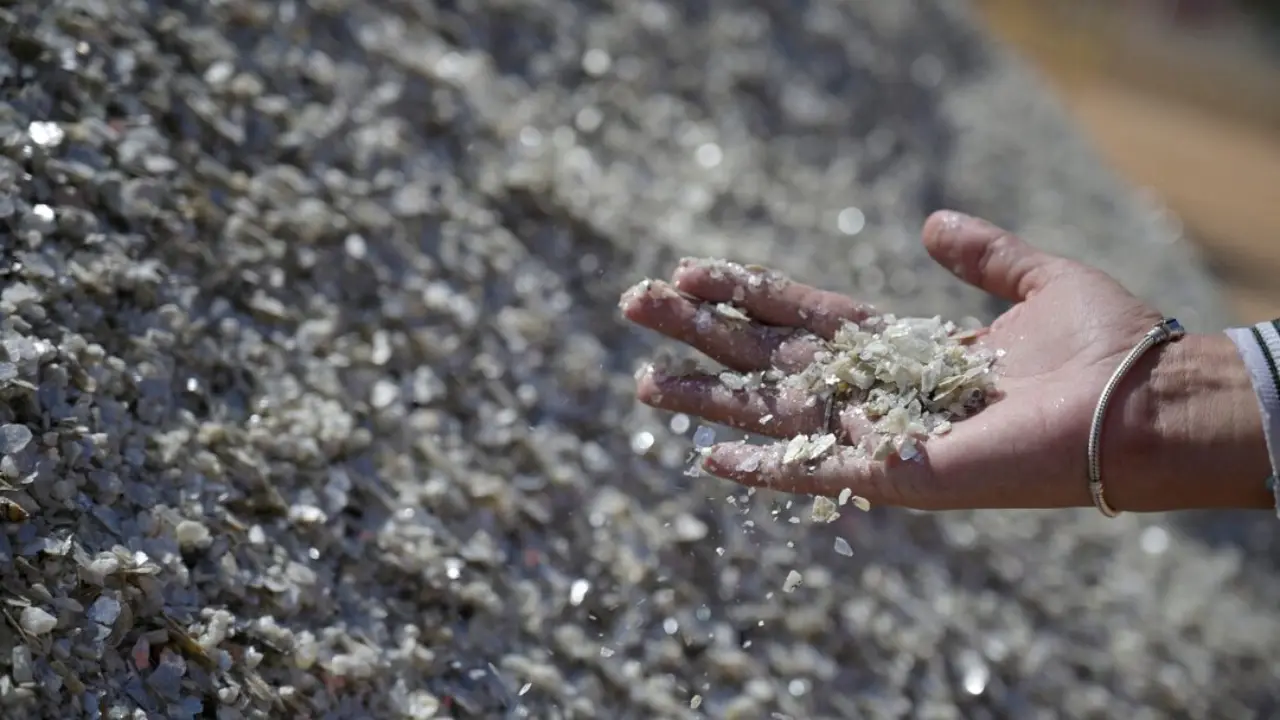
The Finance Minister announced a full exemption of Basic Customs Duty on cobalt powder and waste. Other critical minerals like lead, zinc and 12 more have also been fully exempted to secure raw materials.
Lithium-Ion Scrap Gets Cheaper
To promote recycling and material recovery, the customs duty on the scrap of lithium-ion batteries has been reduced to nil. This measure supports the circular economy by making it cheaper to process battery waste.
Focus on Domestic Manufacturing
These duty rationalisations are part of the 'Make in India' policy to boost the domestic manufacture of lithium-ion batteries. The government aims to reduce import dependence for both mobile phones and electric vehicles.
Lower Costs for Consumers
By removing duties on raw materials and machinery, the overall cost of producing batteries is expected to drop. This benefit is likely to be passed on to consumers, making your next phone or EV potentially cheaper.
)
)
)
)
)