Union Budget 2026: What to expect on debt, defence and infrastructure?

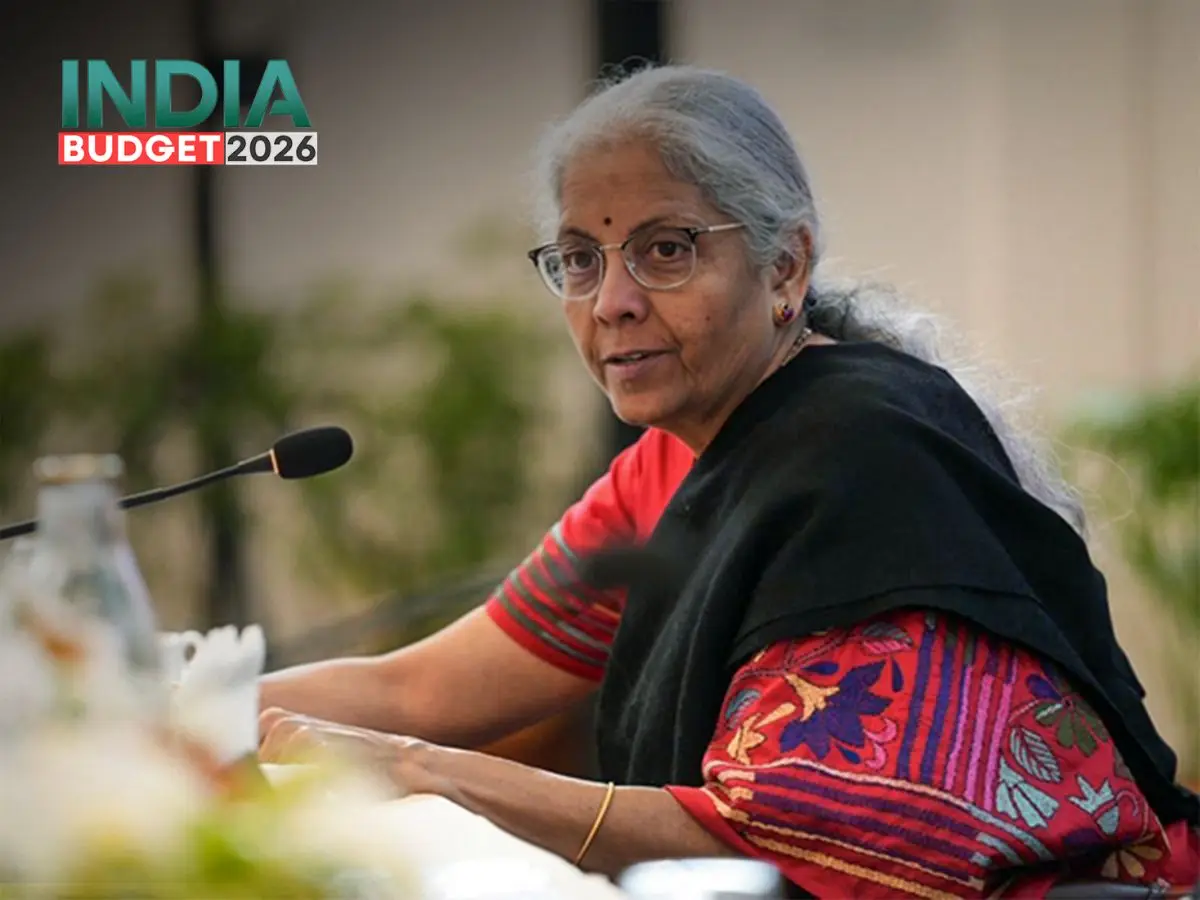
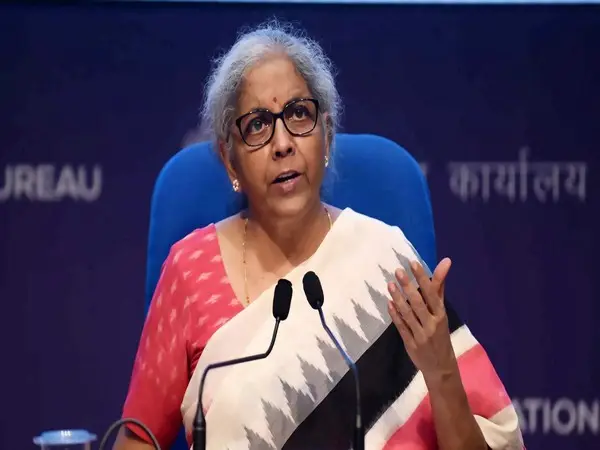
Finance Minister Nirmala Sitharaman is set to present her ninth consecutive budget today, with attention on reducing public debt, funding defence needs and sustaining infrastructure investment.
A pivotal economic moment
As India prepares to unveil its Union Budget for the fiscal year beginning April 2026, expectations are focused on how the government will manage the twin imperatives of fiscal discipline and strategic spending. Finance Minister Nirmala Sitharaman is set to present her ninth consecutive budget today, with attention on reducing public debt, funding defence needs and sustaining infrastructure investment. These elements will shape economic policy and investor sentiment in the coming year.
Debt and fiscal deficit
Economists, quoted by Reuters anticipate that the government will aim for a fiscal deficit of 4.2 per cent of GDP for 2026-27, down from 4.4 per cent this year, as part of an effort to keep public finances under control. Gross government borrowing is expected to rise to Rs. 16 trillion to Rs. 16.8 trillion from Rs. 14.6 trillion, reflecting continued reliance on market financing even as the deficit target tightens. A longer-term goal is to bring government debt down to around 49 per cent–51 per cent of GDP by 2031, from about 56 per cent currently, a metric that global investors closely monitor.
Defence spending
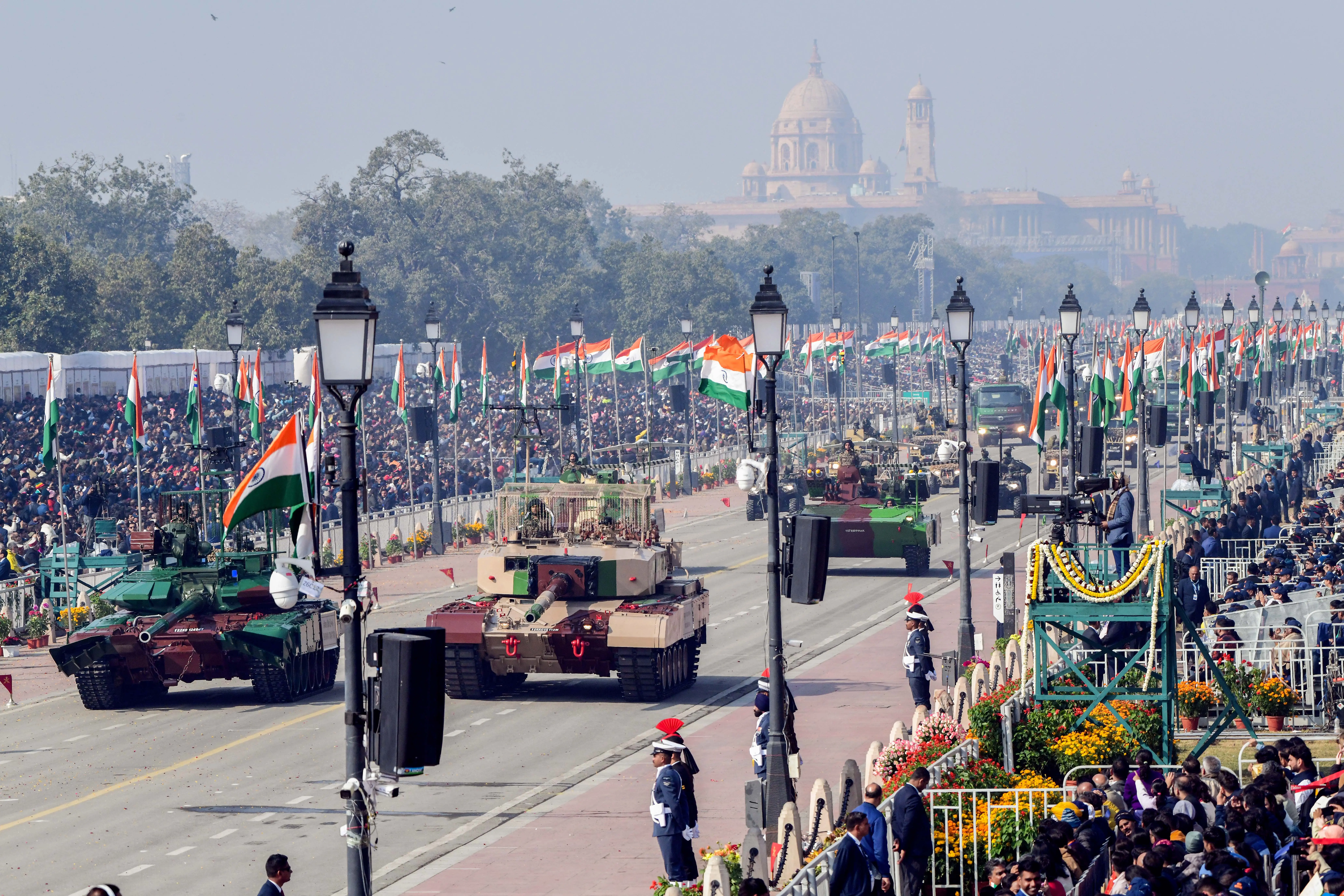
The Defence Ministry is seeking a roughly 20 per cent increase in military spending following recent regional tensions with Pakistan. This increase is required to meet the growing requirements and security challenges of the armed forces. Though final allocations are yet to be confirmed, the push reflects India’s focus on modernisation and readiness. According to Reuters, New Delhi is likely to ease conditions for foreign investments into defence units.

Capital expenditure and infrastructure – growth engine
Infrastructure spending is expected to remain a pillar of the budget, with capital outlays likely to be maintained at around 3.1 per cent of GDP. This includes allocations of around Rs. 12 lakh crore or more in capex, with proposals under discussion to boost project financing and accelerate development of roads, rail and urban infrastructure.
Constraints from tax cuts and revenue pressures
Tax experts have urged the abolition of the securities transaction tax, which is imposed on equity and derivatives trades even when they incur losses. FICCI has also called for amendments to income-tax regulations that restrict companies, such as Apple, from supplying machinery to contract manufacturers.
Exports
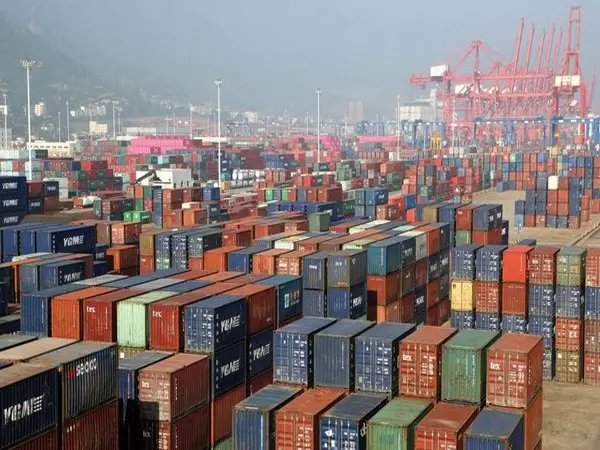
The Federation of Indian Export Organisations has called for lower import duties on key inputs used by export-oriented industries, including textiles, electronic components and chemicals, to boost domestic manufacturing, says Reuters. The organisation has also sought supportive regulatory measures and access to long-term finance, as exporters come under pressure from US President Donald Trump’s 50 per cent tariffs on Indian goods entering the United States.
Why this Budget matters
The 2026 Budget represents a balancing act between fiscal prudence and strategic priorities. With growth forecasts moderate and global pressures persistent, the approach to debt reduction, defence financing and infrastructure investment will signal India’s economic direction and resilience in the years ahead.
)
)
)
)
)