Union Budget 2026: What gets cheaper and what becomes costlier

The Union Budget 2026, presented by Finance Minister Nirmala Sitharaman on February 1, 2026, focuses on boosting domestic manufacturing and easing the burden on the middle class. Here's a list of items that will get cheaper and costlier after the announcement

Nirmala Sitharaman presents Budget 2026
Finance Minister Nirmala Sitharaman became the first woman FM to present Budget for the ninth consecutive time. In the budget, the government adjusted customs and excise duties to support domestic manufacturing, control imports, and boost demand. As a result of this, some items will become cheaper due to tax reductions, while others could see price hikes. Let's take a look at what's getting cheaper and what will be costlier
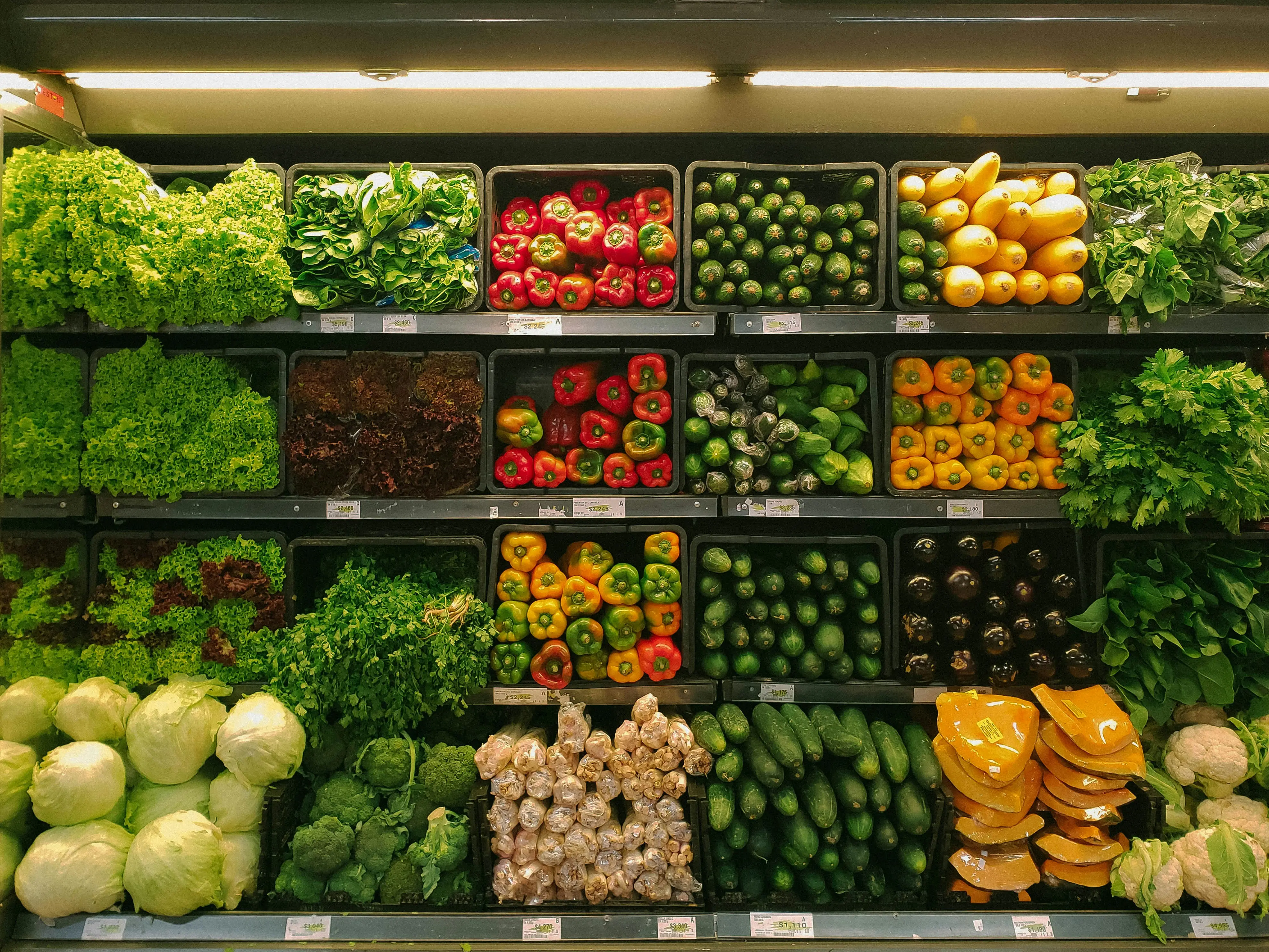
What gets costlier and cheaper?
Items like life-saving drugs, EV batteries, leather and textile products will get cheaper and items like alcohol and cigarettes will get costlier
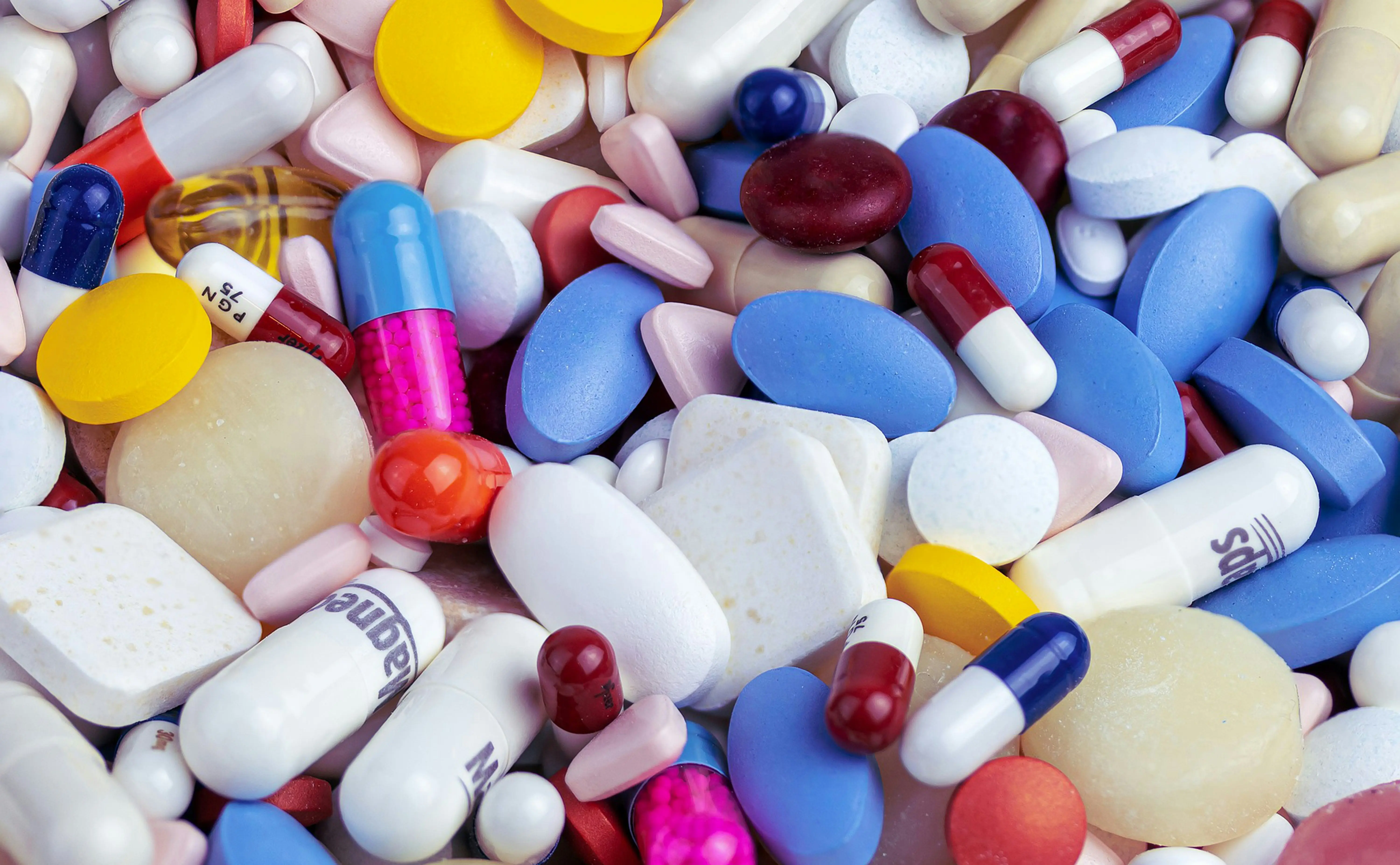
Healthcare
CHEAPER: Basic customs duty (BCD ) removed from 7 critical cancer drugs. BCD on drugs, medicines, and Food for Special Medical Purposes (FSMP) for seven additional rare diseases has been exempted. It previously has 5-11 per cent duty.

Electronics
CHEAPER: Components for mobile phones and tablets due to duty relief. Solar Panels, Microwave Ovens will also get cheaper due to government decision to exempt basic customs duty on specified parts used in their manufacture

Travel
CHEAPER: The previous structure under which 5 percent was for spending up to ₹7 lakh (or ₹10 lakh in some categories) and a steep 20 percent was charged for amounts above that, has been replaced with a uniform 2% rate

Tobacco products
COSTLIER: Cigarettes, pan masala, and other tobacco products became more expensive due to higher excise duty and a new cess

Foreign education
CHEAPER: Foreign education will be cheaper as government has proposed that TCS rate on remittances on it under the Liberalised Remittance Scheme (LRS) will be slashed from 5 per cent to 2 per cent. There will be no TCS on educational remittances up to ₹10 lakh. Additionally, remittances funded through approved education loans remain the most cost-effective

Green Energy
CHEAPER: Basic Customs Duty (BCD) has been removed for lithium oxide, hydroxide, and lithium carbonates, which previously attracted a 7.5 per cent duty. 5 percent concessional import duty on lithium-ion cells and their parts has been extended for two more years. Solar glass will also be cheaper as the Budget exempted Sodium Antimonate, a raw material for solar glass, from customs duty

Footwear
CHEAPER: Certain leather equipment is expected to get cheaper due to reduce of import duties on raw materials

Alcohol & Trading
COSTLIER: Alcohol and futures & options (F&O) trading became costlier due to a hike in Securities Transaction Tax (STT)
Exemptions were removed for certain industrial machinery and items where domestic production is deemed sufficient
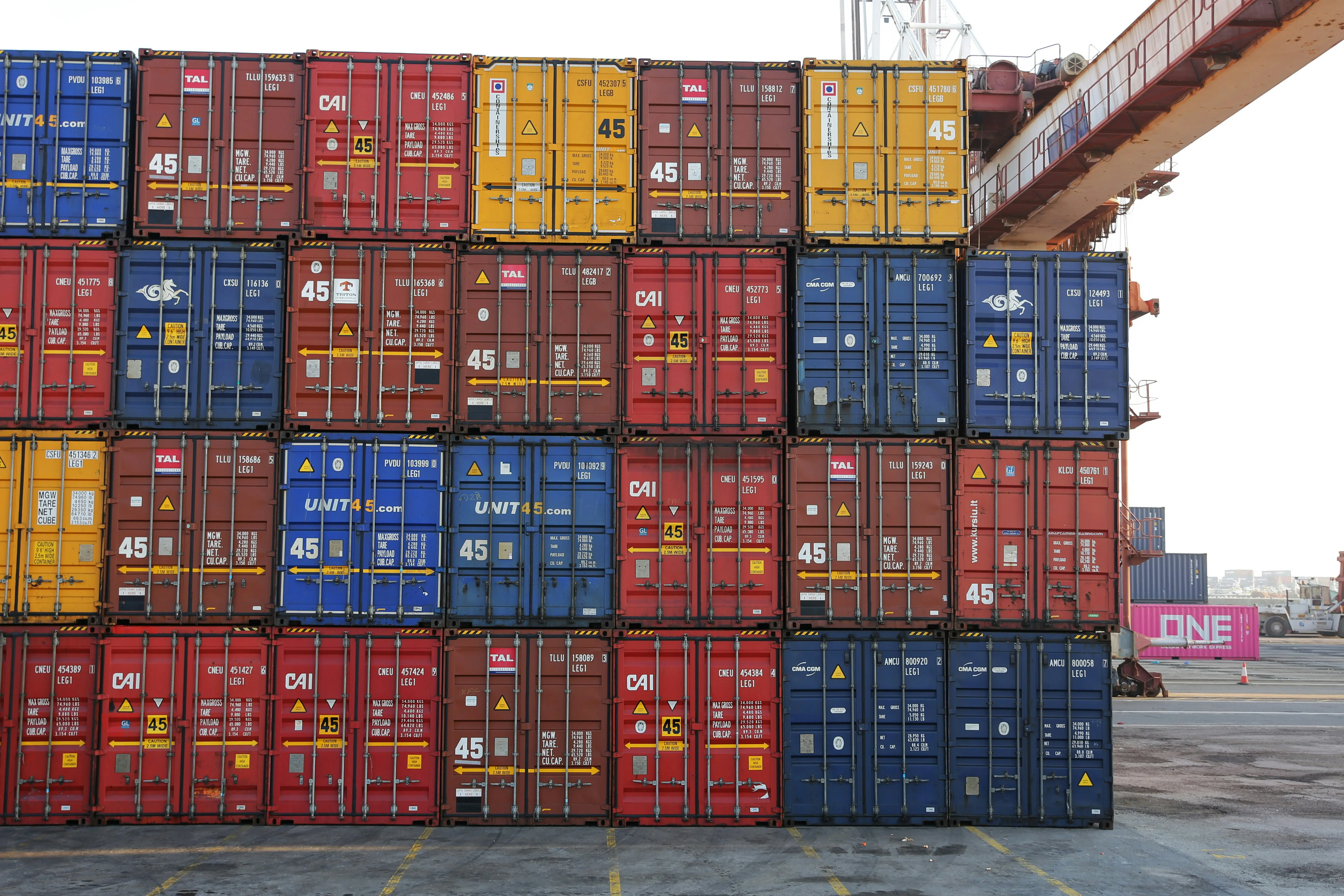
Imported Personal Goods
CHEAPER: Budget has reduced the BCD on all dutiable goods imported for personal use from 20 per cent to 10 per cent.
Coffee
COSTLIER: Exemptions on coffee roasting, brewing and vending machines have been removed making it cheaper

Minerals, iron ore, coal
COSTLIER: The sale of minerals, including coal, lignite, and iron ore, will now attract a 2 per cent Tax Collected at Source (TCS), up from the previous 1 per cent. This will increase the price

Nuclear Power Projects components
CHEAPER: Nuclear power project components are expected to become cheaper as the existing zero-duty import window, which was set to expire sooner, has been extended for nearly a decade (until 2035) to provide long-term policy certainty. The exemption now applies to all nuclear plants regardless of capacity

Seafood products
CHEAPER: The Basic Customs Duty (BCD) on essential ingredients for shrimp feed has been reduced, which directly lowers costs for fish farmers. Additionally, fish caught by Indian vessels in the Exclusive Economic Zone (EEZ) or on the high seas will be made free of duty upon landing.
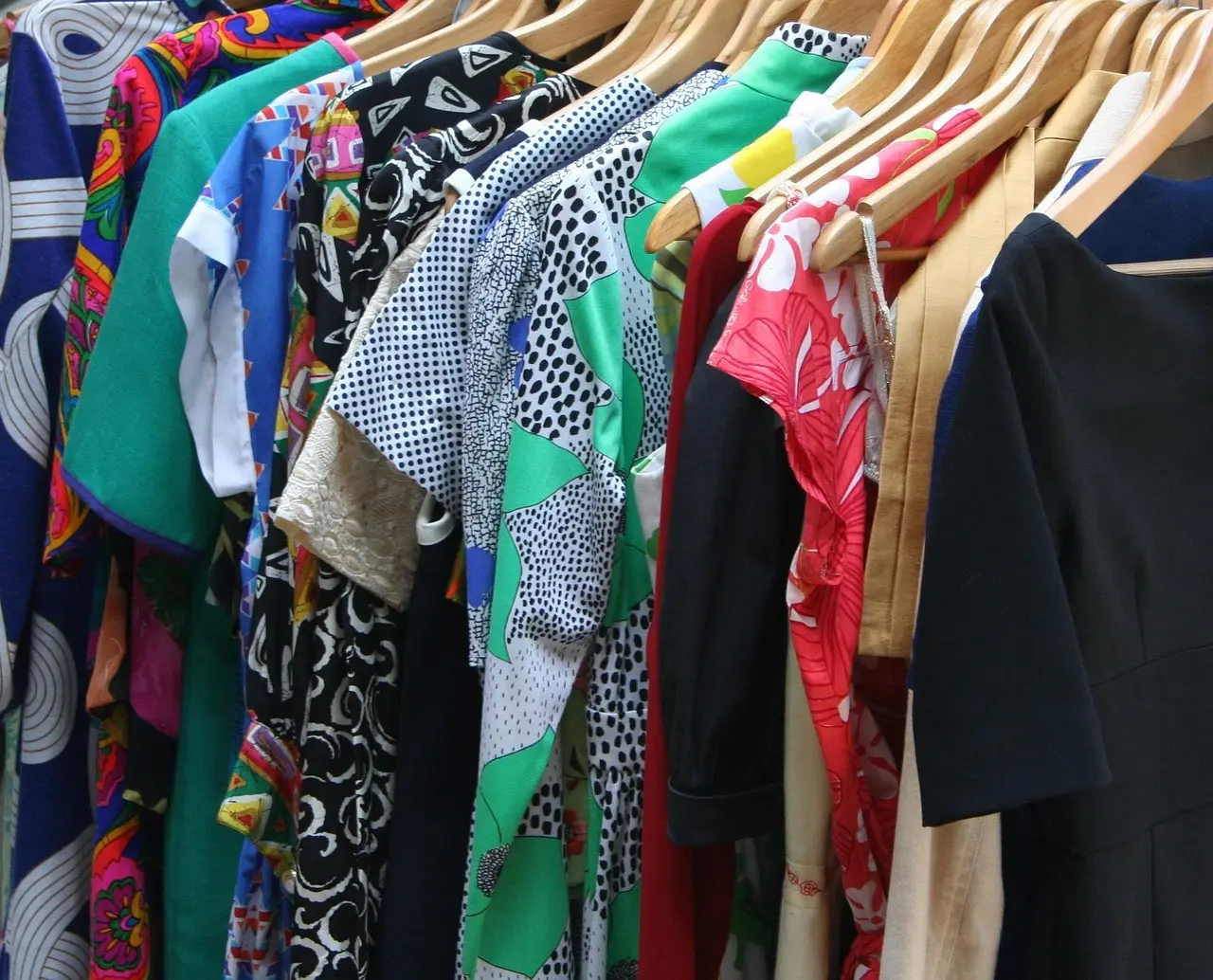
Textile garments
CHEAPER: Textile garments are expected to be slightly cheaper due to government's push for enhancing productivity
)
)
)
)
)