Union Budget 2026: What are the three pillars of the reform ecosystem?

In the Union Budget 2026, Finance Minister Nirmala Sitharaman identified reforms as the 'fuel' to power India's growth engine. She outlined a strategy built on three core areas Taxation, the Financial Sector and Regulatory Reforms to improve ease of doing business and boost investment.

Reforms as the Economic Fuel
The Finance Minister positioned reforms as the essential fuel to drive the four engines of growth: Agriculture, MSME, Investment and Exports. These reforms are structured across three domains to enhance productivity: Taxation, Financial Sector and Regulatory frameworks.

Pillar 1: Trust-Based Tax Reforms
Reaffirming the principle of 'trust first, scrutinise later', the government aims to simplify the tax experience for honest payers. This approach focuses on reducing litigation and ensuring tax certainty for citizens and businesses.
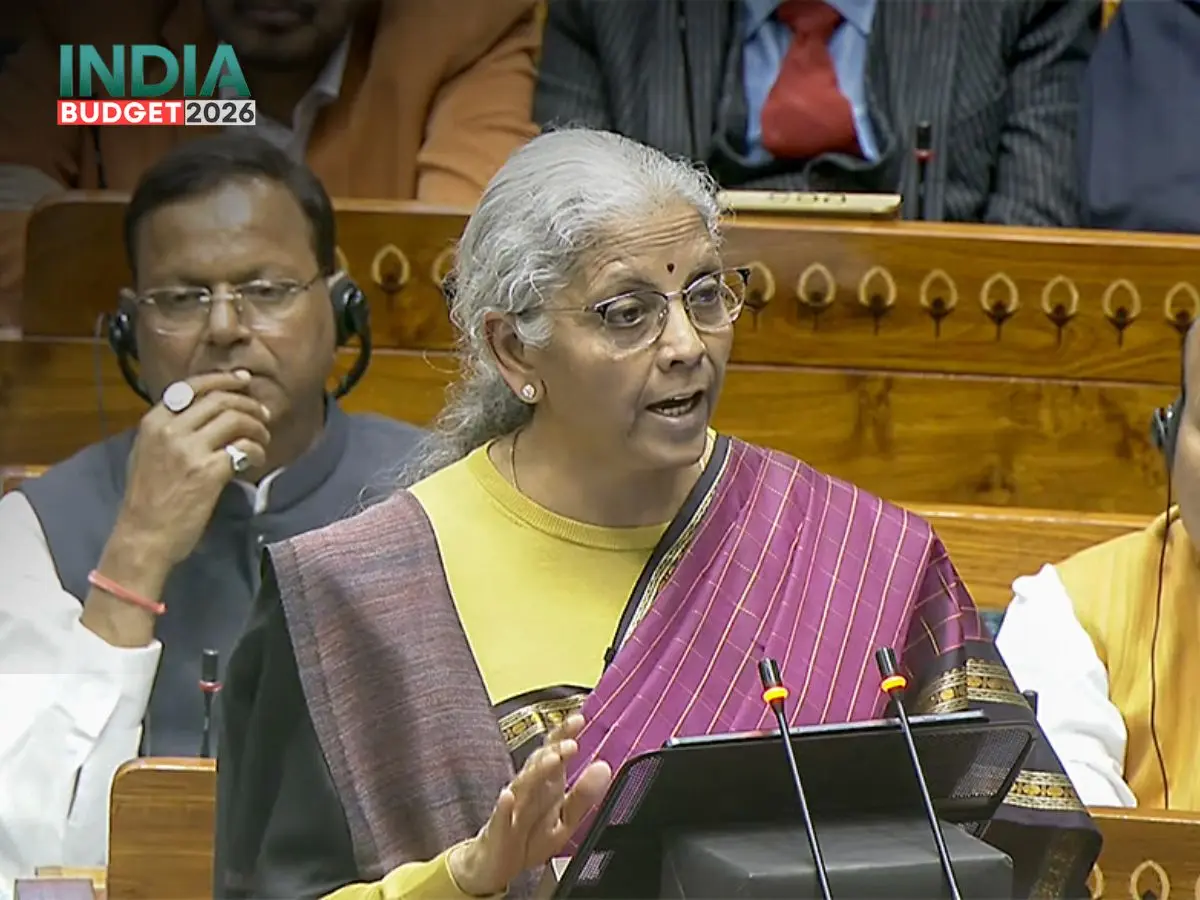
New Income Tax Bill Proposed
A new Income Tax Bill will be introduced to make the laws simple, clear and easy to understand. The bill aims to reduce the compliance burden and provides a fresh structure for the tax regime.

Pillar 2: Financial Sector Boost
To attract long-term capital, the Foreign Direct Investment (FDI) limit in the insurance sector will be raised from 74 per cent to 100 per cent. This enhanced limit applies to companies that invest the entire premium amount within India.

Credit Scores for Rural India
Public Sector Banks will develop a 'Grameen Credit Score' framework to better assess rural creditworthiness. This initiative is designed to facilitate easier loans for self-help groups and rural populations.

Pillar 3: Regulatory Simplification
The government will introduce the Jan Vishwas Bill 2.0 to decriminalise over 100 provisions across various laws. This builds on the success of the previous act to further improve the ease of doing business.

Reviewing Compliance Burdens
A High-Level Committee will be set up to review non-financial sector regulations, licenses and permissions. The committee will submit recommendations within a year to strengthen trust-based governance.
)
)
)
)
)