Union Budget 2026: The untold history behind the red file that symbolises India’s economy

To understand why red remains synonymous with India’s finances, it is necessary to trace how history, tradition and symbolism converged to shape one of the most recognisable images of the Union Budget.

Why the Red File Captures the Nation’s Imagination
As India gears up for the Union Budget 2026 on February 1, one visual element consistently captures public attention: the red file, folder or pouch carried by the Finance Minister. For decades this red colour has been closely associated with India’s Budget presentations, symbolising the nation’s financial plans and priorities. The origin and persistence of this colour tradition stretch back over a century and link India’s fiscal process to its colonial past, let's understand why the colour is synonymous to India's finances?

A Tradition Borrowed From Britain
India’s association of the Budget with a red file stems from British parliamentary practice. In the United Kingdom, government and financial documents were historically kept in red covers, which signified official authority and seriousness. In 1860, British Chancellor of the Exchequer William E. Gladstone introduced a red leather 'Gladstone Box' to carry his Budget papers. Over time this red briefcase became a recognised symbol of the Budget in Britain. The word 'Budget' originates from French word 'bougette', which means leather briefcase.

Adoption in India’s First Budgets
When India presented its first Budget in 1860 under British rule, the practice of using a red Budget file was adopted and continued for decades after Independence. The red cover came to signify not just a document holder but a visual cue of a momentous national announcement, one that reveals the government’s income, expenditure and policy priorities for the year ahead.
Symbolism of Red in Financial Governance
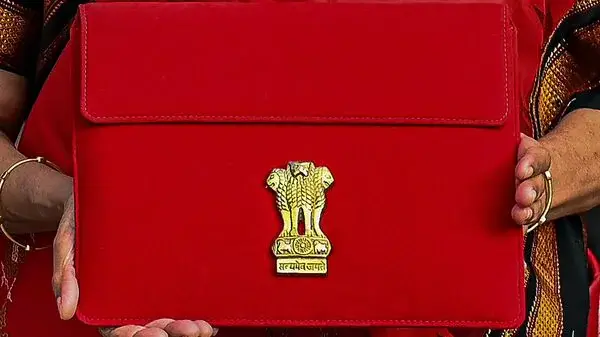
The choice of red is not arbitrary especially in the Indian history and culture. Historically, red has been linked to strength and visibility, traits seen as befitting a major financial statement. For many observers, the red file embodies the weight of India’s fiscal decisions and the seriousness with which they are made. Its prominence on television and in photographs reinforces this symbolism each Budget Day.
Evolution From Briefcase to Bahikhata to Tablet
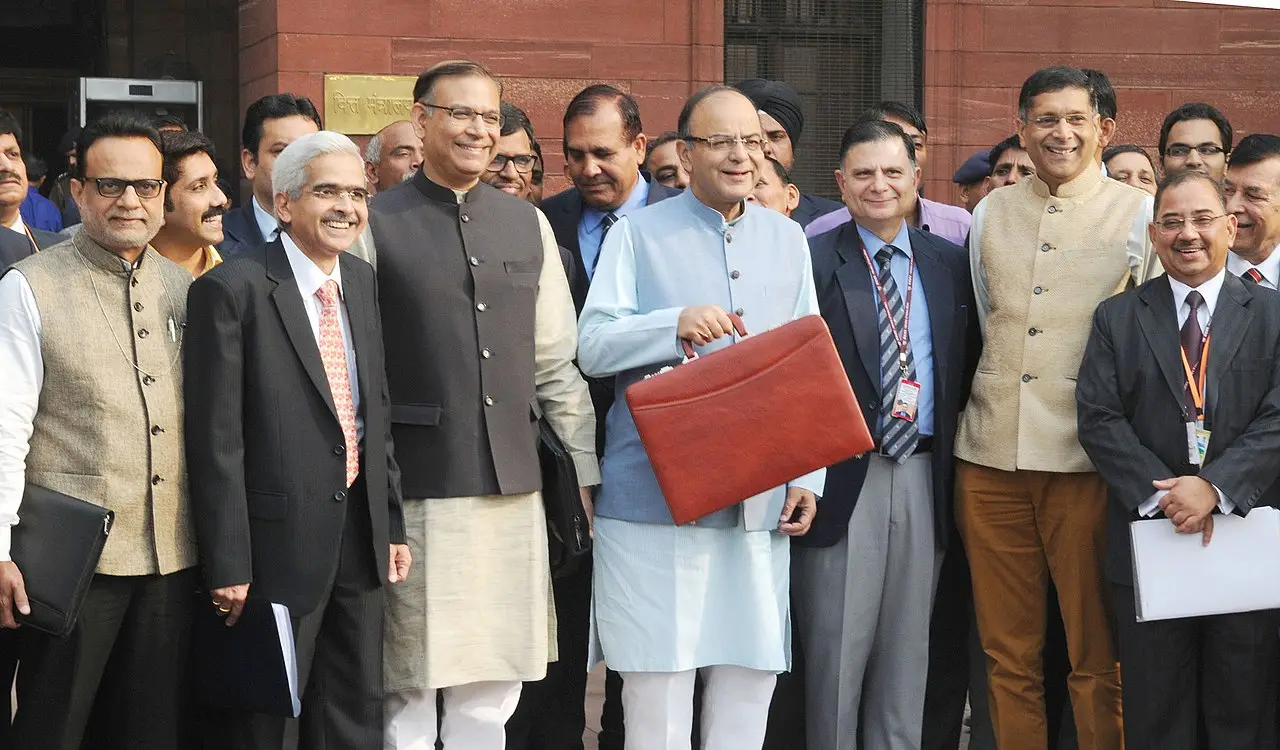
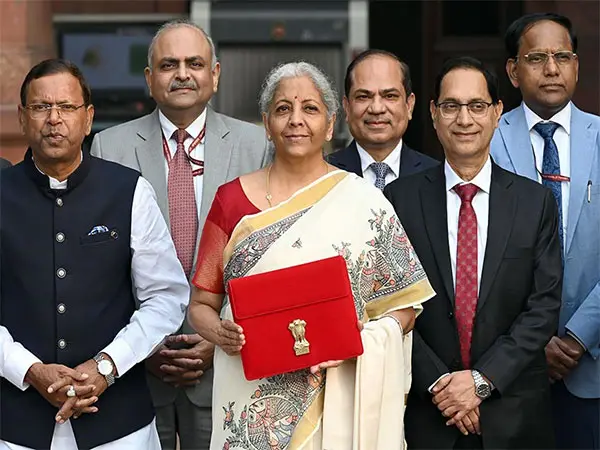
Earlier, finance ministers in different governments, including her predecessors in the Modi government - Arun Jaitley and Piyush Goyal, used the standard red Budget briefcase. In 2019, Finance Minister Nirmala Sitharaman moved away from the briefcase and instead carried the Budget documents wrapped in a red cloth pouch styled like a traditional 'bahi khata', a ledger used historically in India. Traders, merchants, sailors and even small shopkeepers have retained this way of preserving their data. This change was seen as a departure from the colonial briefcase tradition. By 2021, the Budget presentation shifted to a paperless format carried on a tablet, still protected in a red sleeve, blending modern technology with traditional symbolism.

The Budget Bag’s Historical Roots and Continuity
The red folder remains widely recognised as a part of India’s fiscal heritage. While finance ministers have occasionally chosen different briefcase colours in the past, including black, the red association endured, reflecting both historical continuity and visual identity.
Why Red Still Matters in 2026
Today the red file or pouch is more than a folder; it is a visual shorthand for India’s financial governance and Budget narrative. As the Union Budget 2026 approaches, this colour continues to connect modern fiscal practice with long-standing traditions, reminding the public of the significance of the annual financial statement and its role in shaping the country’s economic future.
)
)
)
)
)