Union Budget 2026: Key new schemes announced by FM Sitharaman

Union Budget 2026–27 unveiled new schemes spanning AI in agriculture, rare earth corridors, semiconductors, clean energy, textiles and skills, signalling a push for self-reliance, jobs and long-term growth.
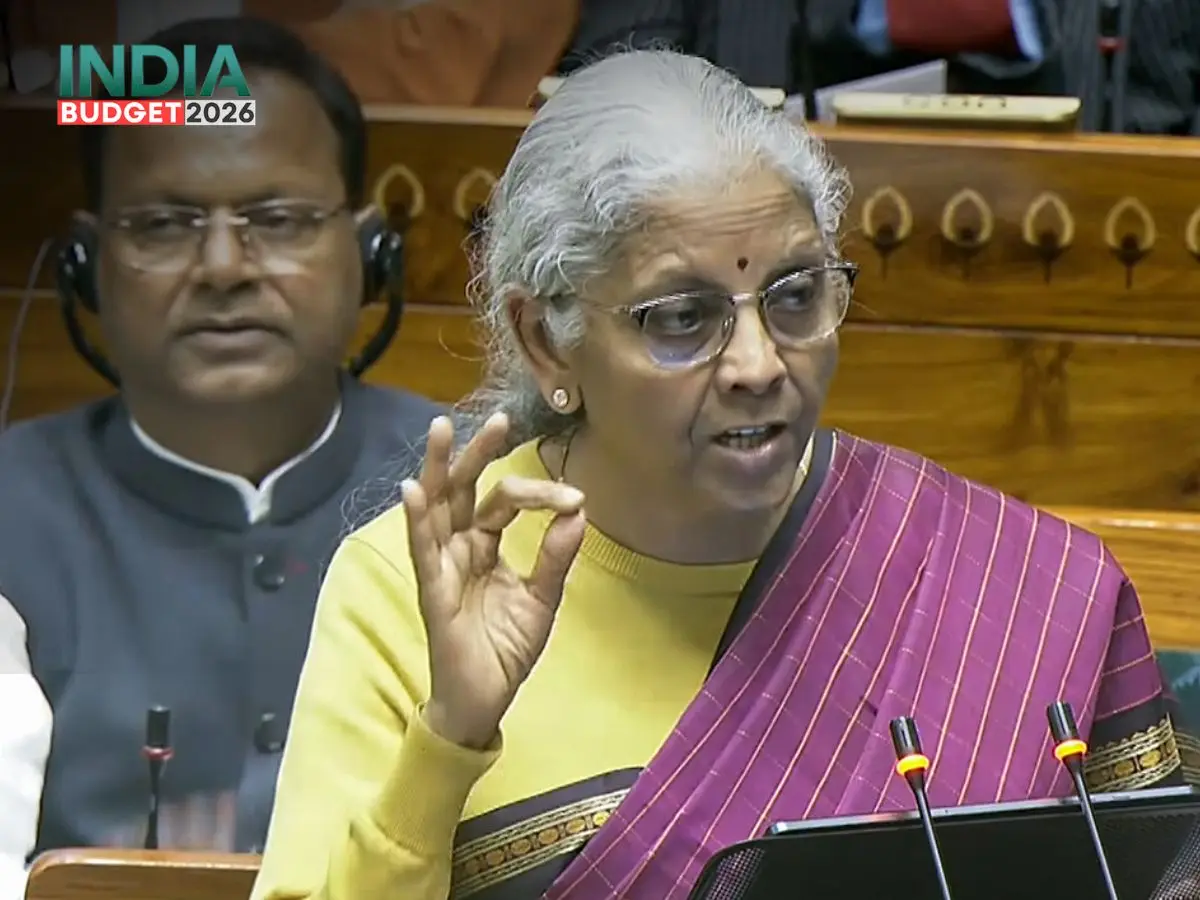
Union Budget 2026
Finance Minister Nirmala Sitharaman unveiled a series of new schemes in the Union Budget 2026–27 aimed at boosting growth, strengthening self-reliance and supporting key sectors such as agriculture, manufacturing, clean energy, technology, education and skills. Here’s a look at the major initiatives announced.
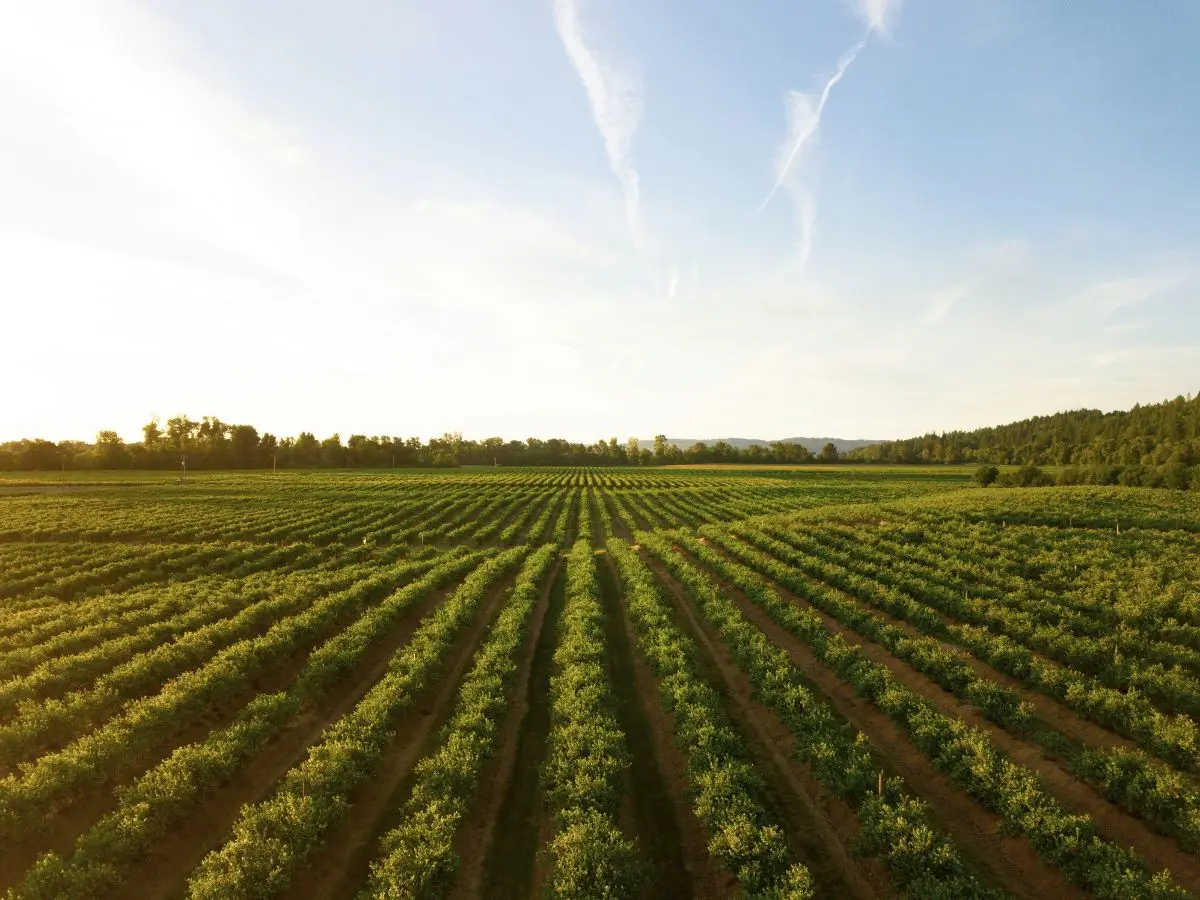
Bharat Vistar: AI boost for agriculture
The finance minister announced Bharat Vistar, a multilingual AI-enabled platform that will integrate the Agristack portal and ICAR’s agricultural practices. The tool aims to improve farm productivity, support better decision-making by farmers and reduce risks through customised advisories.
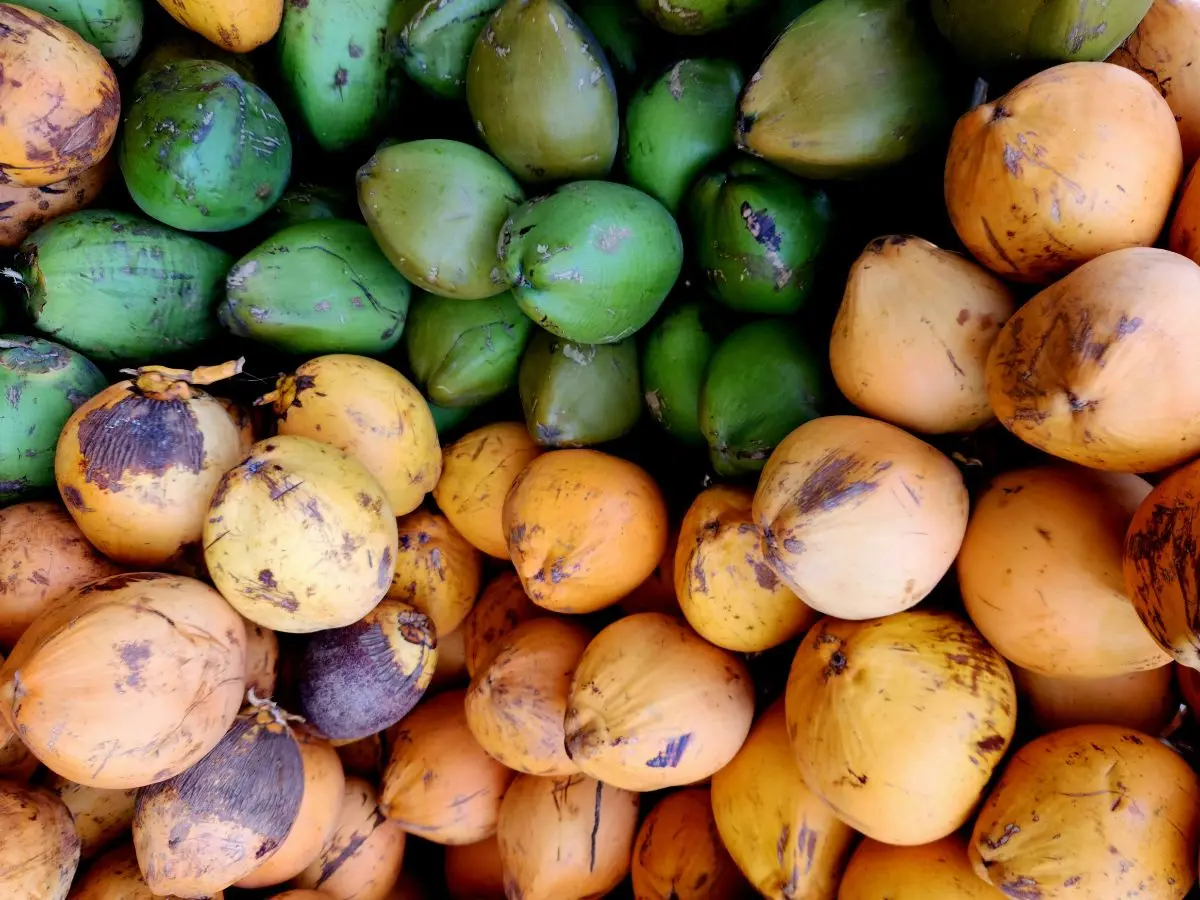
Coconut, cashew and high-value crop push
The Budget unveiled a Coconut Promotion Scheme along with dedicated programmes for high-value crops such as cashew, cocoa and sandalwood. The move is aimed at crop diversification and boosting farmers’ incomes.
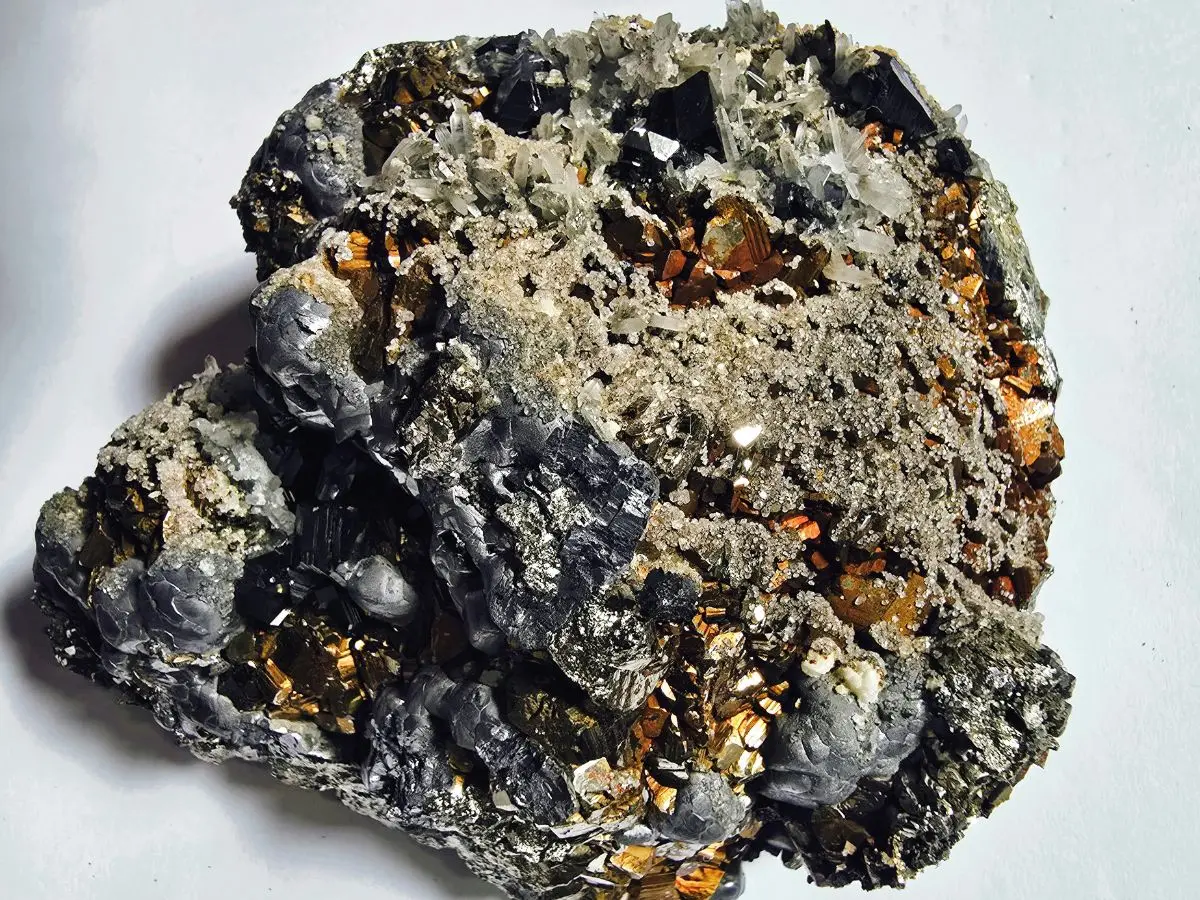
Rare earth corridors
Dedicated rare earth corridors will be set up in Tamil Nadu, Kerala, Odisha and Andhra Pradesh. The initiative seeks to strengthen domestic supply chains for critical minerals needed for clean energy and advanced manufacturing.

Semiconductor Mission 2.0
Building on earlier efforts, the government announced Semiconductor Mission 2.0 to expand domestic chip manufacturing, deepen supply chains and support research and development in semiconductor technologies.
Carbon capture scheme
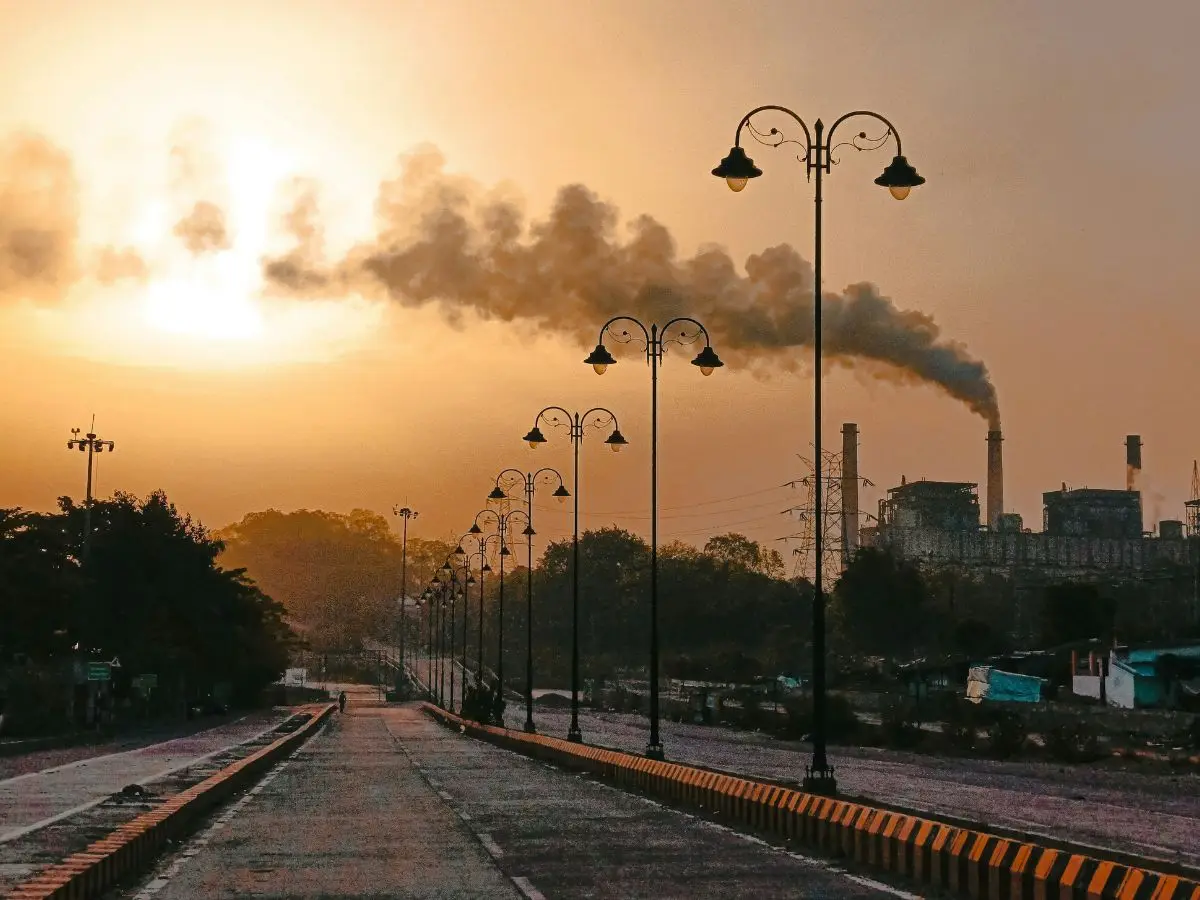
The Budget proposed a large-scale carbon capture and utilisation initiative with a long-term outlay of Rs 20,000 crore. The scheme will focus on hard-to-abate sectors such as steel and cement to support climate goals.
Textile sector revamp
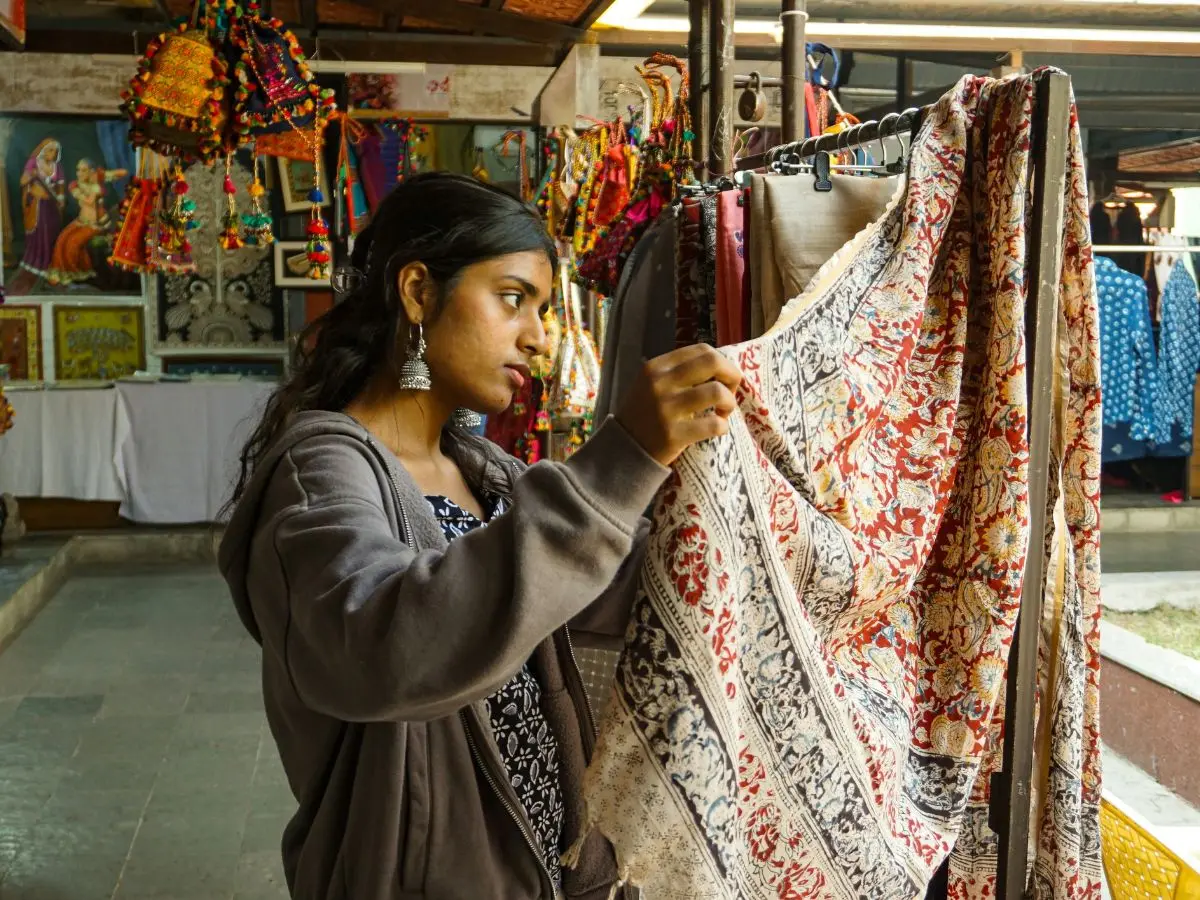
Five new initiatives were announced for the textile sector, including a National Fibre Scheme, expansion programmes, handloom support measures and the Mahatma Gandhi Gram Swaraj initiative to modernise the industry.
Education and skill-building initiatives
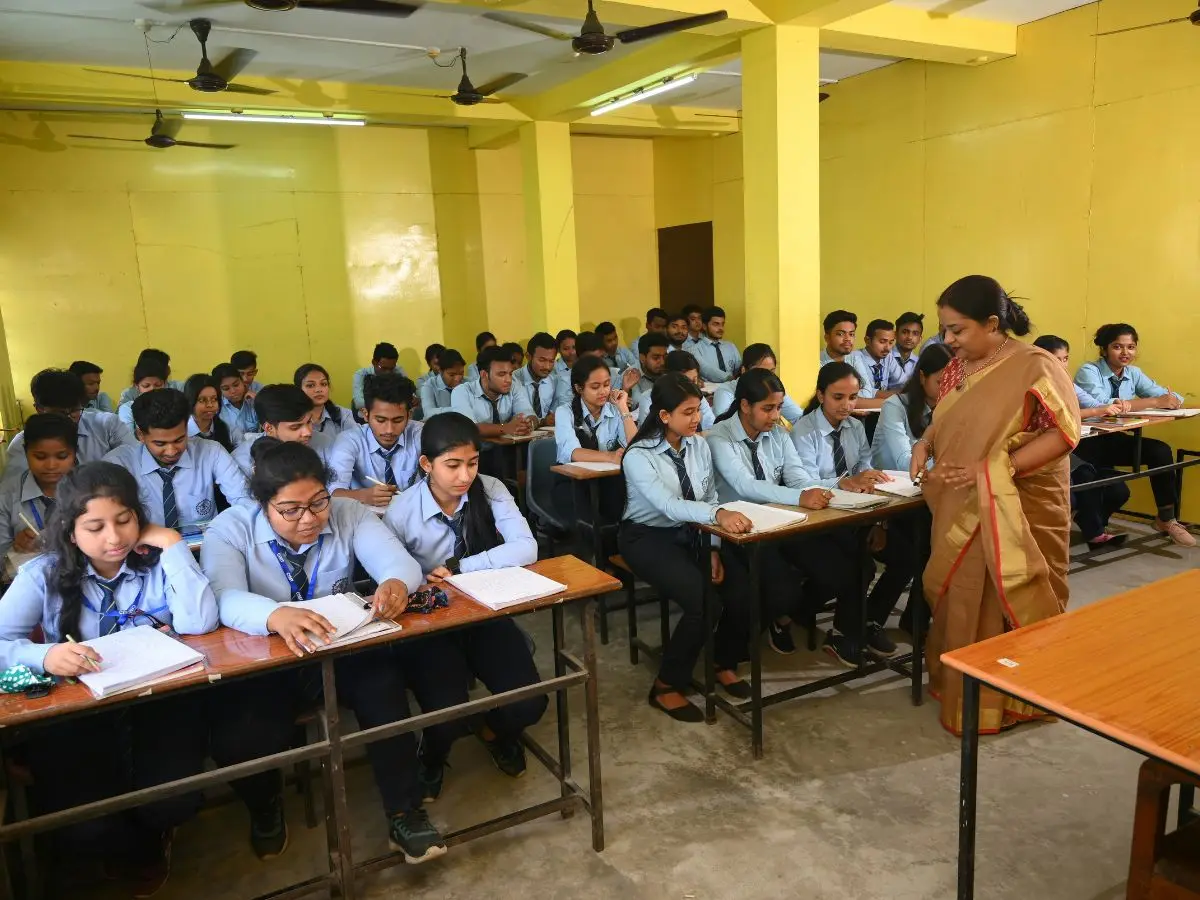
The finance minister announced content creation labs in schools and colleges to promote AVGC and digital skills. Other measures include IIT Creator Labs and the setting up of girls’ hostels in every district.
)
)
)
)
)