Union Budget 2026: Key takeaways on income tax, LTCG, what becomes costlier and what becomes cheaper

Union Budget 2026: Key takeaways on income tax rates, new tax proposals, deadline, taxes on capital gains, customs duty, and what becomes costlier and what becomes cheaper, and more.
Union Budget 2026: Key takeaways
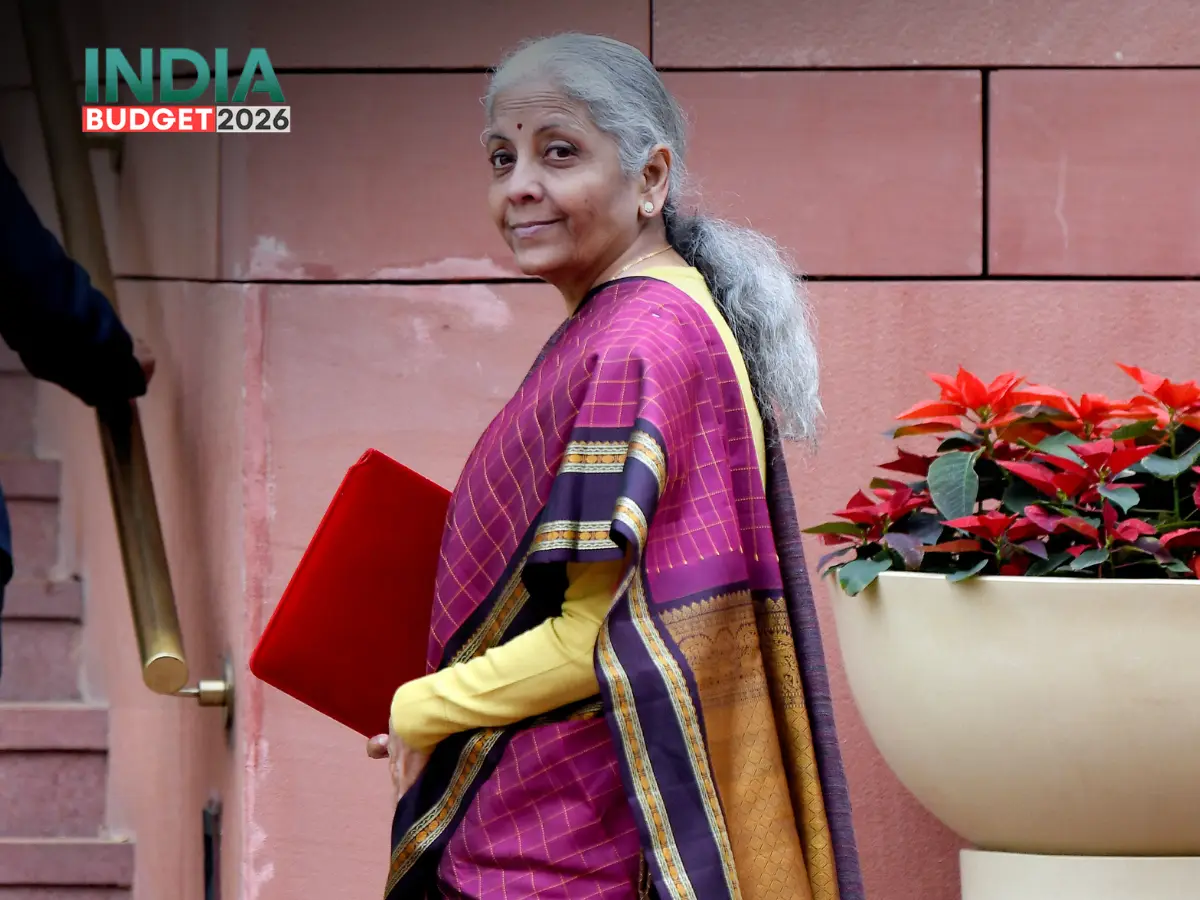
Finance Minister Nirmala Sitharaman presented her ninth consecutive budget on February 1. Income tax slabs and changes, Long Term Capital Gains (LTCG), customs duty and what ultimately becomes costlier and cheaper after the budget were some of the main things that experts and ordinary people watched closely. Here are the key takeaways from these areas.
Income Tax Act
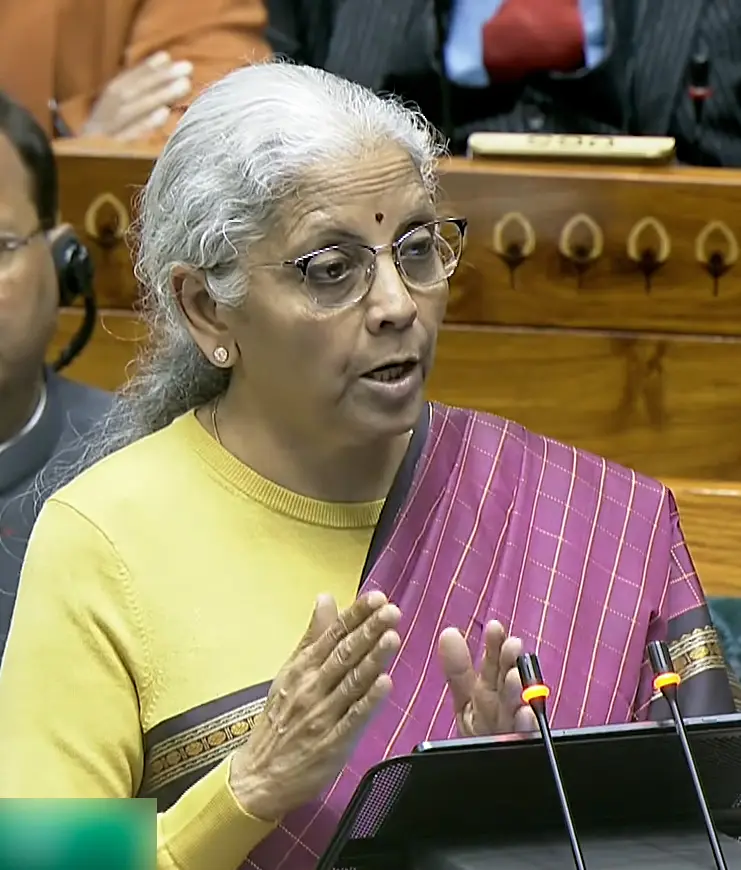
The Income Tax Act, 2025, will be implemented from April 1. It replaces a six-decade-old tax law. Under the new system, rules have been made simpler, and forms will be redesigned to make compliance easy for ordinary citizens. Sitharaman announced that the government has completed a comprehensive review of the Income Tax Act, 1961. The new law simplifies the tax timeline and has ended the distinction between the assessment year and the previous year, replacing it with a single "tax year" framework. It will allow taxpayers to claim a TDS refund even when ITRs are filed after deadlines, without any penal charges.
Income Tax slabs
The slabs remain unchanged for the financial year 2026-27.
New tax regime slabs
Net Taxable Income (Rs)
"0 – 4,00,000" - Nil
"4,00,001 – 8,00,000" - 5%
"8,00,001 – 12,00,000" - 10%
"12,00,001 – 16,00,000" - 15%
"16,00,001 – 20,00,000" - 20%
"20,00,001 – 24,00,000" - 25%
"Above 24,00,000" - 30%

Old tax regime slabs
The old tax regime will not be phased out, although deductions under Sections 80C, 80D and home loan benefits once again saw limited movement. No changes in standard deduction or an upward revision in key limits hint that the deduction-heavy system might be gradually dropped.
Old tax regime slabs
Net Taxable Income (Rs)
"0 – 2,50,000" - Nil
"2,50,001 – 5,00,000" - 5%
"5,00,001 – 10,00,000" - 20%
"Above 10,00,000" - 30%

Other tax proposals
Sitharaman announced a tax holiday till 2047 for foreign companies offering cloud services globally using data centres located in India. The move aims to boost investment in critical digital infrastructure. She also proposed to increase the time limit for filing revised I-T return from December 31 to March 31, on payment of a nominal fee. ITR filing will now be done in a staggered manner, as individuals with ITR 1 and ITR 2 can file returns till 31 July, and non-audit business cases or trusts will be allowed time till 31 August

Budget 2026: What becomes costlier
Boosting domestic manufacturing was a key focus of the budget for the new year. Sitharaman introduced certain changes in customs and excise duties to support Make in India, control imports, and boost demand. Due to this, some items will become cheaper due to tax reductions, while others will see a rise in costs. Cigarettes, pan masala, and other tobacco products will become expensive due to higher excise duty and a new cess. Alcohol and futures & options (F&O) trading will cost more due to a hike in Securities Transaction Tax (STT). Certain cameras, video game parts, coffee, adult diapers, umbrellas, CD-ROMs, and luxury goods in the footwear and apparel category will become costlier.
Budget 2026: What becomes cheaper
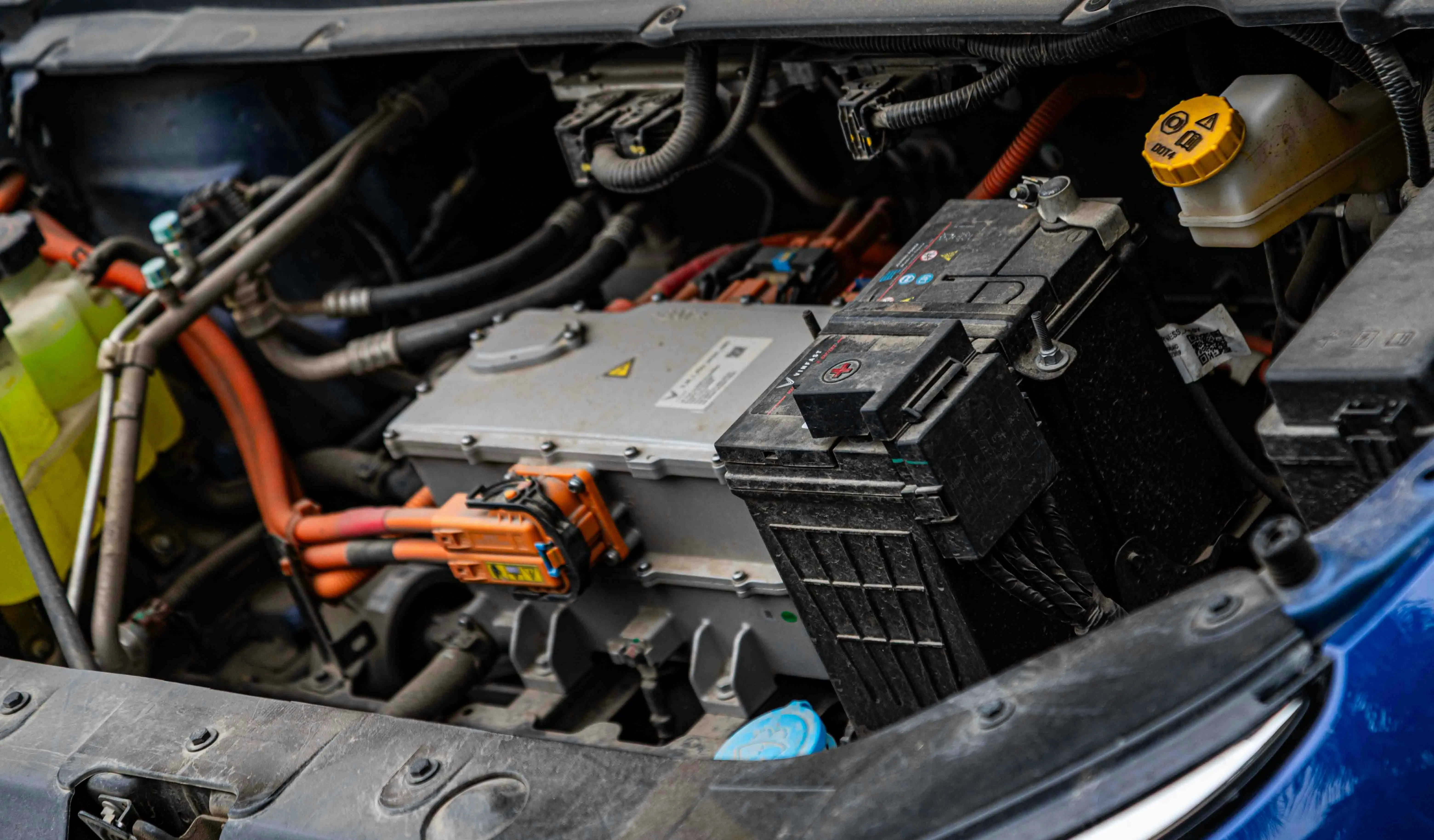
Seventeen cancer drugs, seafood, leather products, smartphones, EV batteries, solar panels, microwave ovens and sports equipment will see a drop in prices under the new budget.
Long-term capital gains (LTCG)
Union Budget 2026 did not introduce any changes to long-term capital gains (LTCG) tax rates. Capital assets include listed equity shares, mutual funds, tax-free bonds, debentures, unlisted shares, immovable property and other financial instruments. Finance Minister Sitharaman said buyback proceeds for all categories of shareholders will be taxed as capital gains. She also proposed increasing the securities transaction tax (STT) on commodities futures to 0.05 per cent from 0.02 per cent. The latter triggered a sharp fall in the Sensex and Nifty indices.
)
)
)
)
)