Underground 'Parthenon' protecting Tokyo from floods

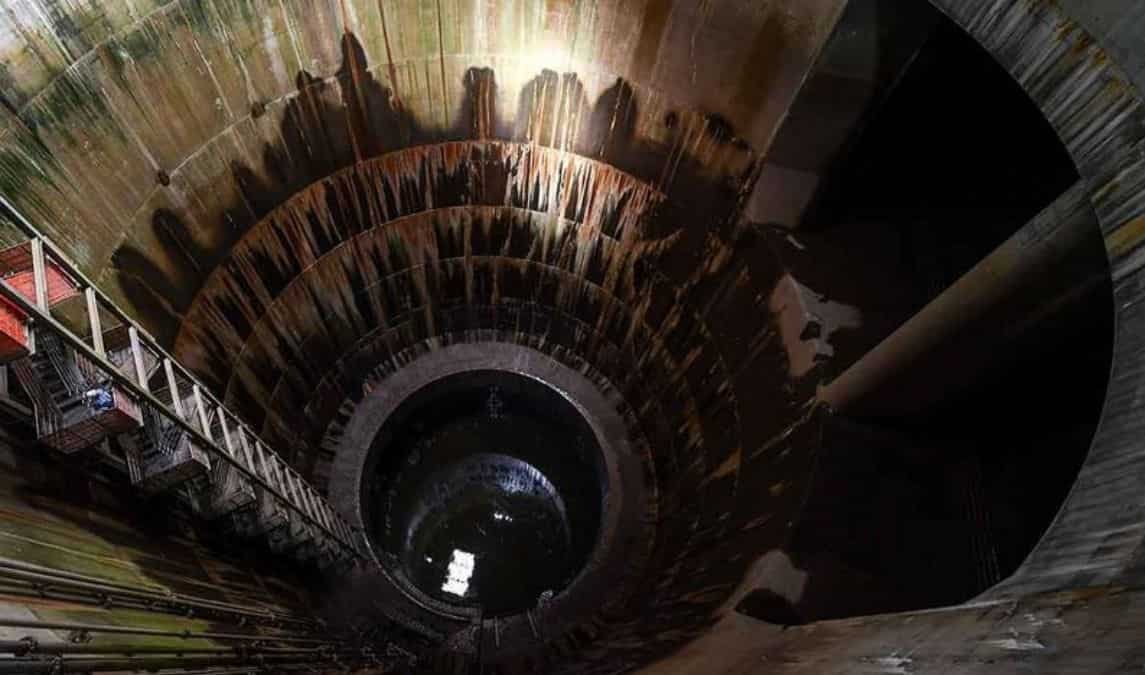
Deep enough to hold the Statue of Liberty
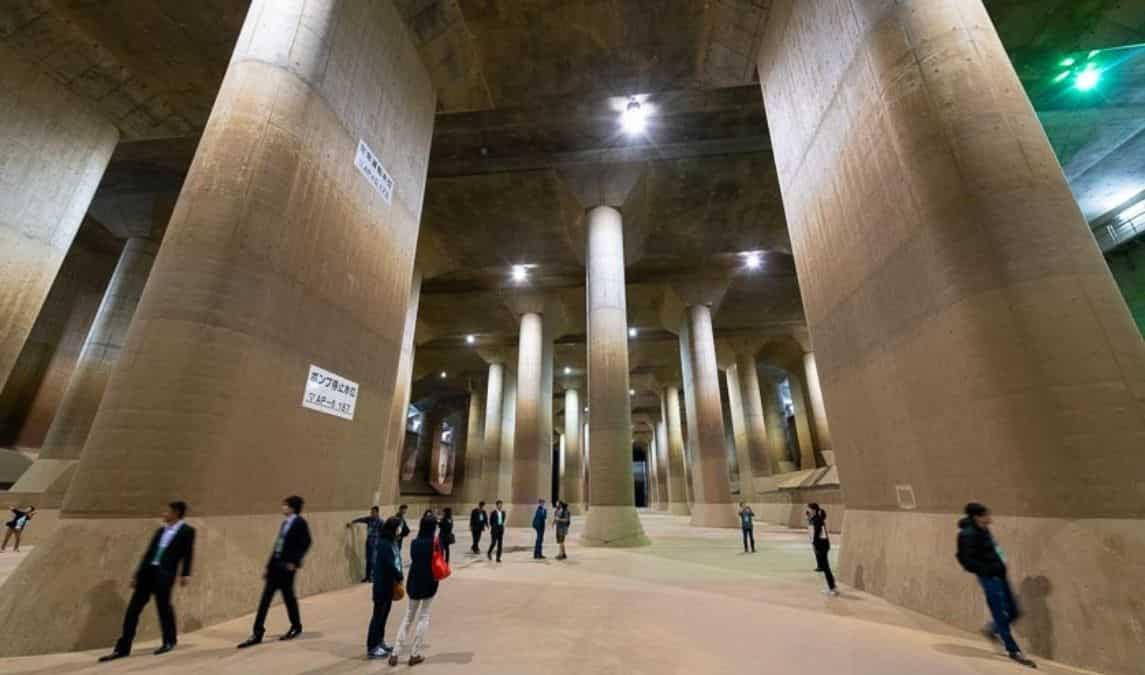
The massive structure - deep enough in some parts to hold the Statue of Liberty - funnels away and redirects excess water from storms and typhoons, protecting one of the globe's most populous capitals. Soaring pillars weighing 500 tonnes each support the main reservoir, a bare concrete tank the length of two football fields.
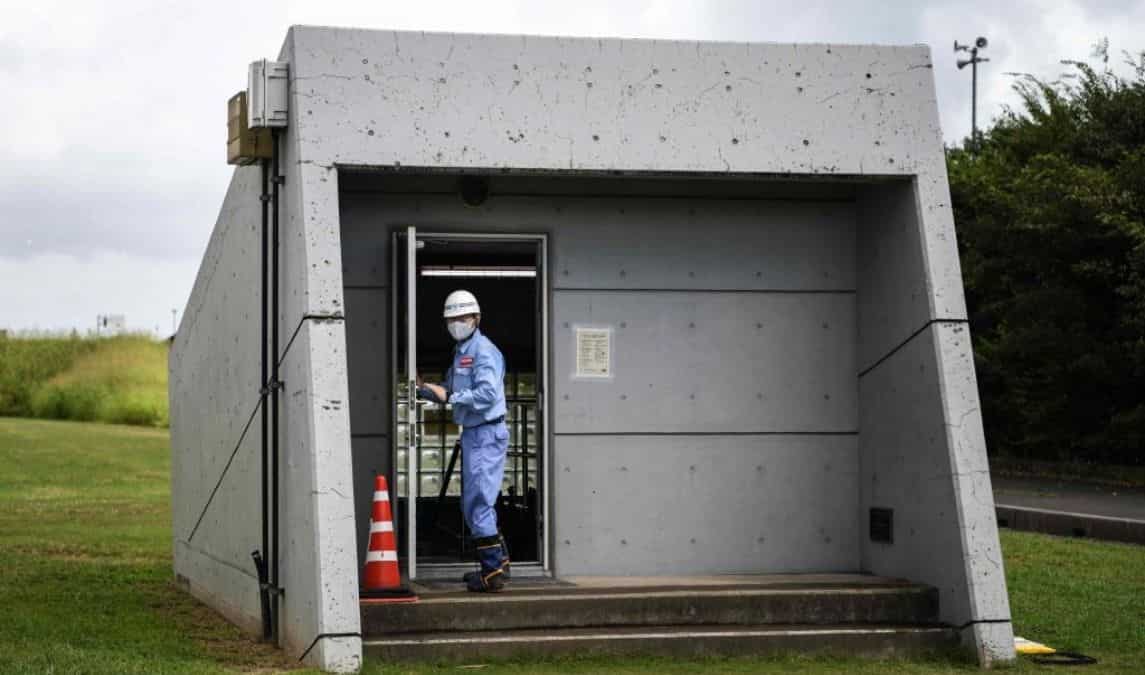
Largest facility of its kind
Above ground, there is little to give away the cathedral-like feat of engineering that forms the main reservoir of the Kasukabe flood tank, the largest facility of its kind in the world.
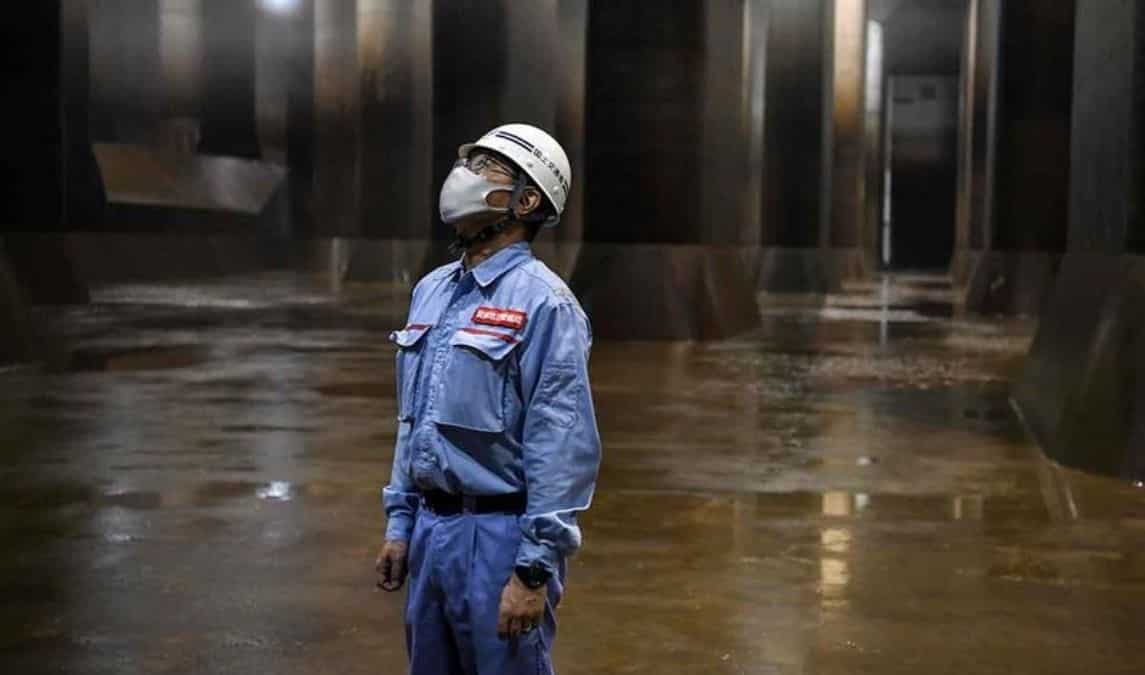
Constant alert
Staff at the facility in Saitama, north of Tokyo, are on constant alert, especially during Japan's rainy and typhoon seasons from June to late October. "In this area, torrential rain, typhoons and even daily rainfall can cause damage by submerging houses and roads," the site's chief, Nobuyuki Akiyama said. The reservoir has helped reduce the number of homes affected by water damage in nearby areas by around 90 percent, he said.
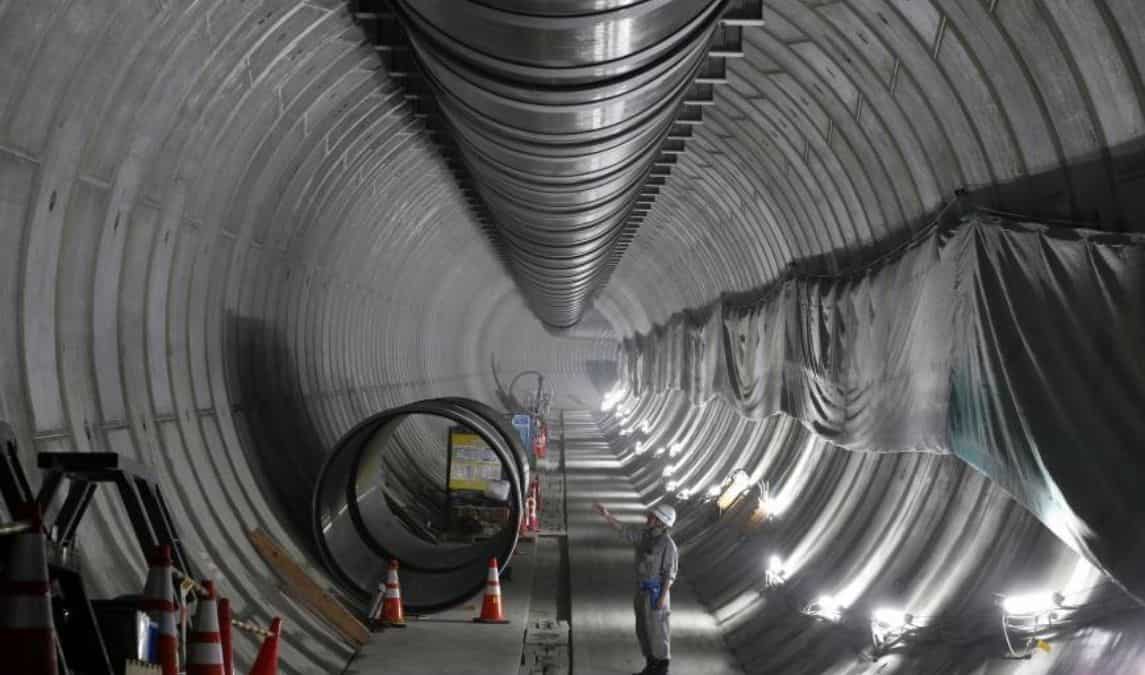
Underground reservoirs and flood tunnels
In Tokyo alone - a city cut through by more than 100 rivers - there are 10 other underground reservoirs and three flood tunnels, and more flood-protection structures are being built. And in western Japan's Osaka, a flood facility similar to the Kasukabe reservoir is being built at a cost of 366 billion yen ($3.5 billion). Construction is scheduled to finish in 2044.
Accepts visitors
The Kasukabe system accepts visitors when it isn't in use, in part to promote the importance of disaster management. "This underground facility is great but it's only one defence measure," Toru Tamai, a 79-year-old pensioner who attended a recent tour, said. "I live on low ground, so floods are a clearer and more present danger than any other natural disasters," he added. "In the end, you can't count on anyone but yourself."
)

)
)
)