UNBROKEN: As Putin visits India, here are at all the times Russia and India stood by each other, from Soviet era till now

India–Russia ties, developed since the Soviet era, continue to be one of the most stable strategic partnerships in the world. It is shaped by cooperation in defence, energy trade, and mutual diplomatic support. Here is a detailed look
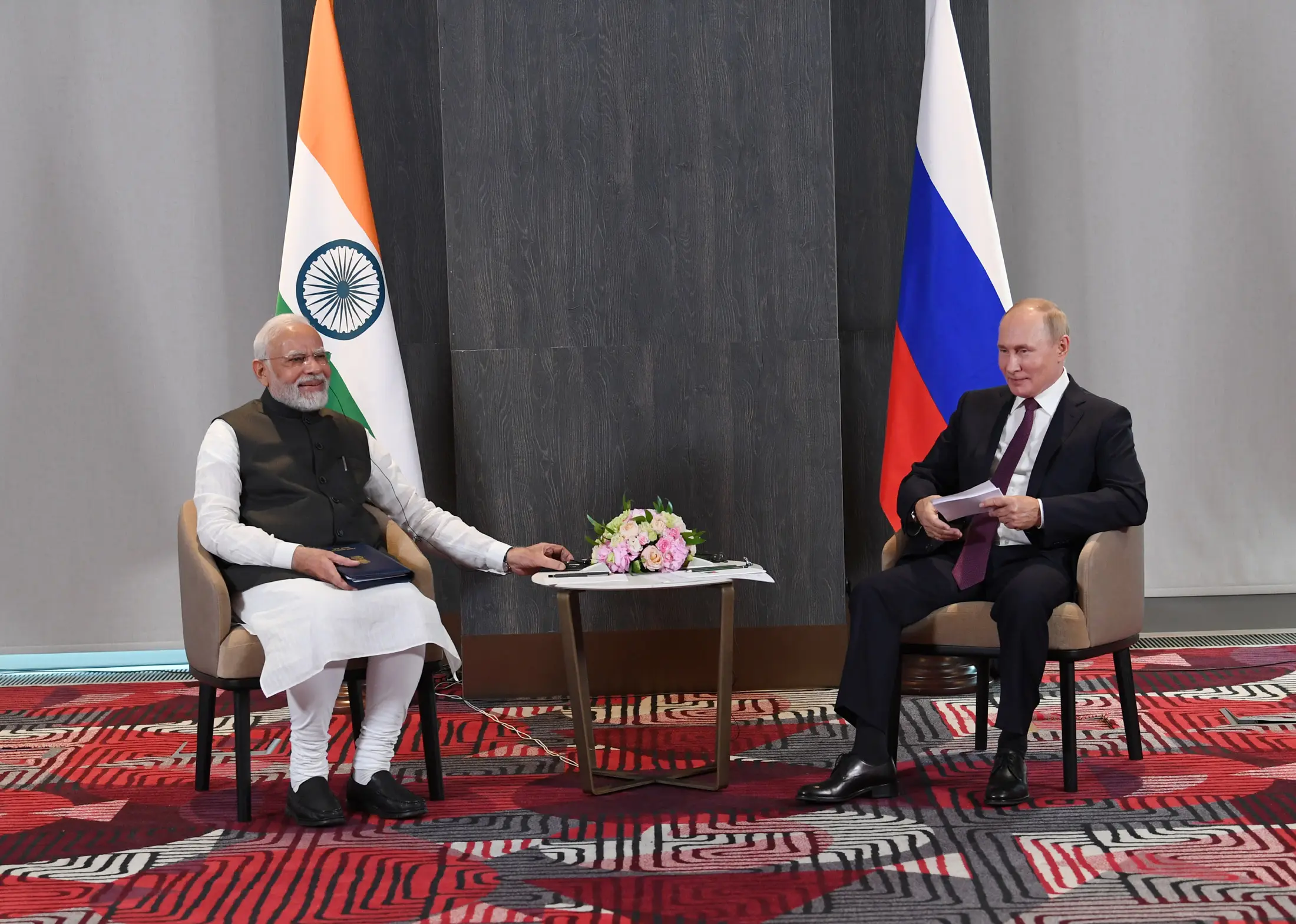
A time-tested partnership
India–Russia relations date back to the Soviet Union era and remain one of the world’s most stable partnerships. Built on mutual needs, shared geopolitical interests, and consistent diplomatic and defence support, the relationship remained strong even after the Soviet Union’s collapse. Here are the key moments that shaped this special and privileged strategic partnership.
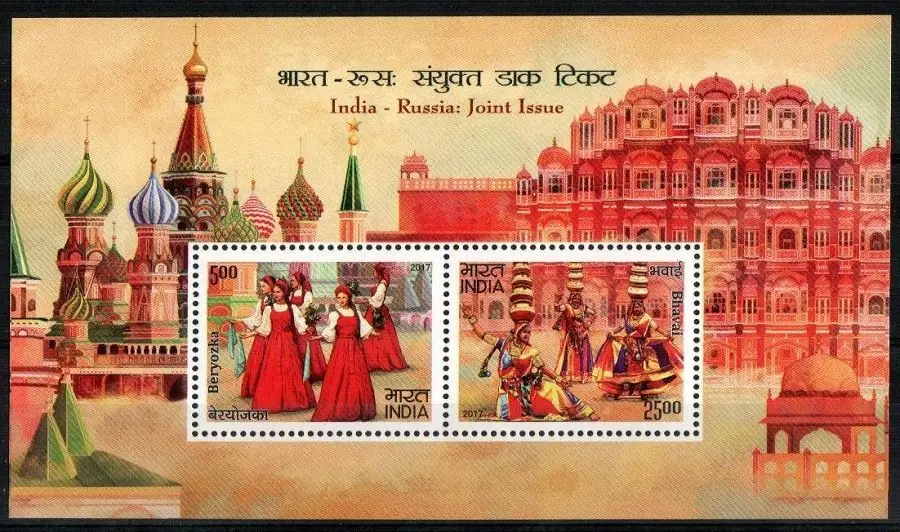
India's Cold War neutrality and the Non-Aligned Movement during the Soviet era
The USSR became India's reliable partner even as New Delhi adopted a non-aligned policy, refusing to be part of either the Western bloc led by the US or the communist bloc led by the Soviet Union at the height of the Cold War. The USSR provided economic and industrial aid to India, from steel plants to technology hubs. India refused to openly condemn the Soviet invasion of Afghanistan in 1979 even as it expressed diplomatic concerns.
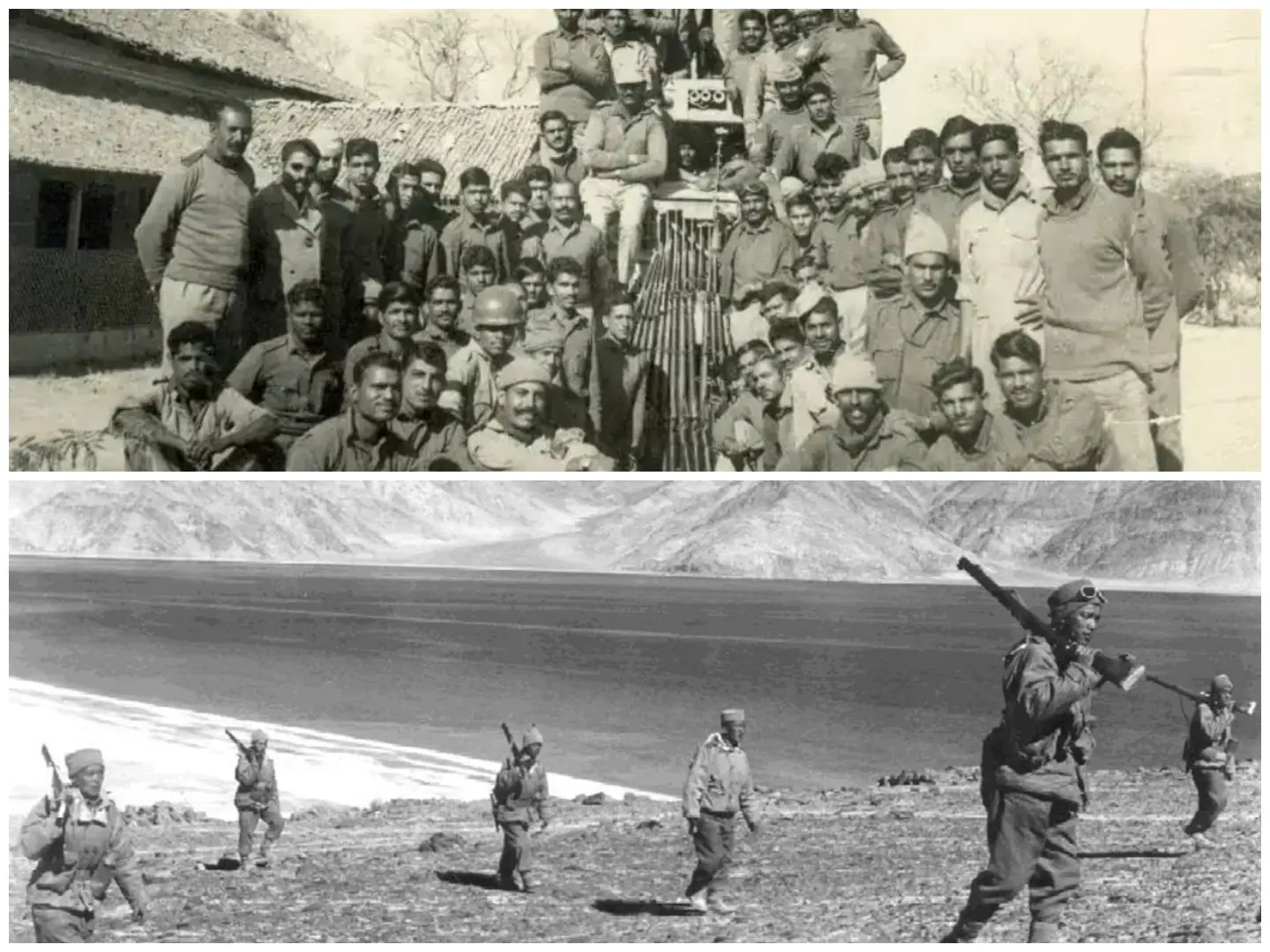
Soviet Union had strong ties with India during 1962 Sino-Indian War and the 1971 Bangladesh Liberation War with Pakistan
Though it was leading the communist bloc during Cold War, the USSR refused to support communist China during the 1962 Sino-Indian war, maintaining neutrality and ultimately favouring India. The Indo-Soviet Treaty of 1971 - signed in the same year as Indo-Pak war that led to the liberation of Bangladesh - ensured USSR's continued political and strategic backing of India. Russia vetoed UN resolutions against India, and made naval counter-moves against US and UK fleets supporting Pakistan. On numerous occasions, the USSR used its UN Security Council veto power to block anti-India resolutions, especially on Kashmir, helping India resist international pressure.
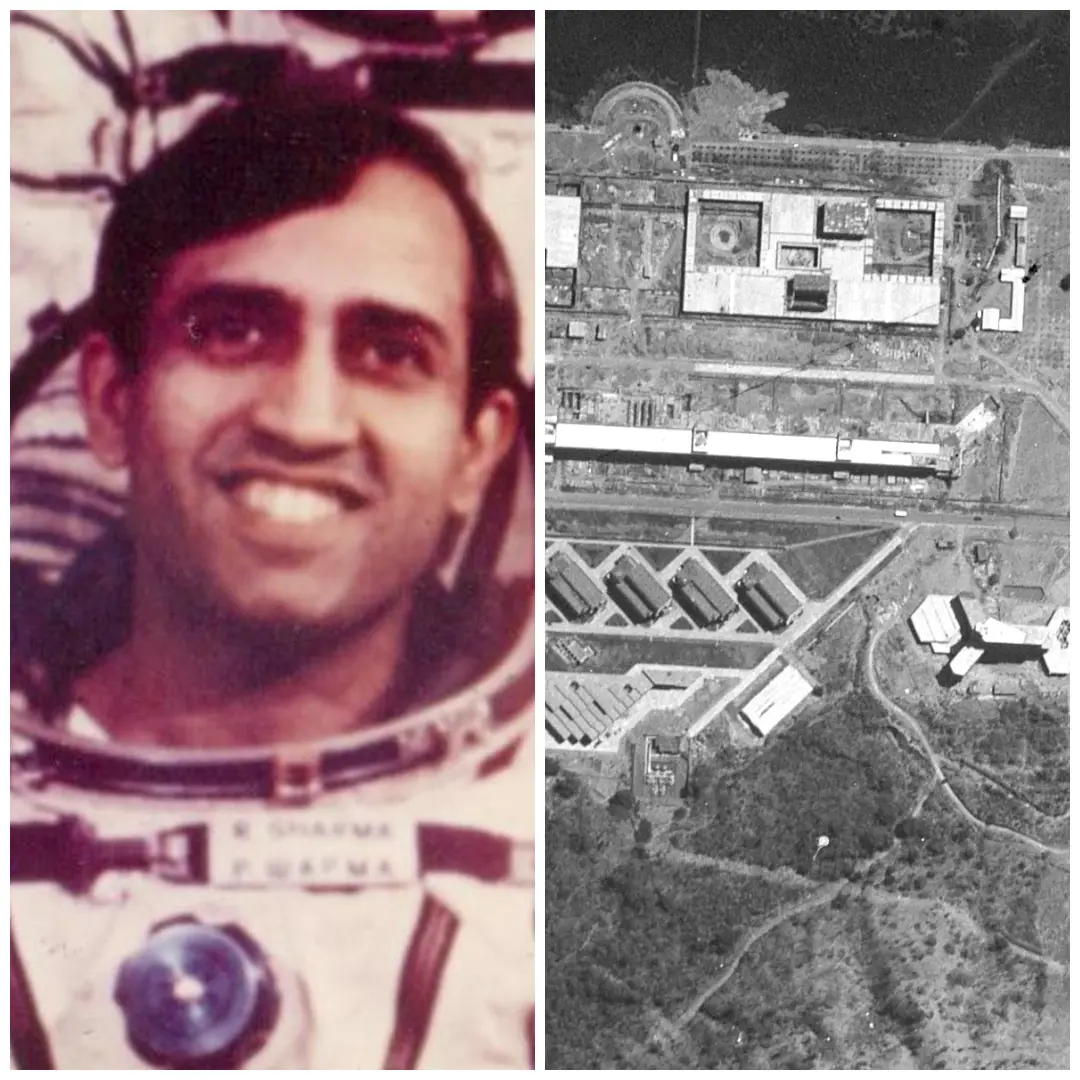
Soviet Union's support for India’s space and nuclear programmes
After the 1974 nuclear test in Pokhran, India was sanctioned by Western powers. But the USSR provided heavy water, fuel-cycle aid, and technical support to help India keep afloat its nuclear programme. In space exploration, the Soviet Union helped India with critical rocket and cryogenic technology, forming the fundamental core of India’s space power. The USSR launched India's first satellite Aryabhata in 1975, and trained Rakesh Sharma (in picture) in 1984 to become the first Indian astronaut in space.
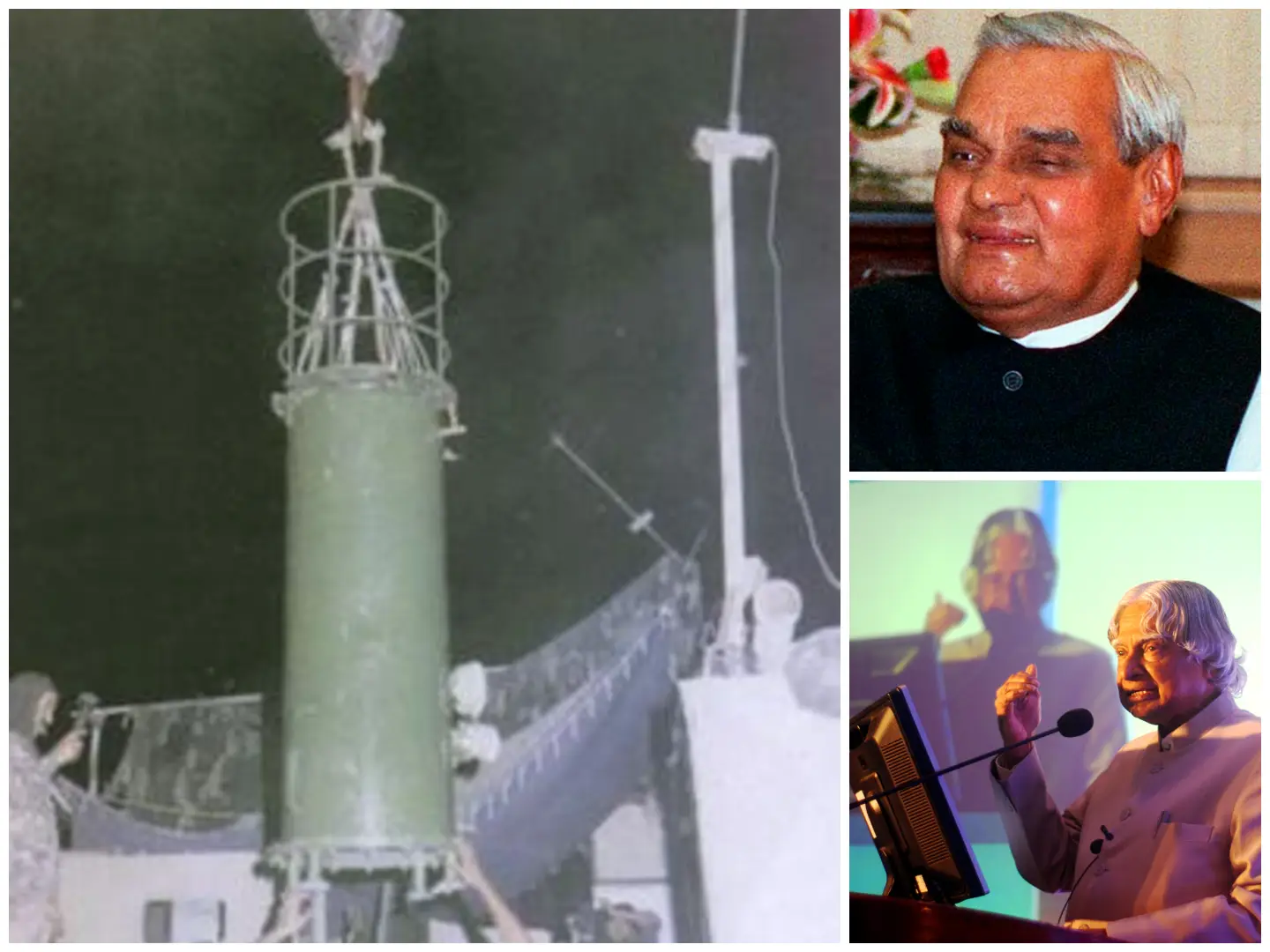
Post-Soviet era: Russia's continued strategic support to India, from Pokhran II to Kargil war and more
After the Pokhran-II nuclear tests in 1998, Russia refused to join US-led sanctions against New Delhi, and kept up its full defence and technological cooperation with India. During the 1999 Kargil War with Pakistan, Russia backed India diplomatically, calling Pakistan the aggressor. India and Russia signed the Strategic Partnership in 2000, which was upgraded in 2010 and formalised into a long-term defence, nuclear, and energy collaboration.
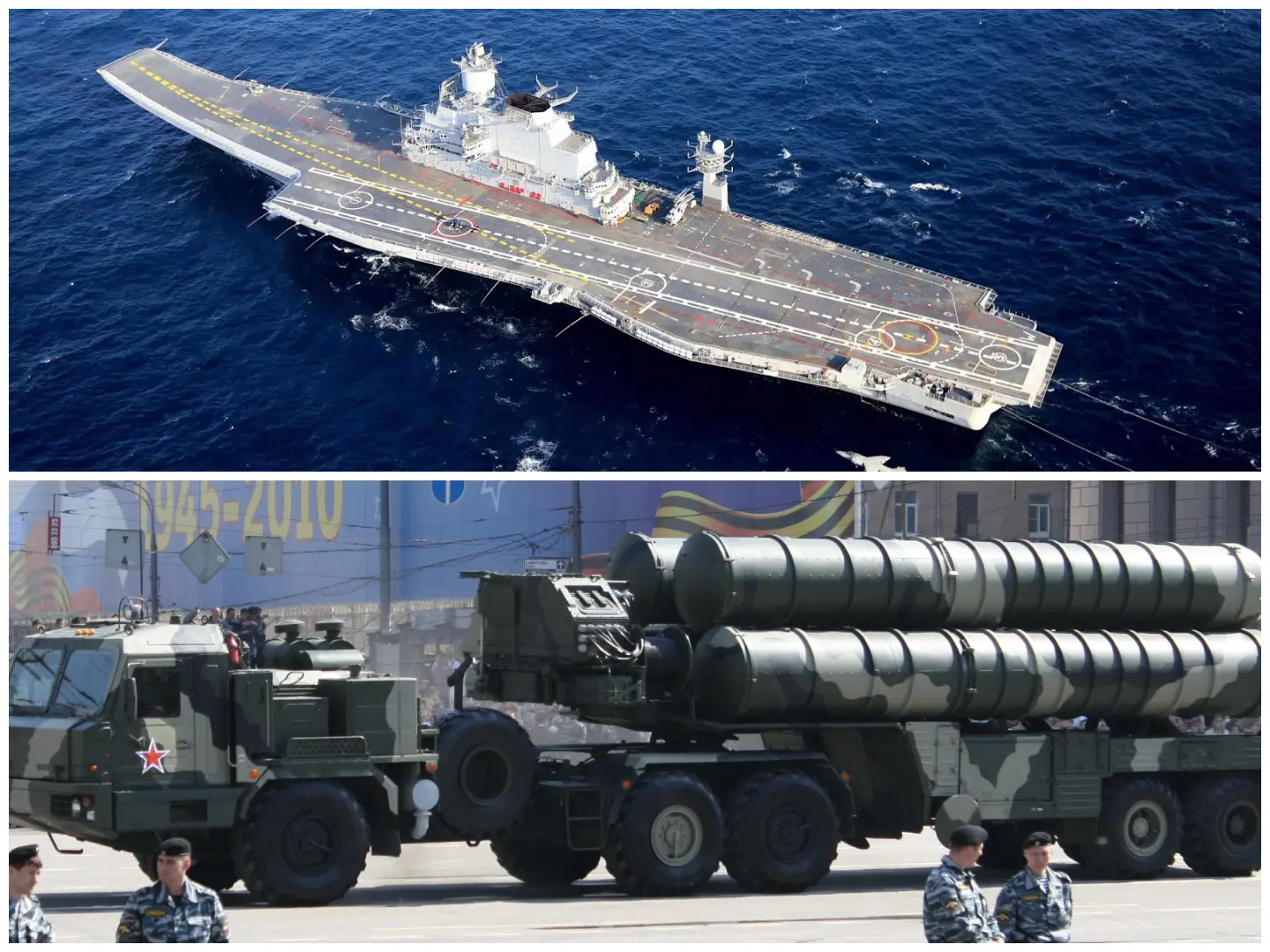
From Mig to S-400 and more: India-Russia defence ties continued to grow beyond the Soviet era
By the Cold War’s end, up to 85 per cent of India’s military equipment came from the USSR, from fighter jets to naval assets. The defence trade was at concessional rates for India, along with technology transfer and rupee–rouble transactions that was to New Delhi's advantage. Russia delivered the S-400 air defence system despite US pressure through legislation like CAATSA. The defence cooperation included the development of the BrahMos missile and AK-203 gun production.
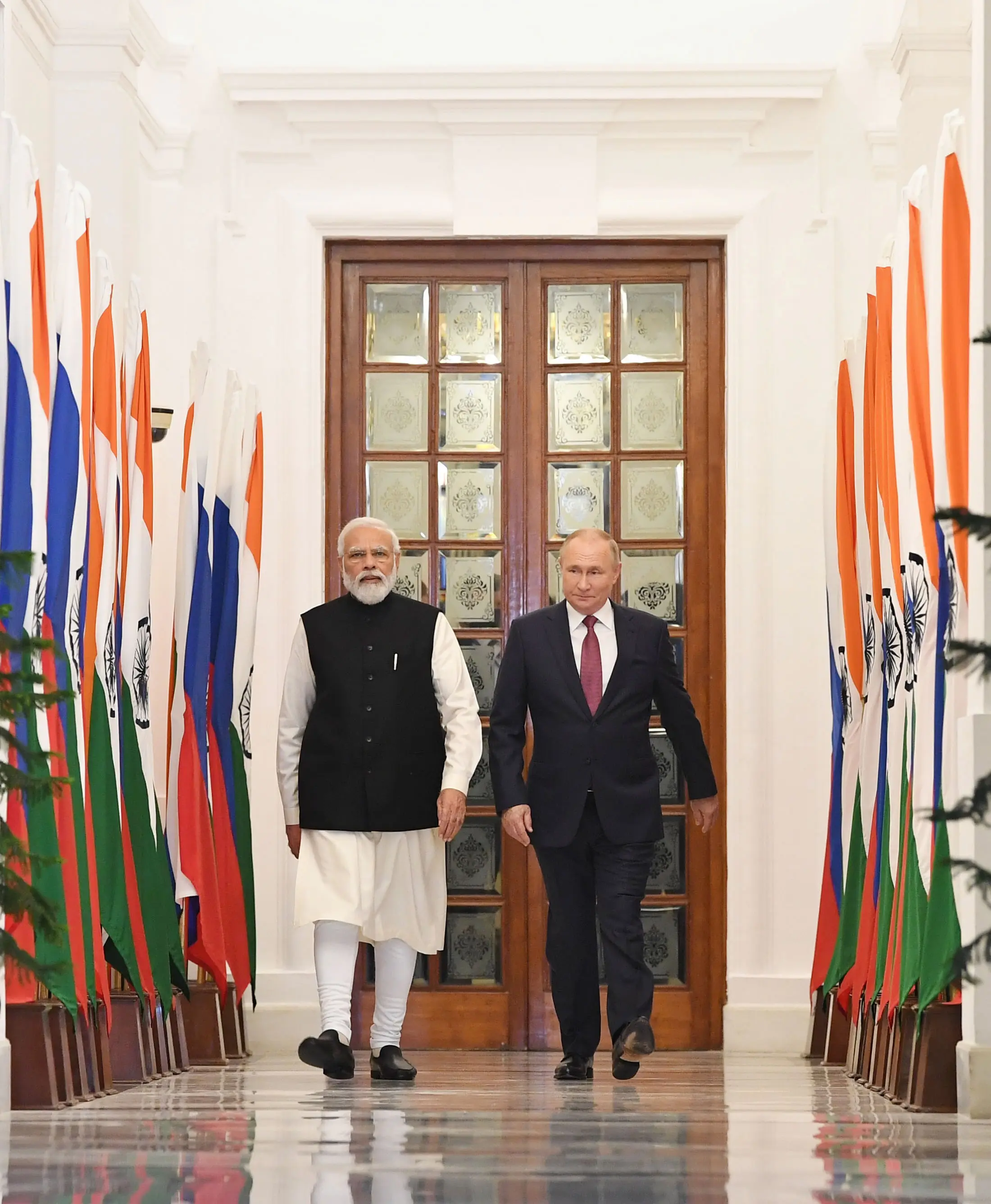
India's neutral stance on Russian military operations in Crimea and Ukraine
India avoided criticising Russia directly in 2014 after it annexed Crimea and after the 2022 Ukraine invasion. India has abstained from voting on most of the UN Security Council resolutions against Russia. In what could be called a diplomatic tight-rope walk, India continued its energy trade with Russia despite Western pressure and tariff punishments from the US.
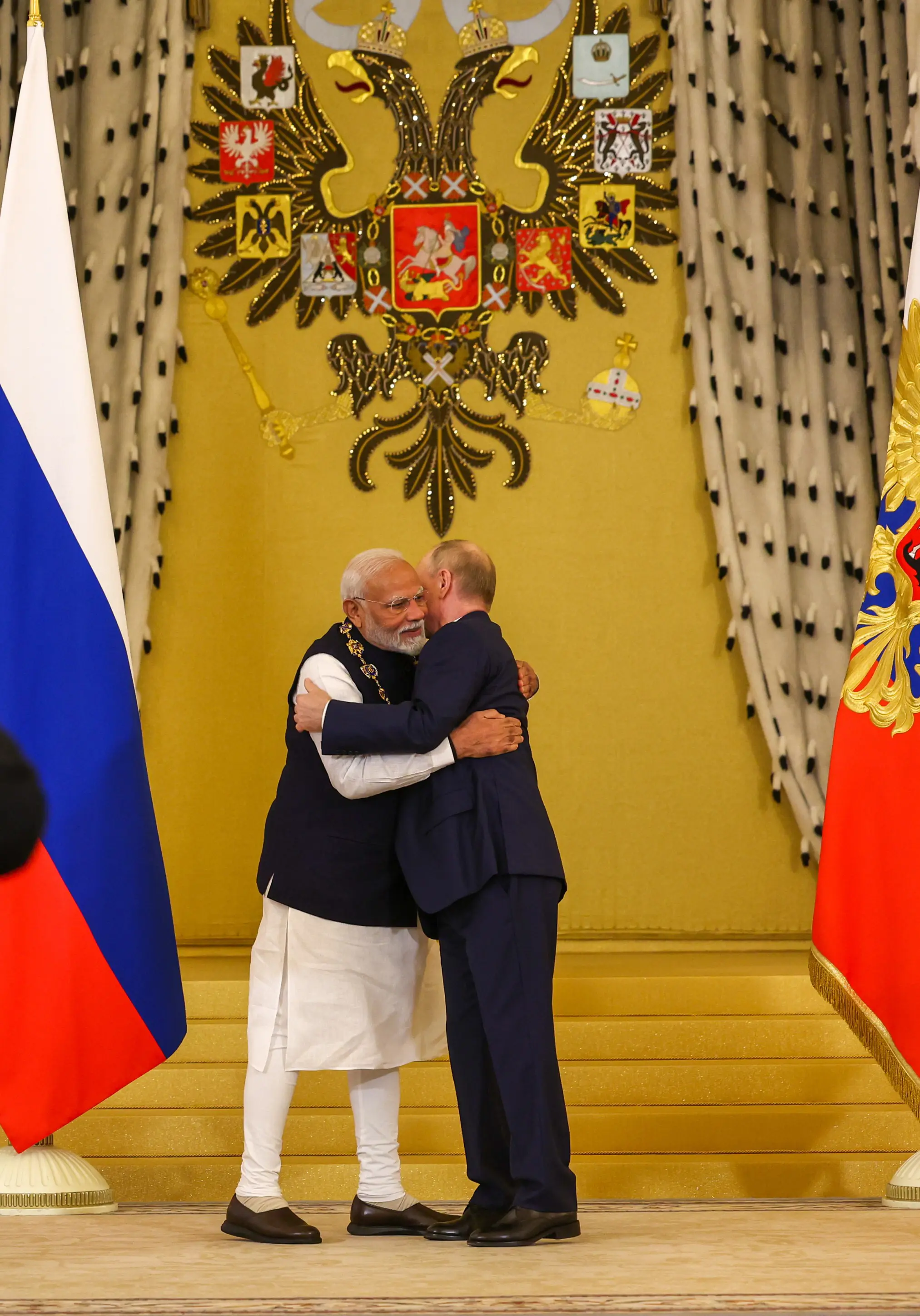
India's strong stance on buying Russian oil and continuing nuclear cooperation
Russian oil purchases by India rose from 1 per cent to about 40 per cent of seaborn crude imports after 2022, when the Ukraine war started. The trade continued despite sanctions and threats from European nations and the US. Besides this, Russia continued to deliver on major defence and nuclear power commitments to India, including work at Kudankulam nuclear power plant, and the S-400.
)
)
)
)
)