Ultimate warship? How next-generation nuclear-powered supercarrier INS Vishal is set to redefine India’s naval power

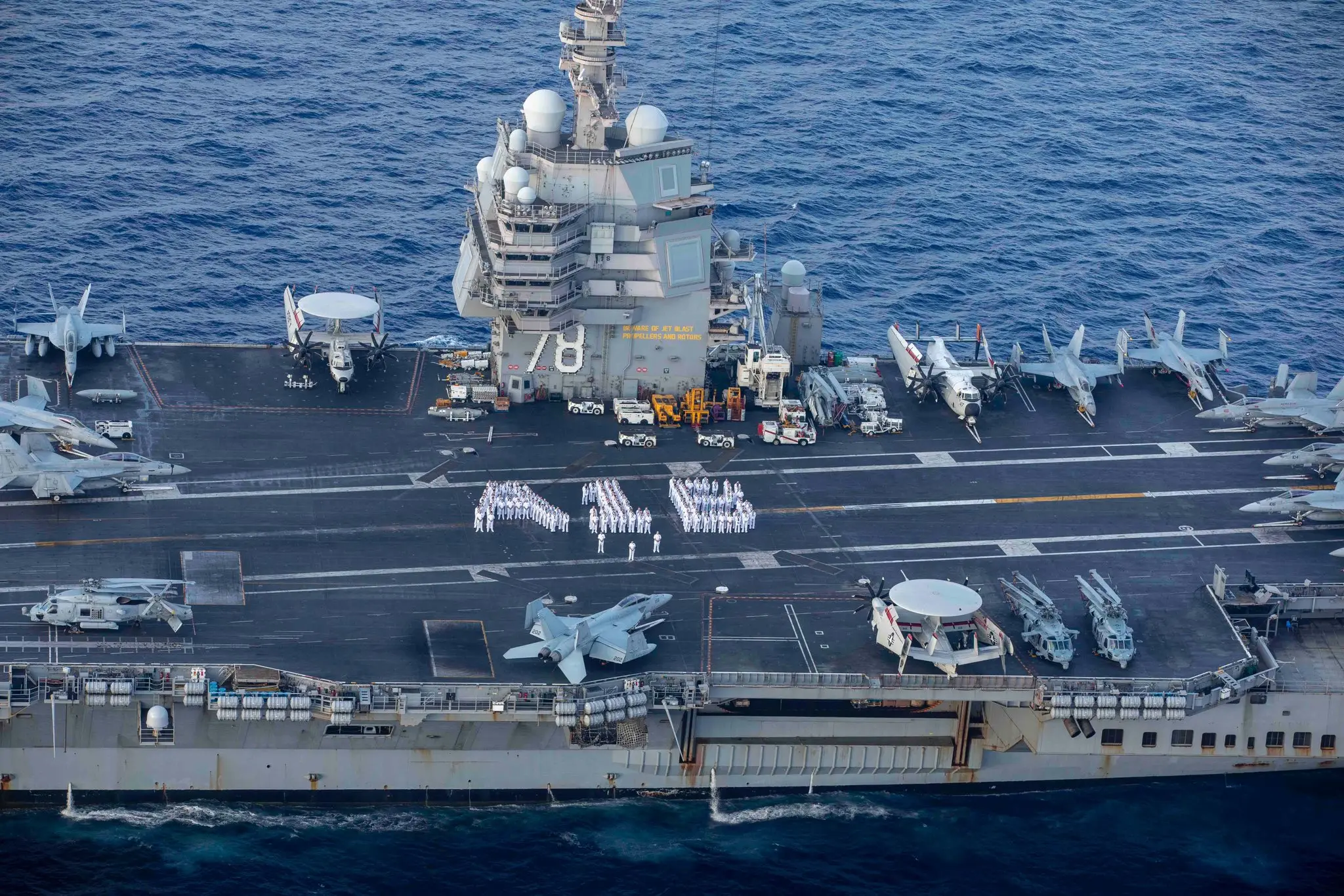
The Indian government is planning 65,000-tonne INS Vishal (IAC-III), a next-generation nuclear-powered supercarrier, intended to bolster maritime dominance with CATOBAR (Catapult Assisted Take-Off But Arrested Recovery) and electromagnetic launch systems to match global supercarriers.
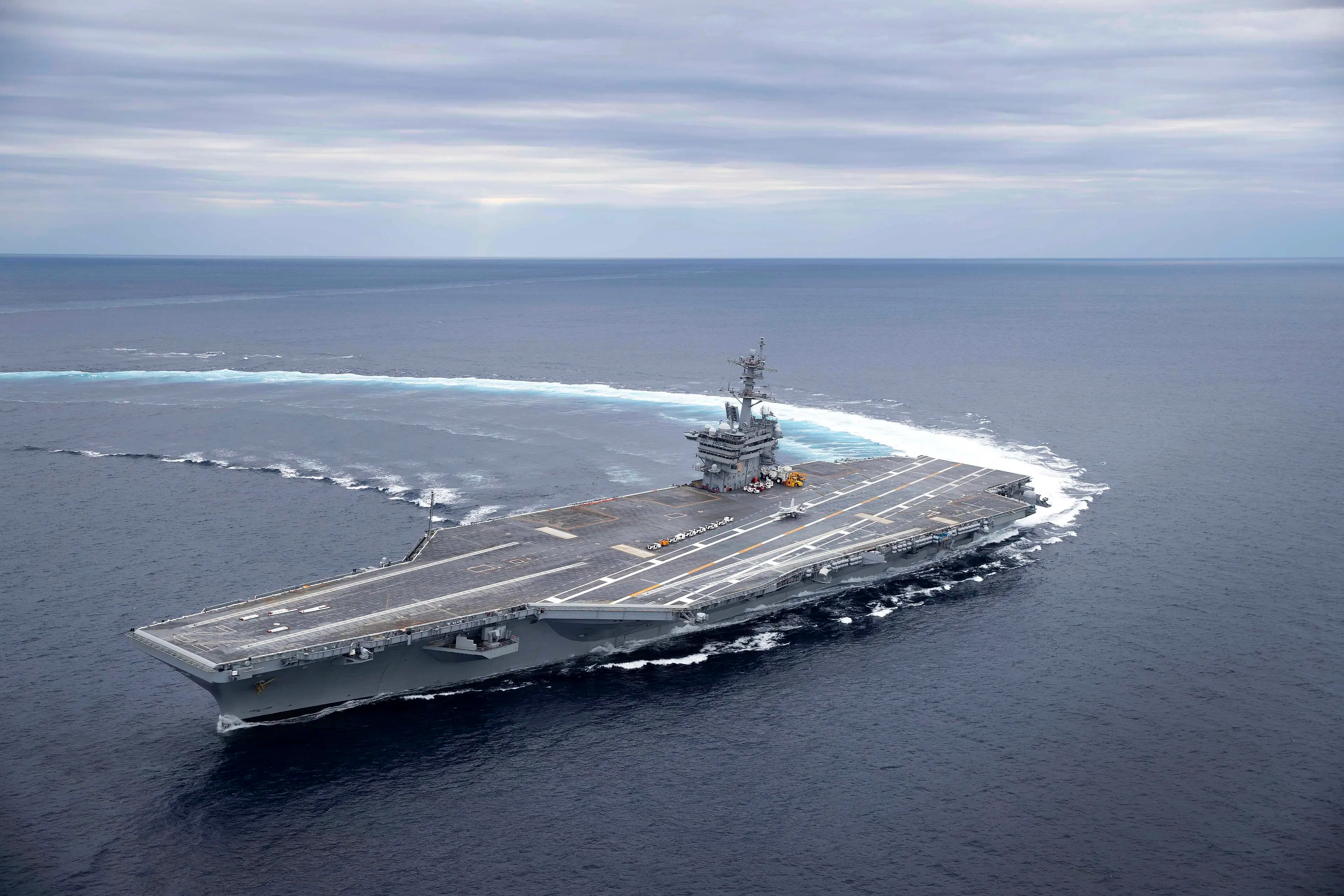
INS Vishal (IAC-III)
Over the past few decades, amid rising security concerns, the Indian Navy has focused more on developing indigenous platforms, systems, sensors, and weapons to modernise and expand its maritime forces. To provide the Indian Navy with unlimited endurance and enable it to stay stationed in deep-sea "choke points" for longer, the government is planning another Make in India next-generation nuclear-powered supercarrier, INS Vishal (IAC-III). The aircraft carrier will be powered by a nuclear reactor (aiming for the 500–550 MW range), which will allow the carrier to remain at sea for months without refuelling.
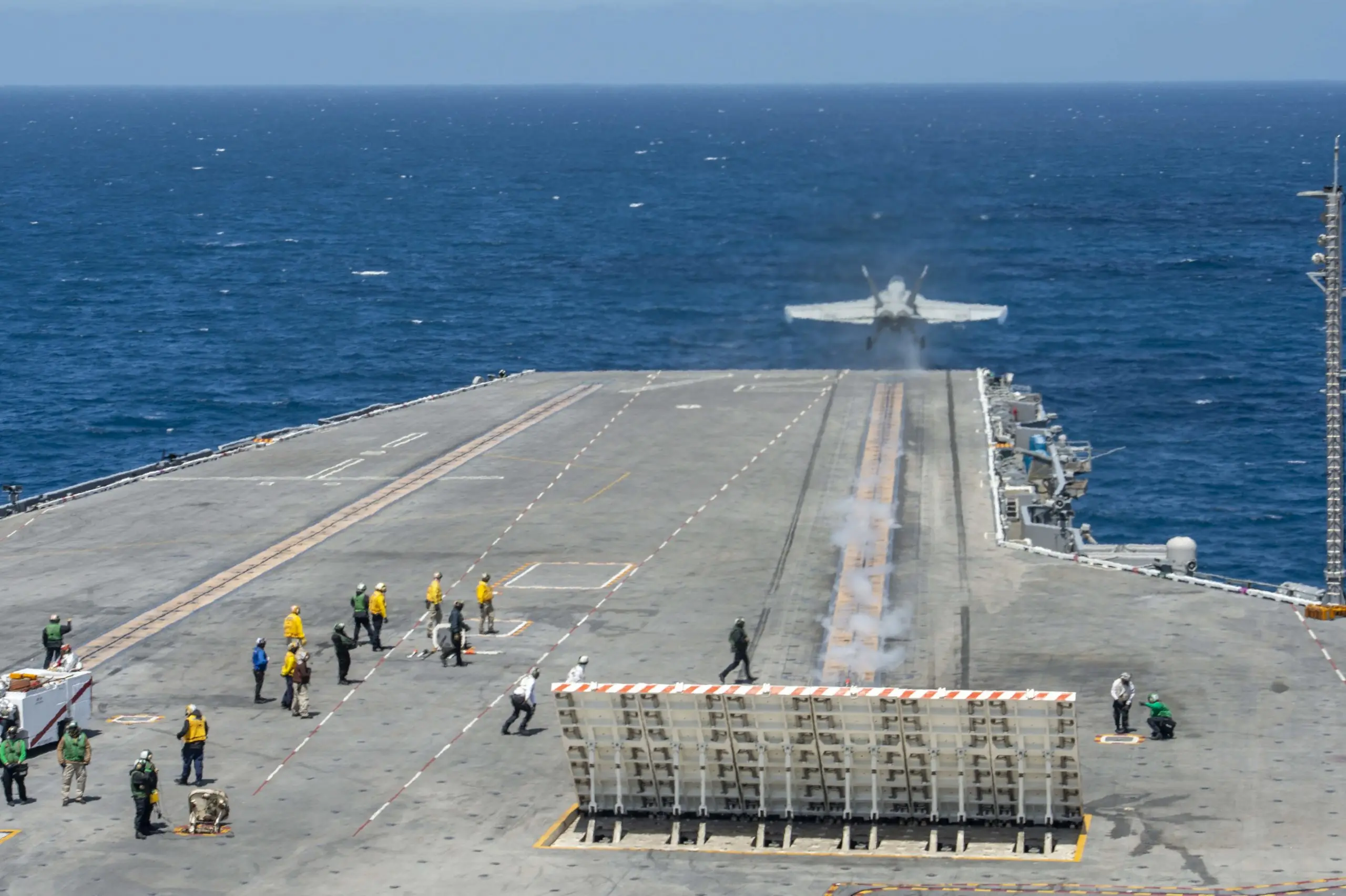
65,000–70,000 ton vessels by 2030s
The Indian Navy and Defence Research and Development Organisation (DRDO) are developing to advance the design phase of a 65,000–70,000 ton vessel, refining concepts around CATOBAR operations, manned–unmanned teaming, and integrated propulsion. While formal construction approval is still pending, the project is being built to strategically position itself in order to ensure India sustains a three-carrier fleet into the 2030s, counterbalancing regional developments, especially targeting the rapid naval expansion of China.
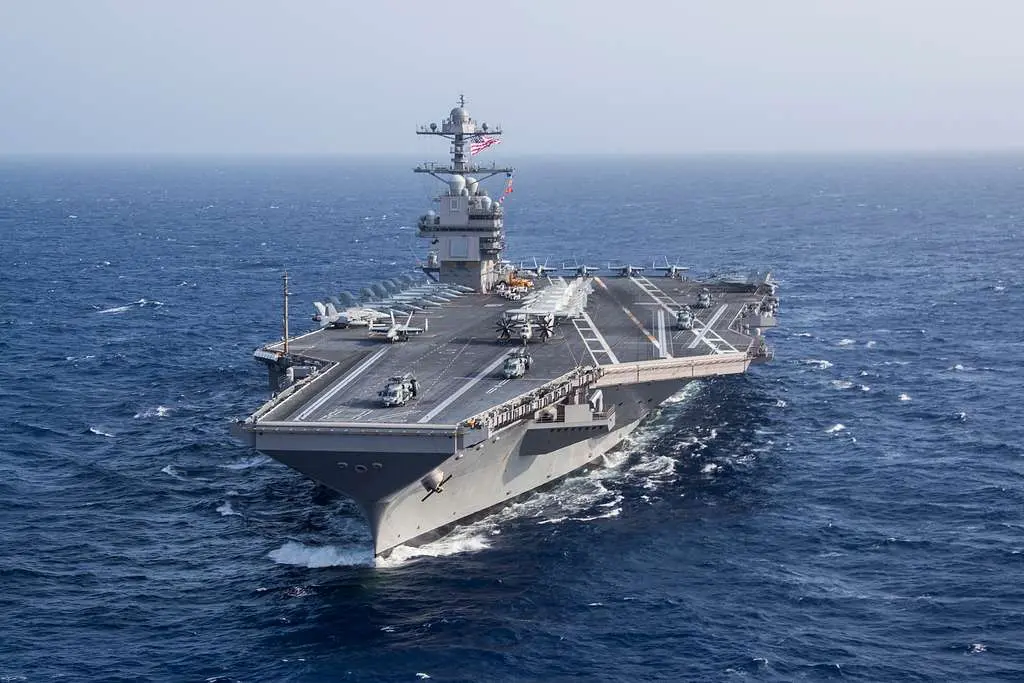
CATOBAR launch systems
The nuclear-powered aircraft carrier shows a decisive departure from the STOBAR configuration of INS Vikramaditya and INS Vikrant, adopting CATOBAR launch systems that would enable heavier aircraft, airborne early warning platforms, refuelling assets, and long-endurance unmanned combat aerial vehicles. CATOBAR systems allow the carrier to launch much heavier aircraft, including fully fueled fighters like the Rafale M or TEDBF, and critical Airborne Early Warning & Control (AEW&C) platforms. This shift levels the playing field with China's Fujian (Type 003) and the US Gerald R. Ford-class, giving India superior aerial strike and surveillance depth.
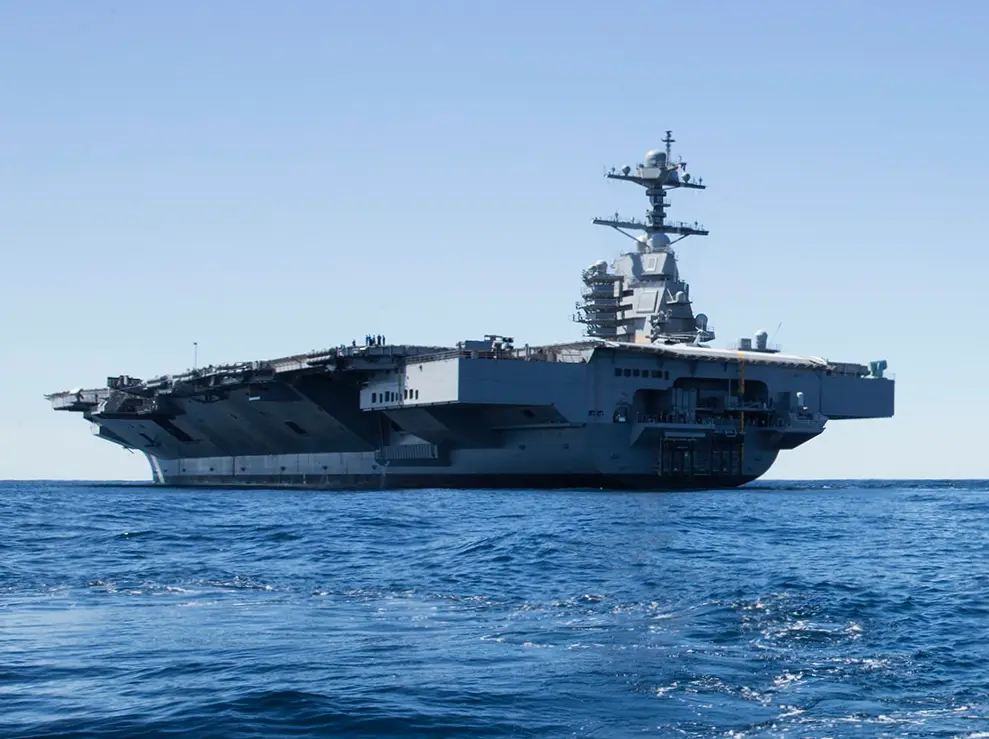
Manned-Unmanned Teaming (MUM-T) Capability
As of April 16, 2026, the DRDO has advanced the integration of Manned-Unmanned Teaming on the IAC-III platform. INS Vishal is being designed as a mothership for a hybrid air wing, where piloted jets work alongside autonomous stealth drones like the Ghatak UCAV. This "Ghost Fleet" capability allows the Navy to conduct high-risk deep-strike missions and persistent 36-hour surveillance without risking human pilots.
Technological Sovereignty and Industrial Leap
INS Vishal will act as a catalyst for technological sovereignty. The project will involve developing indigenous Integrated Full Electric Propulsion (IFEP) or maritime nuclear reactors through BARC, alongside EMALS components via BEL and i-TEK. This isn't just a ship; it is a massive industrial ecosystem. By building a 70,000-ton supercarrier locally, India will achieve an "extreme" leap in heavy engineering and digital manufacturing, fulfilling the Maritime India Vision 2030 and reducing long-term reliance on foreign defence giants.
)
)
)
)
)