'First time ever': UK takes stand against US, as Starmer rejects Trump's Hormuz blockade

British Prime Minister Keir Starmer has flatly rejected joining the US naval blockade of the Strait of Hormuz, declaring ‘we are not getting dragged in’ to the Iran-US war, while announcing UK minesweepers will be deployed to help reopen the strategic waterway.
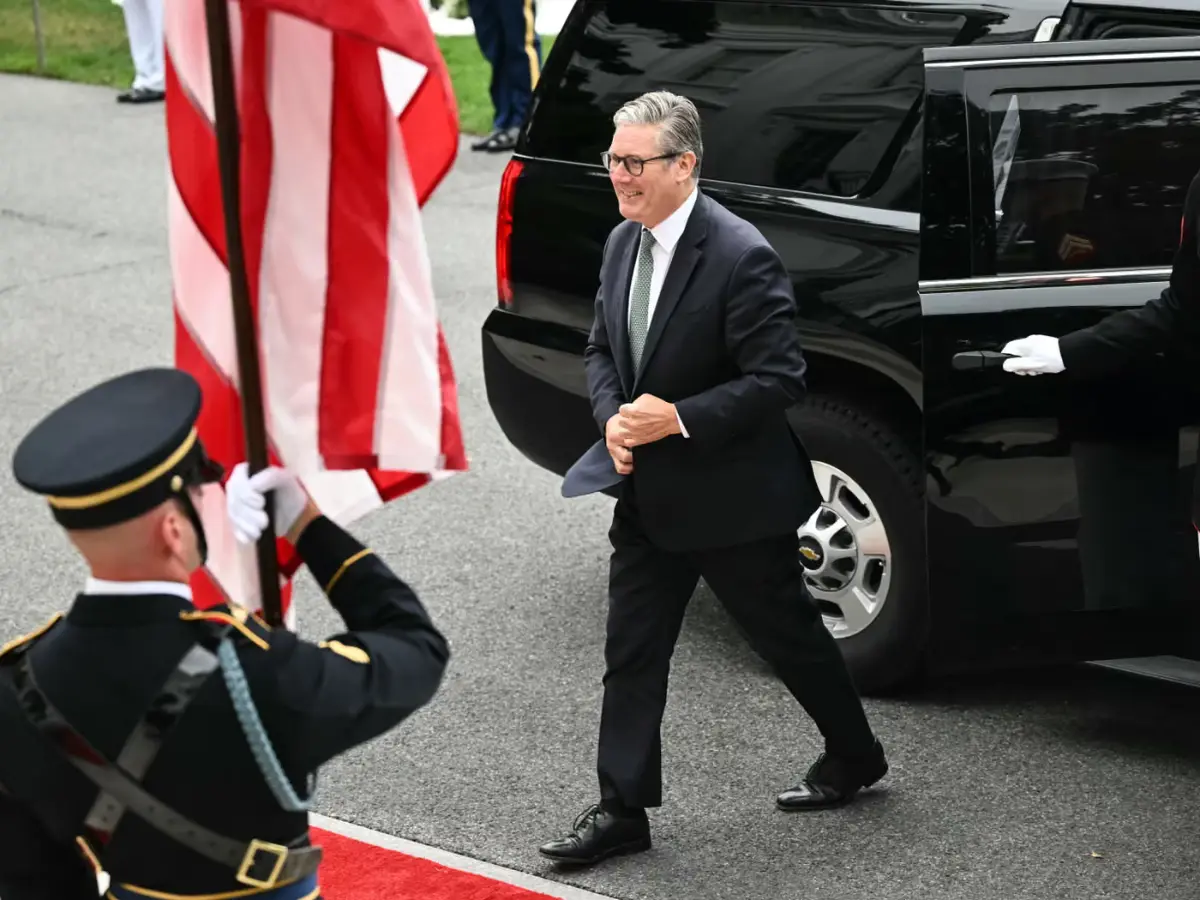
Starmer: UK Will Not Join US Blockade Of Strait Of Hormuz
British Prime Minister Keir Starmer told BBC Radio on April 14 that the United Kingdom would not support or participate in the US naval blockade of the Strait of Hormuz, stating clearly: ‘We are not supporting the blockade’ and that Britain ‘is not getting dragged in’ to the US-Israel war on Iran. Starmer drew a firm line between British support for regional security operations and active participation in blocking Iranian ports, distancing London from Washington's escalatory move and signalling a significant transatlantic rift.
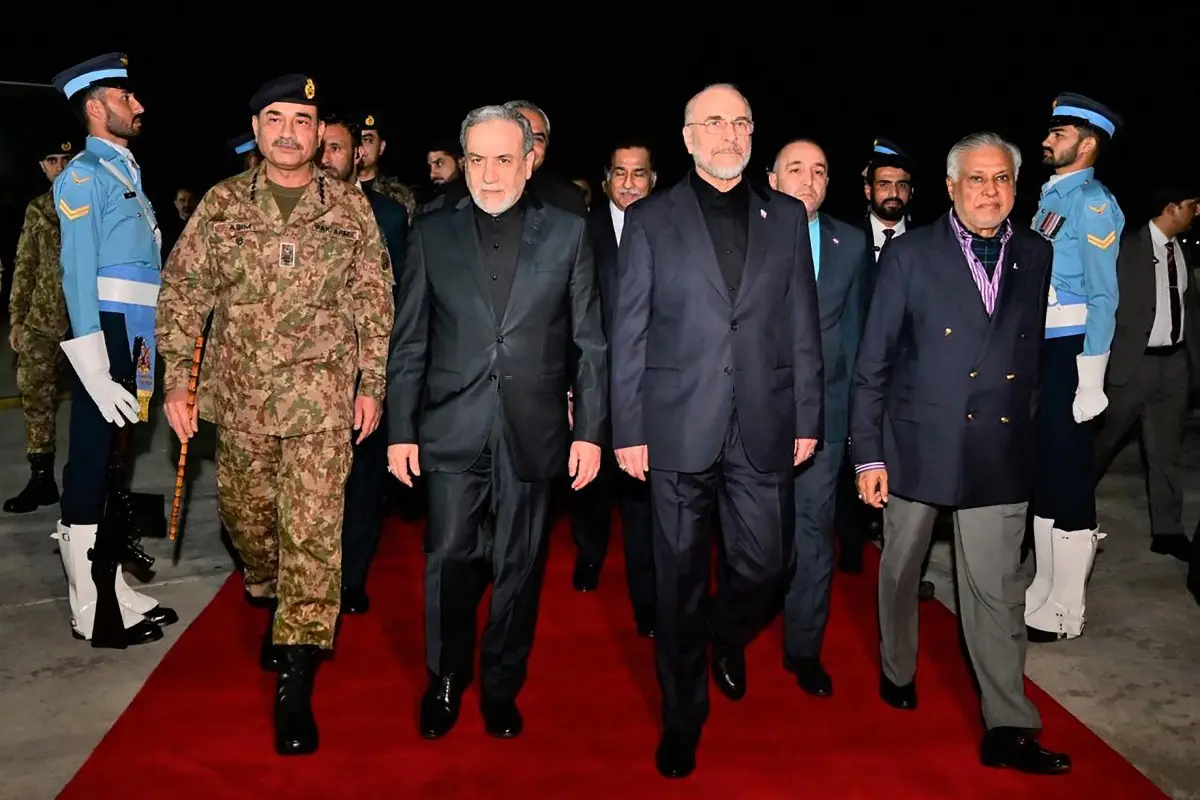
UK To Deploy Minesweepers And Anti-Drone Systems In Hormuz
Despite rejecting the US blockade, Starmer confirmed that British naval assets, including minesweepers and anti-drone systems, would continue operating in the Strait of Hormuz region. The deployment is focused on clearing Iranian naval mines laid during the conflict and protecting freedom of navigation rather than enforcing the blockade. This nuanced position allows the UK to contribute to de-escalation and shipping safety without directly confronting Iran or endorsing Trump's unilateral enforcement action.
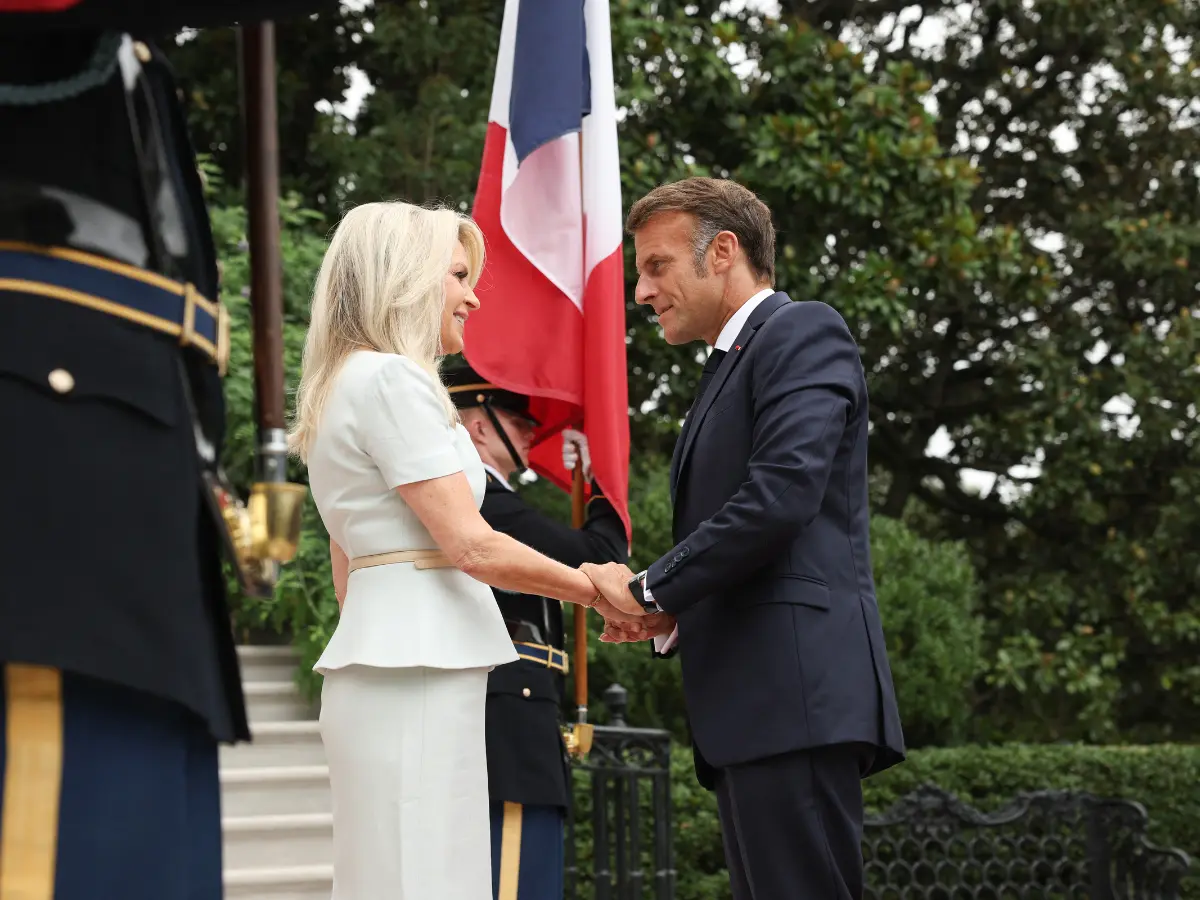
UK-France Summit This Week To Build Global Coalition For Hormuz
In a coordinated announcement, Starmer and French President Emmanuel Macron declared they would jointly convene a summit of world leaders this week to drive an international effort to reopen the Strait of Hormuz and push for a ceasefire in the Iran-US war. A senior NATO military official confirmed to CBS News that the UK is leading planning efforts for a coalition comprising more than 40 nations to restore freedom of navigation through the strait, positioning Britain as the anchor of a multilateral alternative to the American blockade strategy.
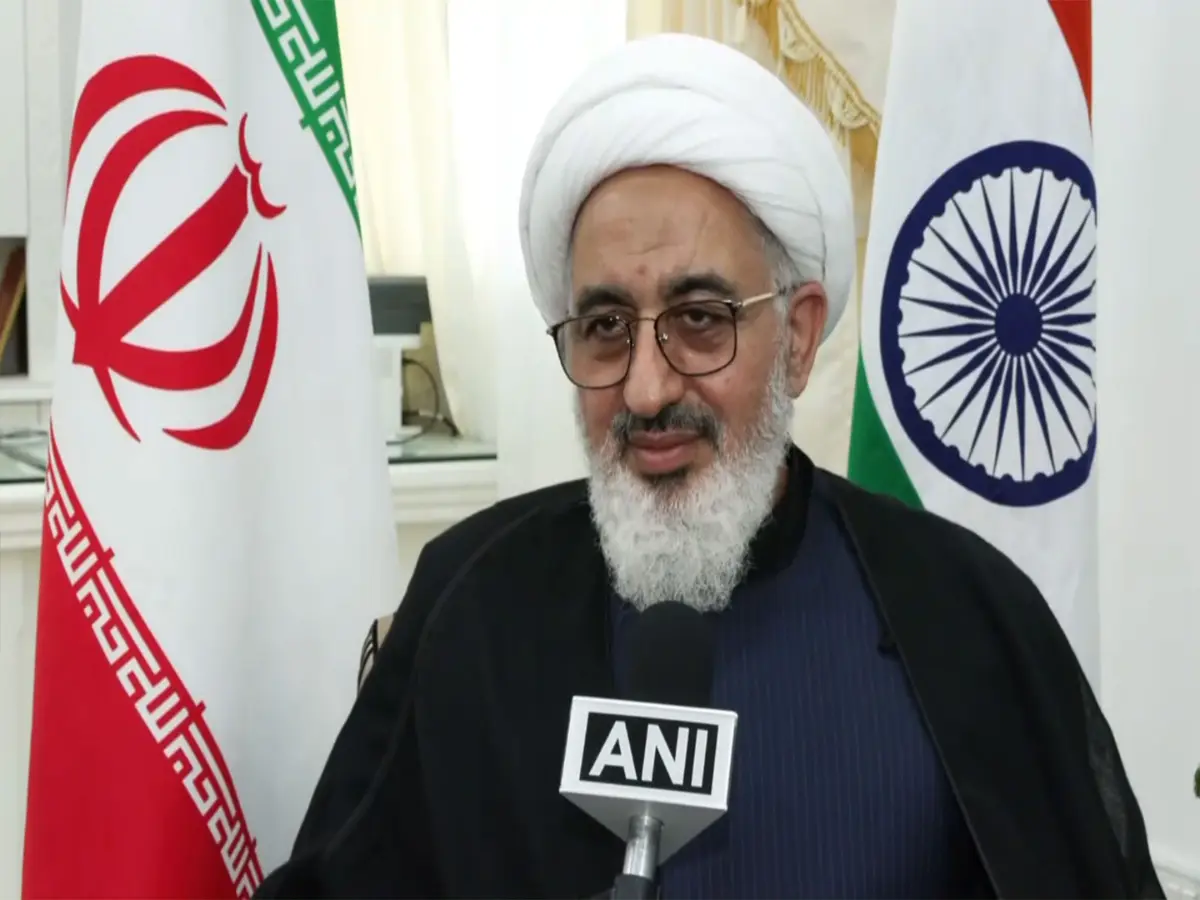
Iran Warns Of 'Decisive Response' To Any Aggression In Hormuz
Tehran responded defiantly to the blockade announcement, declaring it ‘will not allow any interference or aggression by US or other foreign forces’ in the Strait of Hormuz and vowing to respond decisively ‘to any aggressor, including Israel and the United States.’ Iran's parliamentary National Security and Foreign Policy Commission dismissed the blockade as ‘bluff rather than reality,’ while also asserting that a true blockade would constitute an act of war under international law, a position that underscores the dangerous legal and military ambiguity of the situation.
China Opposes Blockade, Calls For Diplomatic Resolution
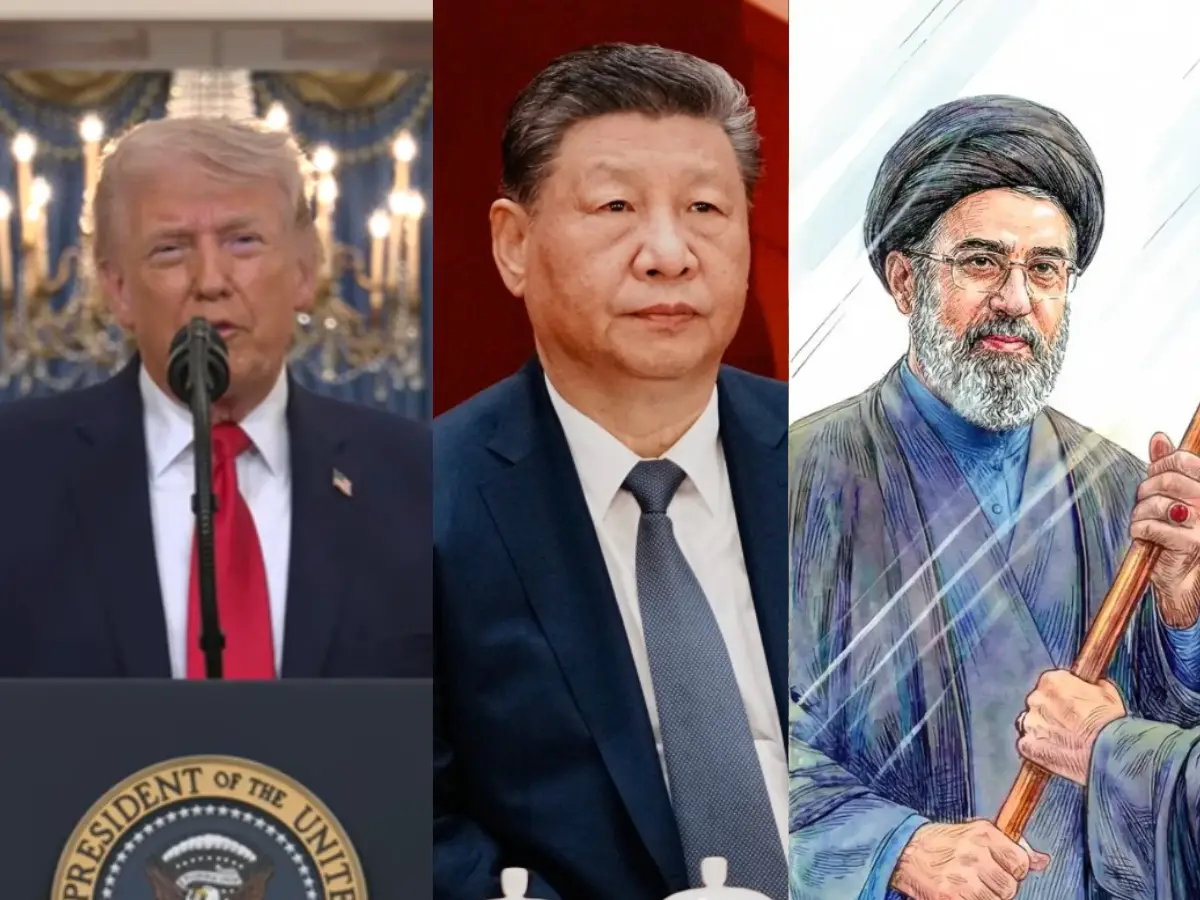
Chinese Foreign Minister Wang Yi strongly criticised the US naval blockade during diplomatic meetings in Beijing, stating that ‘blocking the Strait of Hormuz is not in the common interest of the international community.’ Wang called on world powers to intensify peace talks and pursue ‘a comprehensive and lasting ceasefire through political and diplomatic means.’ China's opposition adds major geopolitical weight to international resistance against the blockade, as Beijing relies heavily on Gulf oil flows through the strait for its energy needs.
Tankers Stall And Turn Back As Blockade Takes Effect
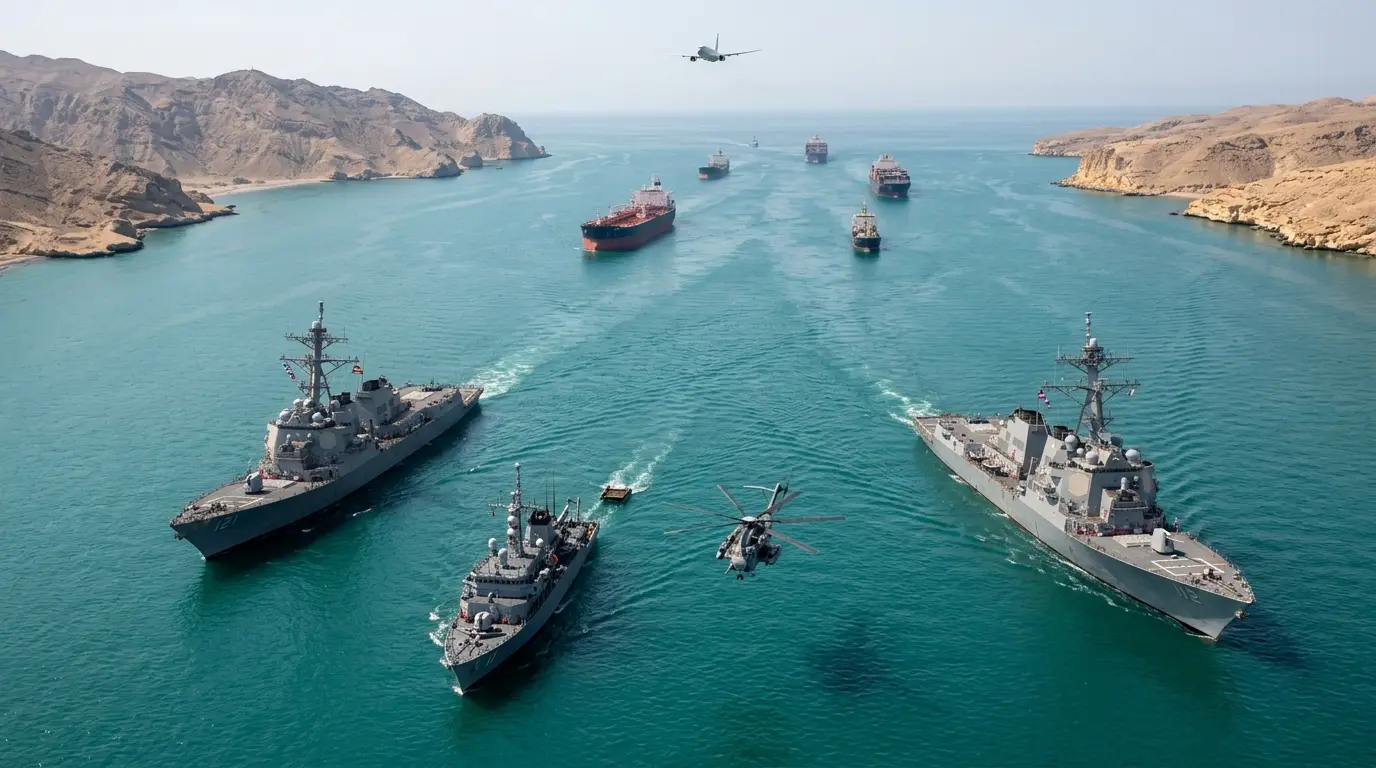
As the US blockade took effect at 14:00 GMT on April 14, immediate disruption to shipping was visible. A Botswana-registered oil tanker turned back while attempting to transit the strait, while another vessel, Rich Starry, broadcast a ‘drifting’ status off Qeshm Island, apparently stalling its voyage to avoid a confrontation with US naval forces. A false-flagged Chinese oil tanker, Ostria, also reversed course. The erratic movement of vessels signals deep uncertainty among global shipping operators about how the blockade will be enforced.
UN Warns Of Food Crisis As Oil Hits $102; Global Economy Under Strain
With Brent crude hovering around $102 per barrel, up 40% since the war began on February 28 and 12 million barrels per day cut from global supply, the economic fallout from the Hormuz crisis is accelerating. The UN Food and Agriculture Organization issued an urgent warning that a global food crisis could emerge if normal shipping traffic is not restored quickly, given the strait's critical role in moving not just oil but grain and fertilizer to Asia, Africa, and Europe. US gas prices have crossed $4.12 per gallon nationally, compounding domestic economic pressures on American consumers.
)
)
)
)
)