'Current developments...': UAE bans travel to Iran, Lebanon and Iraq: Here's why

The United Arab Emirates has banned citizens from traveling to Iran, Lebanon, and Iraq, urging those there to return amid rising regional tensions, as reports suggest Israeli air defense systems like Iron Dome may have been deployed in the UAE.
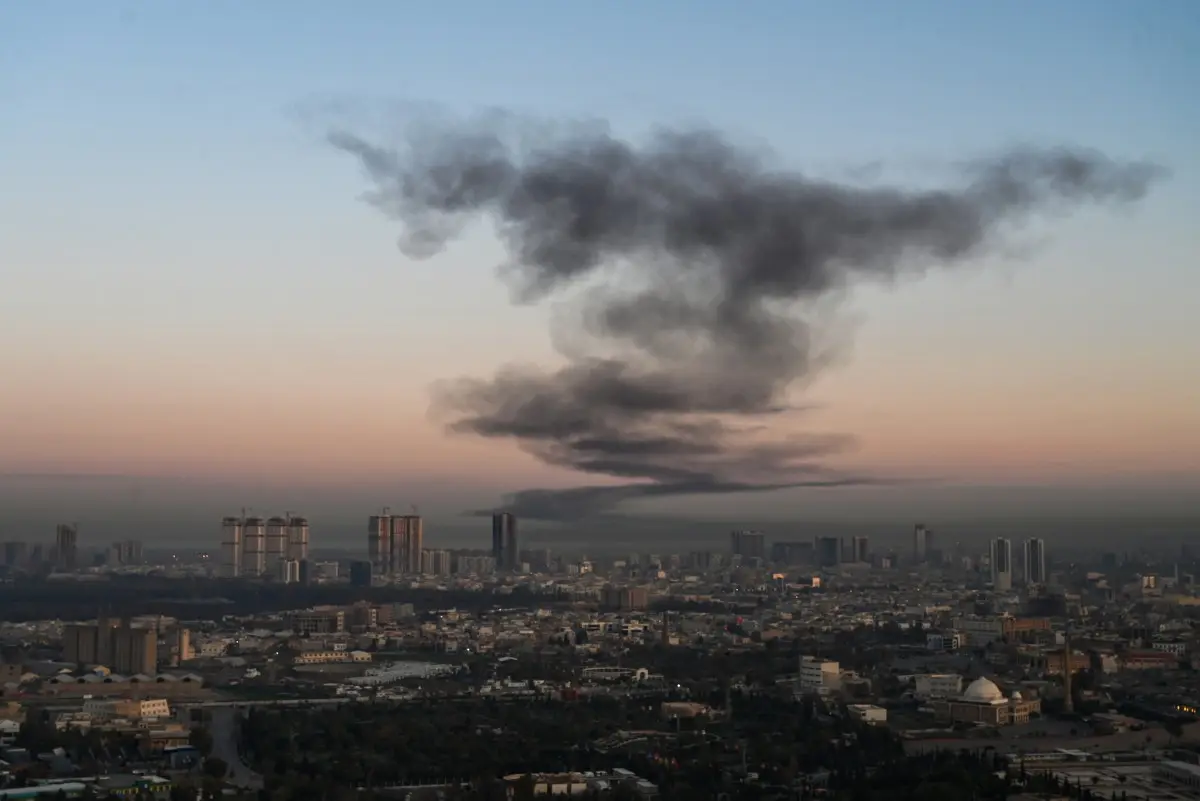
UAE issues travel ban
The United Arab Emirates (UAE) has banned its citizens from travelling to Iran, Lebanon and Iraq, and urged its national currently in those countries to leave immediately and return home, citing "current developments witnessed in the region.” The announcement was made in a foreign ministry statement on Thursday (Apr 30). The ministry urged citizens “currently present in these countries” to leave immediately and return to the UAE “at the earliest opportunity,” citing the government’s commitment “to monitoring the well-being of its citizens abroad and ensuring their safety.” “In light of the current developments taking place in the region, the Ministry of Foreign Affairs announces a travel ban for citizens of the United Arab Emirates to the Islamic Republic of Iran, the Lebanese Republic and the Republic of Iraq,” the UAE Ministry of Foreign Affairs posted on X.
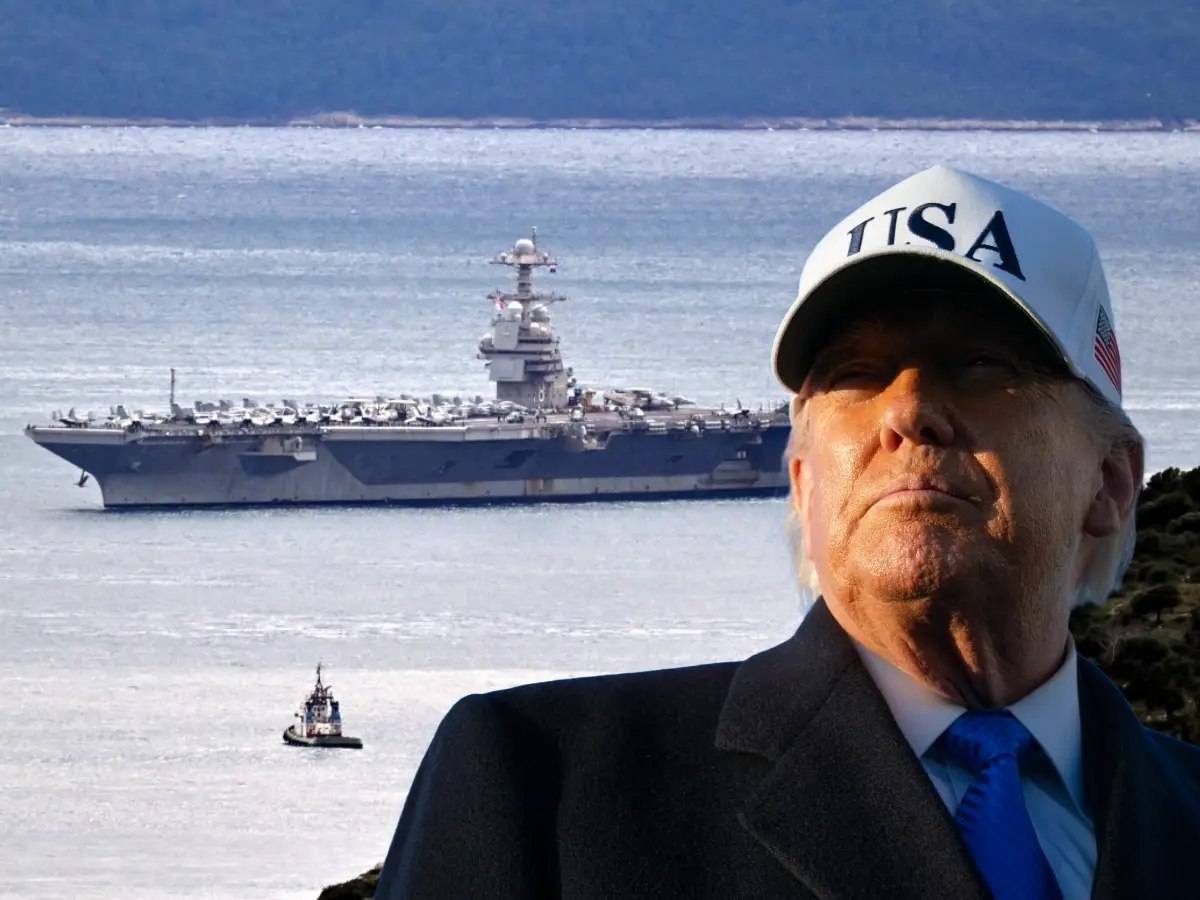
US Embassy lifted “shelter-in-place” instructions in UAE
This comes approximately 15 days after the US Embassy lifted “shelter-in-place” instructions for US government employees in the UAE, while advising them to immediately take shelter indoors if another incident occurs. "All Americans in the UAE should be prepared to do the same," the advisory said. The advisory was called as "Cessation of Missile and Drone Attacks on the UAE."

What are Trump's military options?
Reports suggest that is Trump is being briefed by Adm. Brad Cooper, the commander of US Central Command, will brief Trump and his senior national security team on options for the way ahead in the Strait of Hormuz and on the ground in Iran. One plan prepared by U.S. Central Command includes a wave of “short and powerful” strikes intended to force Iran back to the negotiating table, Axios reported. This, amid Trump's warning that he would not be “Mr. Nice guy” anymore.
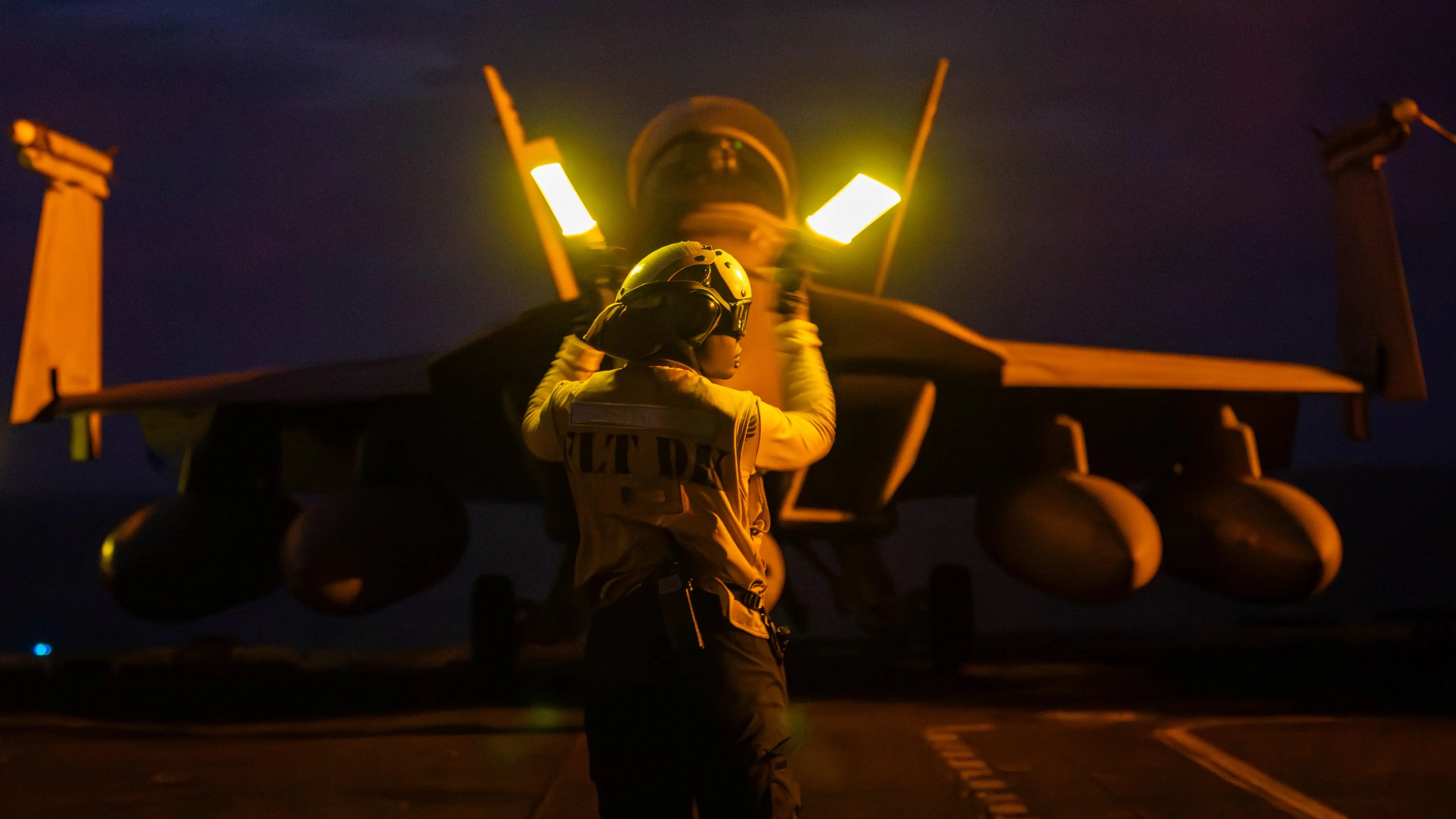
What CENTCOM said
US Central Command (CENTCOM) shared a post saying that US Air Force crews are preparing for "flight operations" in West Asia to support security and stability.
"A U.S. Air Force crew chief prepares an F-16 Fighting Falcon for flight at a base in the U.S. Central Command area of responsibility," CENTCOM said in a post shared on X. "F-16 fighter jets conduct routine presence patrols throughout the region, supporting regional security and stability." the post added
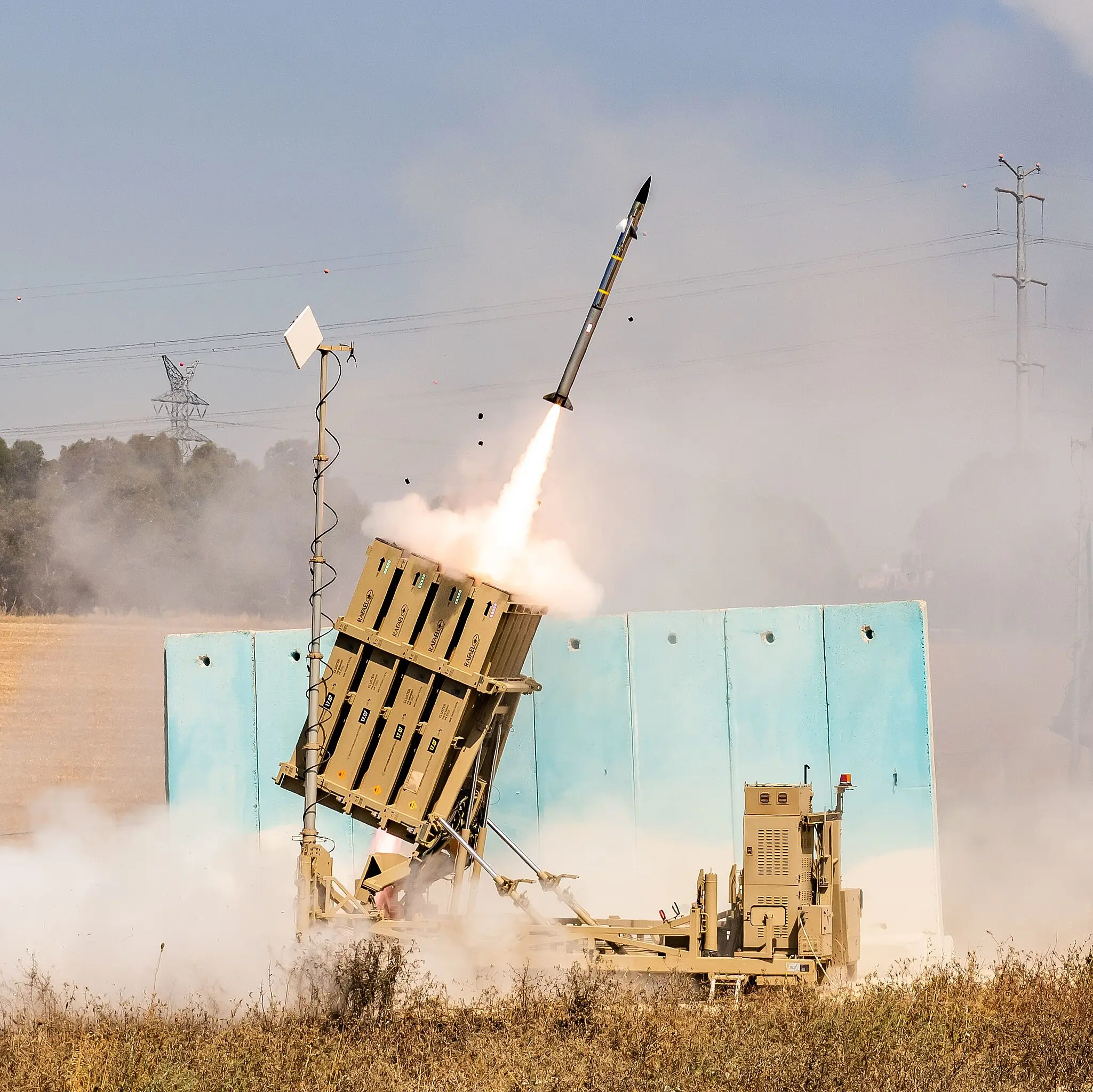
Israel's Iron dome in UAE?
Israel reportedly dispatched a version of the Iron Beam laser-based air defense system to the UAE, according to a report in the Financial Times. Israel also sent a surveillance system known as Spectro to help detect Iranian drones from up to 20 kilometers away. The report confirmed Axios scoop that Israel had deployed the Iron Dome to the UAE along with troops to operate it.

What we know about Iran-US talks
The talks between Iran and the US to end the war has been stalled all over again. Iran sent a fresh 3-staged process plan to the US when Iranian Foreign Minister Abbas Araghchi visited Islamabad, Pakistan. However, reports indicated that Trump was unhappy with the proposal and is unlikely to accept it. The first stage demanded a total end to the war, specifically hostilities on Hezbollah in Lebanon. The second stage called for lifting the US naval blockade of Iranian ports and restoring maritime traffic through the Strait of Hormuz. The third stage was negotiations regarding Iran's nuclear program.
Both sides held first round of peace talks earlier in April after almost 50 days of war. They agreed for a ceasefire but Israel's action on Hezbollah in Lebanon became a contentious issue prompting both sides to block the Strait of Hormuz despite ceasefire. Iran pulled back from the second round of negotiations prompting Trump to scrap the visit of US representatives to Pakistan
)
)
)
)
)