U.S. vs. Iran: How a war could affect global oil prices

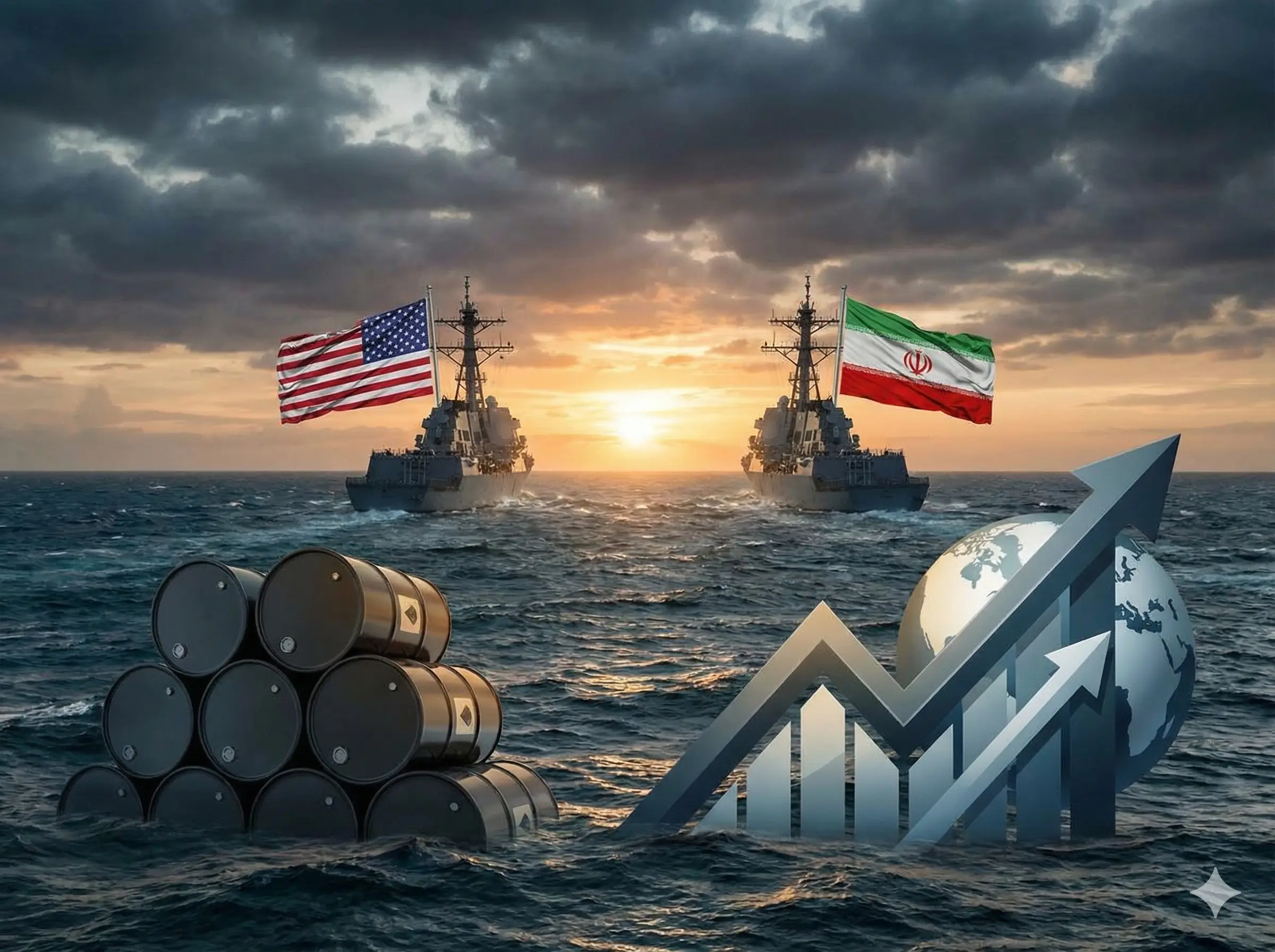
In January 2026, U.S.-Iran tensions have pushed WTI oil to $59, but a record 3.8 million bpd surplus limits gains. Unrest in Iran and U.S. sanctions threaten the Strait of Hormuz, risking flows to India and China.
Tensions spike prices
Oil markets have reacted nervously to the unrest, with WTI crude rising nearly 3 per cent to settle around $59 per barrel this week. Traders are adding a risk premium as protests in Iran intensify and the U.S. administration signals a return to ‘maximum pressure’ sanctions.
The Hormuz threat
The Strait of Hormuz remains the world’s most critical oil artery, handling approximately 20 million barrels per day in 2024. This volume represents about 20 per cent of global liquid petroleum consumption, making any potential blockade a catastrophic event for global energy security.
Record supply cushion
Despite the geopolitical risks, the International Energy Agency (IEA) projects a massive global oil surplus of 3.8 million barrels per day in 2026. This record oversupply, driven by non-OPEC production, is currently acting as a powerful shield against a dramatic price spike.
Iran’s internal crisis
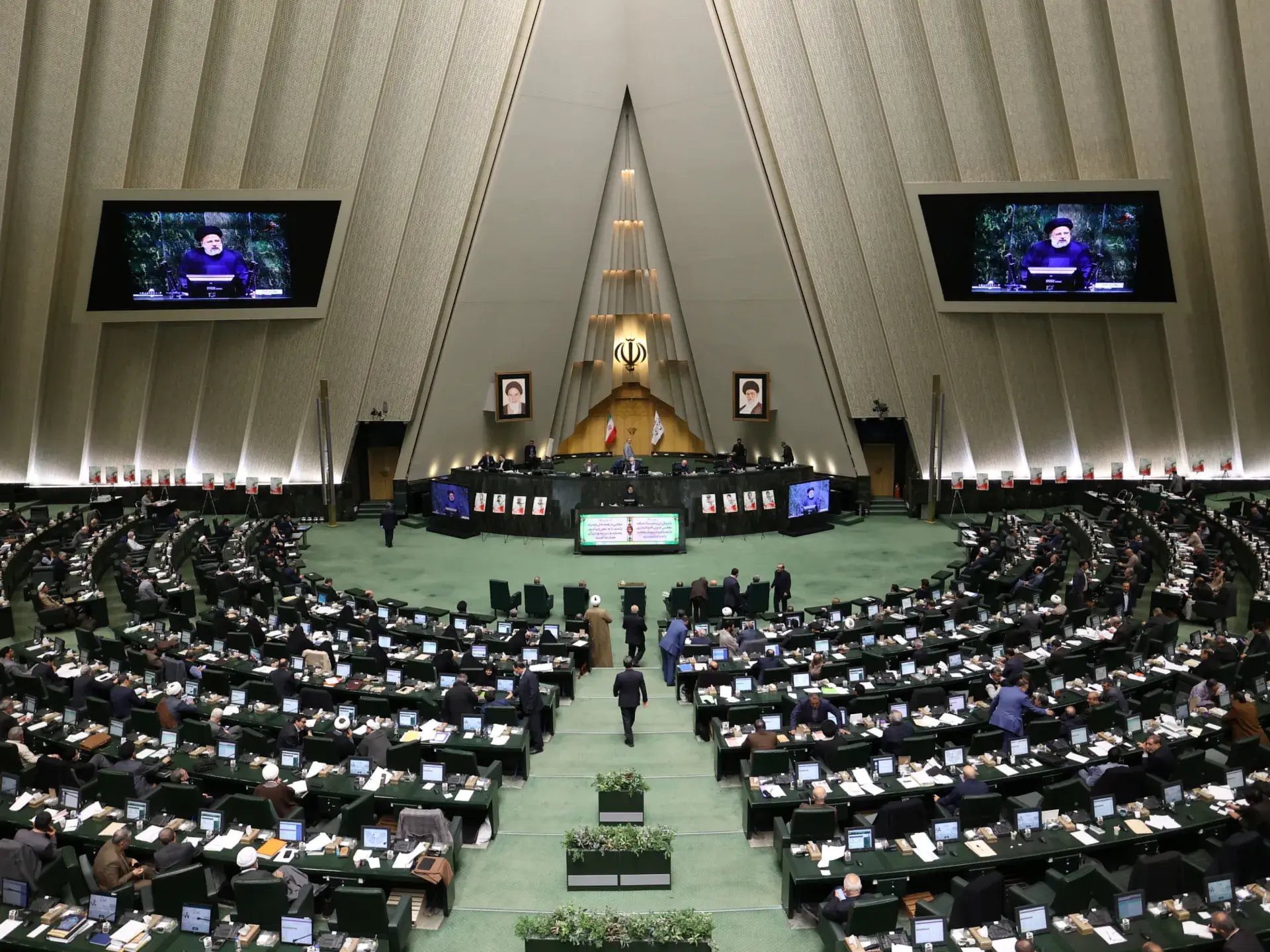
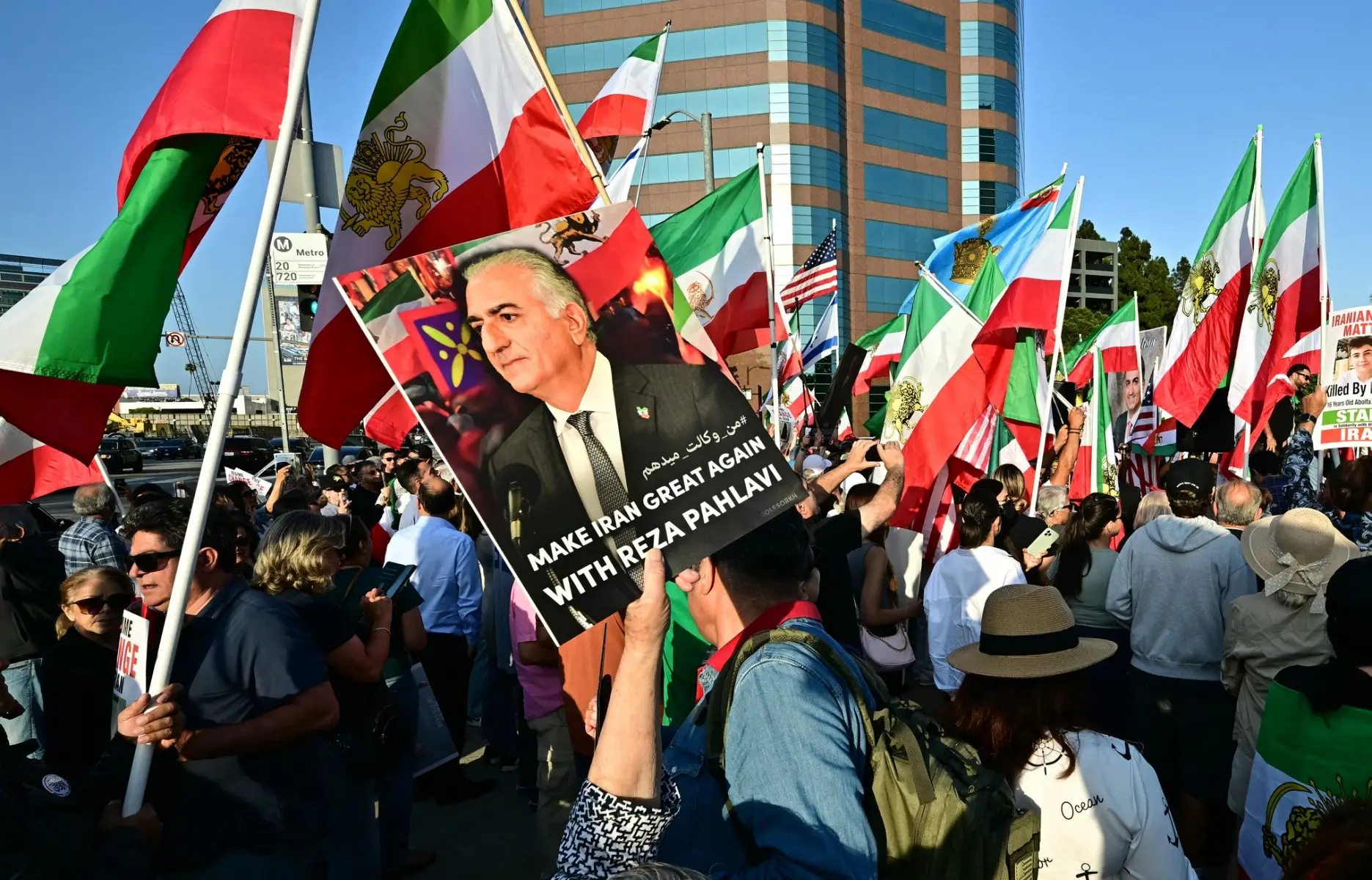
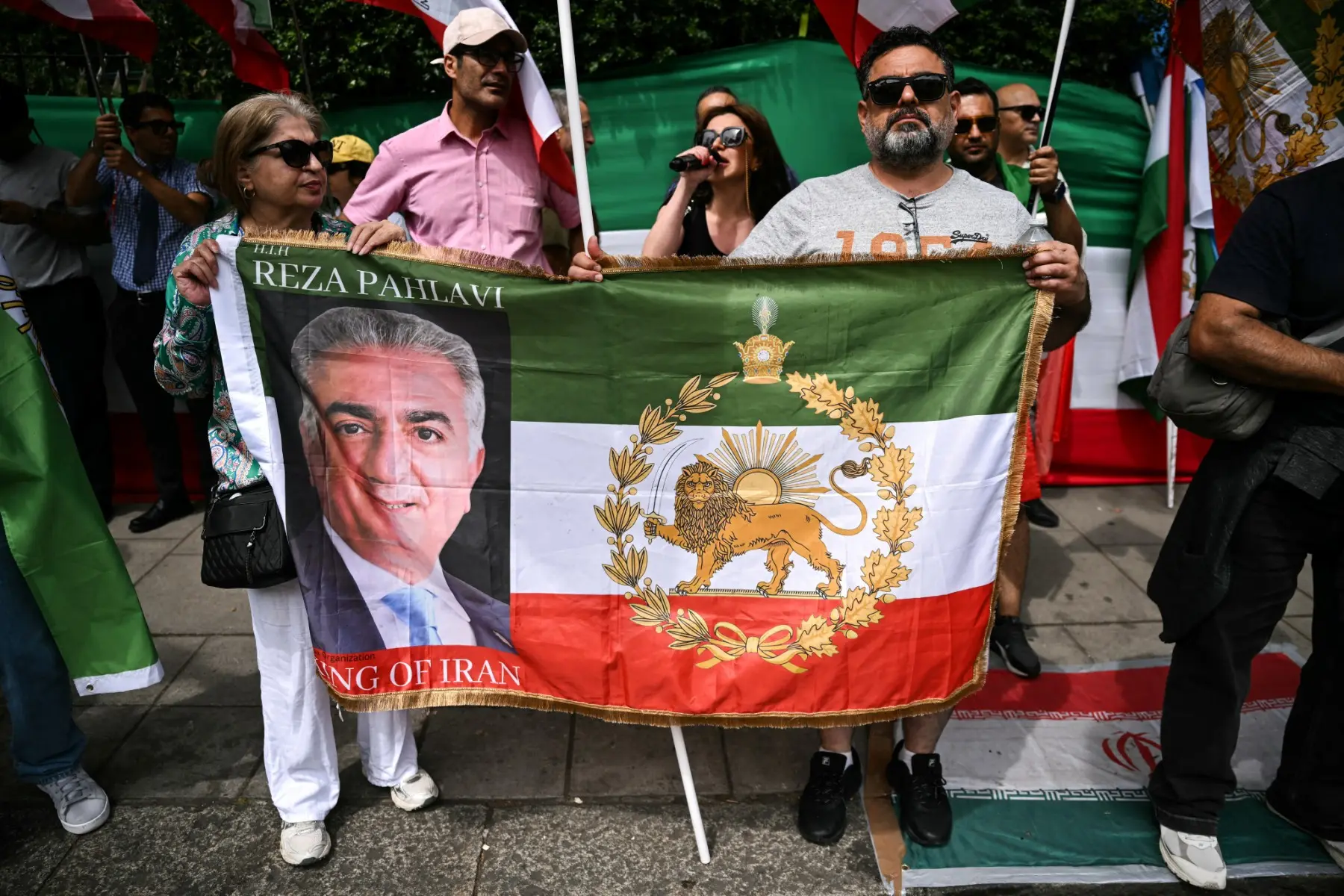
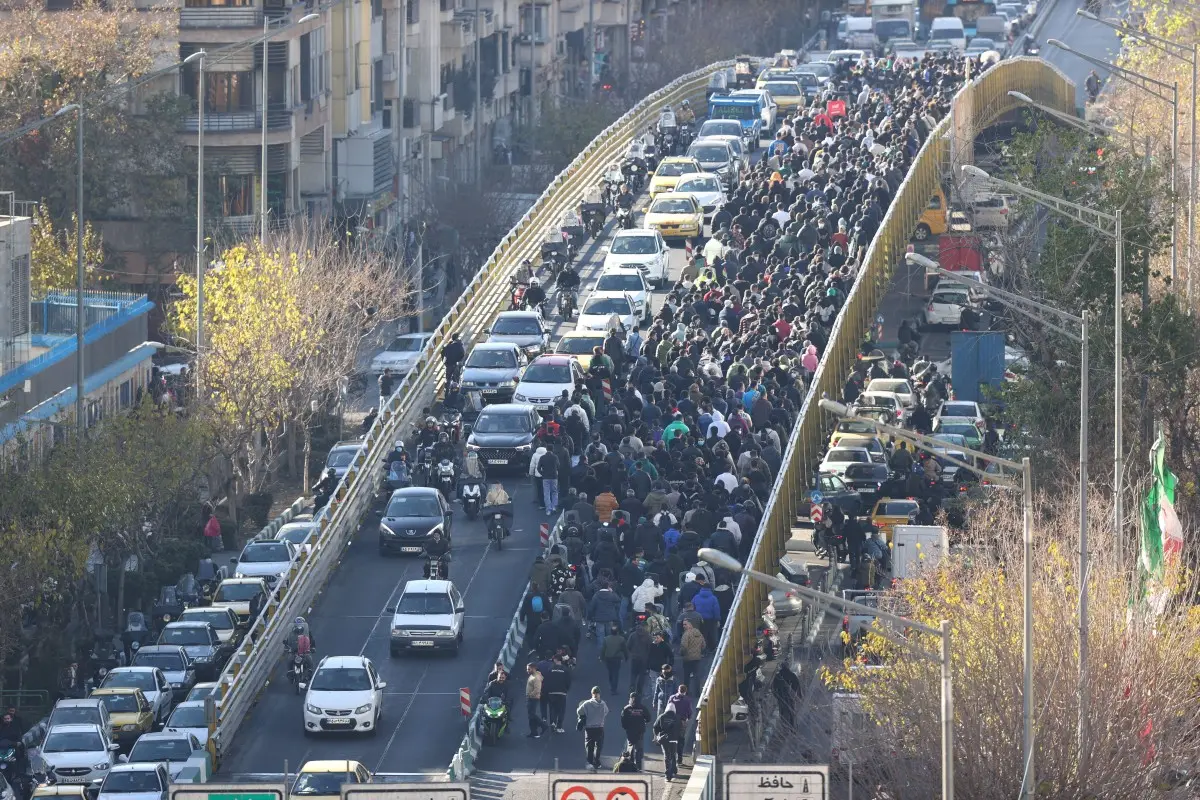
Protests have spread across 22 provinces in Iran since late December 2025, challenging the regime’s control. The government has imposed a near-total internet blackout since 8 January 2026 to suppress information, raising fears of a violent crackdown that could disrupt oil operations.
U.S. sanctions return
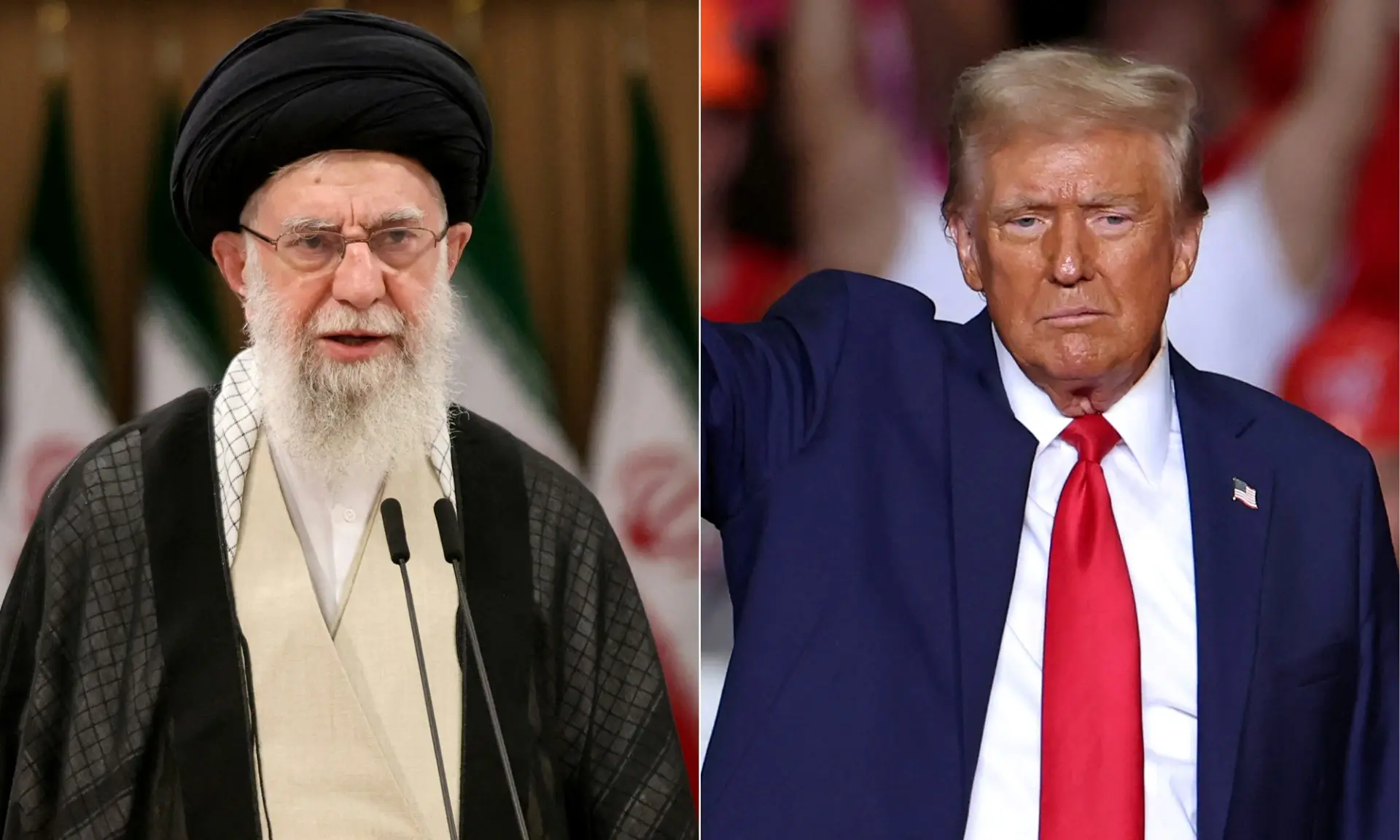
Upon returning to office, U.S. President Donald Trump has restored strict sanctions to curb Iran’s oil revenue. These measures aim to cut off funding for Tehran’s regional proxies, but they also tighten the market by targeting the ‘shadow fleet’ of tankers exporting illicit crude.
Asia’s vulnerability
Asian giants are most at risk from any Hormuz disruption, with China importing 5.4 million barrels per day through the strait. India is also heavily exposed, importing 2.1 million barrels per day via this route, which could severely inflate its import bill in Rs if flows stop.

Gas trade risks
Beyond oil, the Strait of Hormuz is vital for liquefied natural gas (LNG), handling 20 per cent of the global trade. Qatar, a major exporter, sends nearly all its LNG through this waterway, meaning a conflict could trigger an electricity crisis in markets like India and Europe.

The shadow fleet
Iran has been relying on a ‘ghost armada’ of over 500 tankers to bypass sanctions and supply oil to buyers like China. U.S. monitoring groups have tracked a dip in these exports recently, as tighter enforcement begins to disrupt these clandestine supply chains.
Strategic reserves
To mitigate supply shocks, IEA member nations hold substantial strategic petroleum reserves. However, while these stockpiles can offer short-term relief, analysts warn they cannot fully replace the 20 million barrels that flow daily through Hormuz for an extended period.
)
)
)
)
)