Tyler Robinson proved Charlie Kirk right by murdering him! Here's what he revealed about Leftist ideology

The shocking murder of Charlie Kirk by Tyler Robinson has become more than just a criminal act, it has turned into a flashpoint in America’s culture war. The incident highlights contradictions within leftist ideology and exposes the dangers of political radicalisation.
Free Speech Hypocrisy
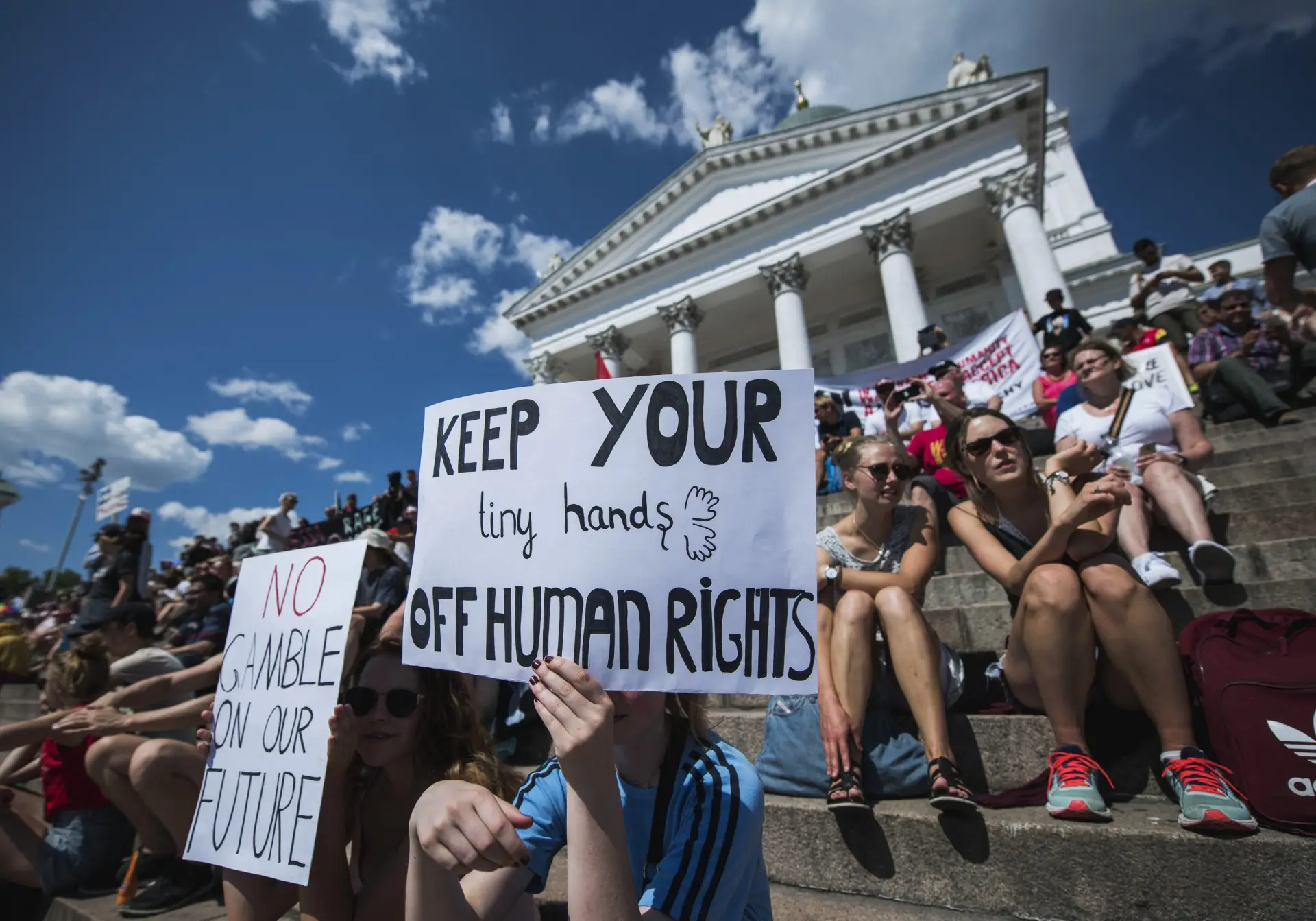
The Left often preaches about protecting free speech, yet Robinson’s act of violence against Kirk, an outspoken conservative, shows the growing intolerance for opposing views within its own ranks.
Victimhood vs. Violence
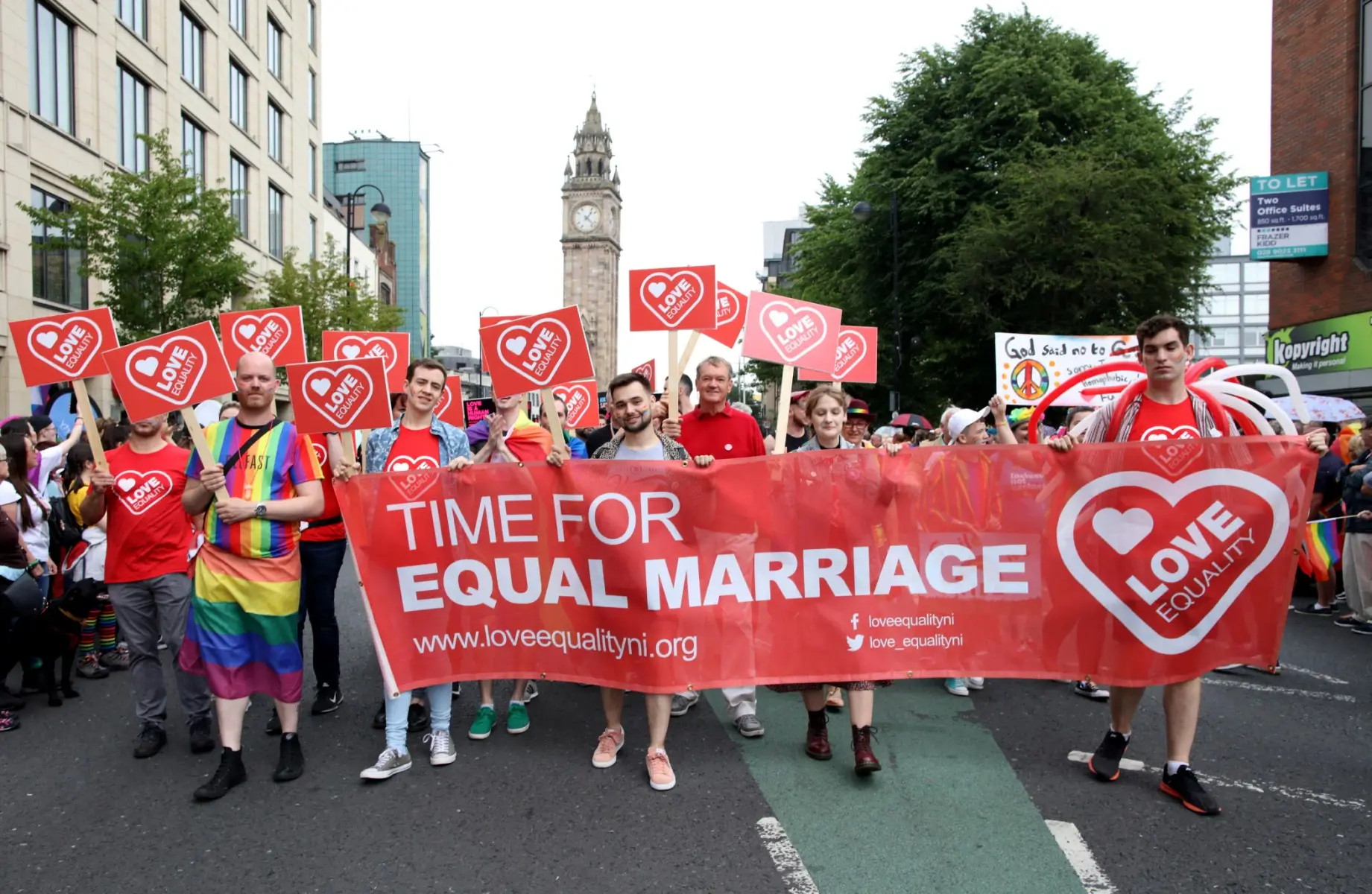
Leftist ideology emphasizes compassion for the oppressed, but Robinson’s actions reflect how radical factions within the movement justify violence while claiming to fight for justice.

Cancel Culture Turned Deadly
What began as online boycotts and silencing of voices escalated into physical violence. Robinson’s act mirrors how cancel culture has morphed into real-world consequences.

The Double Standard on Extremism
When violence emerges from right-wing groups, it is immediately labeled terrorism. But leftist-driven violence is often dismissed as “mental health issues” or “isolated incidents.”
Exposing Radical Indoctrination
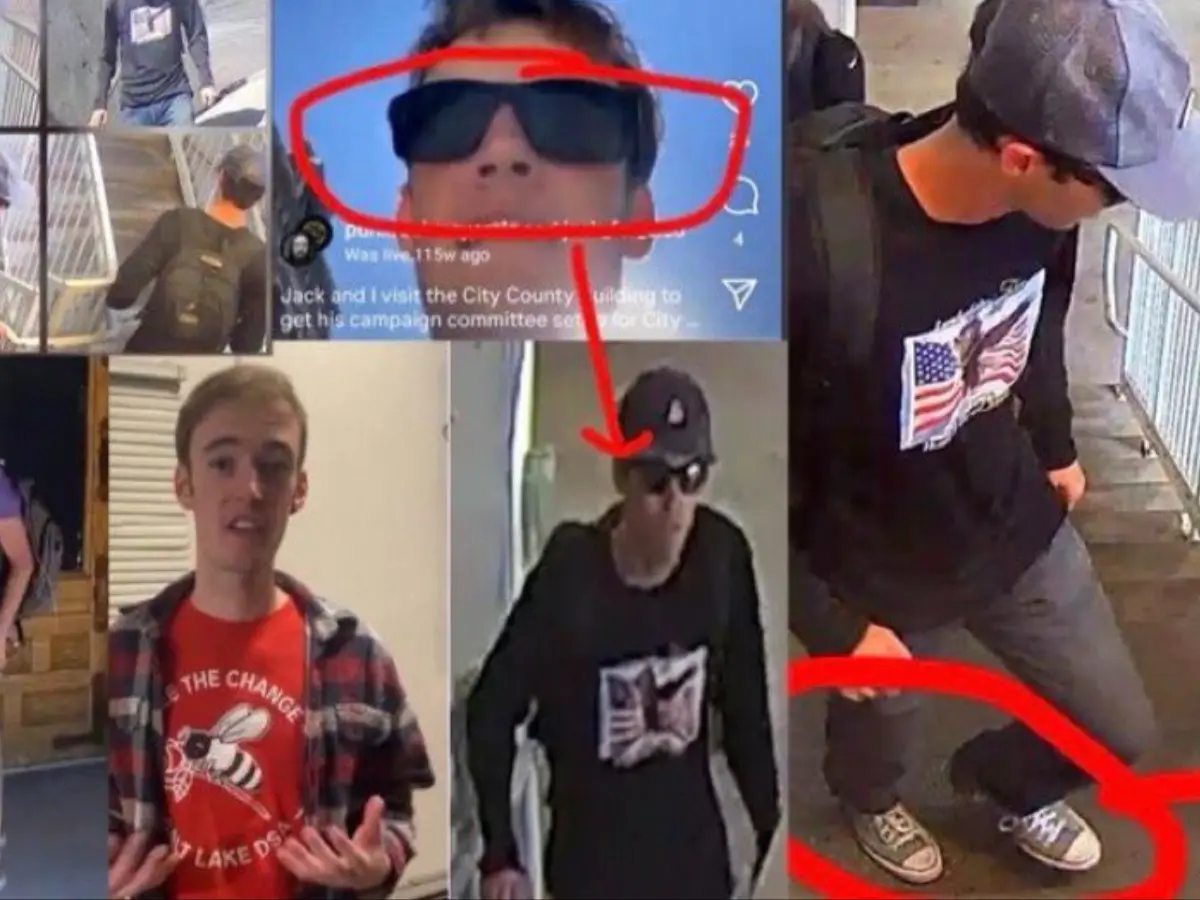
Robinson’s background and motives reveal how young people are influenced by online echo chambers and extremist rhetoric, often packaged as “progressive activism.”

Selective Morality
The Left demands accountability from conservatives for hate speech and extremism but often avoids addressing violent tendencies in its own circles. Robinson’s act shines a light on this double standard.
Fuelling Division Instead of Unity
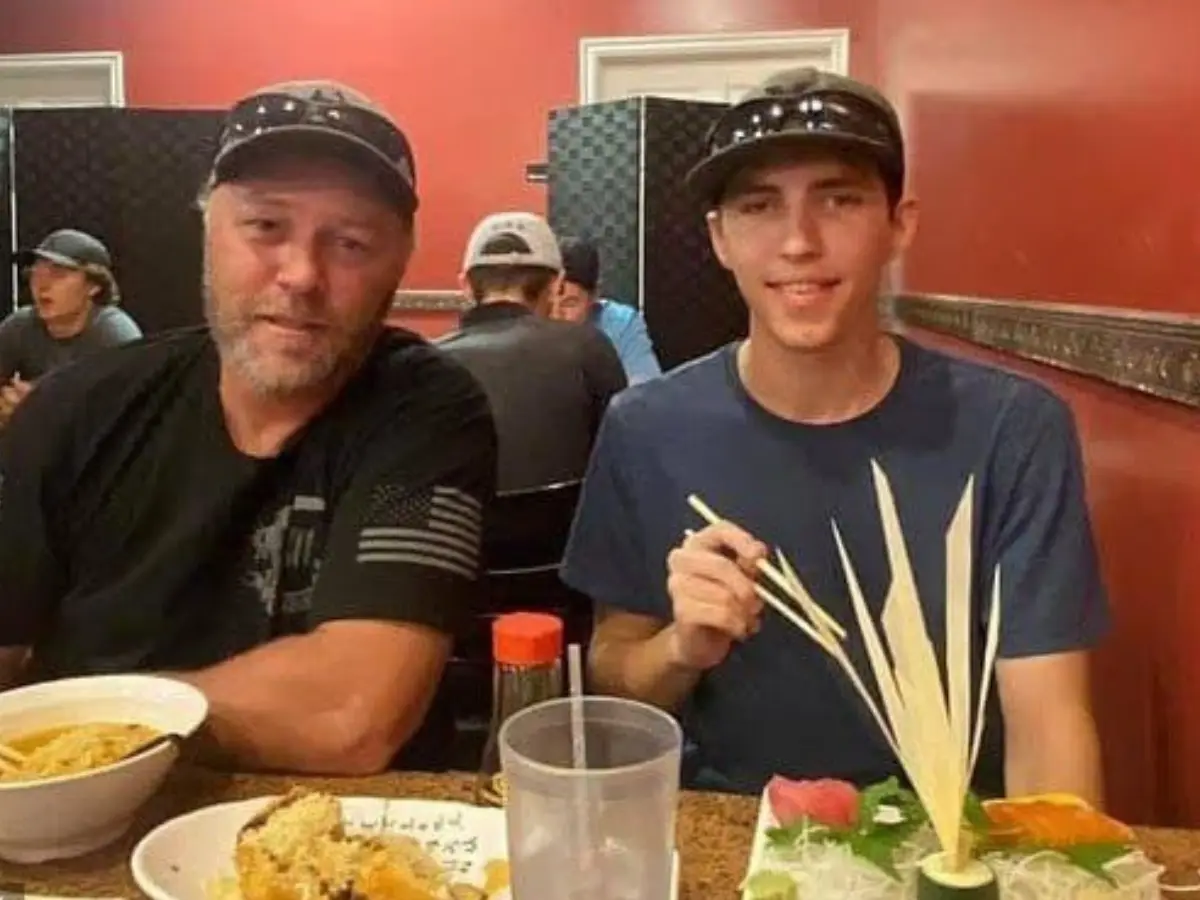
Ironically, the murder of Kirk only amplifies division. Instead of proving the strength of leftist ideals, Robinson’s crime proves how radicalisation undermines its very foundation.
)
)
)
)
)