Trump-Xi talks spotlight US-China battle for global dominance: Which country is bigger superpower?

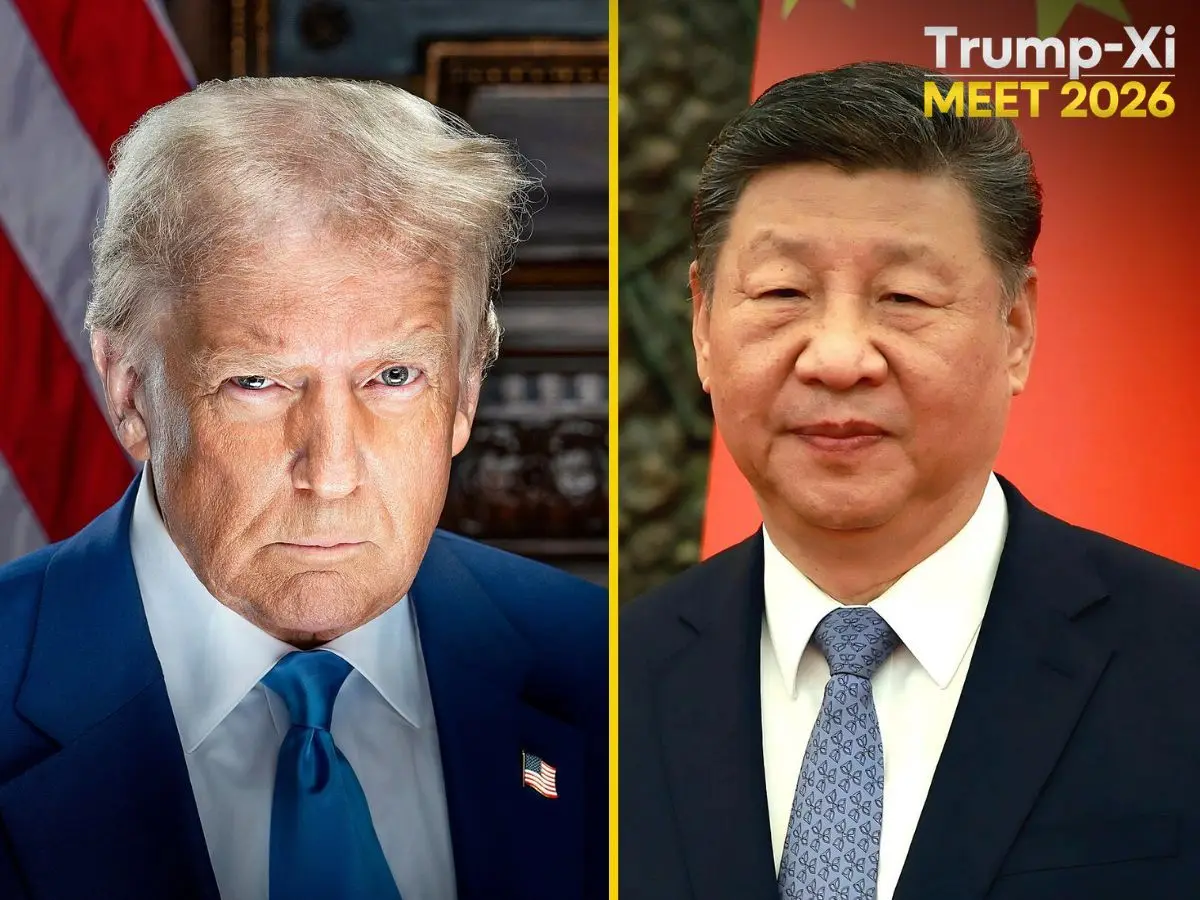
US President Donald Trump’s talks with Chinese counterpart Xi Jinping have renewed focus on the rivalry between the two global powers. Check where they stand on technology, trade, military and other key sectors.
US vs China?
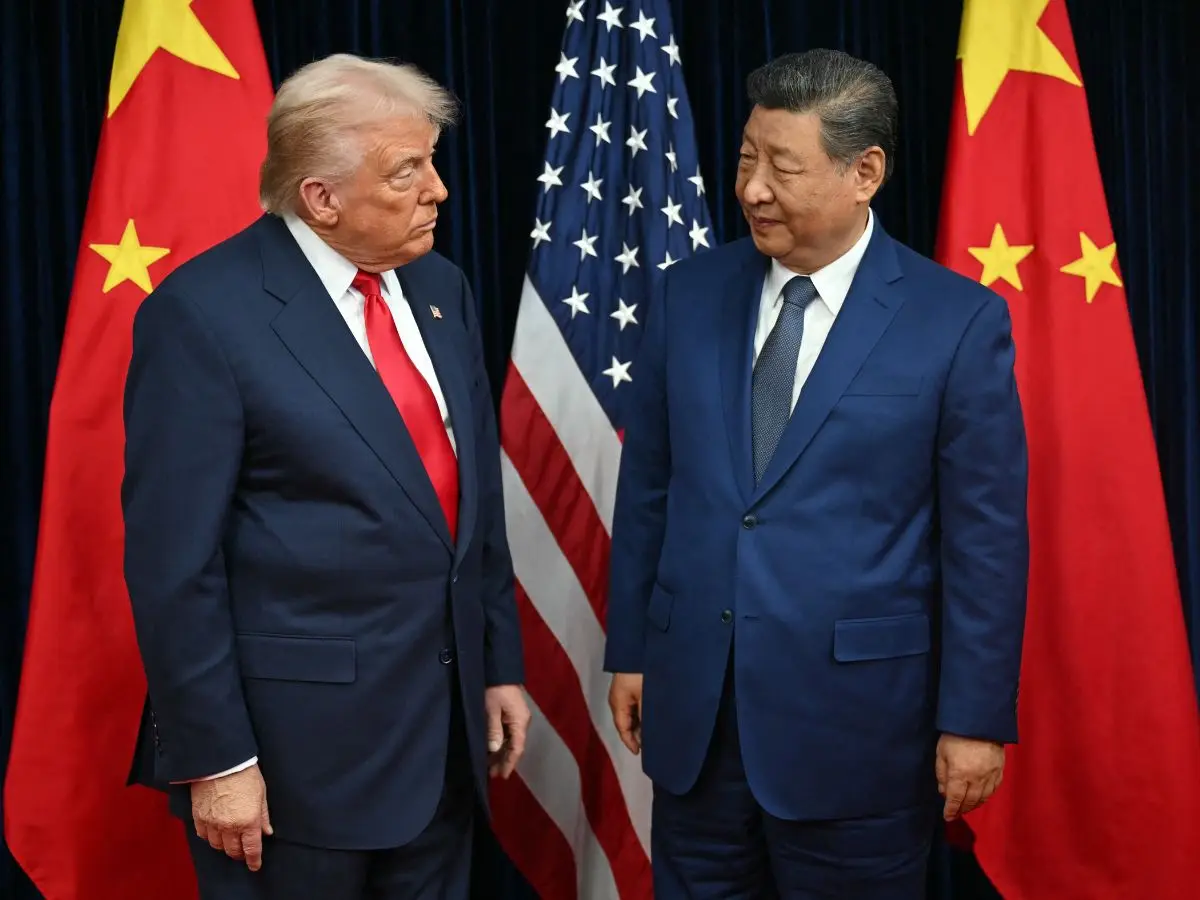
US President Donald Trump is in Beijing for a summit hosted by Chinese President Xi Jinping. The meeting comes at a time when both the nations are locked in a contest of who sits atop the global order. As both the world leaders navigate high-stakes discussions, here is a look at how both superpowers compare to each other across vital sectors.
The bigger economy
The United States leads globally in nominal GDP. Based on April 2026 IMF projections, the US economy is expected to exceed $30 trillion in nominal GDP in 2026, compared to approximately $20 trillion for China. However, China is growing faster, its average annual real GDP growth rate being almost 3 per cent more than the US since 2017, according to IMF data.
Trading power
China is the world’s largest exporter, according to World Bank Trade data, selling $3.59 trillion in goods globally compared with the US’s $1.9 trillion per year, making it the second-largest exporter in the world. While the two countries have been major trade partners, tensions escalated after Trump imposed sweeping tariffs on the country leading to decline in bilateral trade.
Technology and AI
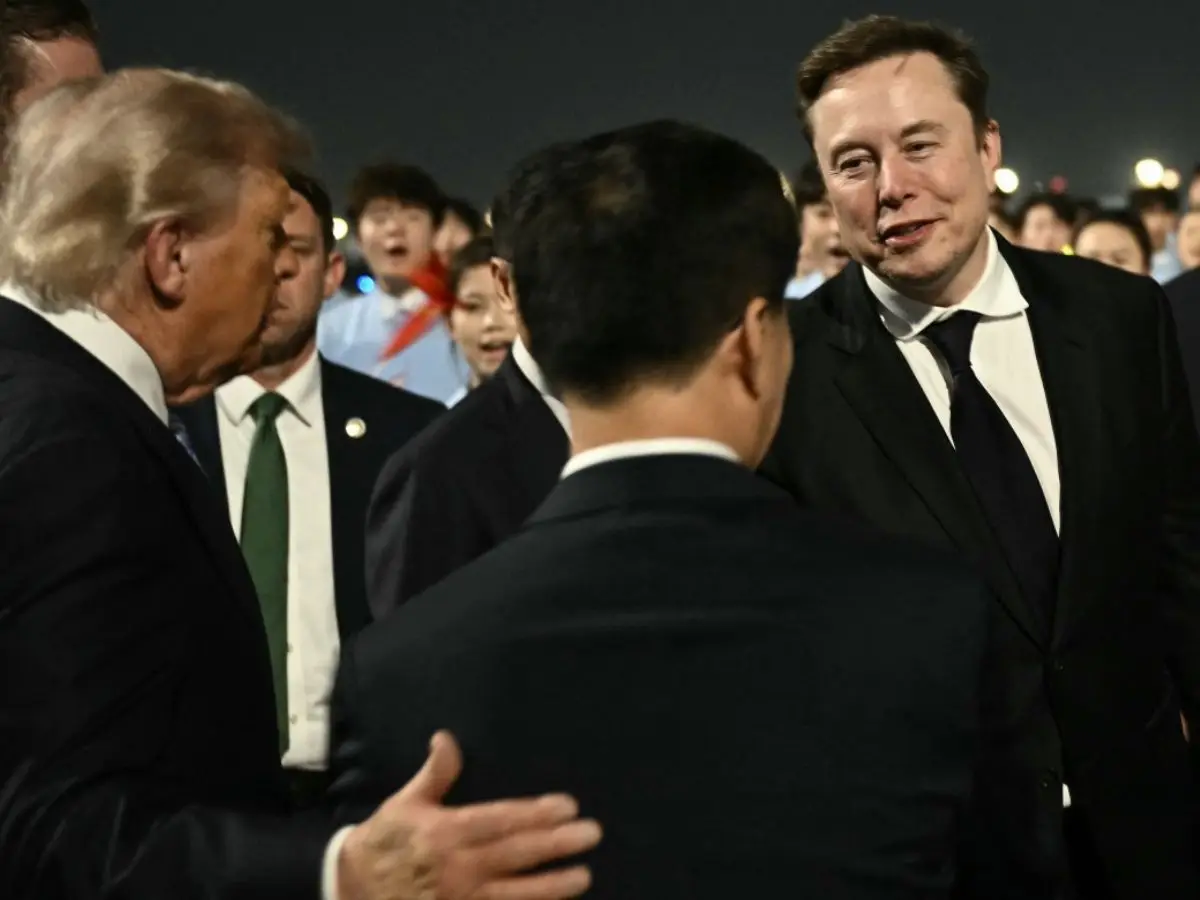
Technology has become an important field in the US-China rivalry, so much so that Tesla CEO Elon Musk and Nvidia CEO Jensen Huang have joined Trump’s delegation for China, among other business leaders. The US dominates in AI investment and major AI releases, according to Morgan Stanley. It also has an edge in semiconductors, especially through Nvidia’s CUDA software platform. China is substantially ahead in electric vehicles, both in terms of manufacturing and domestic adoption, according to the International Energy Agency.

Rare earth minerals
Rare earths have been major points in tense trade equations between two countries. China holds the world’s largest rare earth mineral reserves, with an estimated 44 million tonnes of known rare earth oxide deposits in 2024, according to its mineral resource data. The US is the seventh-largest, making it highly dependent on China for rare earth imports.
Military spending
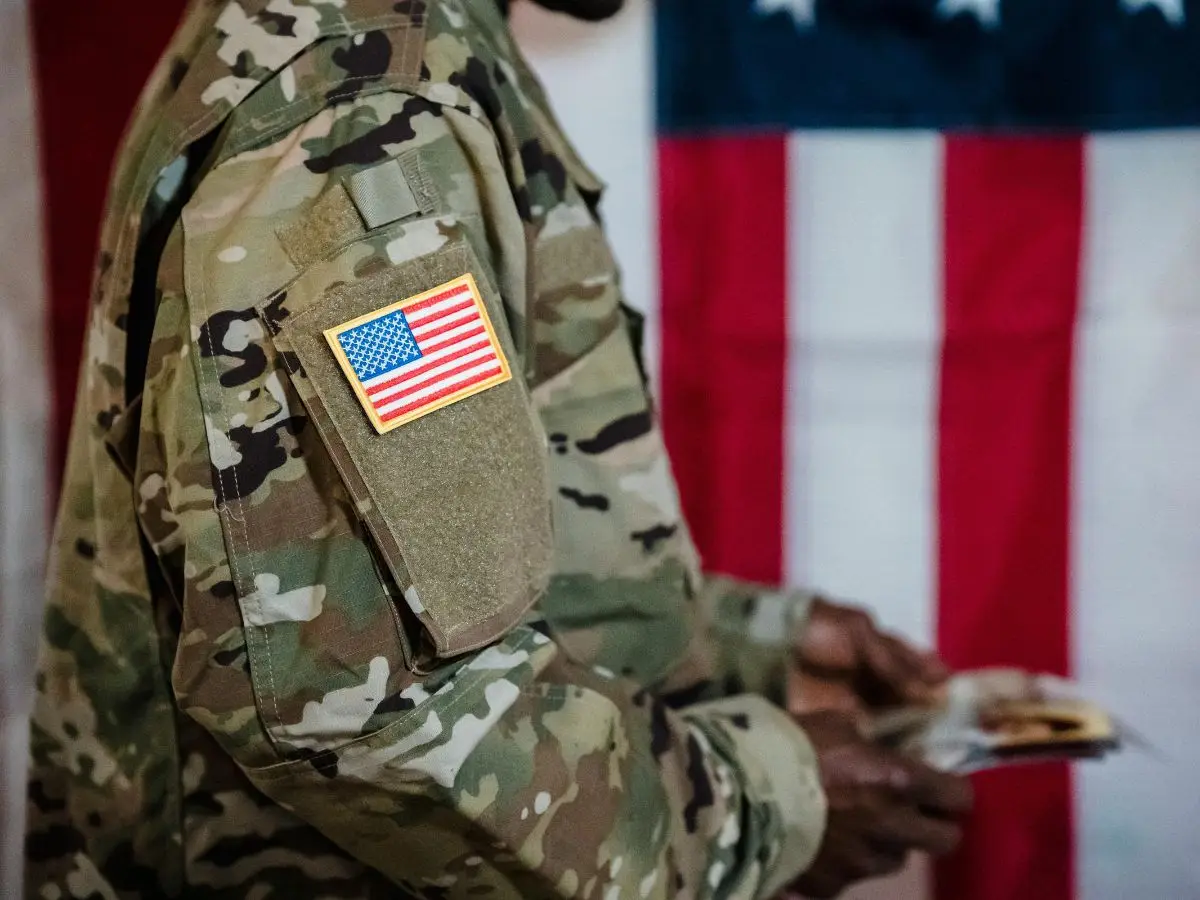
The US remains the world’s biggest military spender, outpacing China by a substantial number. According to the Stockholm International Peace Research Institute (SIPRI), the US spent $954 billion on defence in 2025 while China spent an estimated $336 billion.
Different models, different goals
It is also important to note that the current US and Chinese government models have ideological and structural differences, with both countries holding distinct priorities and goals. The Chinese government terms its policies as “Socialism with Chinese Characteristics”, focusing on a State-driven economy, investing heavily in technology, infrastructure and national reliance. The US is a free-market economy, with Trump pushing on tariffs, tax cuts, and bringing manufacturing “home”.
)
)
)
)
)