Trump wants to secure Strait of Hormuz: Is it possible?

The ongoing conflict has effectively closed the Strait of Hormuz, halting nearly all commercial traffic and threatening global energy security. As asymmetric threats persist, international efforts to secure this vital artery remain critical to stabilising volatile global markets.
The Strategic Importance
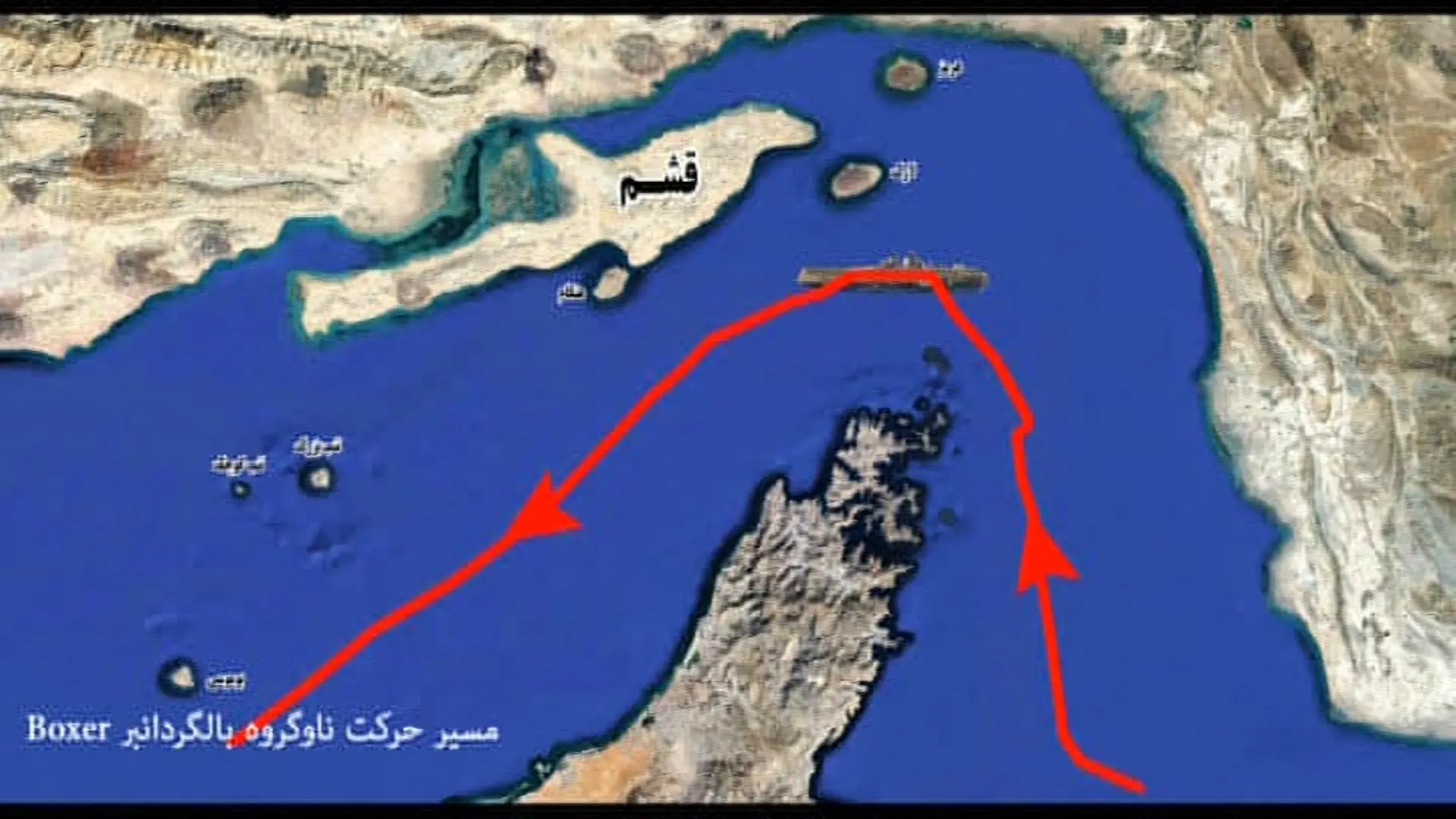
The Strait of Hormuz is a vital global energy artery, funnelling nearly one-fifth of the world’s oil supply daily. As the sole maritime exit for major producers like Kuwait, Iraq, and the UAE, any disruption here creates immediate, severe shocks to global energy prices, threatening economic stability and food security worldwide.
The Current Operational Reality
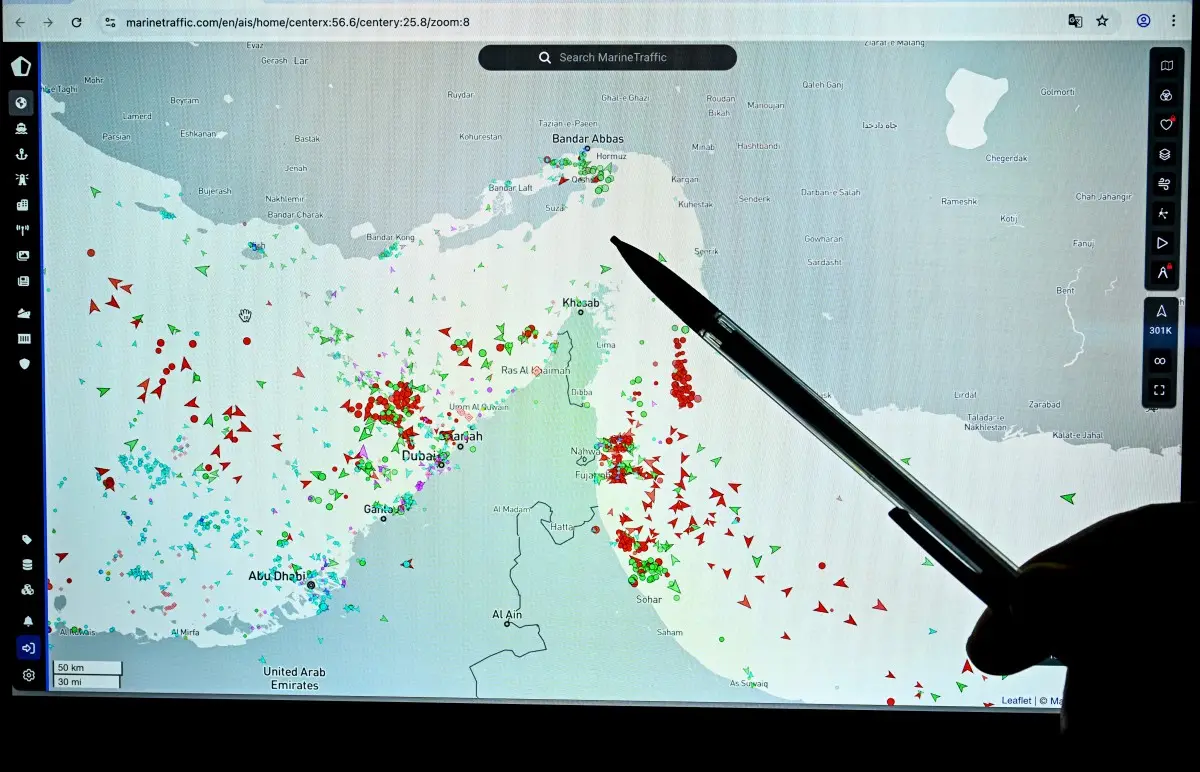
Since the conflict began, transit through the Strait has plummeted by over 95 per cent. While not legally closed, the waterway is effectively blocked as shipping companies avoid the high-risk zone. Insurance premiums have skyrocketed, and numerous vessels have been attacked, forcing many operators to seek longer, costlier alternative routes for their cargo.
Asymmetric Warfare Challenges
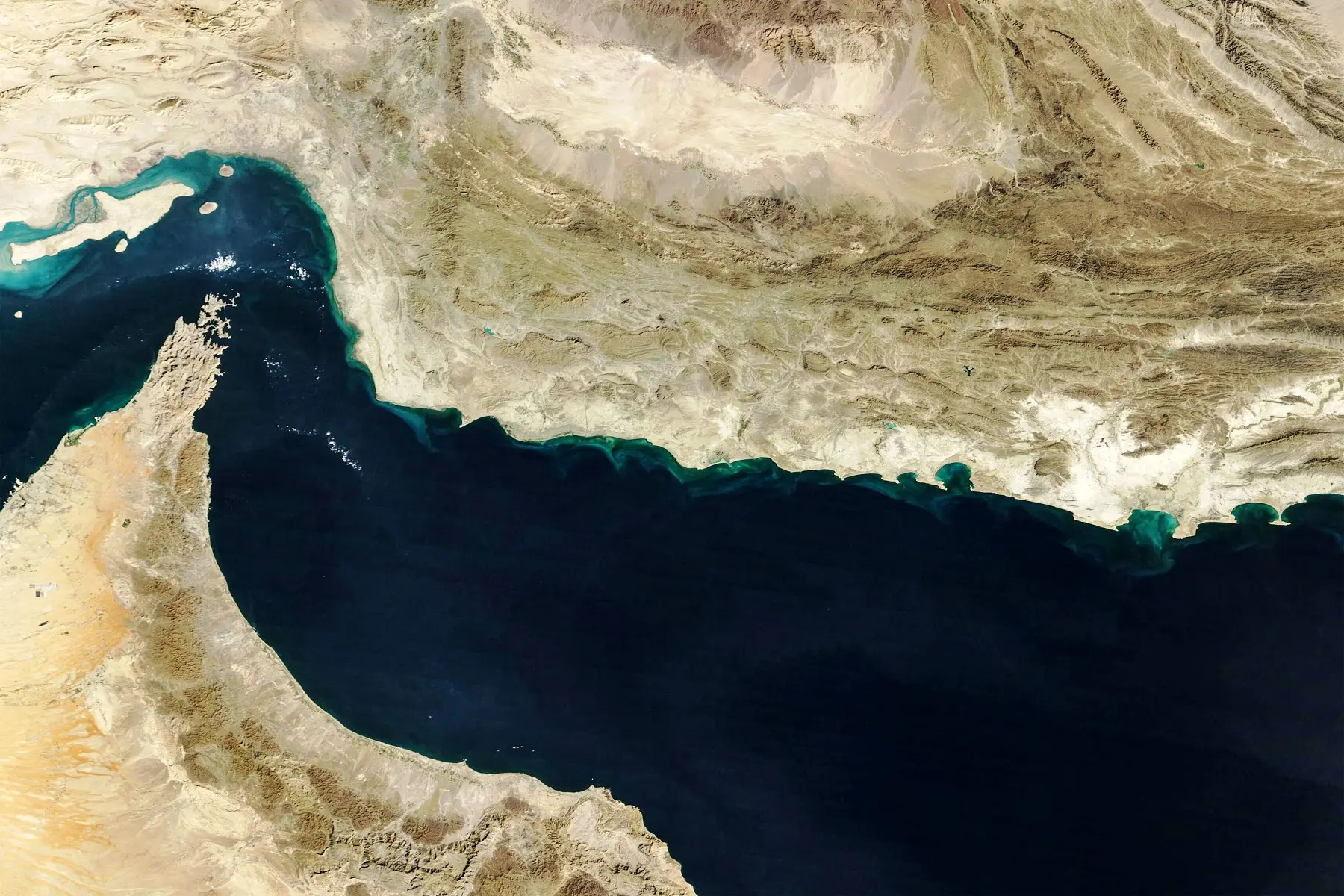
Securing the Strait is tactically complex. Even with degraded conventional forces, Iran employs an "asymmetric" strategy. Using low-cost, hard-to-detect assets - such as drones, sea mines, fast attack craft, and land-based missiles - Iran can impose high costs on passing vessels, making the area a dangerous environment for both commercial shipping and naval escorts.

US Military Strategy and Limitations
President Trump has signalled that the U.S. will help keep the route open through active strikes on Iranian naval assets and coastal targets. However, top military officials have expressed caution, noting that current U.S. forces are heavily engaged in degrading Iran’s broader military infrastructure, creating operational trade-offs for immediate, sustainable escort missions.
The Push for an International Coalition
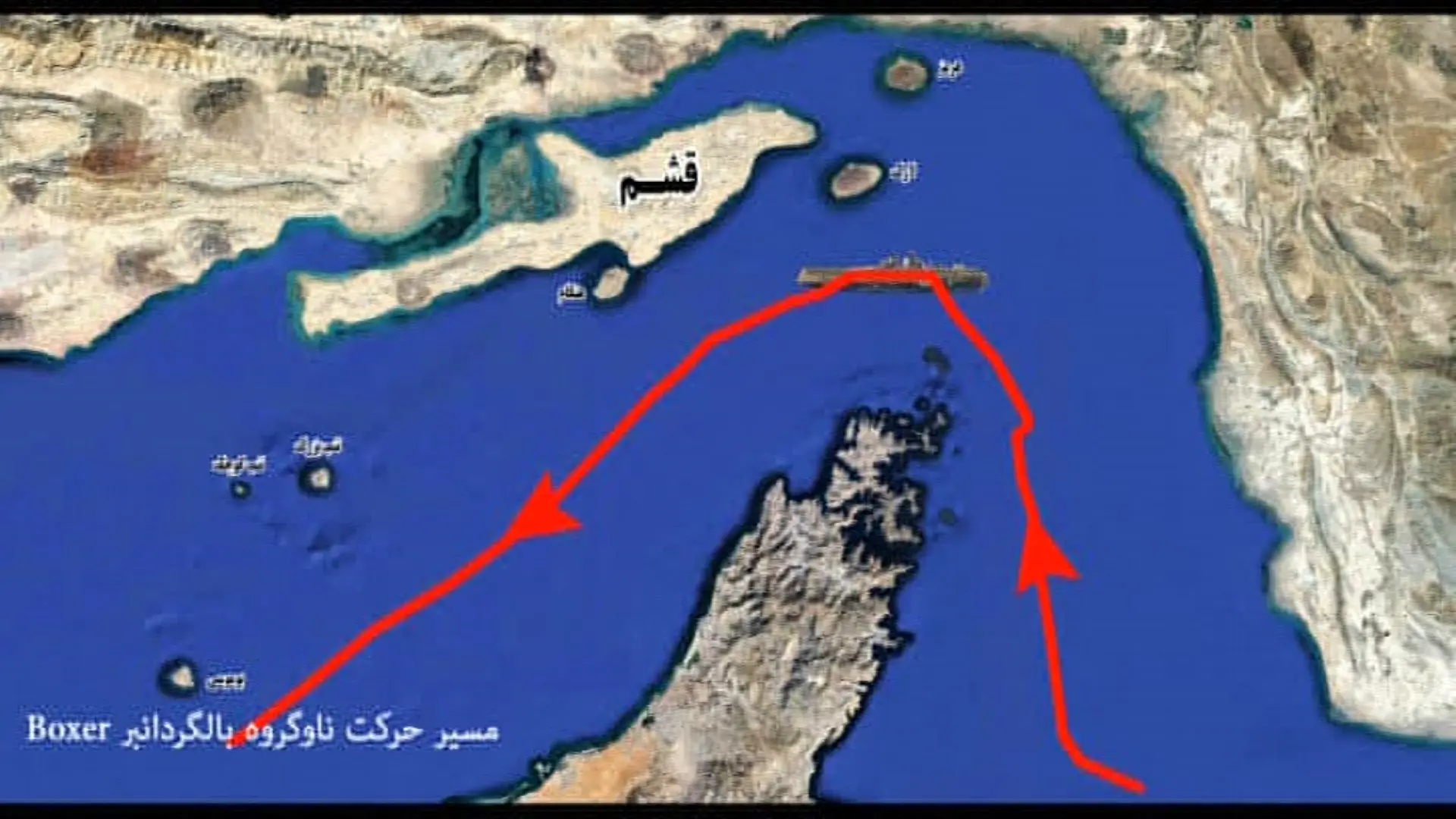
Recognising the scale of the challenge, the U.S. is calling on an international coalition to contribute naval vessels. The goal is to share the burden of securing this global common, with President Trump urging nations like the UK, France, and Japan to join. Such a collective effort would provide legitimacy and necessary resources.
Is It Possible?
Full security in the Strait remains elusive in the short term. While international escorts could technically facilitate passage, long-term stability requires neutralising the persistent asymmetric threat. Success depends on balancing aggressive military objectives against the risks of escalation, while fostering enough international commitment to ensure safe, continuous navigation for the global economy.
Disclaimer: WION takes utmost care to accurately and responsibly report ongoing conflicts in West Asia involving Israel, Iran, US, Gulf nations and non-state actors like Hezbollah, Hamas, Houthis, Islamic State, and others. Claims and counterclaims, disinformation and misinformation are being made online and offline. Given this context, WION cannot independently verify the authenticity of all statements, social media posts, photos and videos.
)

)
)
)