Trump vs Pope Leo: Being the Pope can be a deadly business. Many pontiffs were ousted, persecuted, exiled or even killed

Trump’s criticism of Pope Leo XIV echoes a long history of conflict between the rulers and the papacy. From Roman persecutions to Napoleon, popes faced exile, imprisonment, and death in clashes with emperors and kings. Here is a recap in the wake of the US president's remarks against the pope
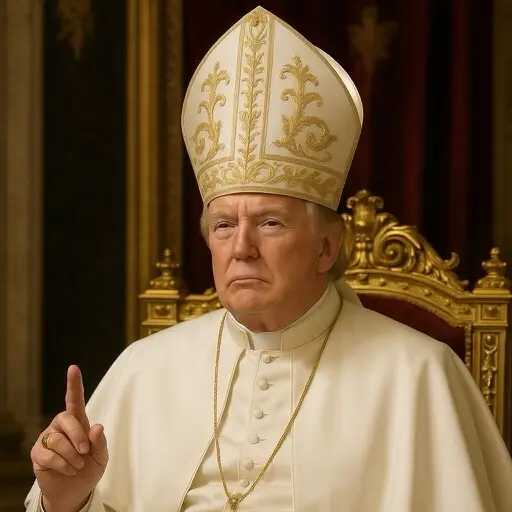
Trump vs Pope Leo XIV fits a long pattern of leaders clashing with the papacy
US President Donald Trump’s Truth Social post critical of Pope Leo XIV fits a long pattern of secular leaders clashing with the papacy. Many of these cases went far beyond words to physical or political coercion of the pontiffs. Such conflicts span from Roman times to the Napoleonic era and often involved power struggles over authority, doctrine, territory, or politics. Here are the major historical instances where the leaders of the Catholic Church faced direct conflict, criticism, ousters, exiles, imprisonments, or violence from kings, emperors, and secular governments. (Picture shows an AI-generated image of Donald Trump imagined as the Pope)
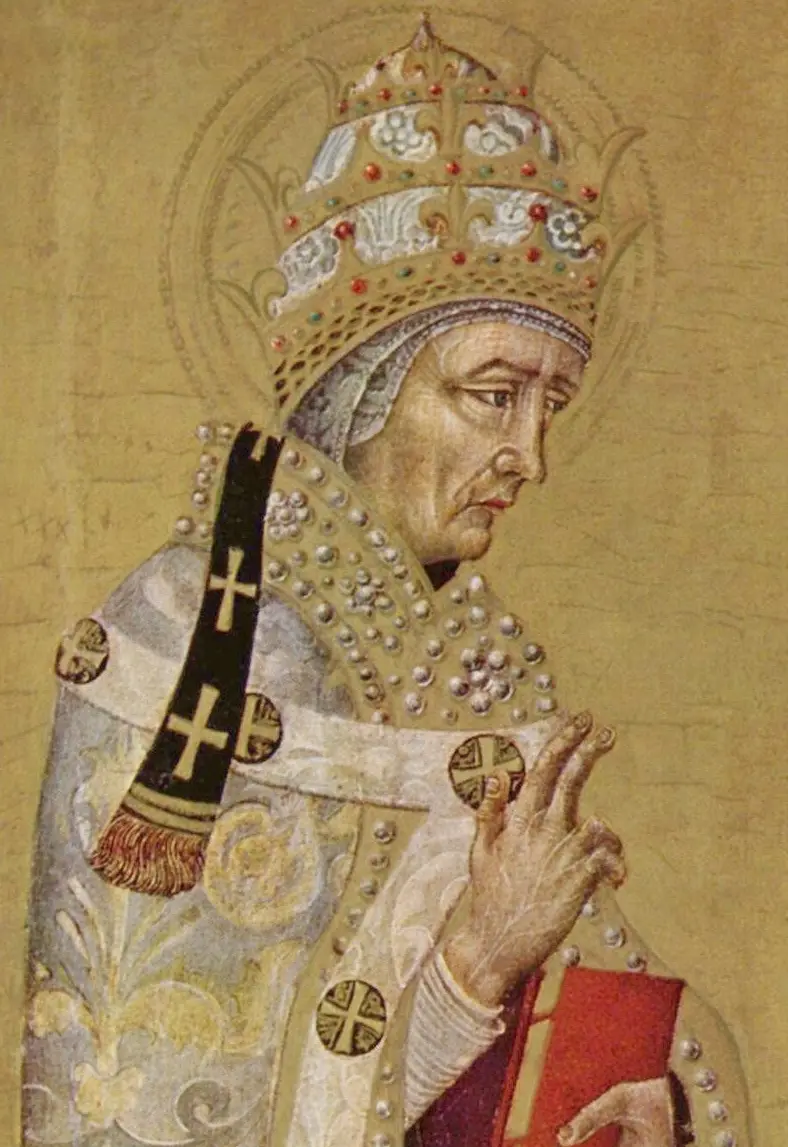
Popes were killed or exiled during Roman Imperial Persecutions
Multiple popes were executed or exiled during official anti-Christian campaigns by Roman emperors in the 3rd century. Examples include Pope Fabian (in picture), who was beheaded in 250 under Emperor Decius, and Pope Anterus who was martyred in 235 under Emperor Maximinus Thrax. Pope Pontian was arrested and exiled to Sardinian mines in 235, where he resigned and died thereafter. Pope John I (523–526) under Ostrogothic King Theodoric the Great, was accused of conspiracy with the Byzantine Empire. Theodoric imprisoned him in Ravenna and he was starved to death in 526.
Pope Martin I (649–655) under Byzantine Emperor Constans II was elected without imperial approval and opposed the emperor’s Monothelite heresy at the Lateran Council (649). Constans II ordered his arrest in 653. Martin was tried for treason in Constantinople, beaten, deposed, and exiled to Crimea, where he died of starvation and exposure in 655.
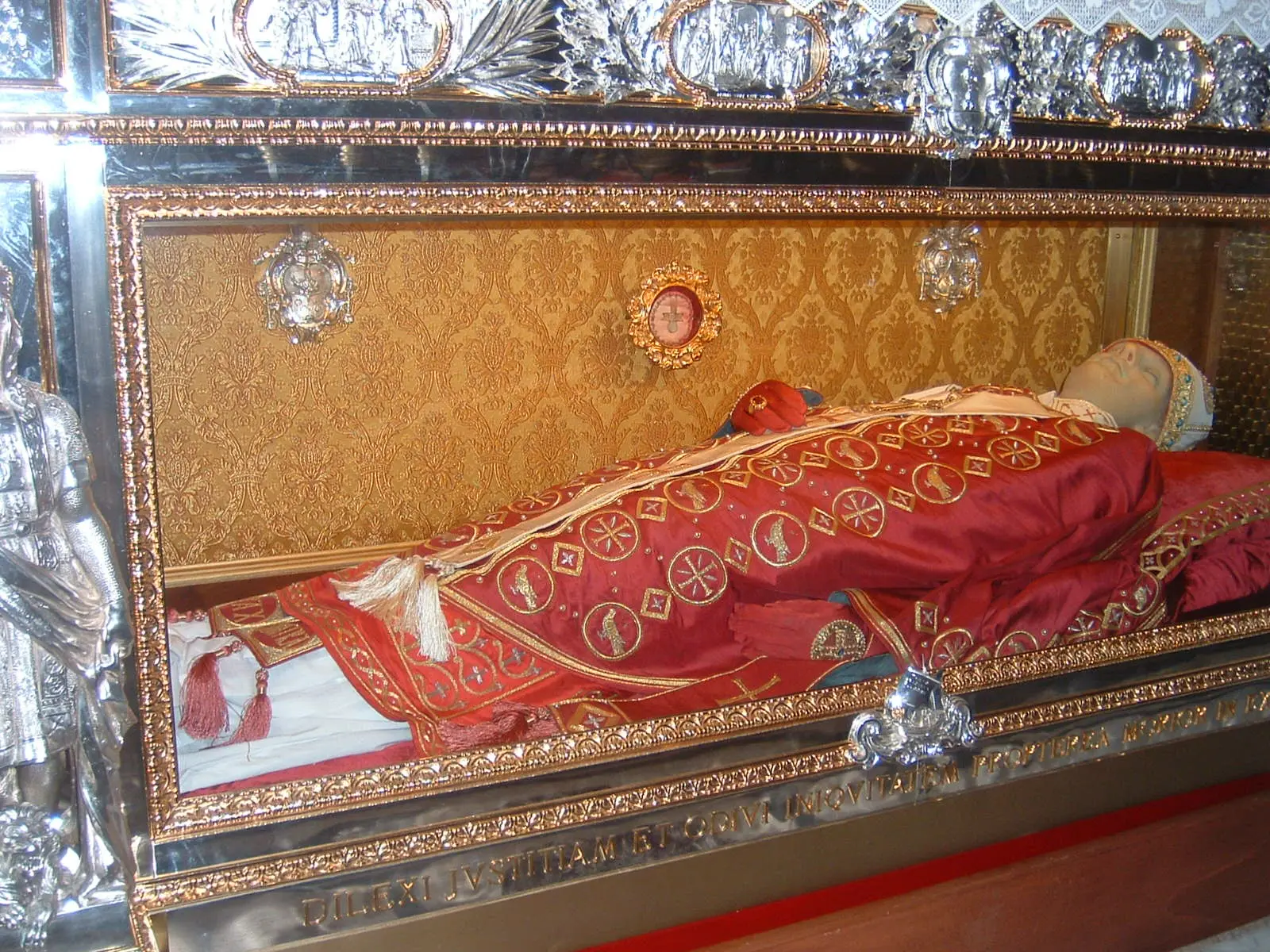
Popes vs Holy Roman Emperors in 10th and 11th centuries
Holy Roman Emperors repeatedly deposed and installed popes during periods of chaos. Emperor Otto I deposed Pope John XII (963) and later Benedict V (964), installing his own candidates. Emperor Henry III deposed three rival popes (Benedict IX, Sylvester III, and Gregory VI) at the Synod of Sutri in 1046 and installed Clement II.
Pope Gregory VII (1073–1085) is famous for the Investiture Controversy with Holy Roman Emperor Henry IV.
Gregory excommunicated Henry IV twice over bishop appointments. In retaliation, Henry’s armies invaded Rome in 1084, installed antipope Clement III, and forced Gregory to flee. He died in exile in Salerno in 1085. (The image shows a wax funeral effigy of Gregory VII)
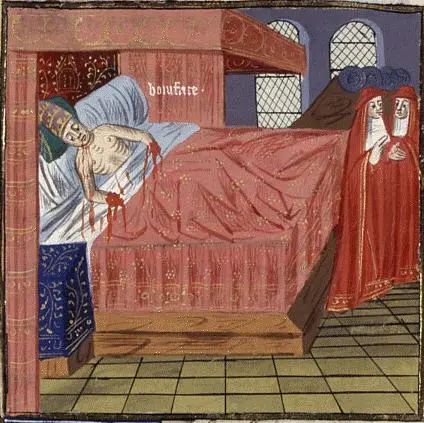
How popes and antipopes were created and destroyed by kings and emperors during the Middle Ages
Pope Boniface VIII (1294–1303) and King Philip IV of France had a long-running rivalry. Their dispute over papal authority and French taxation led to the “Outrage of Anagni” in 1303. Philip’s agents stormed Boniface’s residence, physically assaulted and briefly imprisoned him. Released after three days, he died a month later from the trauma. (The image is a depiction of Pope Boniface's final years)
Another turbulent era was the “Babylonian Captivity” of 1309–1377 during Avignon Papacy. During the Avingnon Papacy, seven successive popes resided in Avignon, France, rather than Rome. Successive French kings, starting with Philip IV pressured popes to relocate to Avignon, France, where they functioned under heavy French royal oversight. This was seen as the papacy being captive to secular French interests rather than independent.
Another intensely hostile period was what's known as the Great Western Schism, from 1378 to 1417. Rival popes and antipopes were named in this period, leading to chaos.
Secular rulers including kings of France, England, and the Holy Roman Emperor backed factions and pressured church councils.
The Council of Constance (1414–1418) is the period that eventually ended the Western Schism. The council , based out of Germany, was influenced by Emperor Sigismund and other monarchs, and deposed or forced the resignation of multiple claimants to papacy, including John XXIII, Gregory XII, Benedict XIII. Eventually, it appointed Pope Martin V.
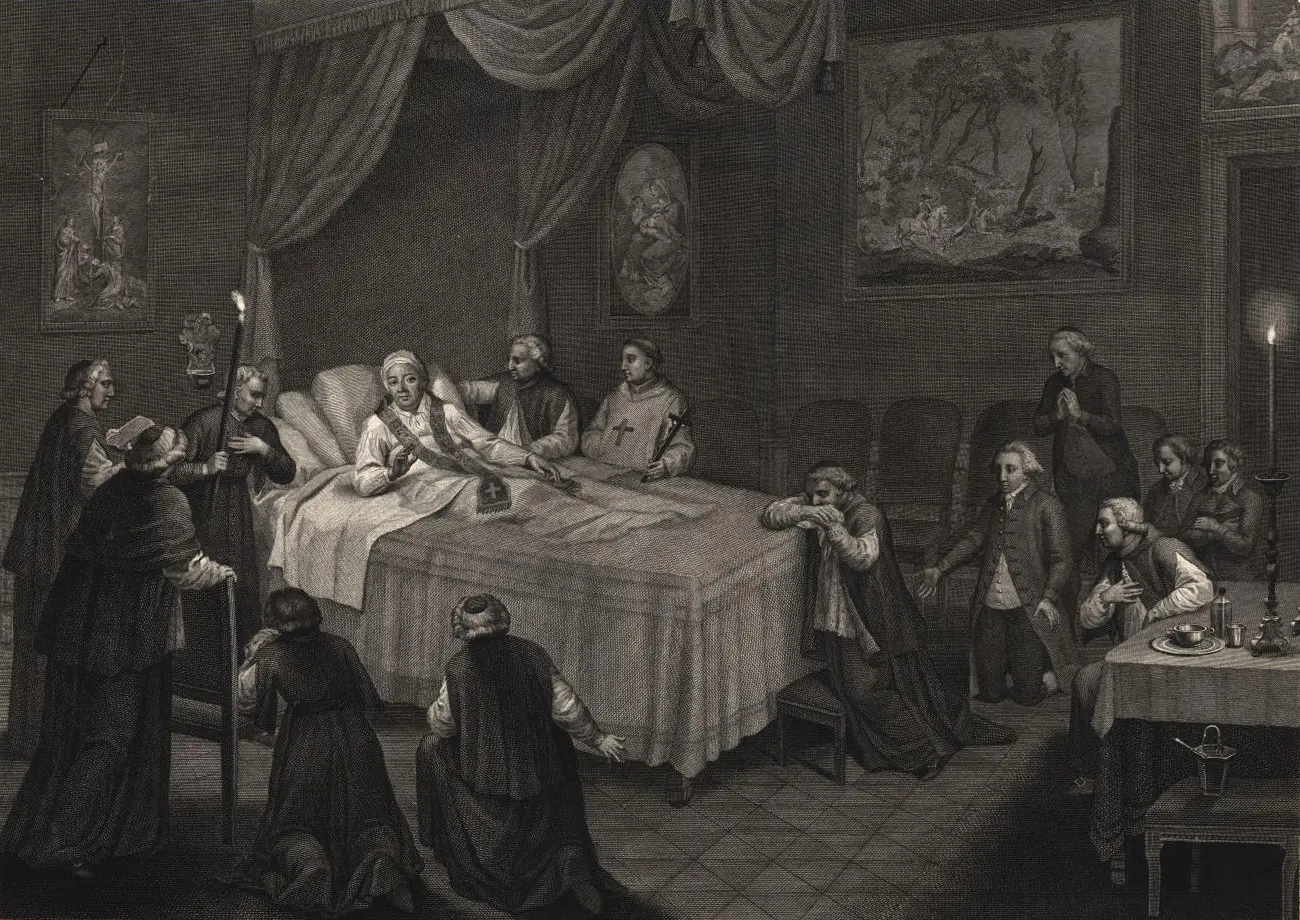
The Pope, the French Revolution, and Napoleon
Pope Pius VI (1775–1799) was opposed to the suppression of the church under Revolutionary France. The French Revolutionary forces under General Berthier and acting for Napoleon Bonaparte invaded Rome in 1798, arrested the elderly pope, and exiled him to France. He died in captivity at Valence in 1799 after months of harsh imprisonment.
Pope Pius VII (1800–1823) served duing the reign of Napoleon. Napoleon annexed the Papal States in 1809, excommunicated the pope, then ordered French troops to kidnap Pius VII from the Quirinal Palace. The pope was imprisoned in Savona and later Fontainebleau for over five years (1809–1814), enduring isolation and pressure to submit to French demands until Napoleon’s fall.
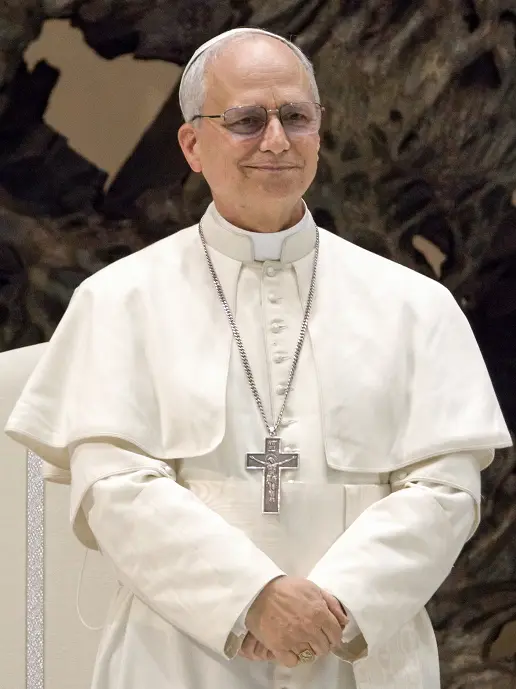
Pope Leo XIV is latest in the line of popes who faced criticism, or worse
From the late 19th century onwards, the papacy did not face the kind of persecutions described here. But being the pope always came with a set of controversies and challenges. The episodes mentioned above show a recurring pattern. Whenever the popes challenged authorities, including over royal power, taxation, territory, or doctrine, kings and emperors responded with military force, exile, deposition, or imprisonment. Many of these instances led to the pope’s death or diminished authority. In fact, Trump’s verbal broadside against Pope Leo XIV is mild by comparison.
)
)
)
)
)