Trump ‘talked’ into Iran war but can’t find an exit? Here’s how crisis is unfolding

US President Donald Trump’s Iran war gamble faces no clear exit, with rising tensions, oil shock from the Strait of Hormuz crisis, and a fragile ceasefire failing to stabilise the conflict.
From reluctance to risk trap
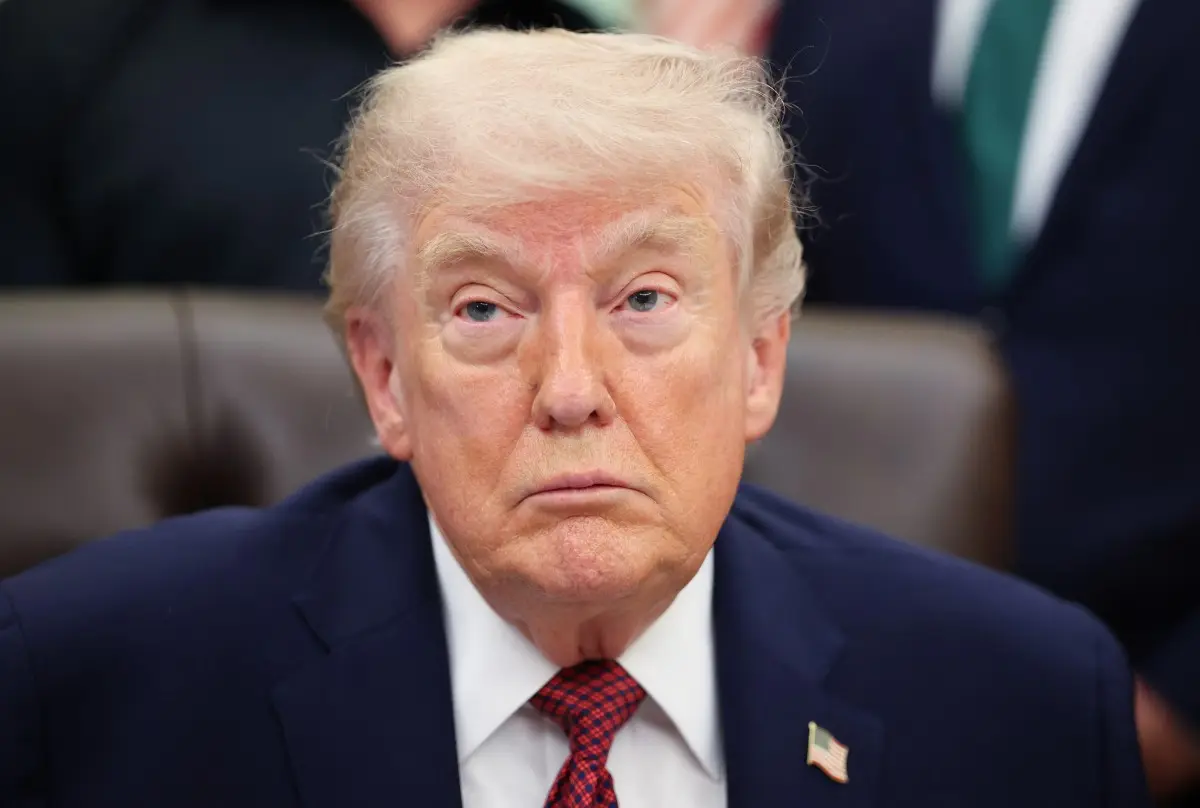
US President Donald Trump entered the Iran conflict despite earlier reluctance toward Middle East wars. Encouraged by advisers and early battlefield success, he gambled on a quick victory. However, as tensions continued to escalate with a prolonged crisis, there appears to be no clear exit strategy emerging.
US jet downed over Iran triggers panic
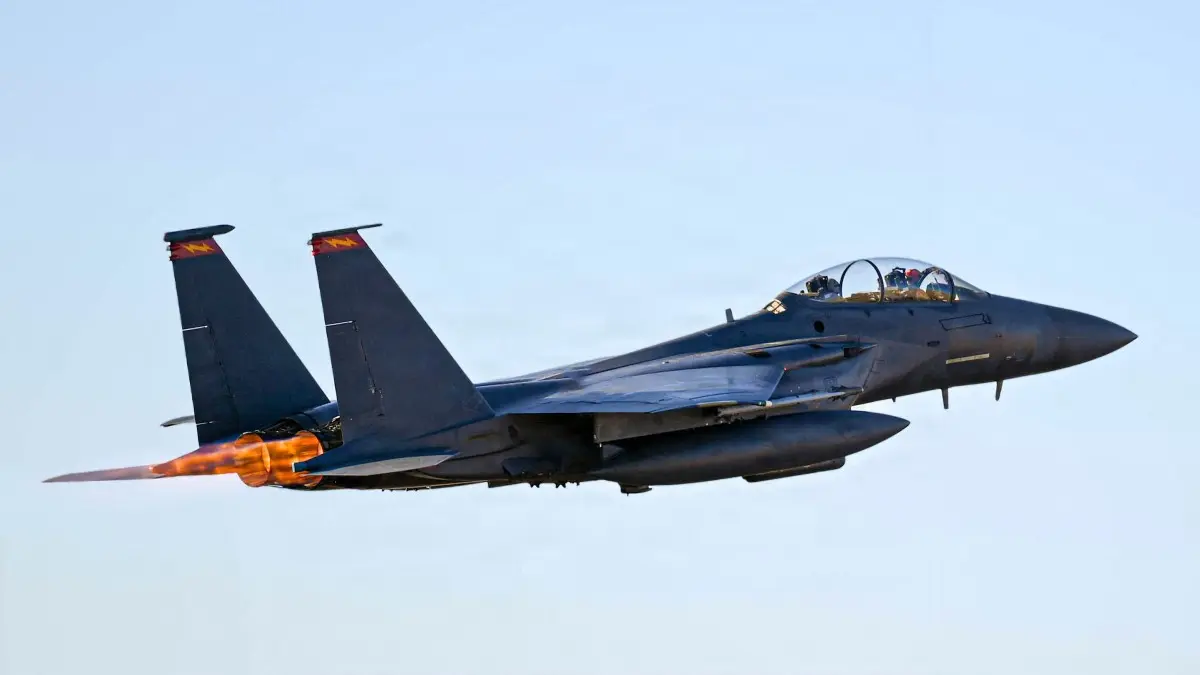
The downing of the US F-15E over Iran became a turning point in the conflict, triggering panic inside the White House. While Trump ordered the US military to go rescue the pilots from Iranian territory, the mission was overshadowed by the 1979 Iranian hostage crisis, when the US forces failed to rescue Embassy staffers who were taken hostage in Tehran. Trump had described the incident as a “mess” that cost Carter the election.
Looming uncertainty
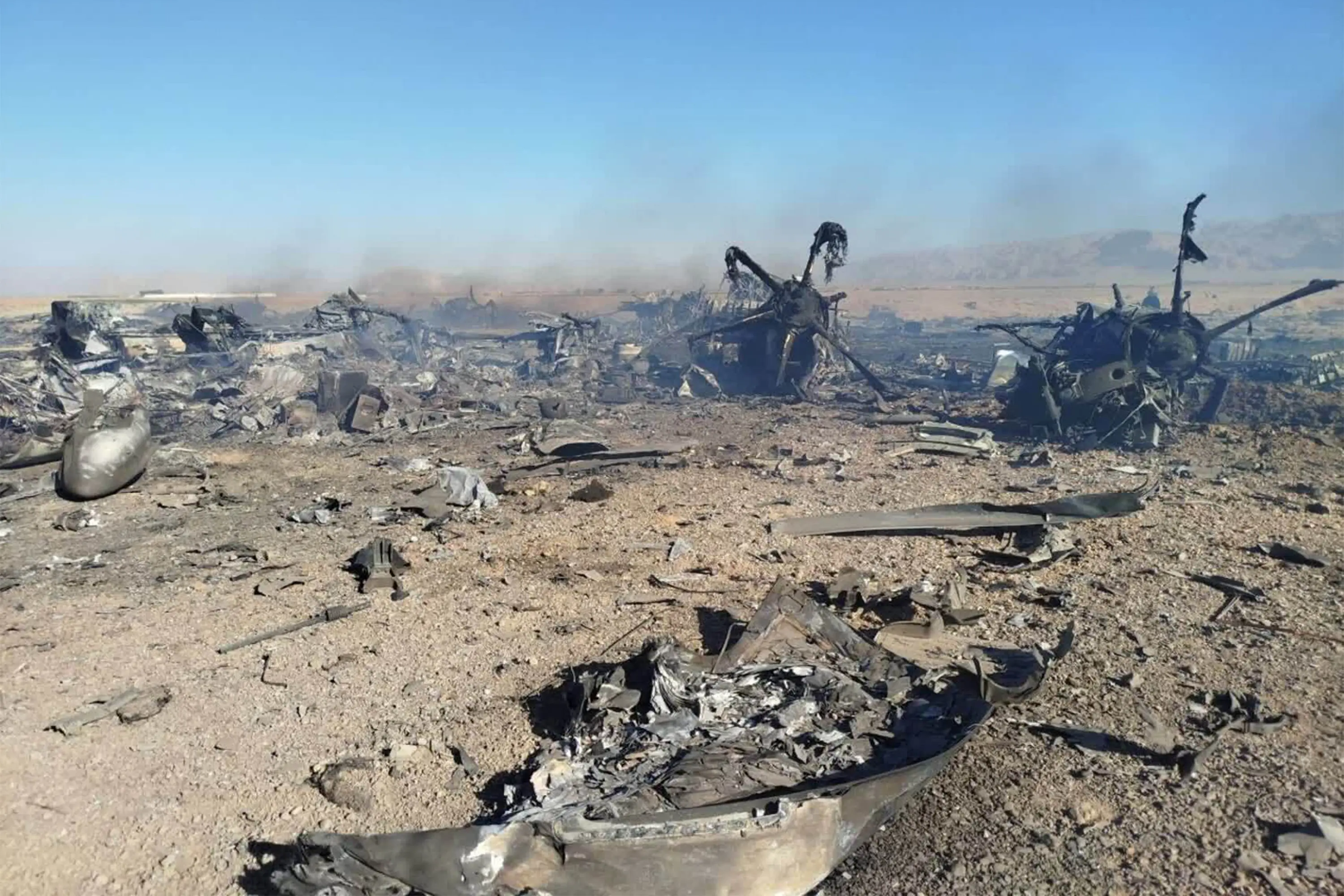
While the US military rescued the missing pilot from Iran in a high-risk operation, Washington remains stuck between escalation and negotiation as Iran’s core power structures remained intact and resistant. Meanwhile, Iran drew parallels between the 1980 mission and the US pilot rescue, mocking the United States.
Strait of Hormuz: Strategic miscalculation
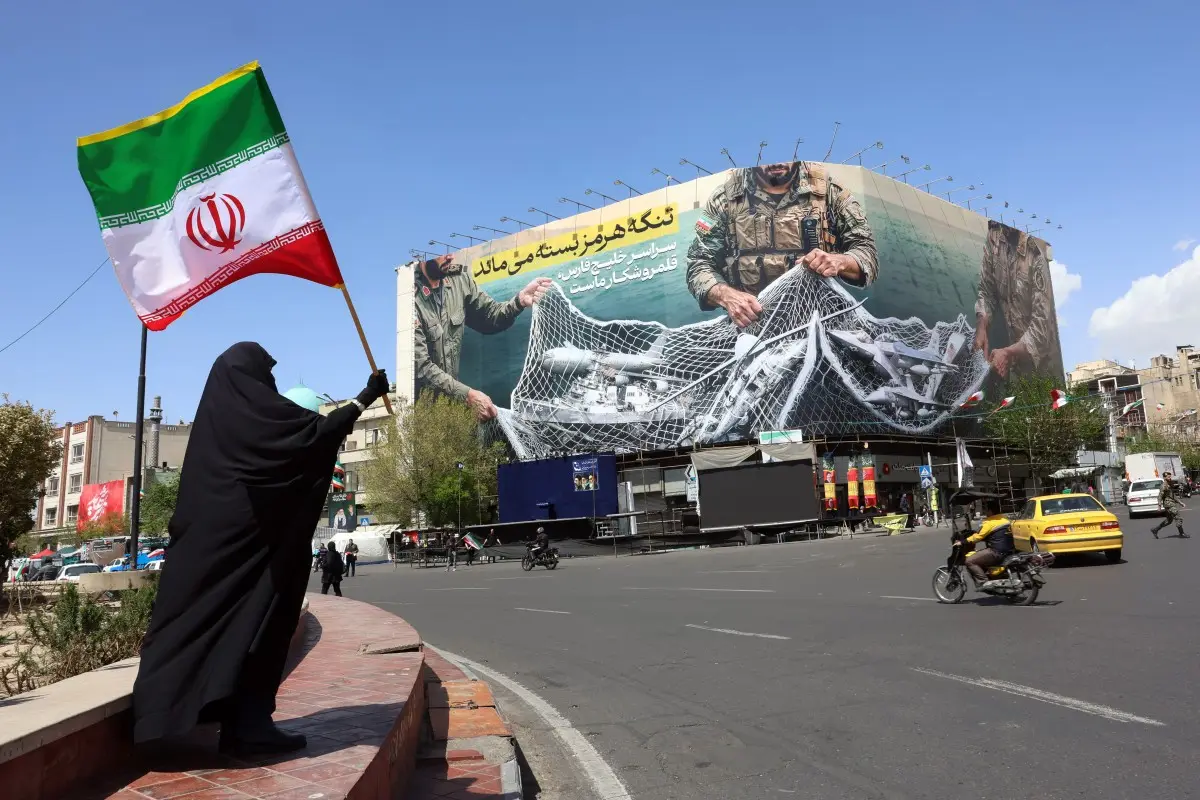
Iran’s closure of the Strait of Hormuz exposed vulnerabilities in US strategy, which assumed the war would go on for only a few weeks and result in a quick victory. Instead, the blockade of the strategic waterway drove up global oil prices, turning a military campaign into a broader economic and geopolitical crisis affecting global markets.
From push for diplomacy to unpredictable threats
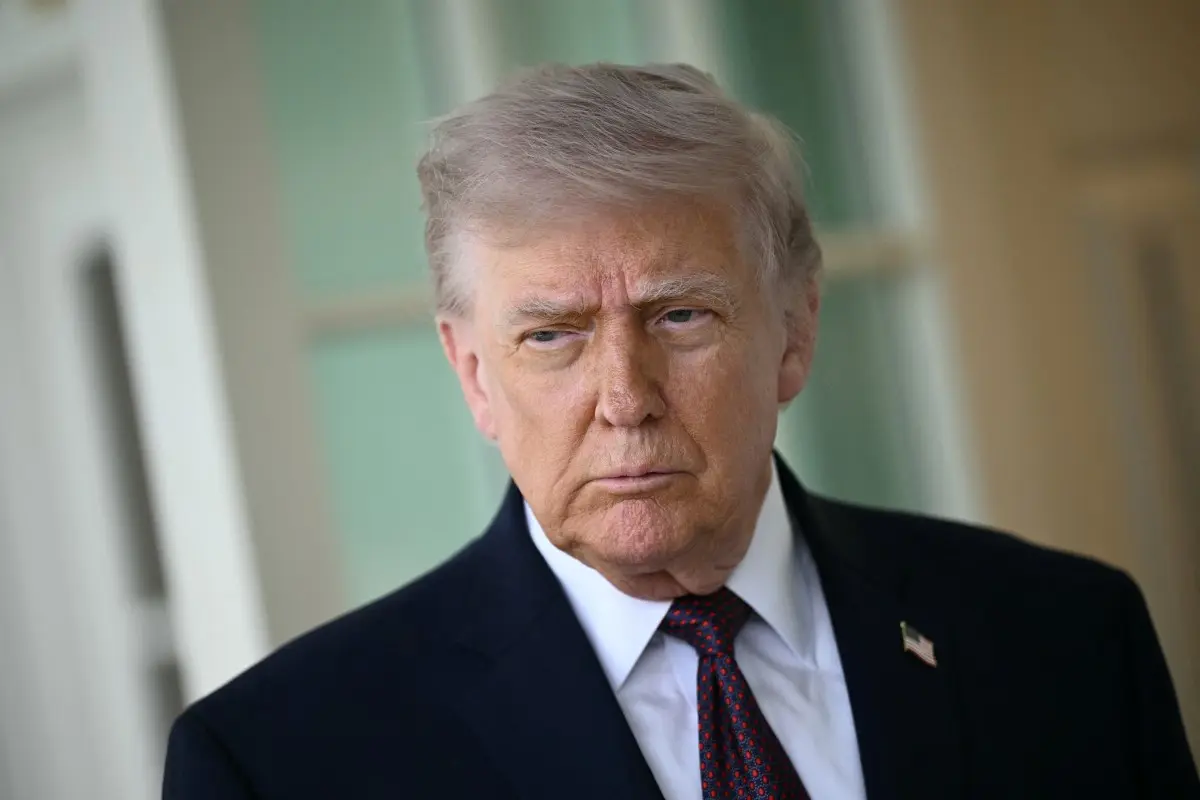
Trump seemed unable to make up his mind between diplomacy and threats, even using profanity to threaten Iran. While advisors called it a deliberate tactic to pressure Iran into talks, it also strained credibility among his allies and partners.
Hesitation on ground operation in Kharg island
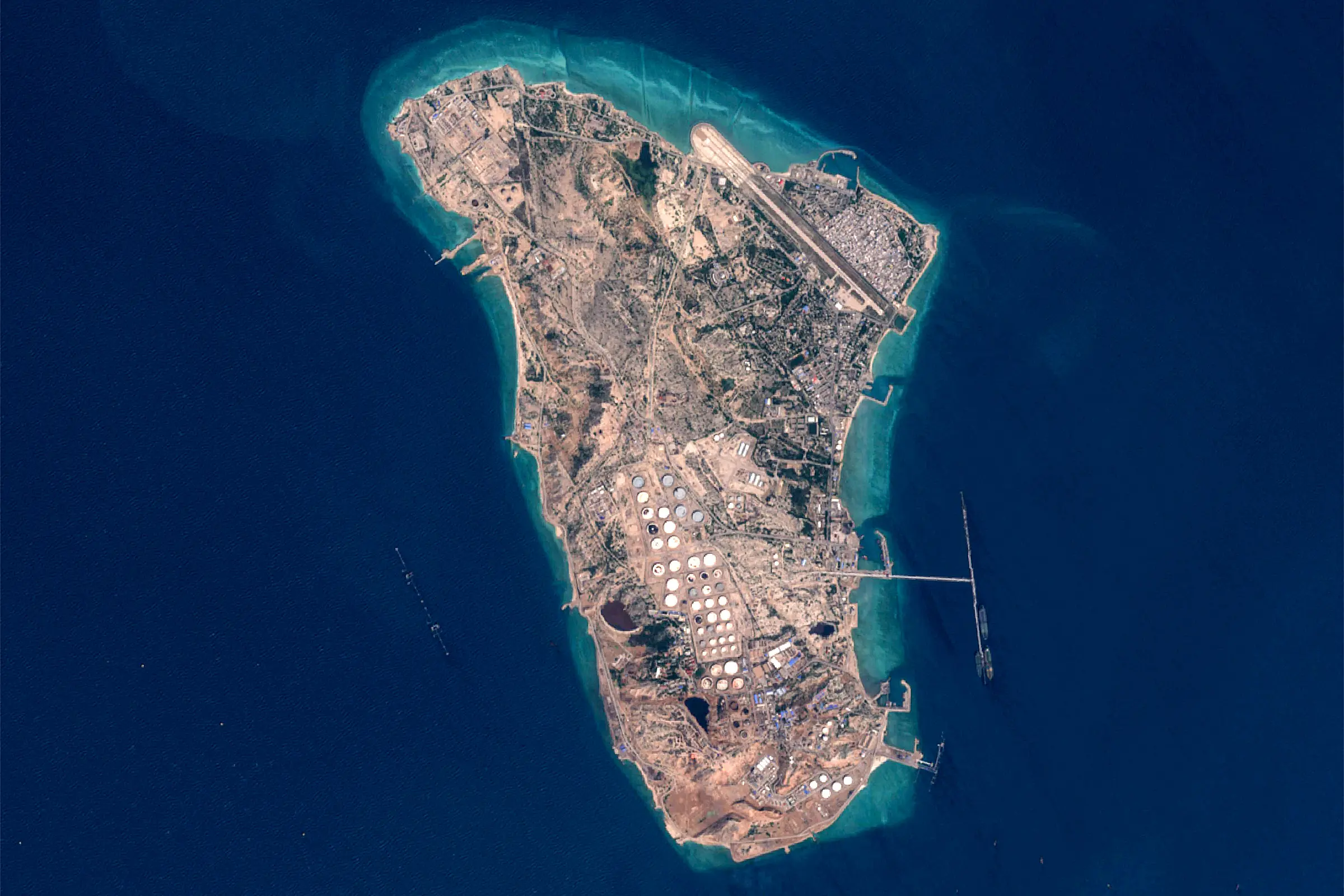
Despite aggressive rhetoric, Trump hesitated on major ground operations, fearing high casualties and a drawn-out conflict. WSJ reported that Trump had resisted sending US troops to Kharg Island as he worried about high American casualties.
No clear endgame
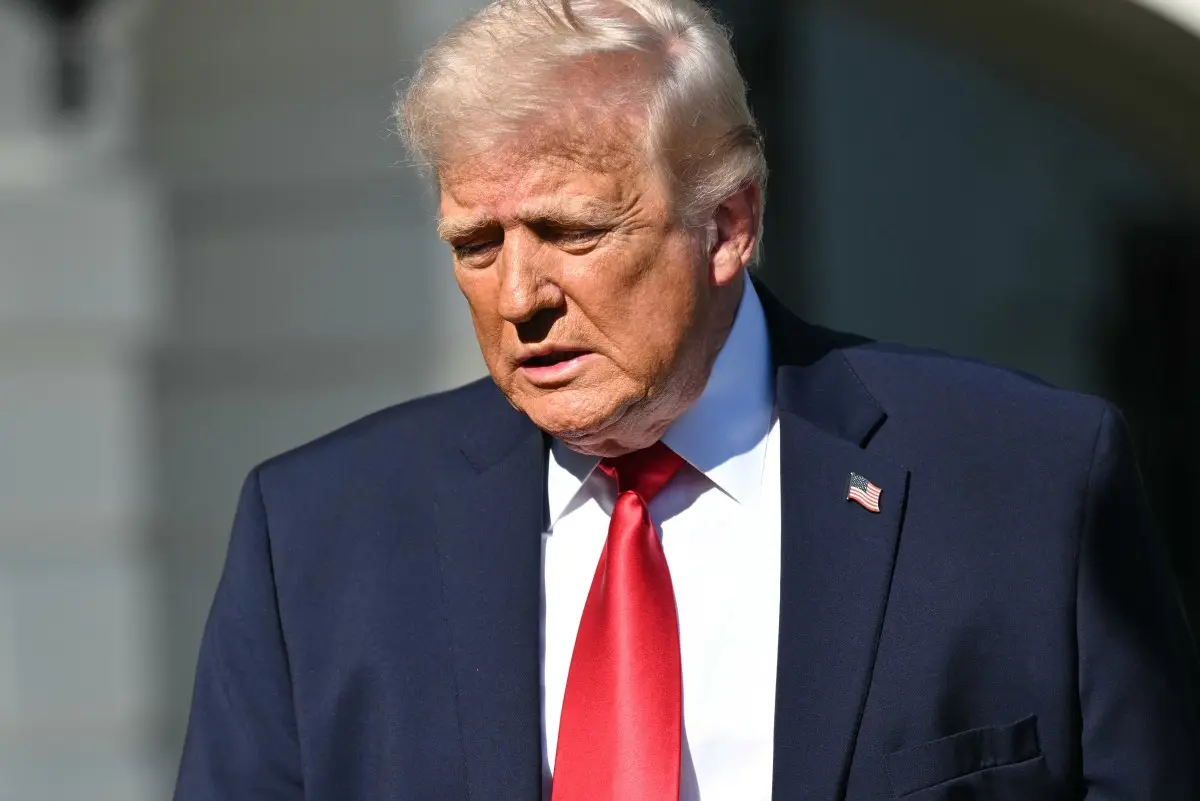
Despite the ceasefire, brokered by Pakistan, the conflict between the US and Iran remains fragile. In a recent move, Iran reimposed restrictions on the Strait of Hormuz, citing “breaches of trust” by the US. Meanwhile, Trump has said that negotiations were ongoing but warned Tehran that the US won’t tolerate “blackmail” over the strait. With rising global stakes and an inconsistent strategy, Trump’s war risks becoming a prolonged geopolitical and political burden.
Disclaimer: WION takes utmost care to accurately and responsibly report ongoing conflicts in West Asia involving Israel, Iran, the US, Gulf nations and non-state actors like Hezbollah, Hamas, Houthis, Islamic State, and others. Claims and counterclaims, disinformation and misinformation are being made online and offline. Given this context, WION cannot independently verify the authenticity of all statements, social media posts, photos and videos.
)
)
)
)
)