Trump says US strongly considering ‘NATO exit’: What does Article 13 really say and how can a country withdraw from the alliance?

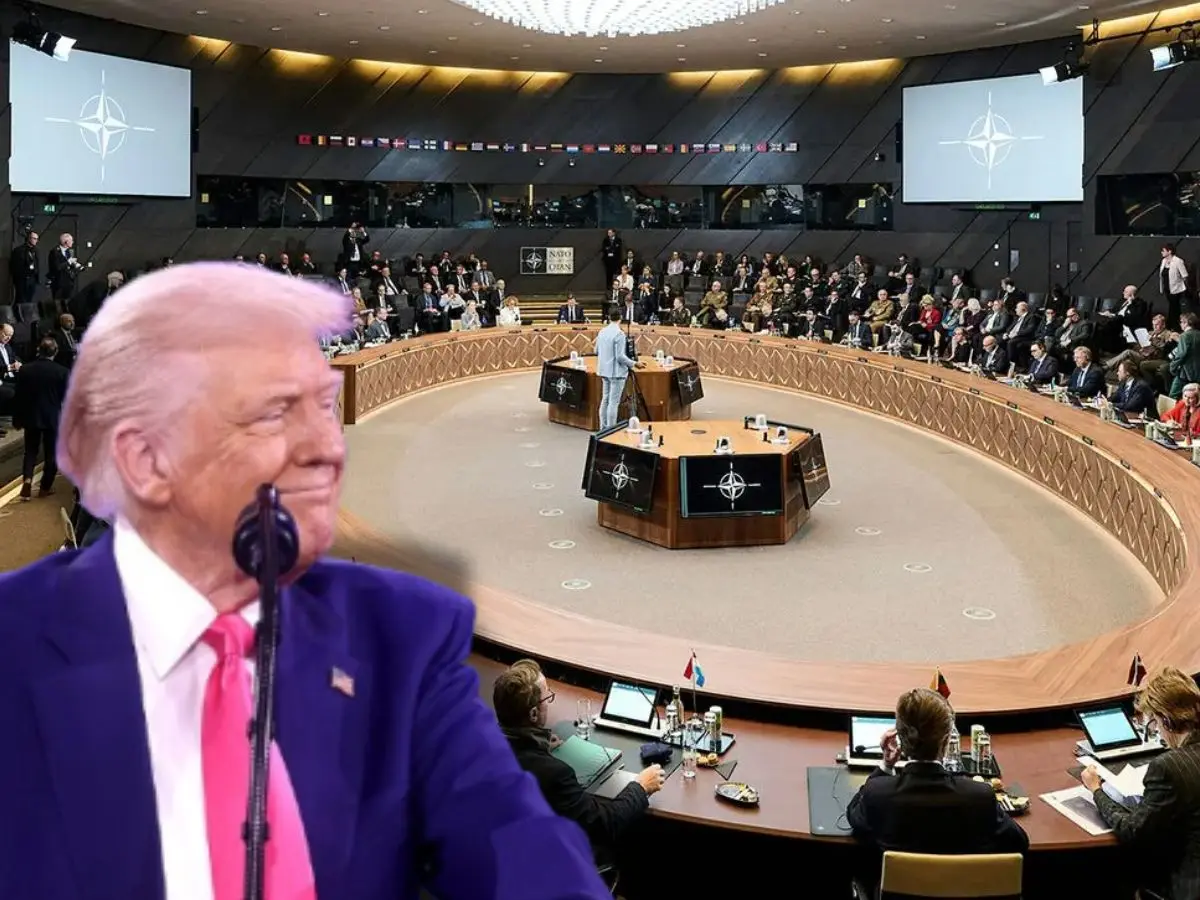
In his remarks to Reuters, Trump said he would express his disgust with NATO for what he considers the alliance's lack of support for US objectives in Iran. He said he is "absolutely" considering an attempt to withdraw the United States from NATO.
Trump signals possible NATO withdrawal
US President Donald Trump has indicated that he is ‘strongly considering’ pulling the United States out of NATO after allies reportedly failed to support American military actions against Iran, in an interview with Britain’s Daily Telegraph. Describing NATO as a ‘paper tiger,’ Trump said that removing the US from the defence pact is now ‘beyond reconsideration’. He added, “I was never swayed by NATO. I always knew they were a paper tiger, and Putin knows that too, by the way.”
Rising tensions with allies
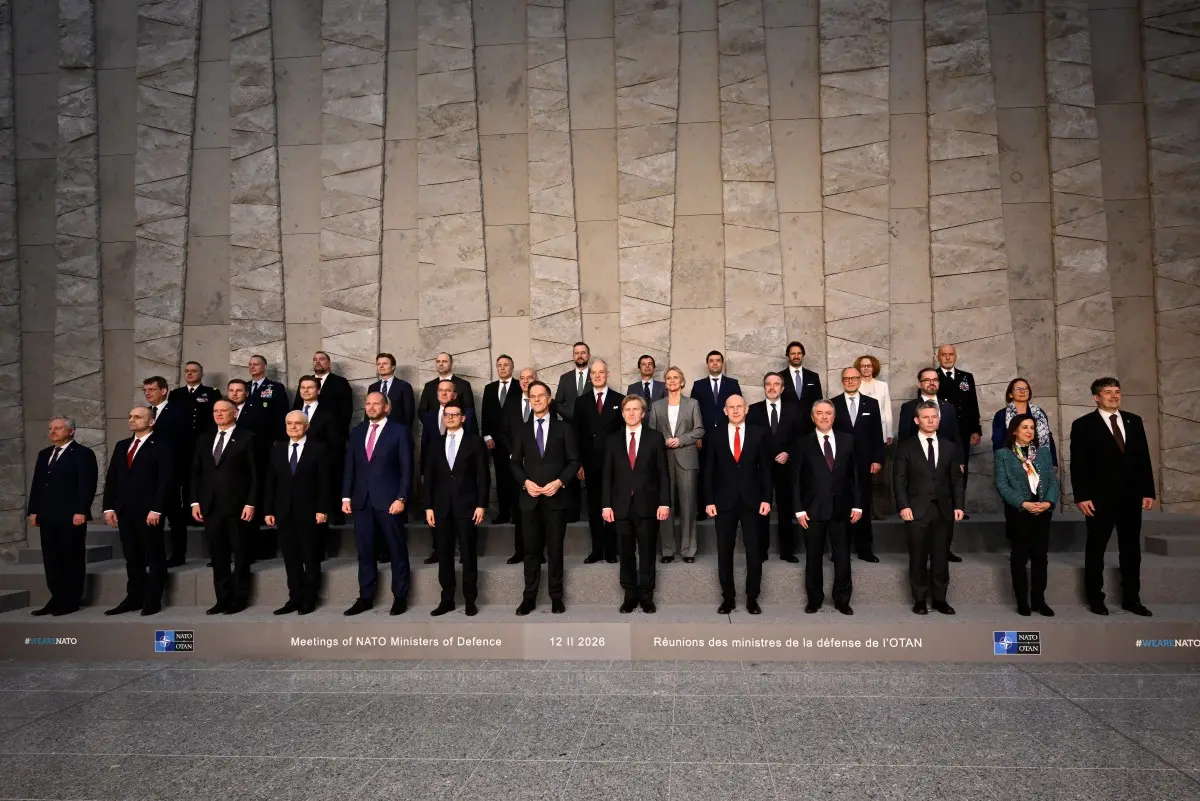
Trump’s remarks come amid strained relations between Washington and key NATO partners over the conflict in the Middle East. Earlier this month, he labelled longstanding allies ‘cowards’ for their lack of assistance in opening the Strait of Hormuz. In his remarks to Reuters, Trump said he would express his disgust with NATO for what he considers the alliance's lack of support for US objectives in Iran. “They haven’t been friends when we needed them,” Trump told Reuters in an interview. “We’ve never asked them for much … it’s a one-way street", he added.
What is NATO?
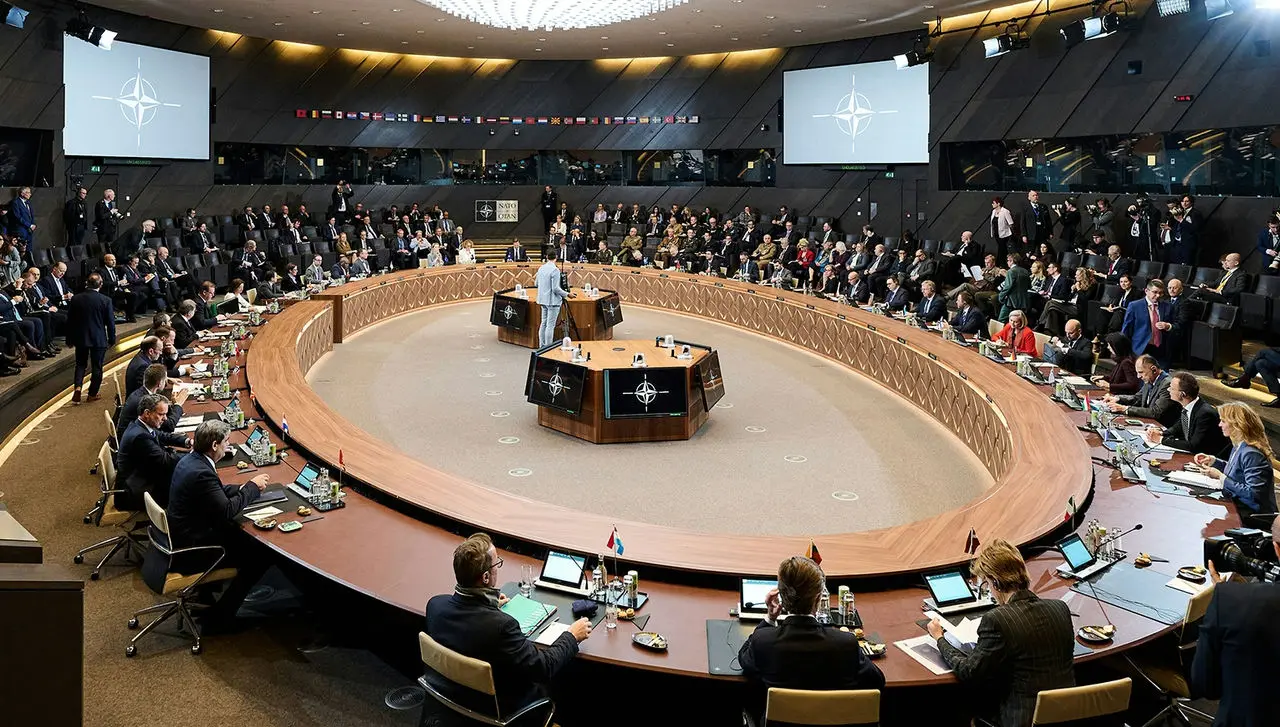
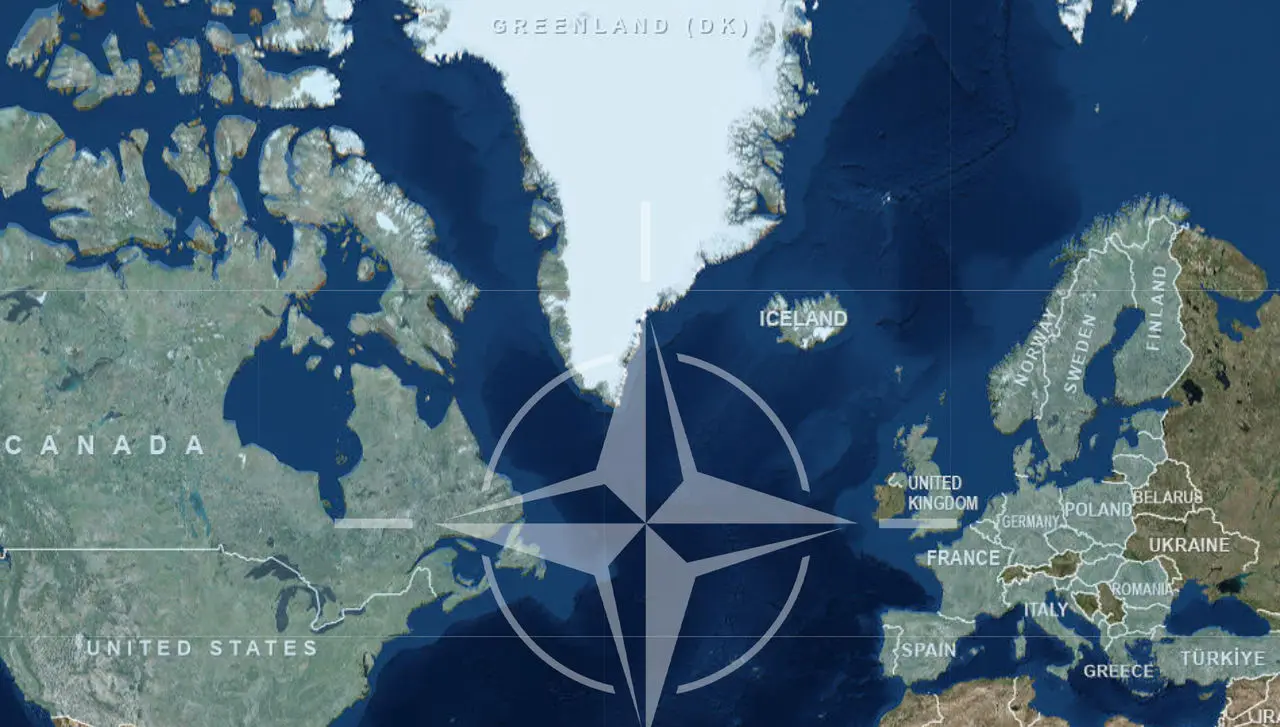
The North Atlantic Treaty Organization (NATO) is a strategic intergovernmental military alliance established in 1949 by the North Atlantic Treaty. Originally formed to counter Soviet expansion, it now comprises 32 member states across Europe and North America. The alliance operates on the principle of collective defense, enshrined in Article 5, which dictates that an attack against one member is considered an attack against all. Beyond military cooperation, NATO serves as a platform for political consultation, aiming to prevent conflict through diplomatic engagement and crisis management operations. It remains a cornerstone of Western security architecture, adapting to modern threats like cyber warfare and global instability.
What Article 13 of the NATO Treaty says
Article 13 of the North Atlantic Treaty allows any member state to withdraw from the alliance. “After the Treaty has been in force for twenty years, any Party may cease to be a Party one year after its notice of denunciation has been given to the Government of the United States of America, which will inform the Governments of the other Parties,” the article states. Withdrawal requires a formal notice, and the process takes effect one year later, legally enabling a country to exit the pact under international law.
US domestic law limits unilateral withdrawal
Under US law, a president cannot unilaterally withdraw the country from NATO following a 2023 congressional statute. Any decision would require approval from Congress or a two-thirds majority in the Senate, placing a significant political barrier against abrupt exits. This safeguard was introduced amid concerns over the global and transatlantic security impact of a potential US withdrawal.
Trump’s long-standing criticism of NATO
Trump has repeatedly criticised NATO members for failing to meet defence spending targets and relying excessively on American military support. Secretary of State Marco Rubio emphasised that Trump remains open to negotiations with Iran, while cautioning against “fake negotiations” that delay US strategic objectives.
Reexamining NATO’s value
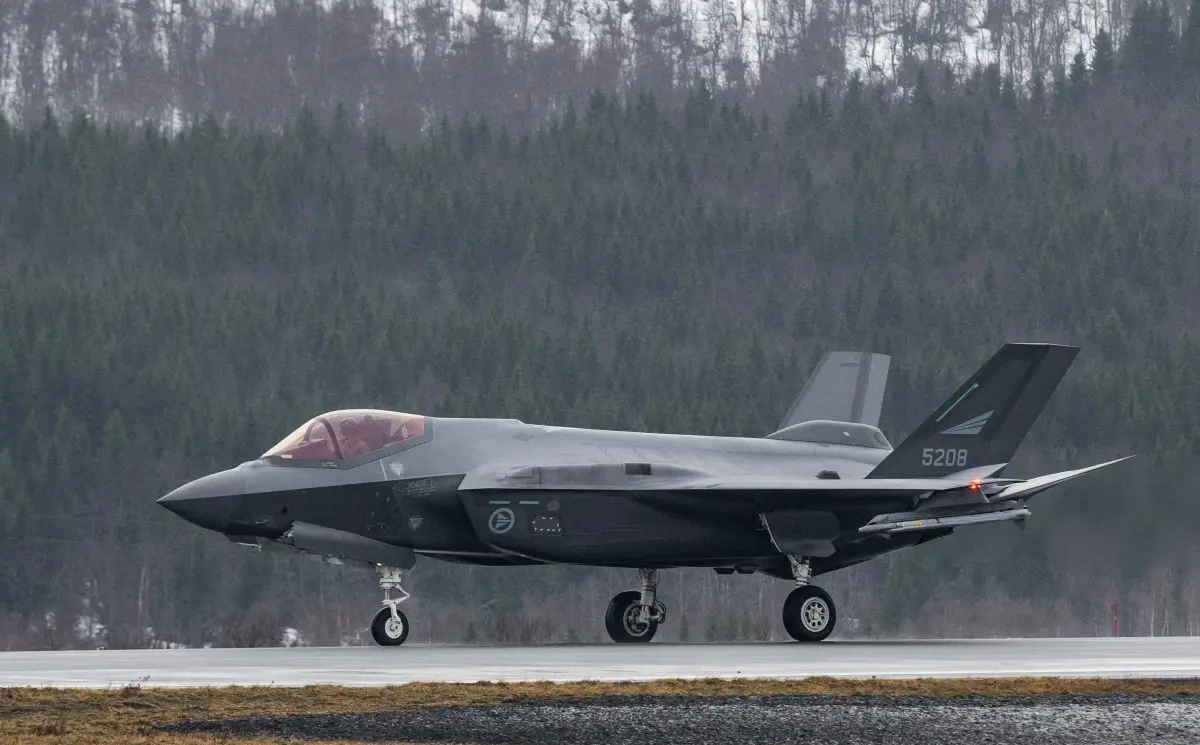
Rubio warned that NATO could become a “one-way street” if European allies deny the US access to military bases needed for global defence. “If now we have reached a point where the NATO alliance means that we can no longer use those bases to defend America’s interests… then why are we in NATO?” Rubio said. He added that the US will reassess the alliance’s value once the current conflict concludes.
Upcoming address on the conflict
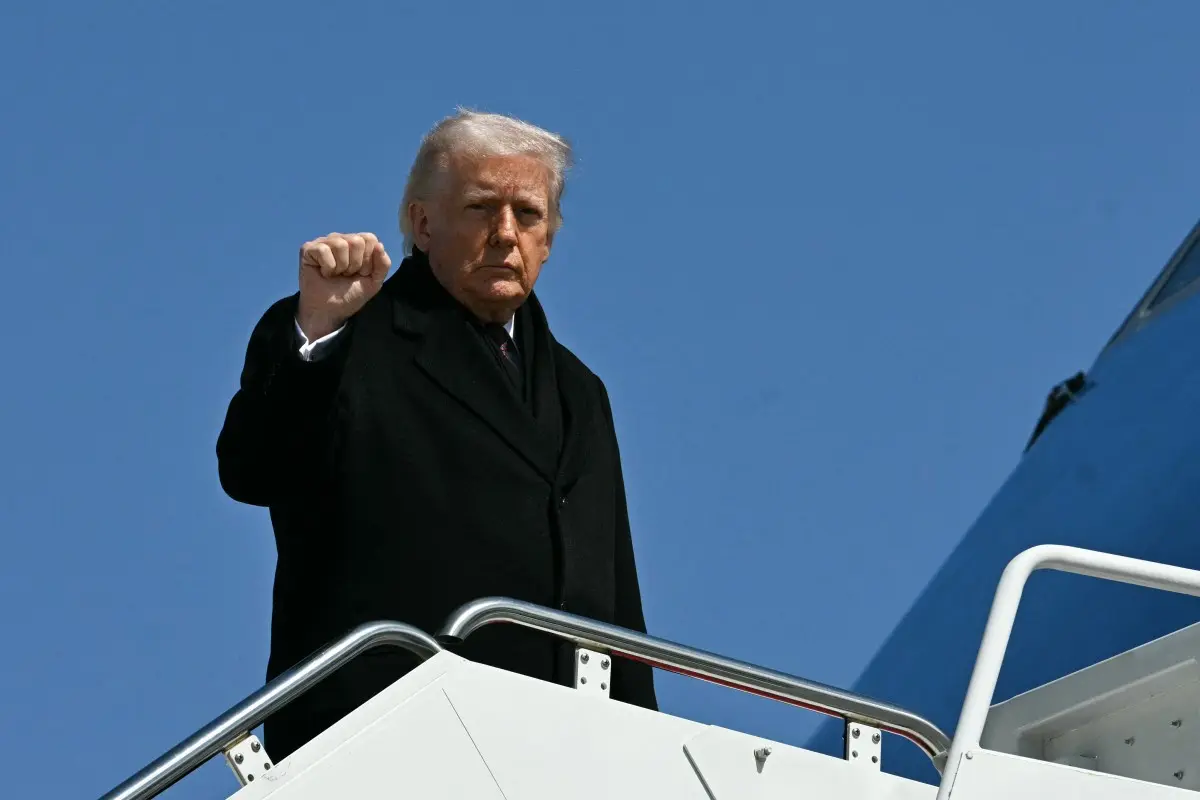
White House Press Secretary Karoline Leavitt confirmed that Trump is scheduled to deliver a televised address on Thursday evening regarding ongoing hostilities with Iran, signalling the administration’s intent to clarify its stance on international alliances and military strategy.