Trump's Greenland U-turn explained: NATO, 'forever' framework, minerals, Golden Dome and more | In Pics

After weeks of threats and tariff talk, Donald Trump has flipped the script on Greenland. Instead of force or trade punishment, the US president is now pushing a negotiated deal with NATO that could reshape control of the Arctic. All you need to know.
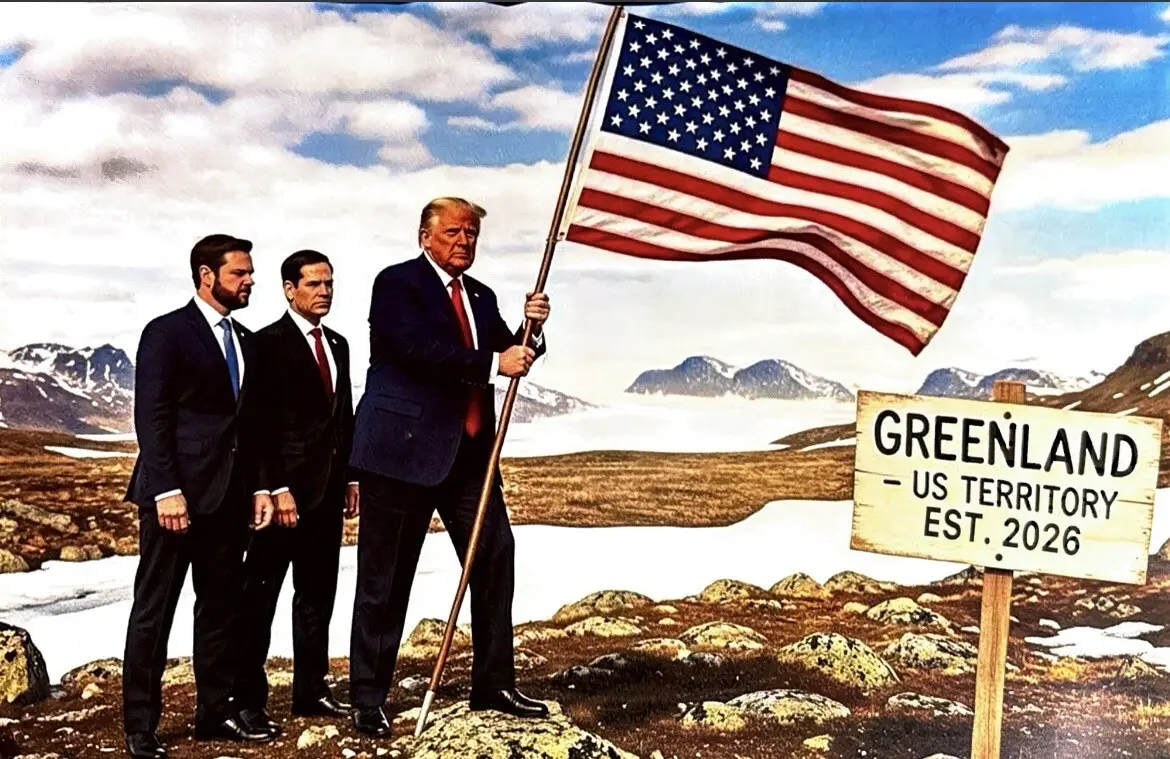
Trump's U-turn on Greenland
US President Donald Trump on Wednesday (Jan 21) shifted course on Greenland. After weeks of hardline rhetoric, the POTUS used the World Economic Forum in Davos to signal a softer approach. Tariff threats are off the table, and so is the talk of force. In its place, Trump is offering a deal.
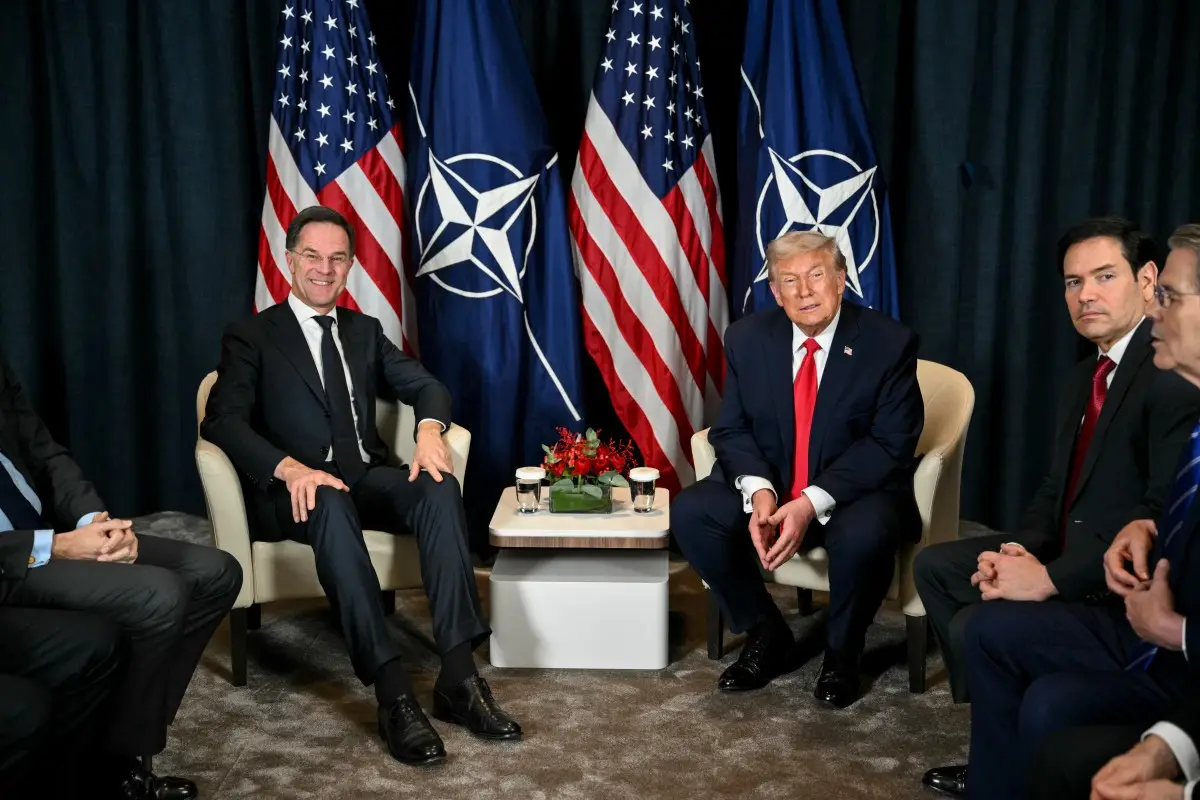
A Greenland framework takes shape
After meeting NATO Secretary General Mark Rutte, Trump said the two had drawn up what he called a "framework of a future deal with respect to Greenland and, in fact, the entire Arctic Region".
On Truth Social, Trump said the plan "if consummated, will be a great one for the United States of America and all NATO Nations." He also confirmed that tariffs planned for February 1 were now cancelled under this understanding.
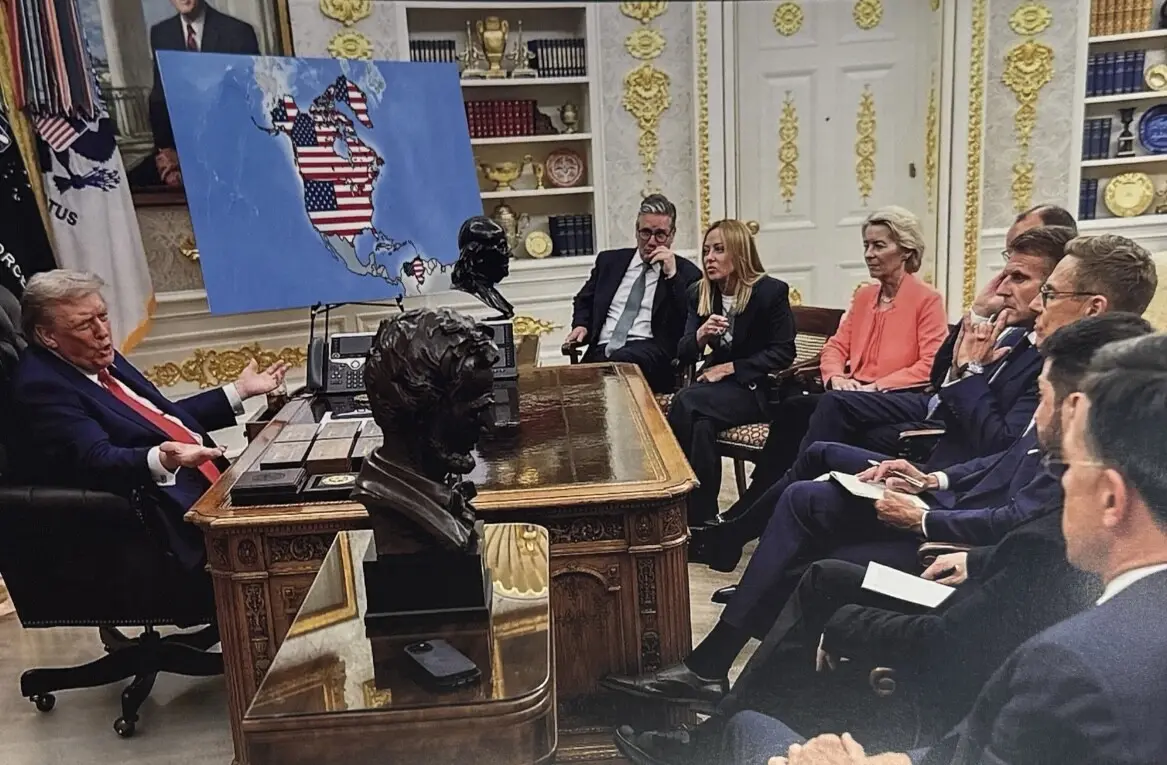
Who is running the talks
Trump said Vice President J D Vance, Secretary of State Marco Rubio, and special envoy Steve Witkoff would now take the negotiations forward.
"They will report directly to me," he added.
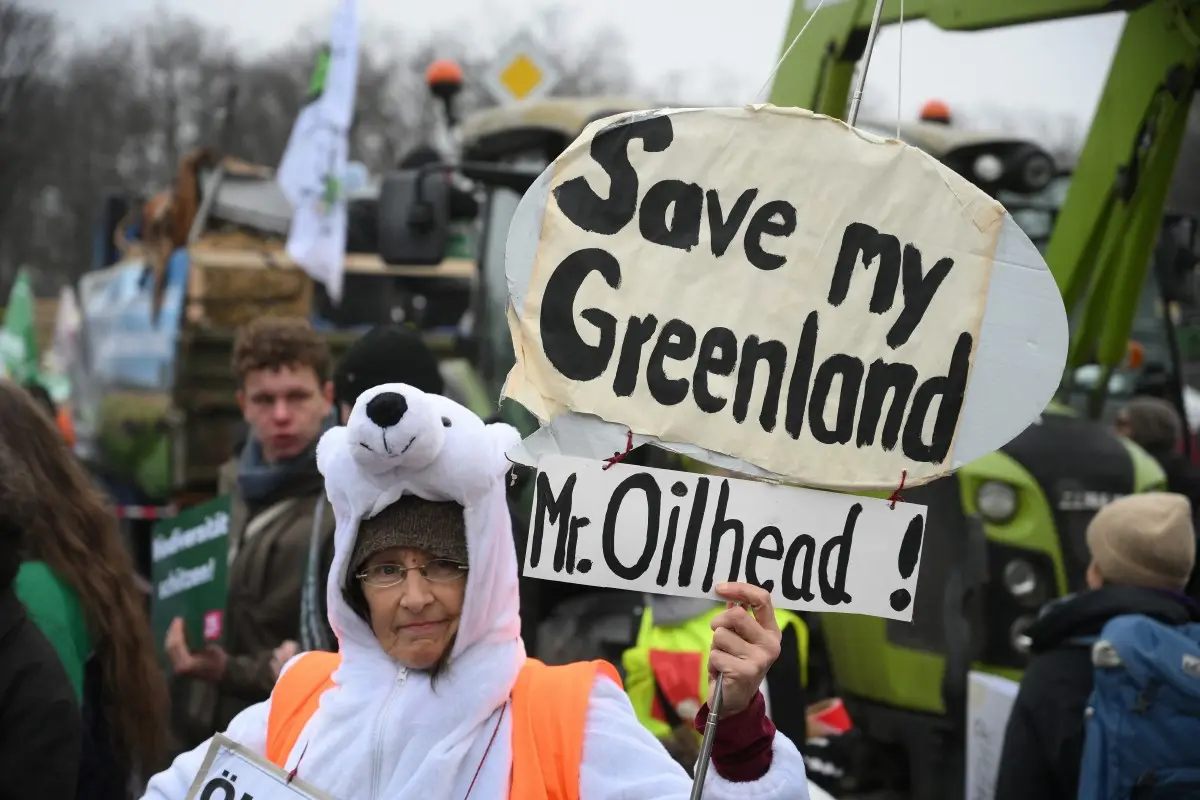
A deal that is still taking shape
In an interview with CNBC, Trump said the agreement was still a concept. He called it "a little bit complex" and said details would be explained "down the line."
Greenland's minerals at stake?
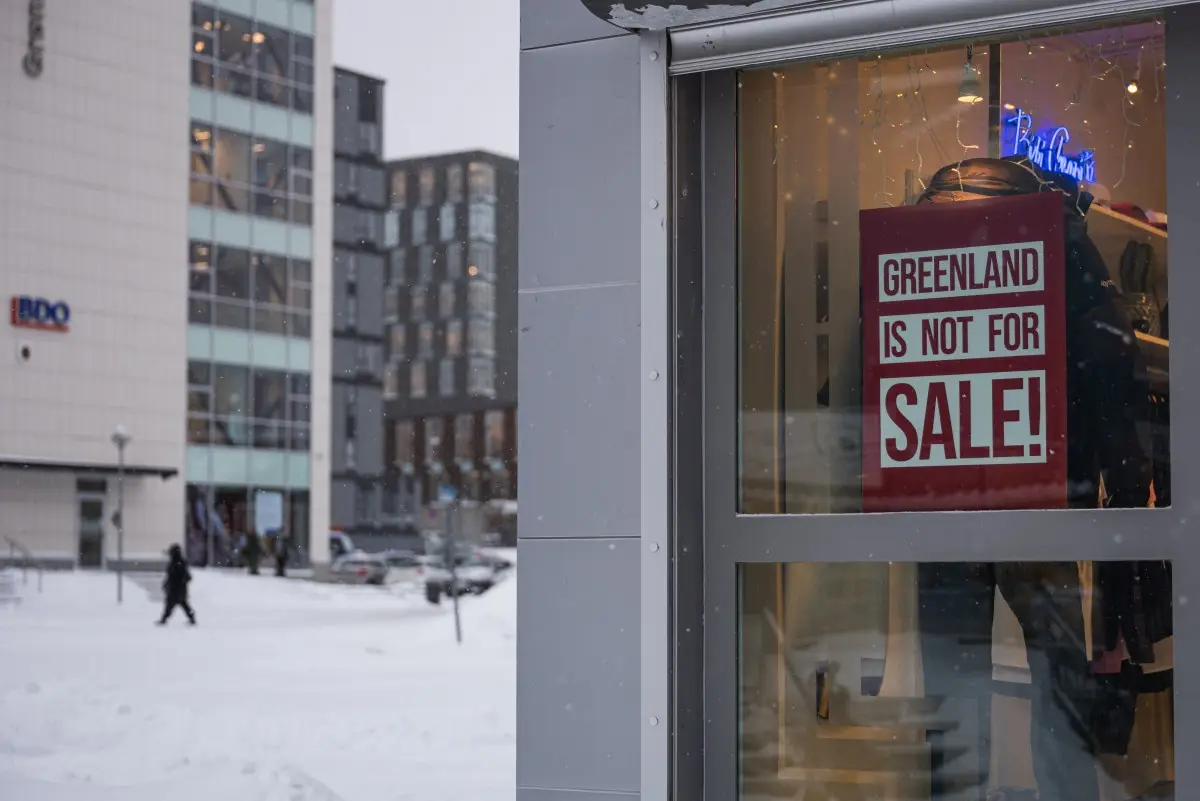
At the heart of the framework is Greenland’s mineral wealth. The island holds large reserves of rare earth elements that are critical for everything from smartphones to missile systems. Trump said the US and its European allies would gain rights to those resources.
The proposal could also allow limited local development, including mining of rare earth minerals.
The Golden Dome angle
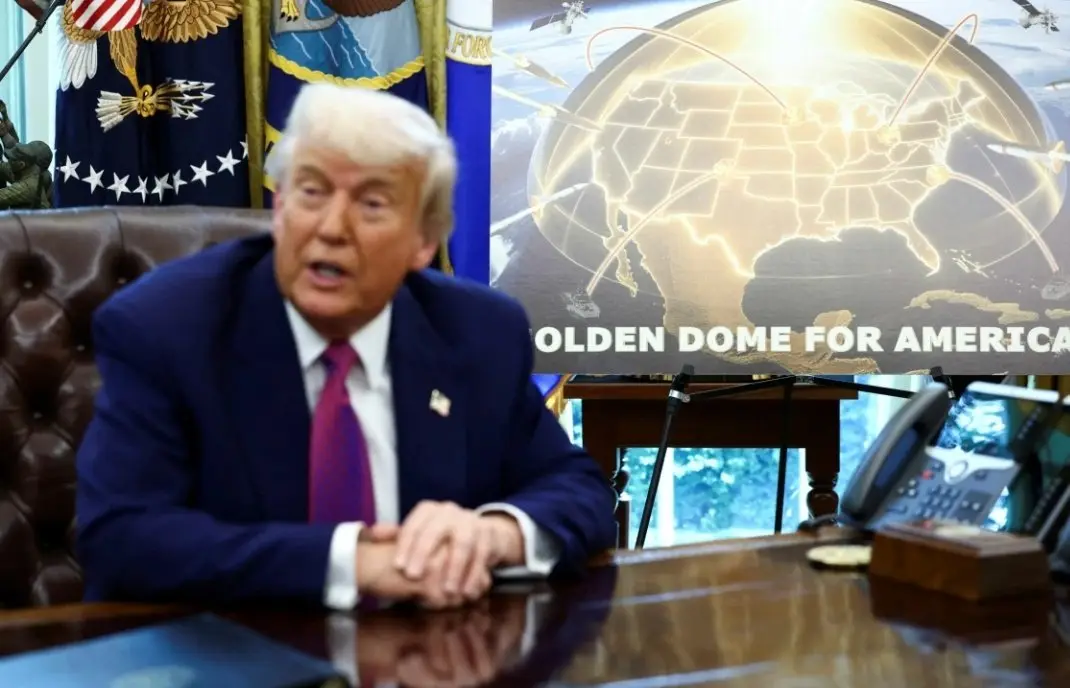
Trump also linked the deal to the Golden Dome, his 2025 plan for a space based missile shield. He suggested that parties to the framework would also be "involved in the Golden Dome" system, though he did not say if he just meant Greenland or NATO, and neither did he say exactly how.
How long would the deal last
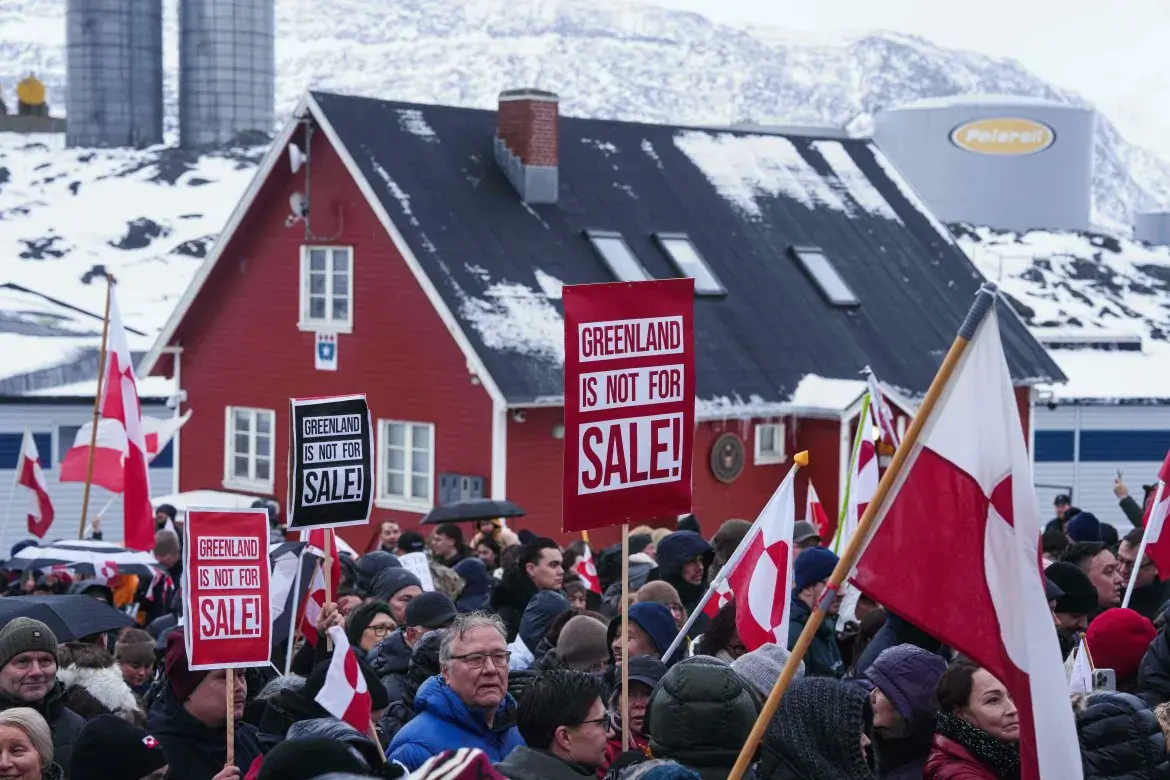
When asked how long the arrangement would run, Trump gave a blunt answer: "Forever".
Would the US control parts of Greenland
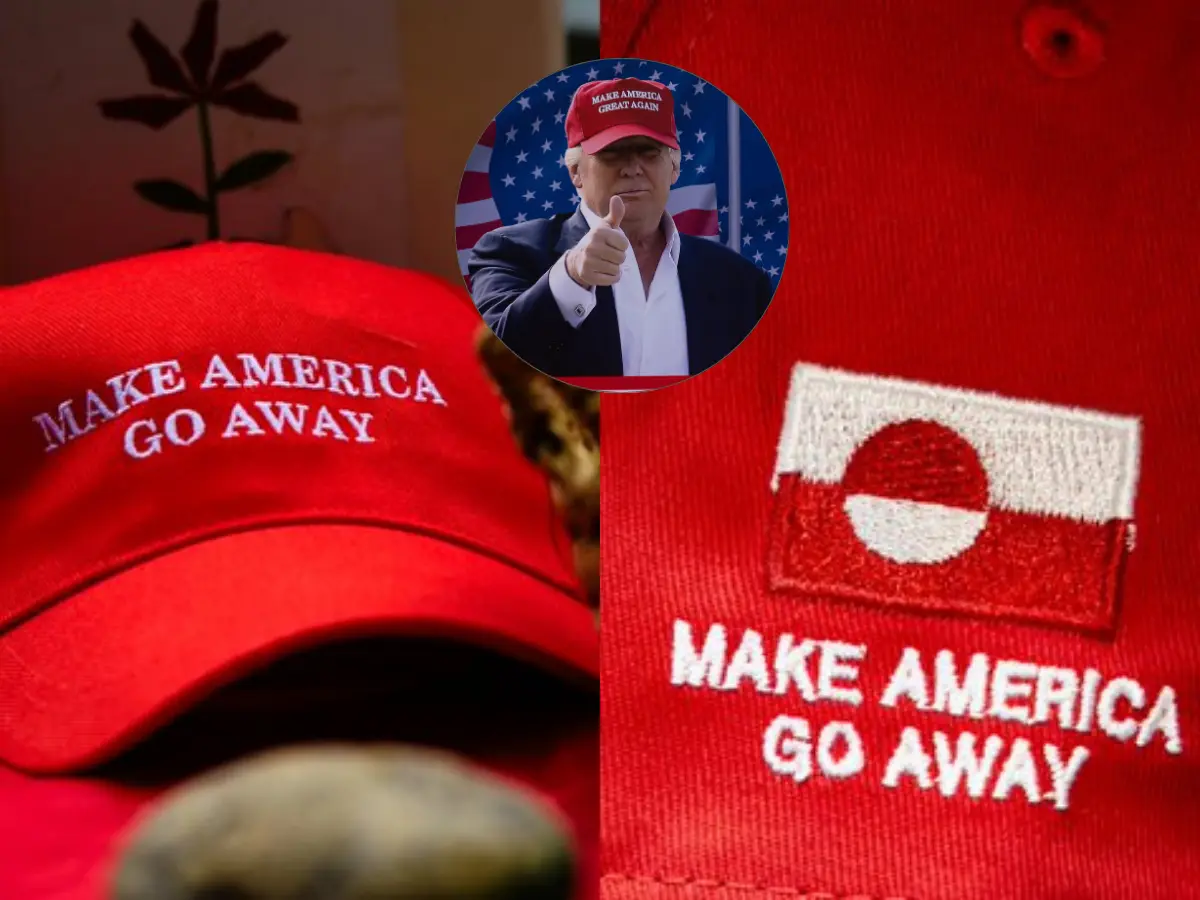
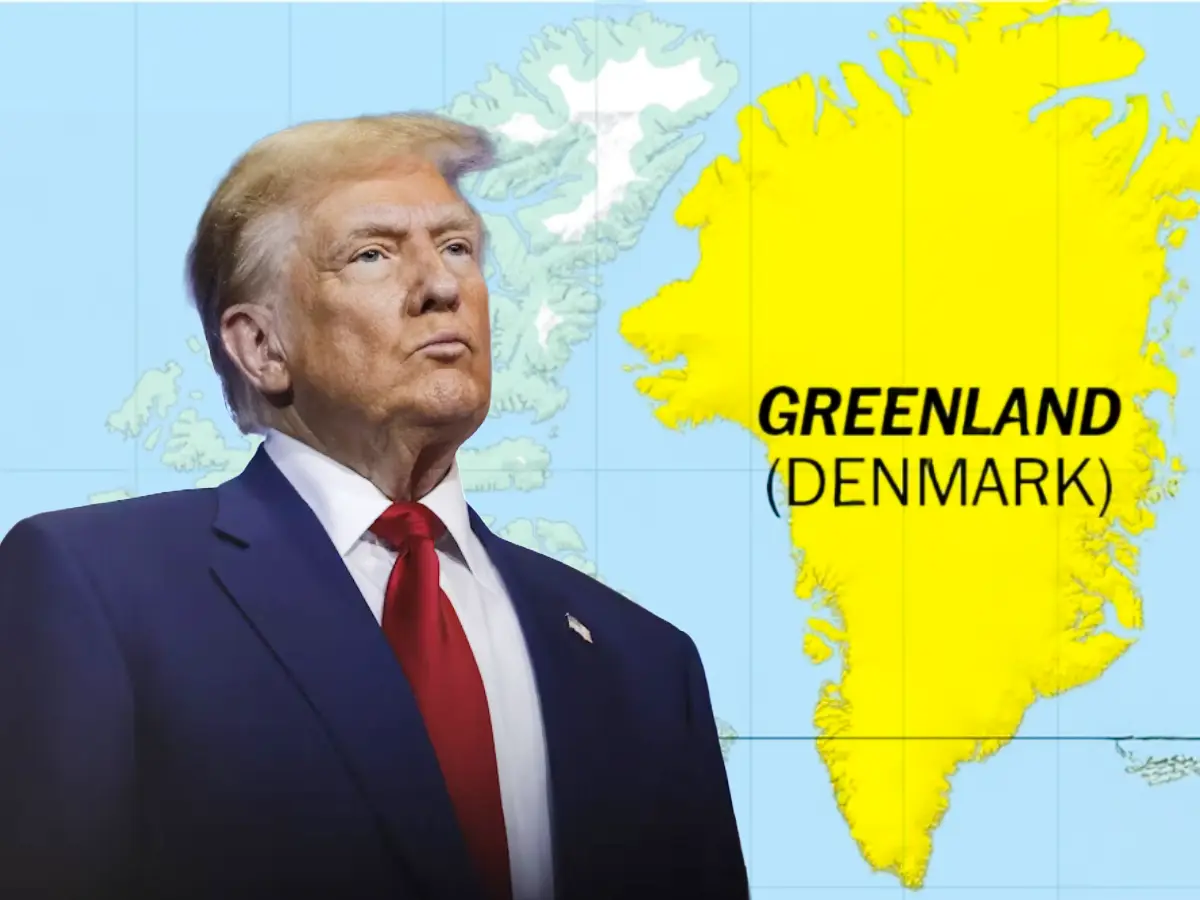
Reports suggest the framework could give the United States sovereignty over specific pockets of Greenland. The New York Times, citing senior officials familiar with the talks, reported that the framework being discussed could include a clause giving the United States sovereignty over parts of certain pockets of Greenland, and not the whole island.
Inspired by UK-Cyprus deal?
Reports suggest Trump’s framework mirrors the longstanding agreement between the UK and Cyprus. Under it, Britain retains sovereign control over military bases in Cyprus even though the island is an independent country.
Under the Greenland proposal, the US is expected to gain sovereignty over parts of the island in a similar way. If the deal goes through, America would be able to carry out military operations, intelligence missions, and training in those areas without needing Denmark’s permission. US bases in Greenland could be recognised as American territory in the Arctic.
Denmark reacts
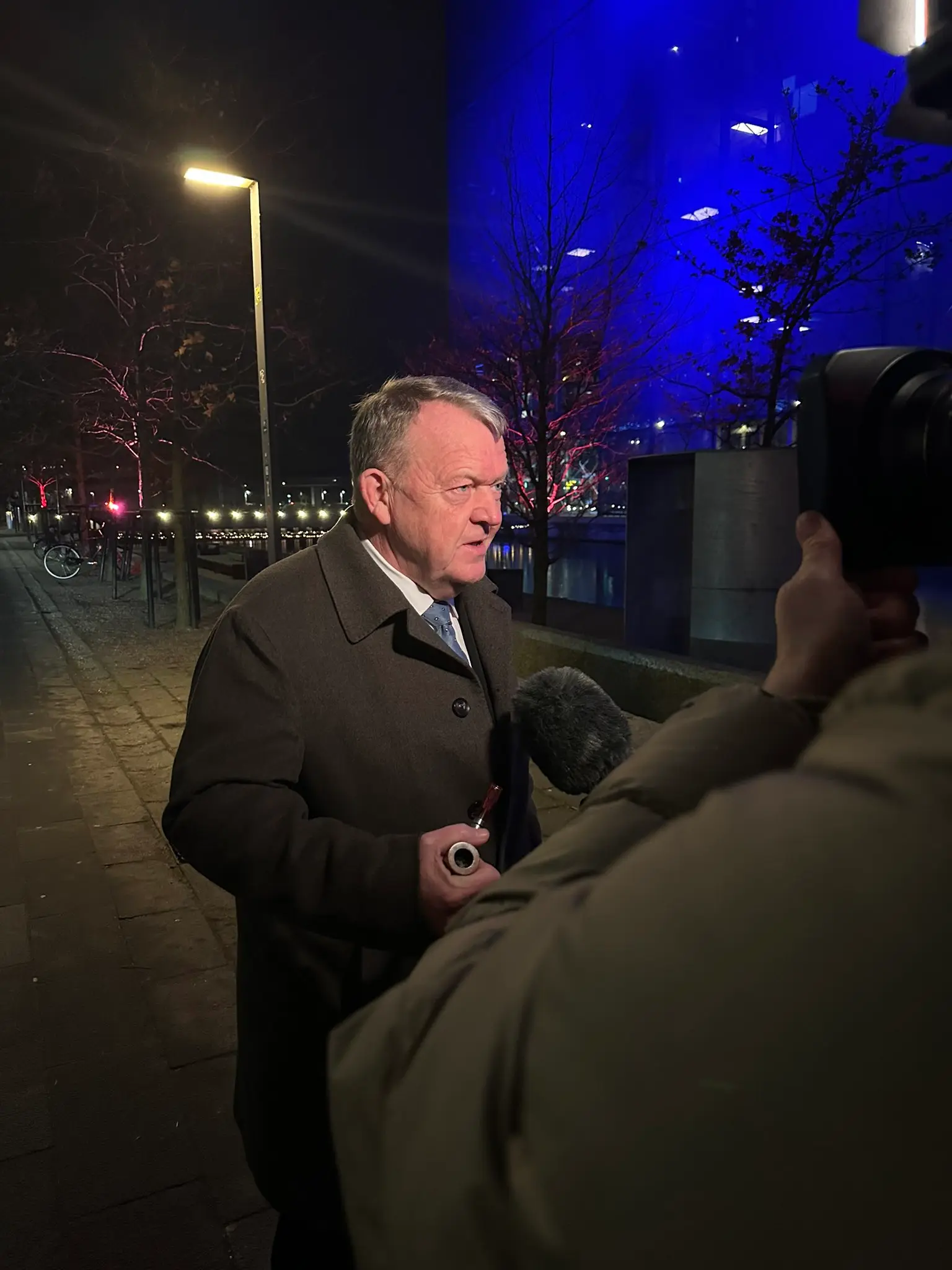
In Copenhagen, the mood was cautious but relieved. Foreign Minister Lars Løkke Rasmussen on X said that the day was "ending on a better note than it began." He welcomed Trump’s decision to rule out using force and to pause the "trade war".
"Now, let’s sit down and find out how we can address the American security concerns in the Arctic," he wrote, "while respecting the red lines of the KoD".
)

)
)
)