Trump preparing to attack Tehran amid ceasefire? USS Abraham Lincoln spotted just 200km from Iran coast amid US blockade of Hormuz

Why is the USS Abraham Lincoln moving this close to Iran, and what does it signal? The warship, as per reports, is just 200 km off Iran’s coast. Amid rising tensions around the Strait of Hormuz, is the US carrier carrying out Trump's blockade of the vital waterway? All we know.
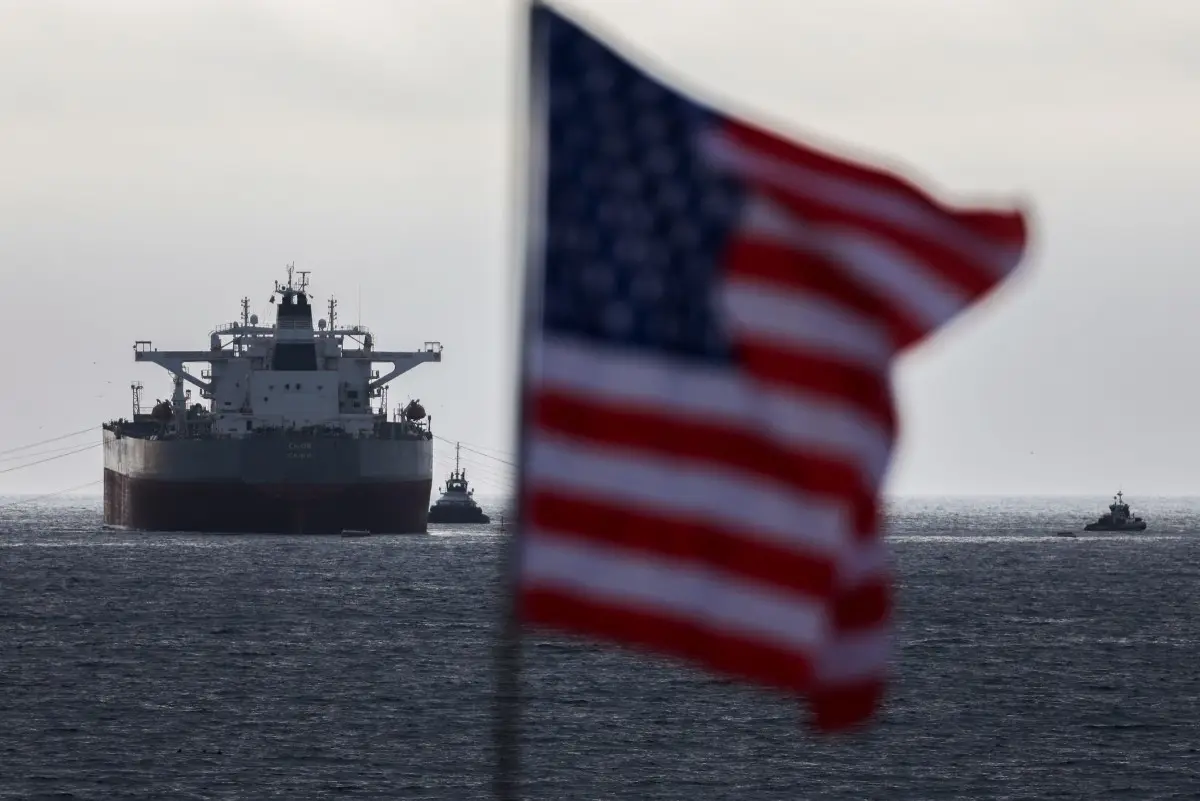
The USS Abraham Lincoln is closer to Iran than it's ever been
Satellite imagery shows the USS Abraham Lincoln, a nuclear-powered Nimitz-class aircraft carrier with a 4.5-acre flight deck, is positioned at the eastern edge of the Gulf of Oman, roughly 200 kilometres south of the Iranian coastline. That is the closest the warship has been observed to Iran since the war began in late February. According to a BBC report, two additional vessels visible in the imagery are consistent in size and shape with guided-missile destroyers and are likely part of the Lincoln's carrier strike group, though their exact identity has not been confirmed.
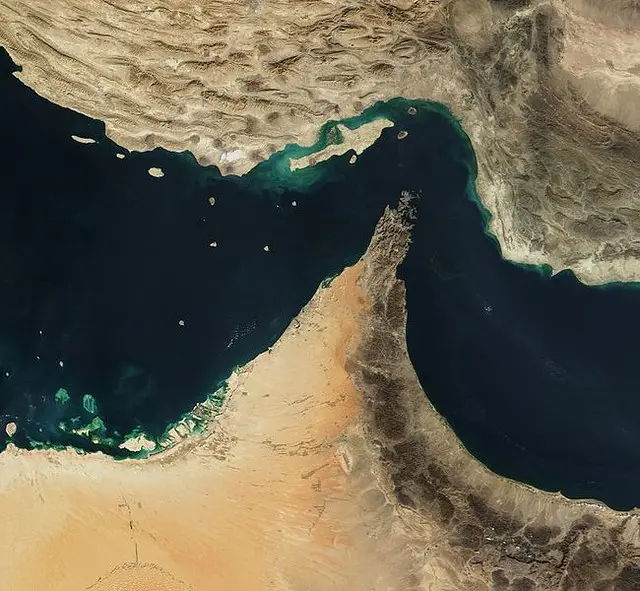
USS Abraham Lincoln and US blockade of Hormuz
At 2:00 PM GMT on Monday, the United States' maritime blockade of Iran came into force, targeting ships entering or leaving Iranian ports and coastal areas in the Gulf. President Donald Trump ordered the blockade following the collapse of peace talks in Islamabad over the weekend, warning that any Iranian vessels challenging it would be destroyed. The move landed despite a two-week ceasefire agreed just days earlier, with mediators Pakistan and Qatar publicly calling on both sides to respect the truce as diplomatic efforts continue.
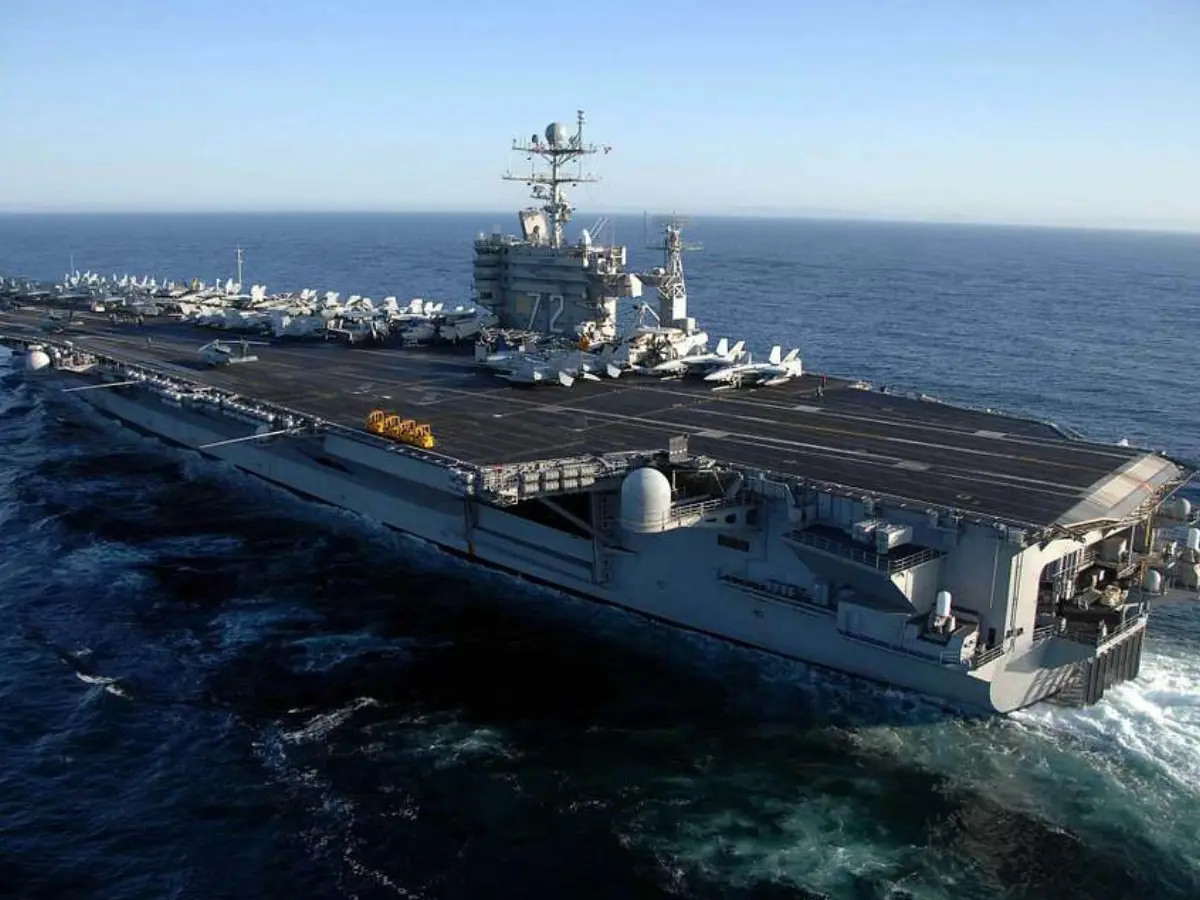
Iran has already threatened to fire on USS Abraham Lincoln
Iran's navy chief Shahram Irani said on March 29 that the USS Abraham Lincoln would be targeted the moment it came within firing range. "As soon as the USS Abraham Lincoln carrier strike group comes within firing range, we will avenge the blood of the martyrs of the Dena warship by launching various types of sea-to-sea missiles," he said, referring to an Iranian frigate the US sunk on March 4. The Lincoln has now moved significantly closer to Iranian waters since those remarks were made.
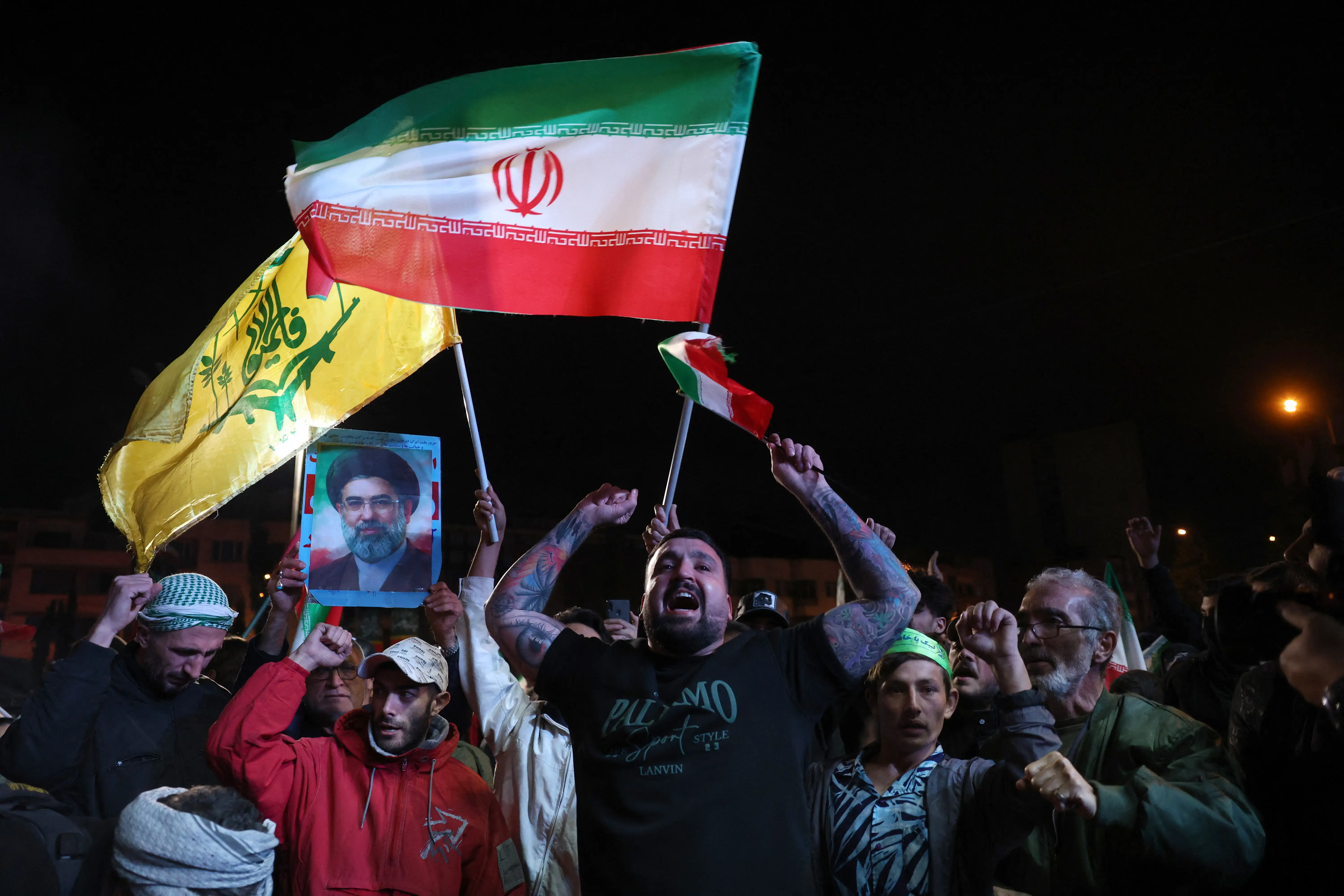
Iran calls the blockade a "grave violation" of international law
Iran's ambassador to the United Nations, Amir Saeid Iravani, in a letter to UN Secretary General António Guterres, described it as "a grave violation of the sovereignty and territorial integrity of the Islamic Republic of Iran" and a breach of fundamental principles of international maritime law. He warned that the blockade "poses a grave threat to international peace and security and obviously exacerbates the risk of escalation in an already highly volatile region." The UN secretary general, for his part, called on "all parties" to respect freedom of navigation through the Strait of Hormuz — a statement directed at both Washington and Tehran.
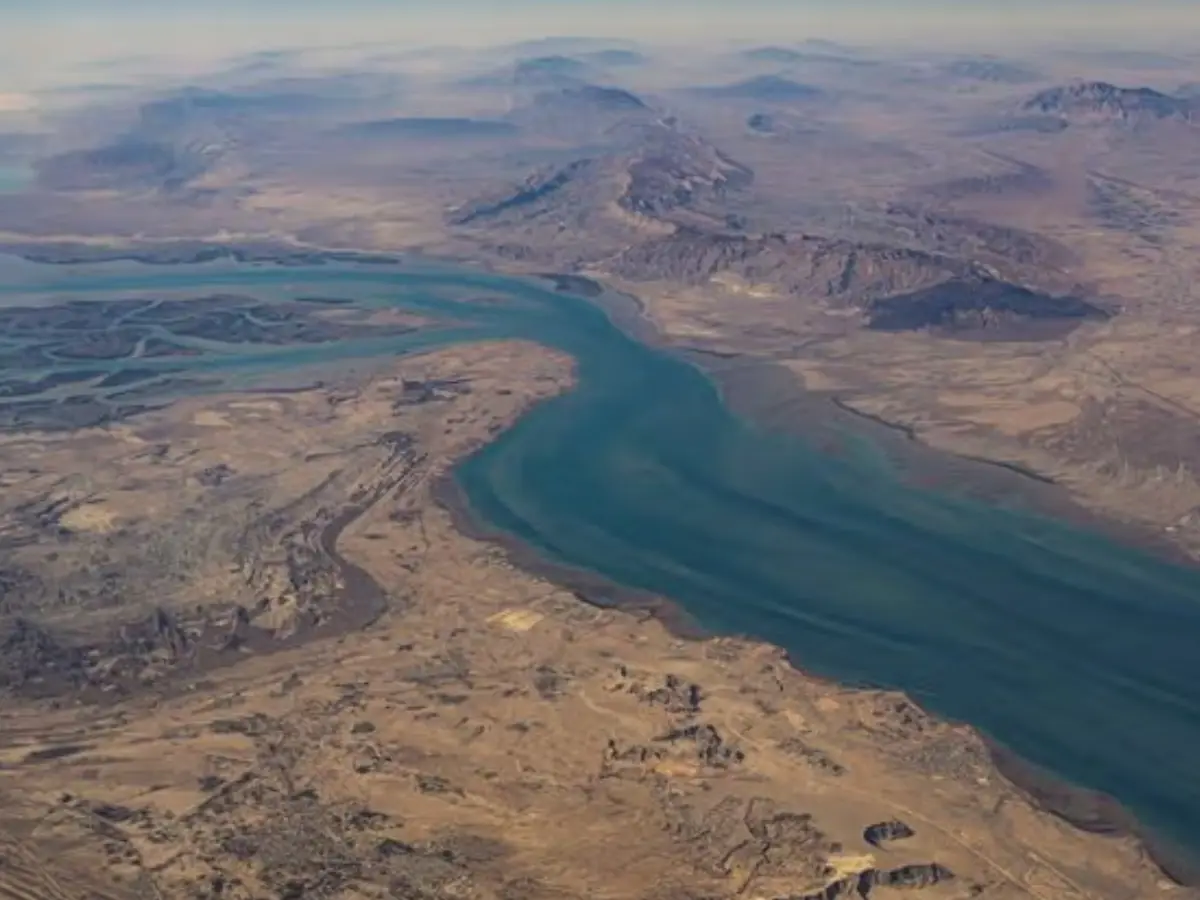
The Strait of Hormuz is now blocked from both sides
The Strait of Hormuz, through which roughly a fifth of the world's oil and gas flows, is now effectively blocked from two directions. Iran moved to blochade the vital passage earlier in the conflict. The US blockade now adds a second layer of closure.
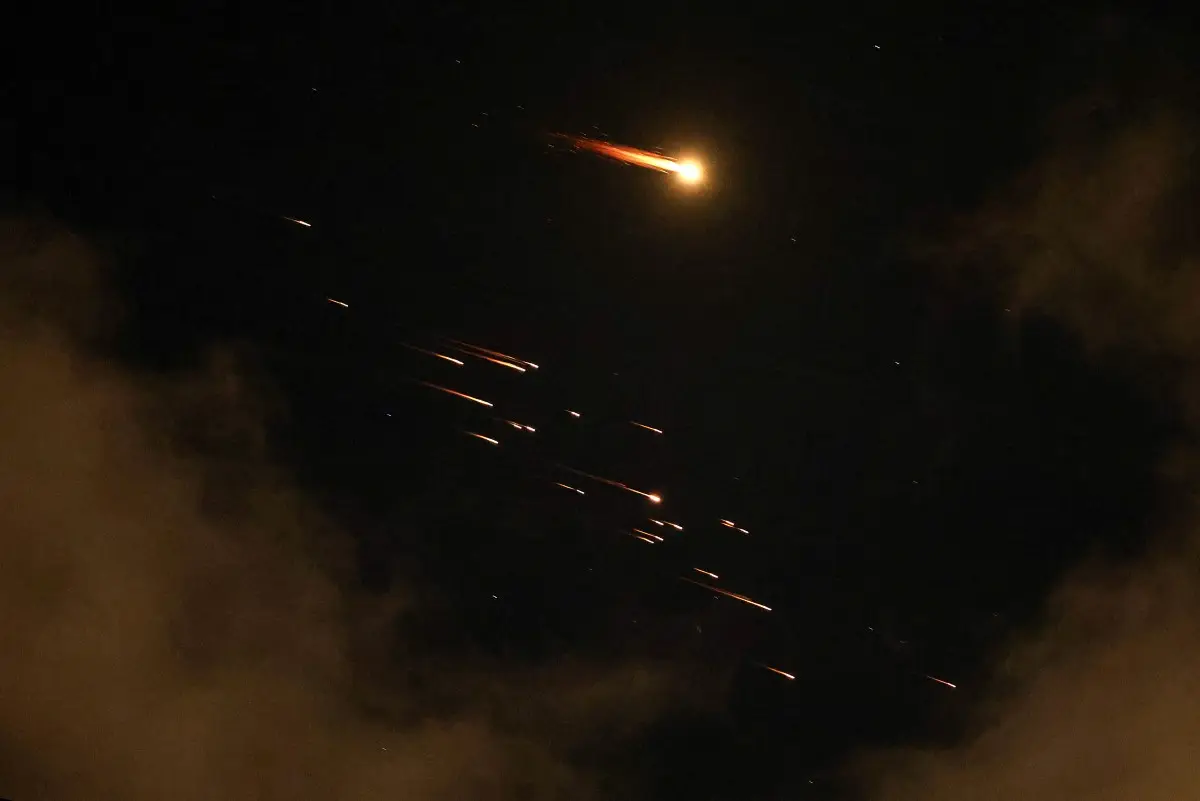
Iran wants its neighbours to pay — literally
In a second letter to the UN, Iravani turned his attention to the five regional countries he accuses of facilitating the US military campaign against Iran — Bahrain, Saudi Arabia, Qatar, the UAE and Jordan. He called on them to "cease their internationally wrongful acts" and demanded compensation for "all material and moral damage sustained."
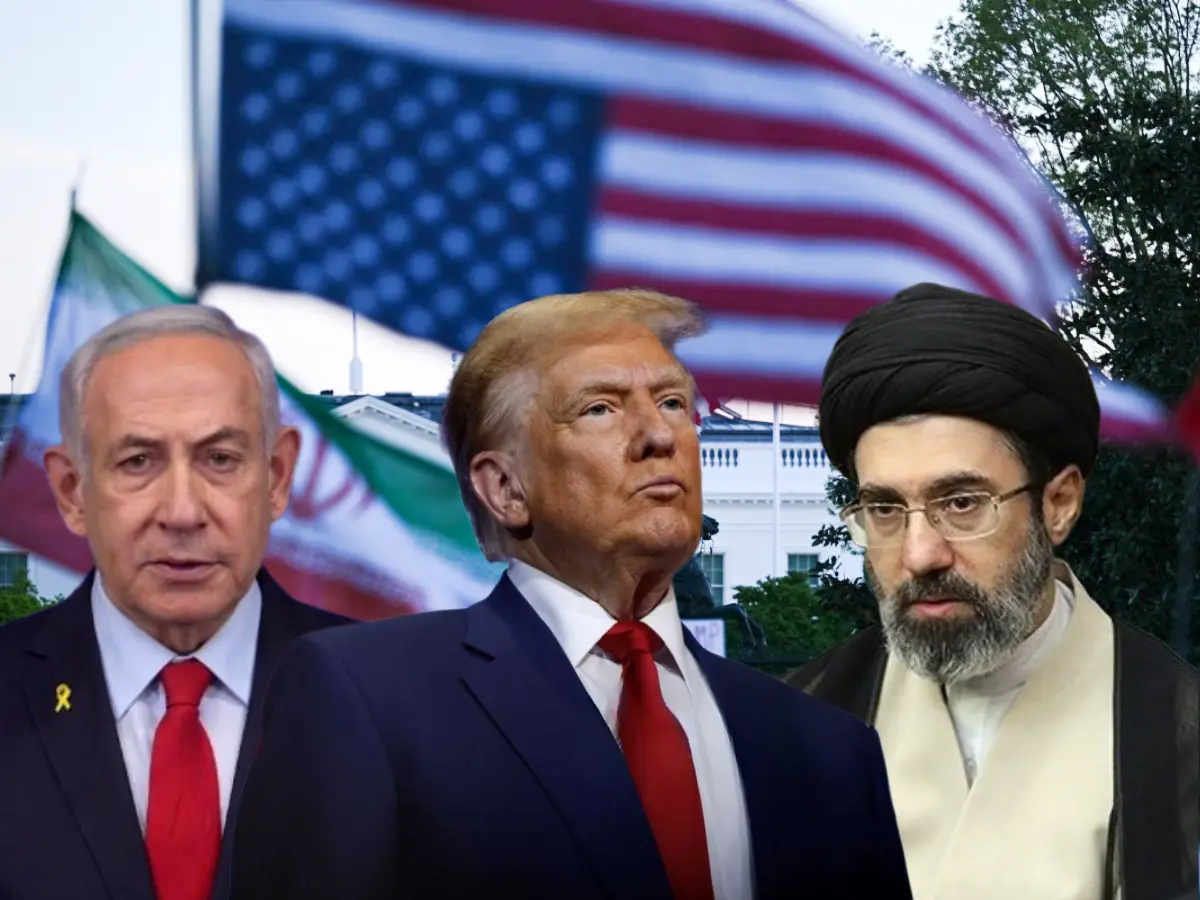
US-Iran peace talks: Where things stand
The Islamabad talks between Iranian Parliament Speaker Mohammad Bagher Ghalibaf and US Vice President JD Vance ended without agreement on April 11. No new talks have been announced. The ceasefire agreed on April 8, with a two-week window, is now under serious strain. The USS Abraham Lincoln is 200 kilometres off Iran's coast. The blockade is live. And the April 22 expiration of the ceasefire is just eight days away.
)
)
)
)
)