What Trump's US Navy blockade of Strait of Hormuz means after Iran peace talks collapse

President Donald Trump announced a sweeping US naval blockade of the Strait of Hormuz on April 12, 2026, after peace negotiations with Iran collapsed.
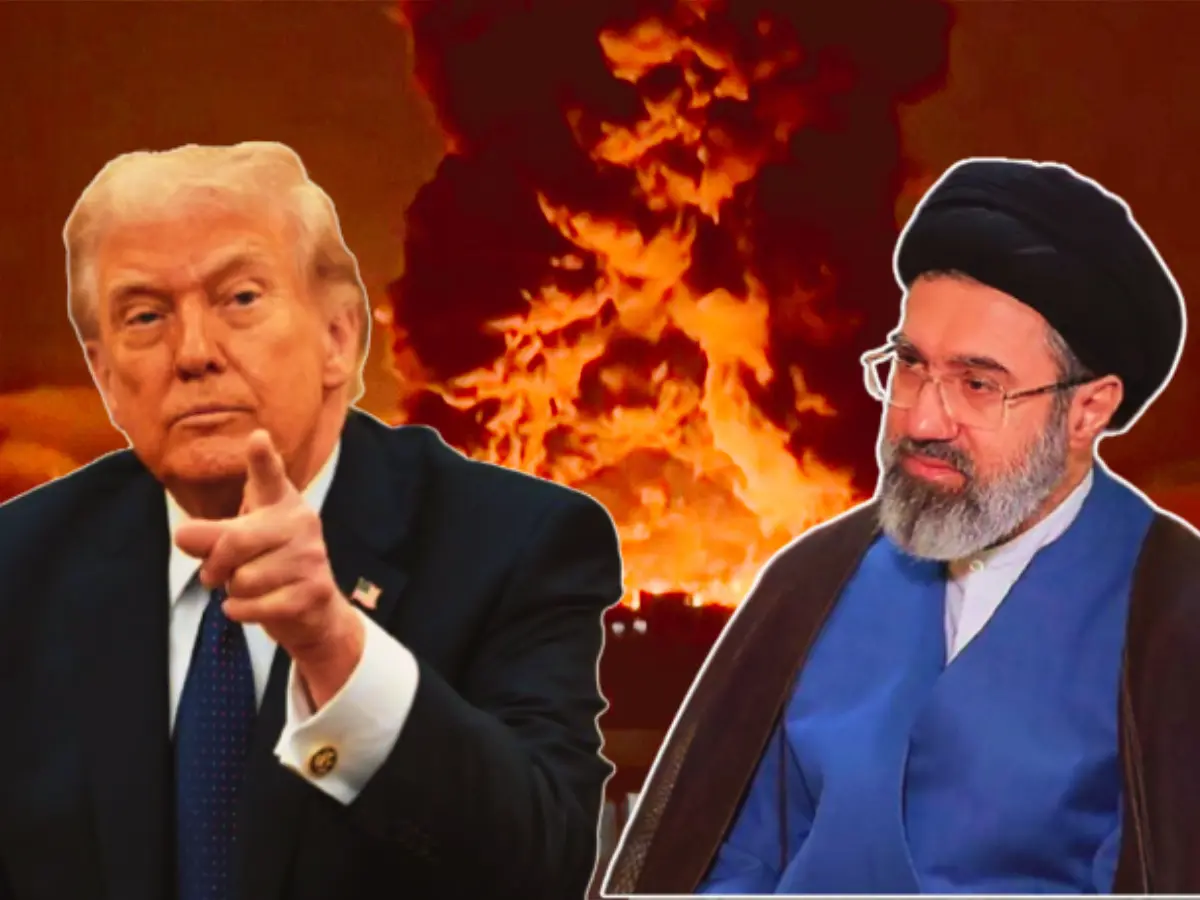
Peace Talks Collapse, Trump Announces Hormuz Blockade
On April 12, 2026, Vice President JD Vance declared that US-Iran peace negotiations had failed to produce a deal, prompting President Trump to immediately announce a naval blockade of the Strait of Hormuz. Trump stated the US Navy would prevent ships from entering or exiting the strait, specifically targeting vessels that had paid tolls to Iran. The announcement came on day 44 of the Iran-US war, which began on February 28 when US and Israeli forces struck Iran, killing its Supreme Leader.
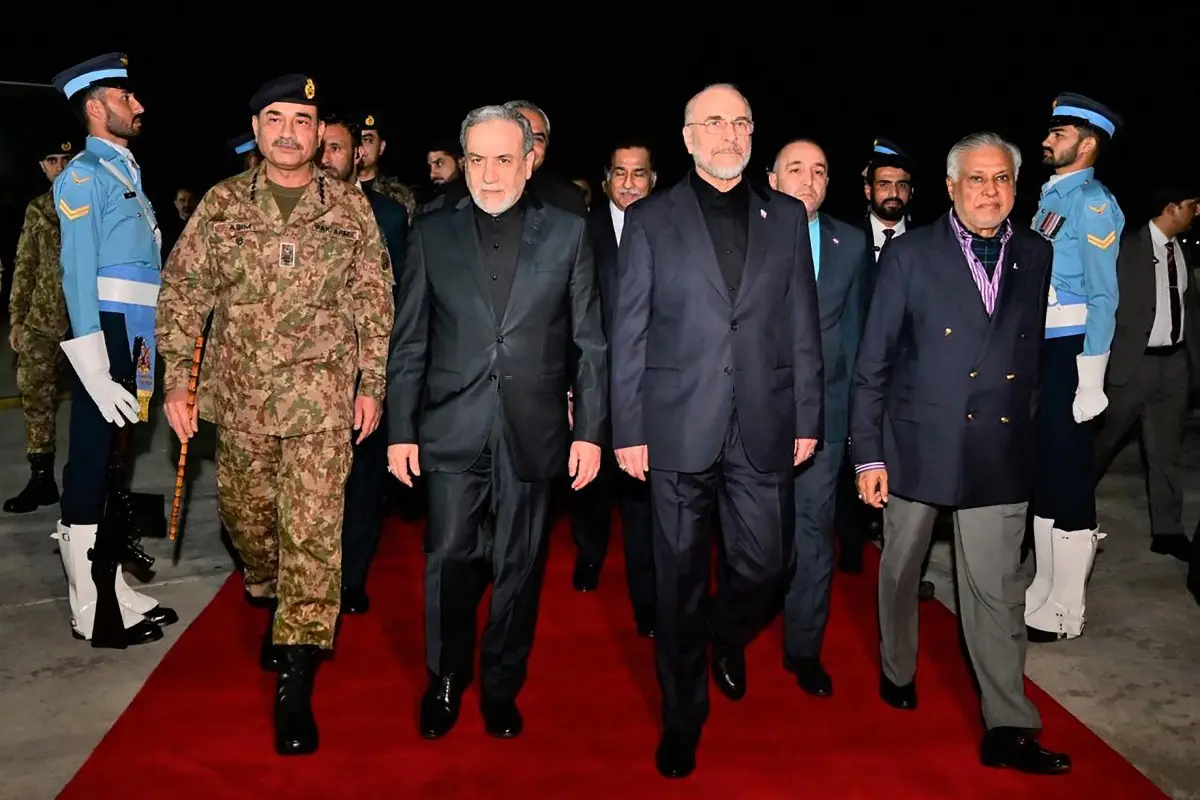
Oil Prices Spike To $104 As Blockade Takes Effect
Global oil markets reacted violently to the blockade announcement, with Brent crude surging 8% to $104 per barrel, a cumulative gain of over 40% since the war began. WTI, the US benchmark, climbed 7.8% to $104 per barrel, more than 50% above pre-war levels. The price shock reflects the strategic importance of the Strait of Hormuz, through which approximately 20% of the world's oil supply previously passed before Iran's closure disrupted global energy flows.

12 Million Barrels Per Day Blocked From Global Markets
Iran's closure of the Strait of Hormuz has effectively removed 12 million barrels of oil per day from global supply chains, triggering a profound energy shortage. Since the war began, governments, corporations, and consumers worldwide have drawn down an estimated 250 million barrels of crude from strategic reserves. The scale of disruption has been described by analysts as the largest blow to world energy supply since the 1970s oil crisis, and the most significant in the history of the global oil market.

US Navy Begins Mine-Clearing Operations In Hormuz
On April 11, CENTCOM confirmed that US naval forces had begun operations to clear Iranian naval mines laid across the Strait of Hormuz during the conflict. Trump announced that American forces had started ‘clearing’ the strait, signaling intent to restore freedom of navigation. CENTCOM subsequently clarified that despite Trump's sweeping blockade declaration, the US would permit maritime traffic traveling between non-Iranian ports to continue through the strategic waterway, narrowing the scope of enforcement.
US Gas Prices Cross $4.12 Per Gallon, Economic Strain Mounts
American consumers are bearing the brunt of the energy crisis, with national average gas prices rising more than $1.20 per gallon since the war began to reach $4.12 per gallon. The price surge compounds existing domestic economic frustrations, including elevated food and housing costs. Economic analysts warn the Hormuz blockade risks further deepening the economic impact of the war on both the US and global economies, with supply chain disruptions spreading across industries dependent on energy-intensive logistics.
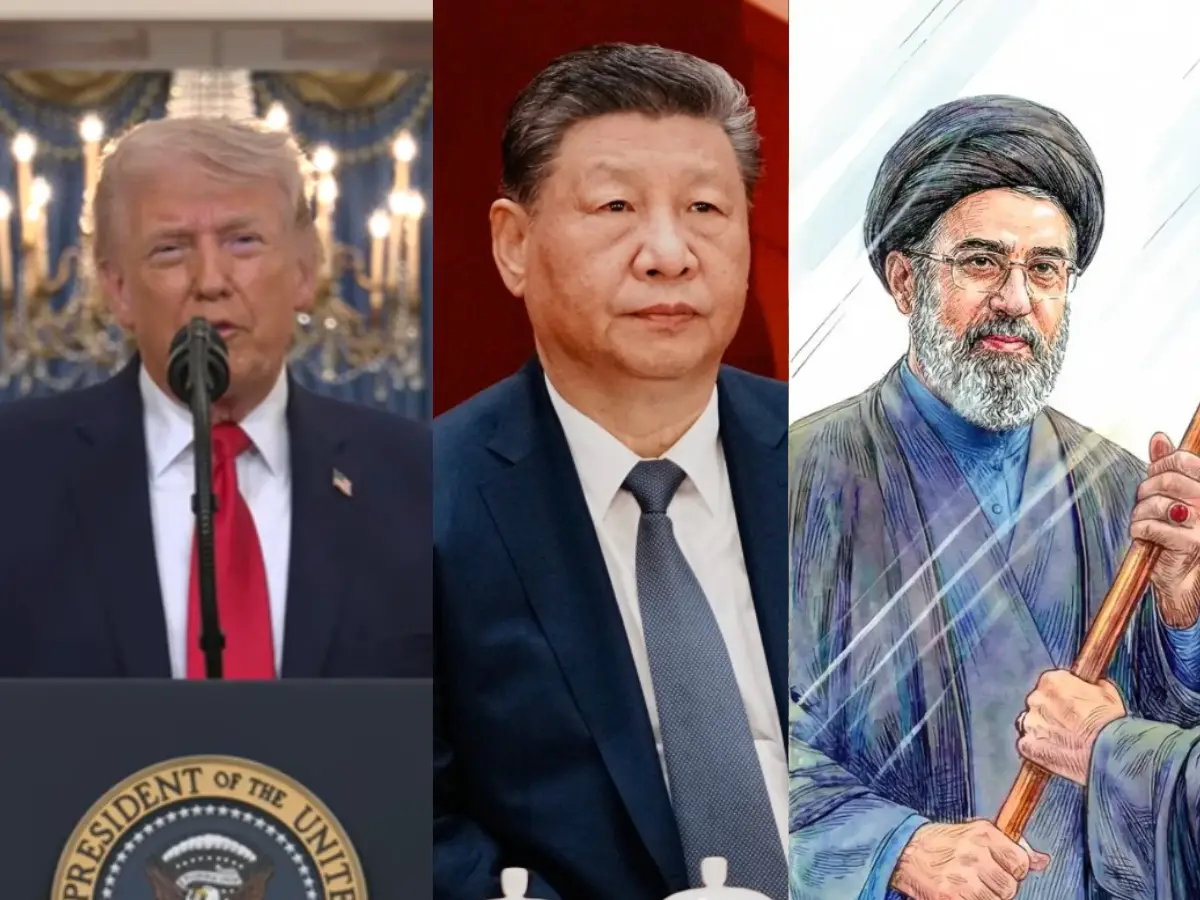
France, UK Push For Multinational Navigation Mission; Iran Calls Blockade A 'Bluff'
French President Emmanuel Macron announced plans to convene an international conference to organize a ‘peaceful multinational mission aimed at restoring freedom of navigation’ in the Strait of Hormuz, with Britain co-sponsoring the effort. Meanwhile, Iran's parliamentary National Security and Foreign Policy Commission dismissed the US blockade as ‘bluff rather than reality,’ arguing that a true blockade would constitute an act of war under international law. Hezbollah also rejected Israeli ceasefire proposals, further complicating regional de-escalation efforts.

UN Warns Of Global Food Crisis As Hormuz Shipping Disruption Continues
The United Nations Food and Agriculture Organization issued an urgent warning that a global food crisis could emerge if normal shipping traffic through the Strait of Hormuz is not restored swiftly. The waterway is critical not only for oil tankers but also for bulk cargo vessels transporting grain, fertilizers, and other agricultural commodities to markets across Asia, Africa, and Europe. With 31 vessels logged passing through the strait in the previous 24 hours, down sharply from normal traffic volumes, the humanitarian and economic consequences of prolonged disruption are mounting.
)
)
)
)
)