'You’ll find out...': Trump issues new warning of ‘total decimation’ if Iran ignores 48-hour Strait of Hormuz ultimatum

Donald Trump issued a 48-hour ultimatum to Iran to reopen the Strait of Hormuz, warning of strikes on power plants. Iran responded with threats to shut the strait and target regional infrastructure. As tensions rise, global oil supply fears and war escalation concerns intensify.
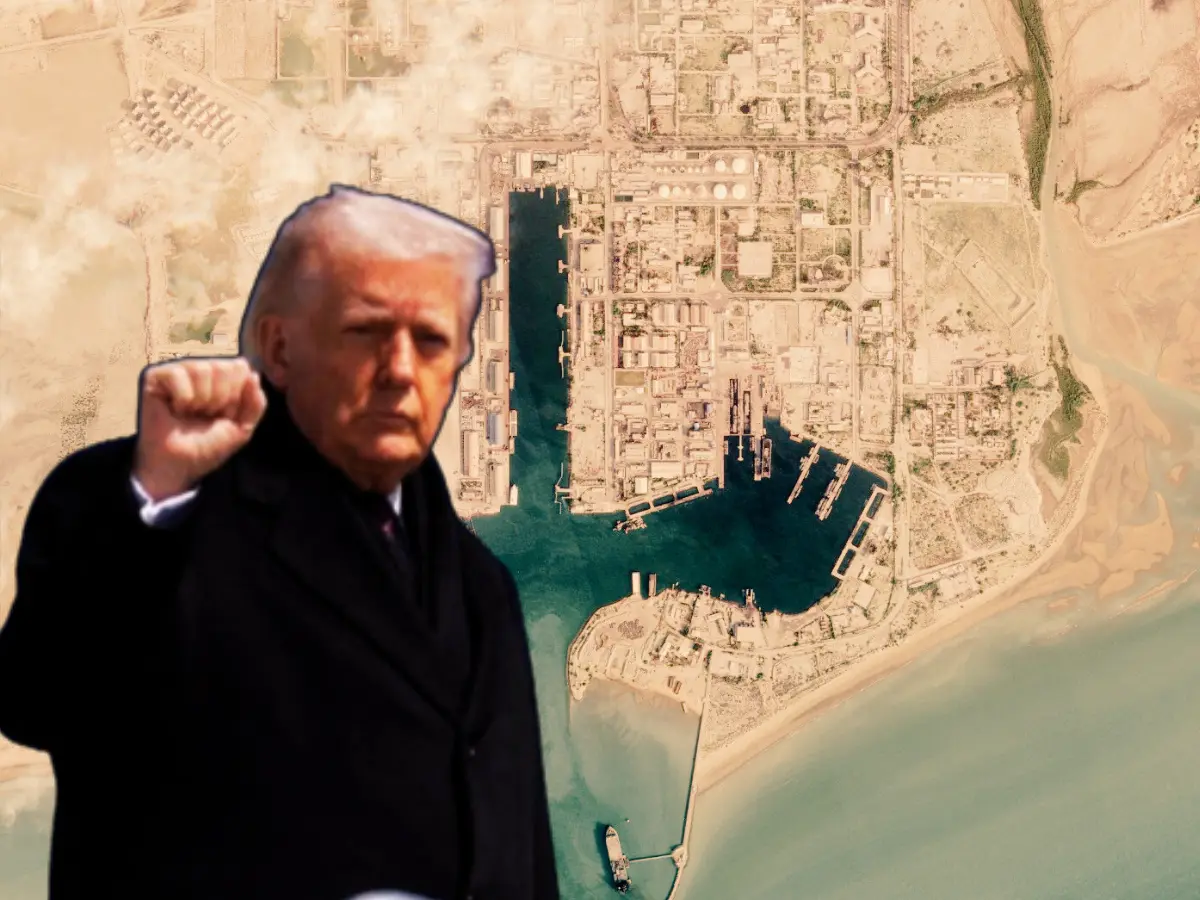
Trump's new warning after Hormuz ultimatum
US President Donald Trump on Sunday (Mar 22) said that the result of an ultimatum to Iran to fully reopen the Strait of Hormuz will be “very good.” He did not comment on Iran's response on the ultimatum and instead reiterated that it would lead to Iran’s "total decimation “ if Tehran did not comply with his ultimatum. Speaking to Israel’s Channel 13, the POTUS said, “You’re gonna find out soon. It’s gonna be very good,” Anadolu Agency reported.
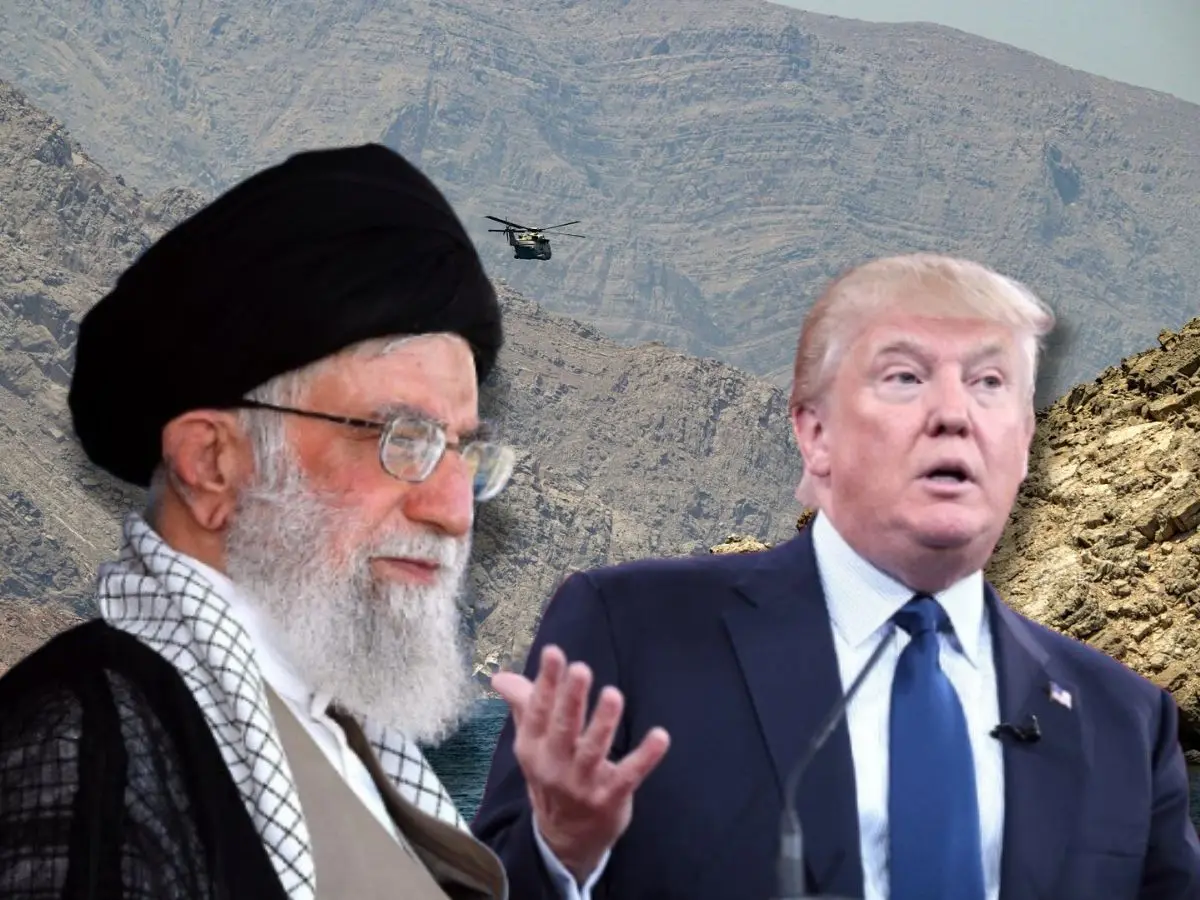
What was Trump's 48-hour ultimatum?
Trump on Saturday (Mar 21) gave Iran 48-hour ultimatum demanding that it fully reopen the strategically important Strait of Hormuz. In a strongly worded statement, Trump warned that failure to comply would trigger US strikes on Iran’s power infrastructure, signalling a potential widening of the war with major global energy and security implications. "If Iran doesn’t FULLY OPEN, WITHOUT THREAT, the Strait of Hormuz, within 48 HOURS from this exact point in time, the United States of America will hit and obliterate their various POWER PLANTS, STARTING WITH THE BIGGEST ONE FIRST," Trump wrote in a Truth Social post. In another post, he claimed, “The United States has blown Iran off of the map…Their leadership is gone, their navy and air force are dead, they have absolutely no defense, and they want to make a deal. I don’t! We are weeks ahead of schedule.”
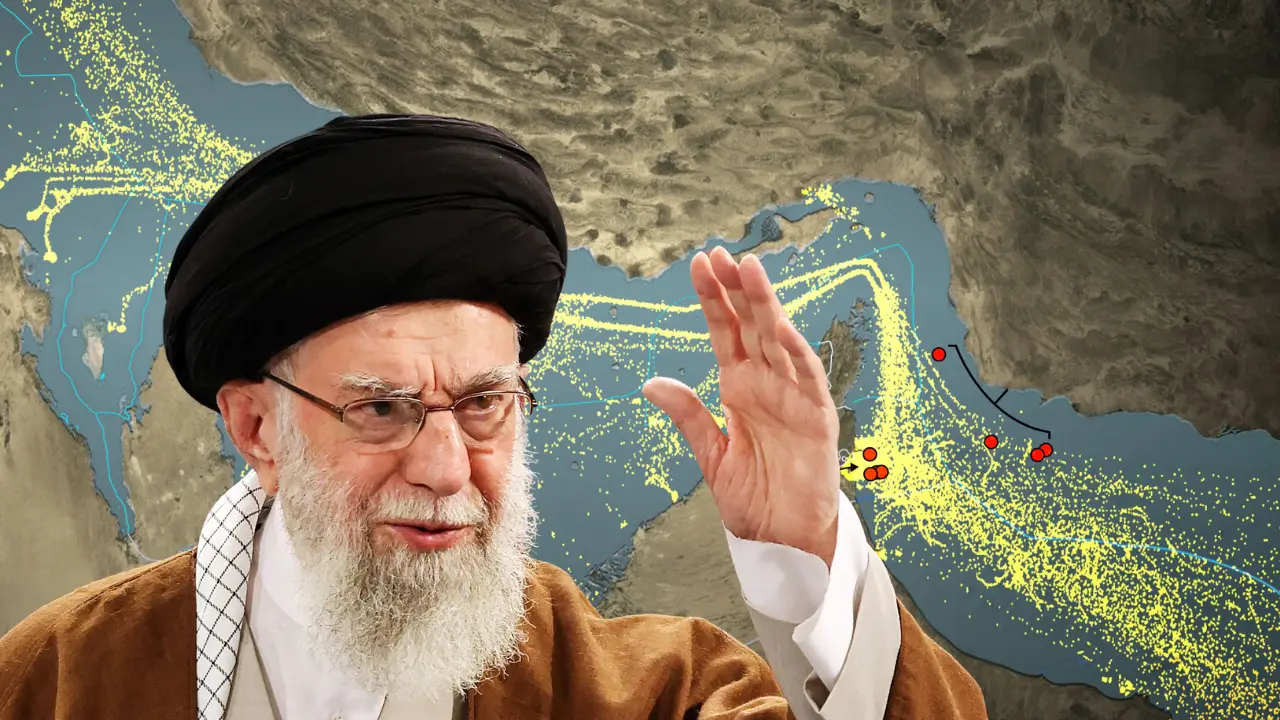
How Iran responded to his ultimatum?
In its first response after US President Donald Trump's threat, Iran's military on Sunday (Mar 22) renewed threats against the region's infrastructure. "Following previous warnings, if Iran's fuel and energy infrastructure is violated by the enemy, all energy, information technology and desalination infrastructure belonging to the US and the regime in the region will be targeted," the Iranian military's operational command Khatam Al-Anbiya said in a statement carried by Fars news agency. In another statement, Khatam Al-Anbiya said, "If the United States' threats regarding Iran's power plants are carried out... the Strait of Hormuz will be completely closed, and it will not be reopened until our destroyed power plants are rebuilt," it said. Iran's Parliament Speaker Mohammad Bagher Ghalibaf said that if power plants are hit then, infrastructure as well as energy and oil infrastructure across the entire region will be considered legitimate targets and will be “irreversibly destroyed.”
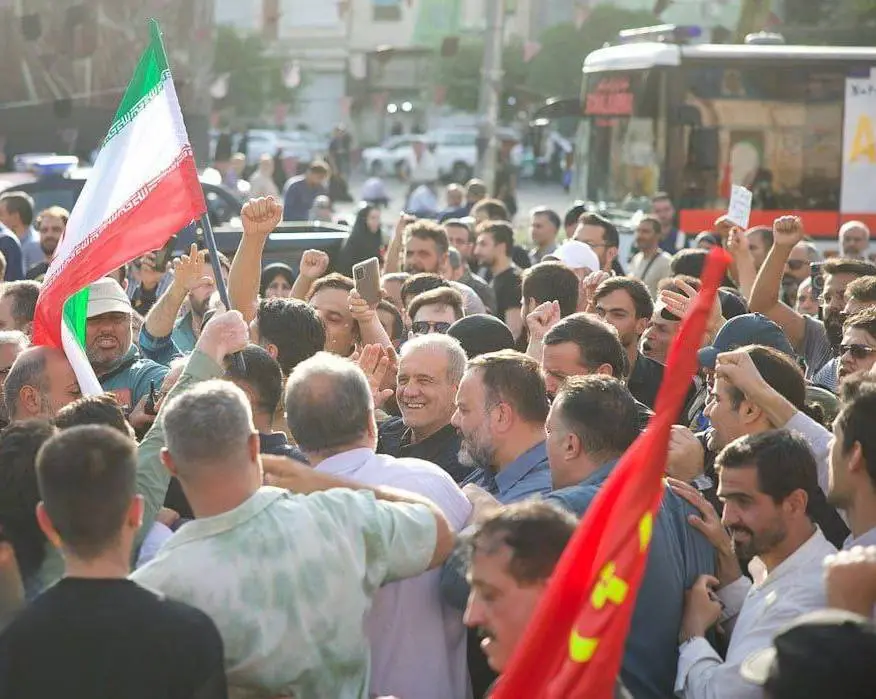
What Iranian President said?
Iranian President Masoud Pezeshkian said that threats against Iran “only strengthen our unity.” “The illusion of erasing Iran from the map shows desperation against the will of a history-making nation,” Pezeshkian posted on X. “Threats and terror only strengthen our unity. The Strait of Hormuz is open to all except those who violate our soil. We firmly confront delirious threats on the battlefield," he added.
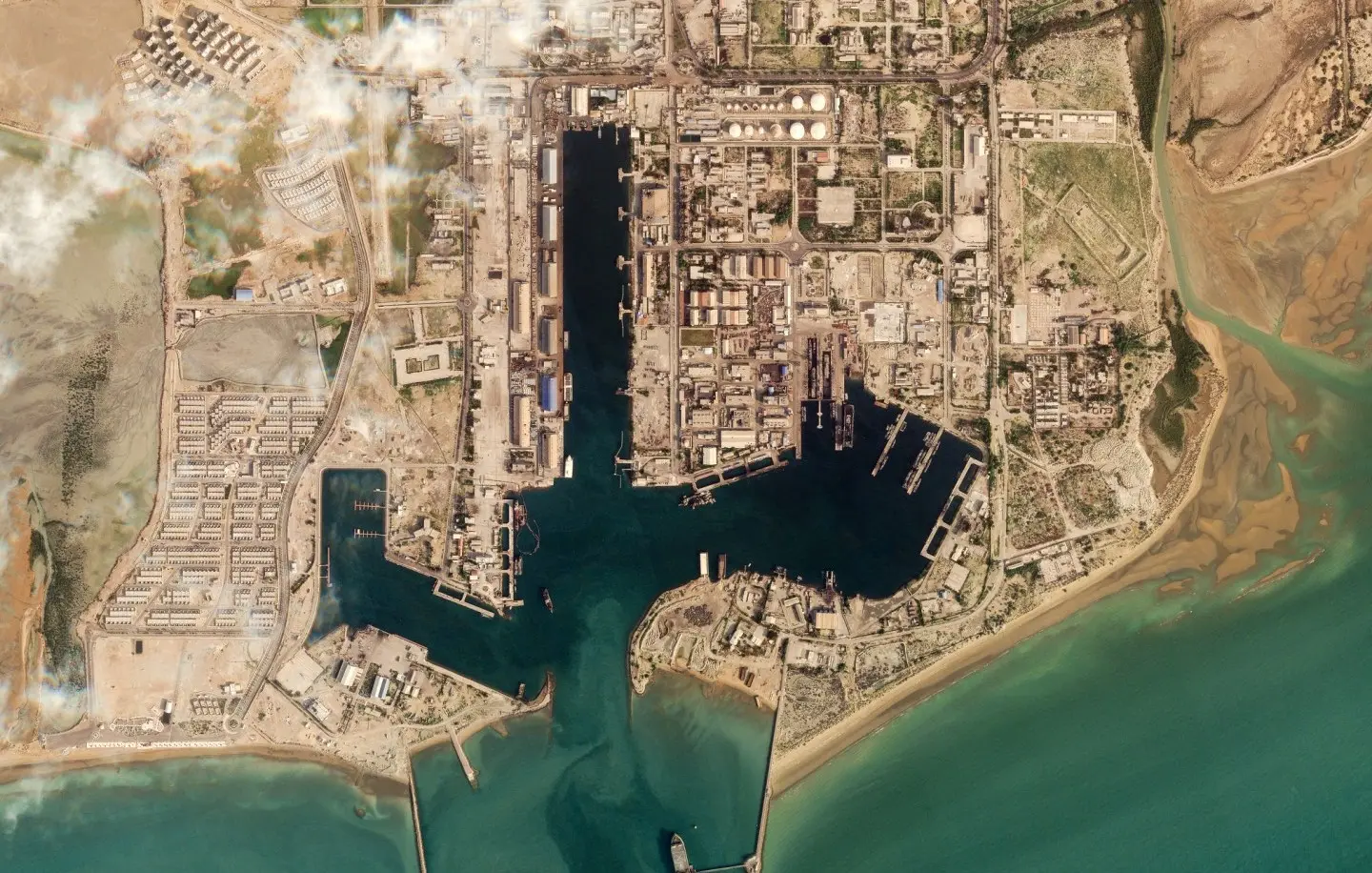
What we know about Strait of Hormuz?
The Strait of Hormuz—a critical route for global energy shipments—has become increasingly volatile, as Iran is targeting vessels passing through without its consent and the US calls on allies to help secure the passage. Meanhwile, as Trump expressed his anger towards NATO, the alliance's Secretary General Mark Rutte said that he is “absolutely convinced” that the alliance will be able to reopen the Strait of Hormuz. “European allies and partners all over the world have used the last couple of weeks to make sure that we come together. They start planning to see what we can do collectively as allies, as partners of the United States,” he said.
How did the war begin and what lies ahead?
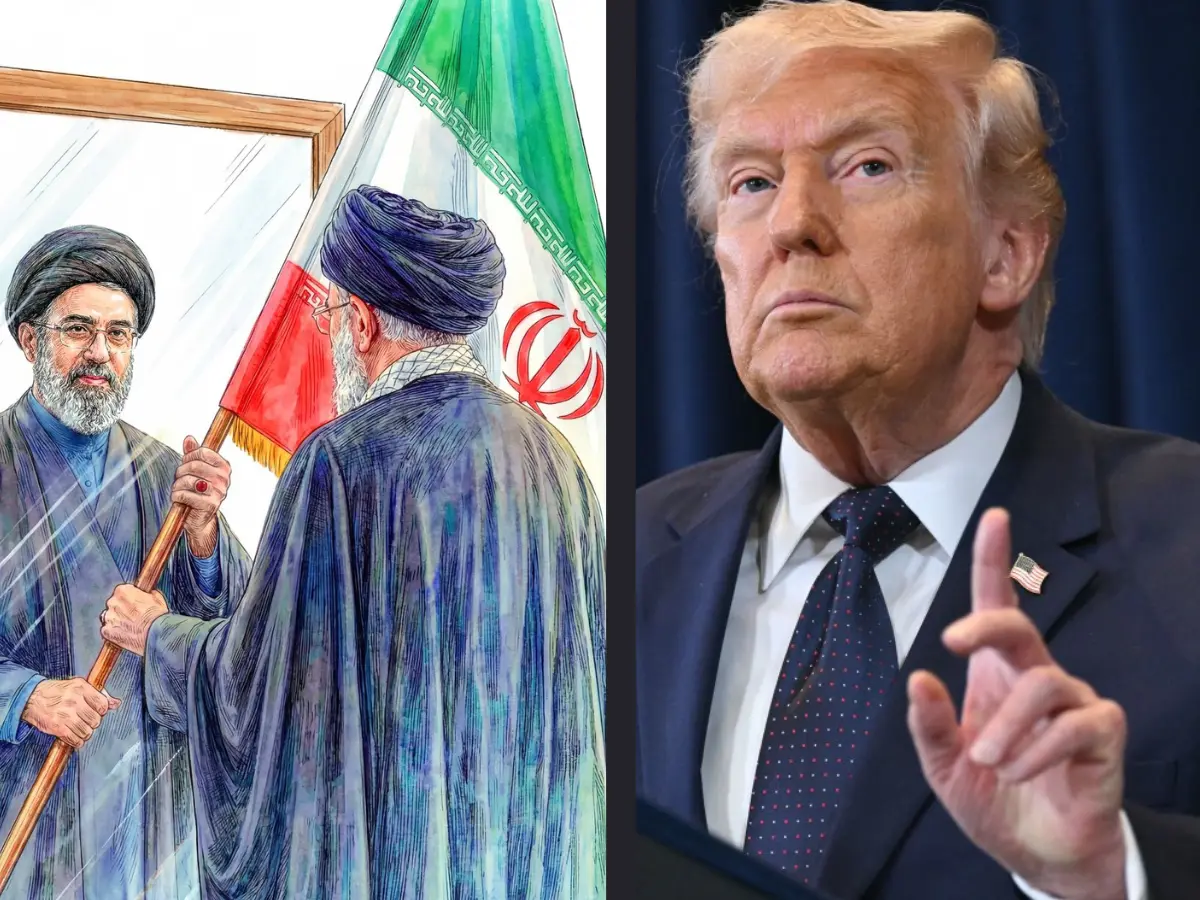
The conflict with Iran began on February 28, when Israel and the United States carried out what they described as “pre-emptive” strikes during ongoing nuclear talks with Tehran. The situation escalated rapidly after Iran’s Supreme Leader Ayatollah Ali Khamenei was killed the following day.
In response, Iran launched attacks on Gulf nations hosting US military bases, calling them extensions of “American territory.” Tehran also fired missiles and drones at Israel and firmly rejected any further negotiations with Washington, accusing it of betrayal during nuclear discussions. Over the past few weeks, several senior Iranian figures, including security chief Ali Larijani, have been killed. Iran has since named Mojtaba Khamenei as the new Supreme Leader.
On the diplomatic front, Donald Trump has dismissed the possibility of talks despite claiming victory, while Iran has also refused ceasefire negotiations. Meanwhile, global energy markets are under strain, with disruptions to oil supplies causing widespread concern. The Strait of Hormuz—a critical route for global energy shipments—has become increasingly volatile, as Iran targets vessels passing through without its consent and the US calls on allies to help secure the passage.
(Disclaimer: WION takes utmost care to accurately and responsibly report ongoing conflicts in West Asia involving Israel, Iran, US, Gulf nations and non-state actors like Hezbollah, Hamas, Houthis, Islamic State, and others. Claims and counterclaims, disinformation and misinformation are being made online and offline. Given this context, WION cannot independently verify the authenticity of all statements, social media posts, photos and videos.)
)

)
)
)