War reset: Why United States extended Iran ceasefire without request?

US President Donald Trump announced an open-ended ceasefire extension of US military strikes against Iran, despite no request for an extension, while maintaining economic and military pressure through a naval blockade. What does the shift intend to achieve?
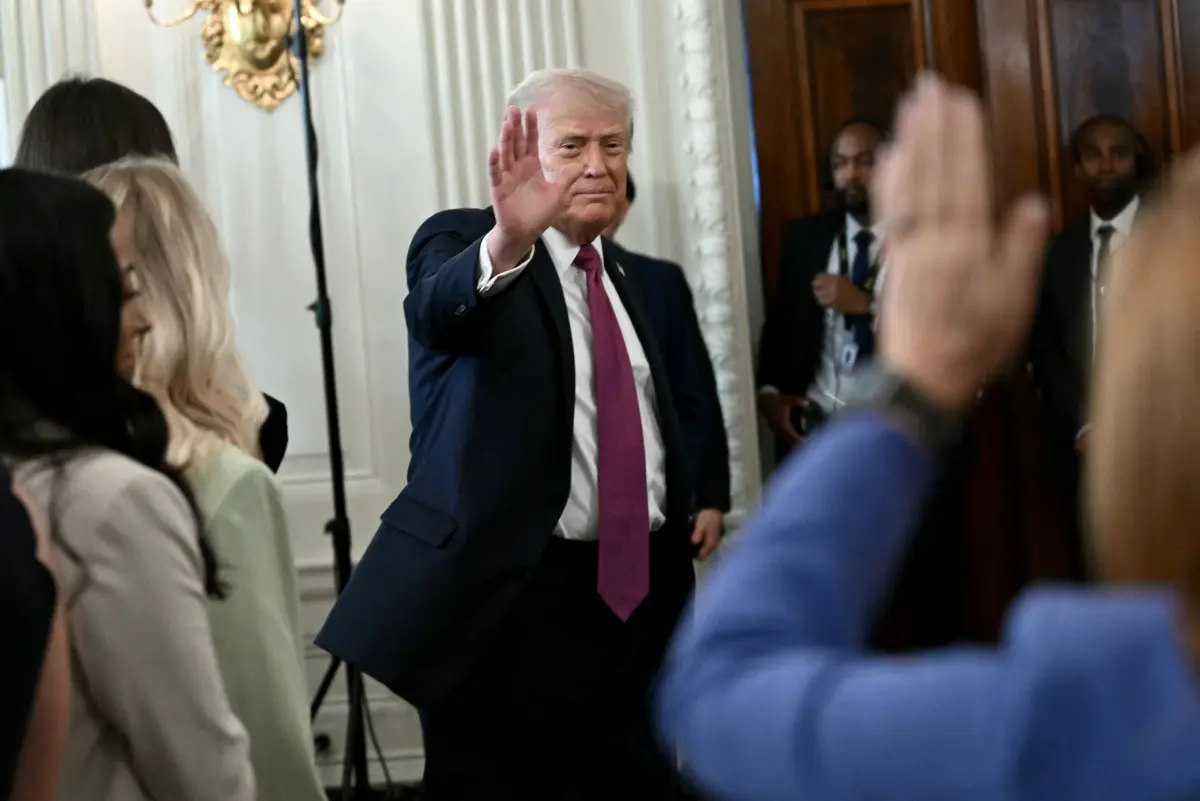
Open-ended ceasefire extension
US President Donald Trump extended the ceasefire with Iran on April 21. Just seven hours ahead of the expiry of the ceasefire, Trump emphasised that there will be no extension. Then, Trump announced that there would be an indefinite extension of the ceasefire, even though there was no formal request for an extension was made from Iran. In fact, they refused to participate in any form of peace talks until the US blockade was lifted. Did the US plan to achieve its objective of regime change by blockade? How feasible is it, or is it just trying to minimise the damage of getting involved in a quagmire of ground invasion, the most rational step in the escalation ladder?
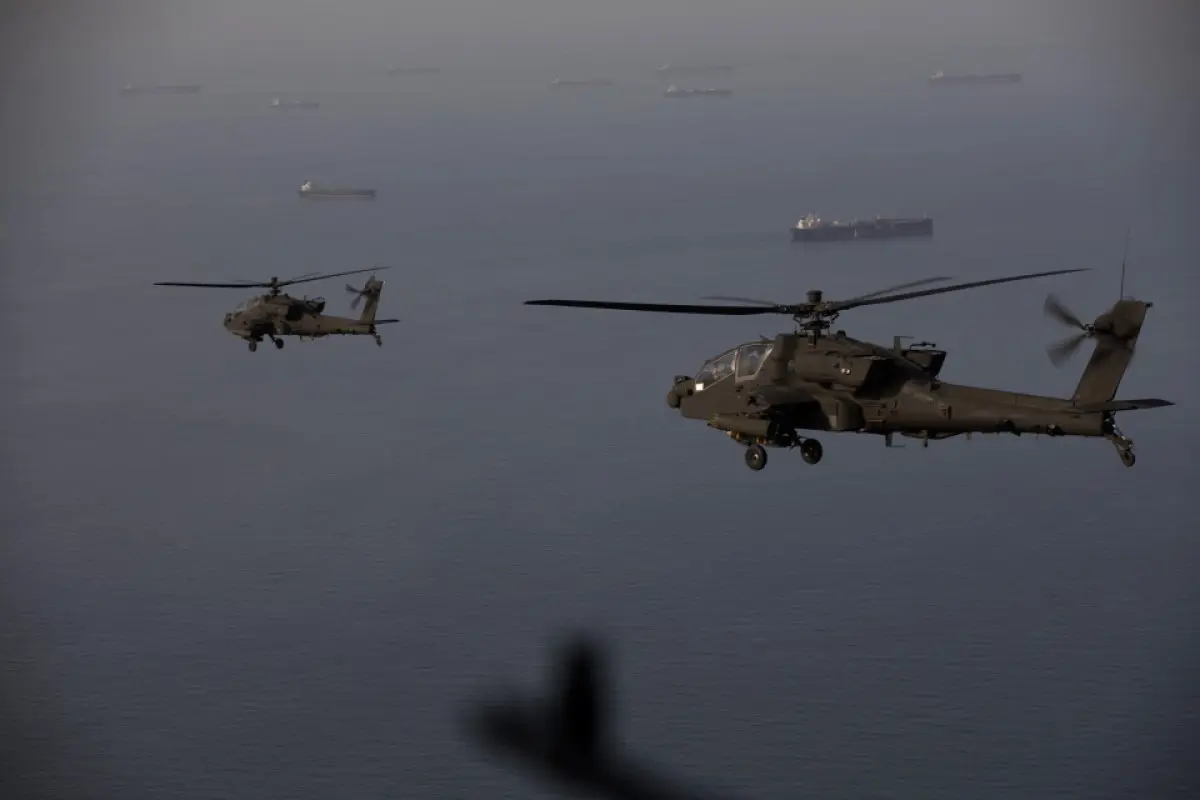
Naval blockade to weaken Iran
The stated US objective of inducing regime change through a naval blockade seems extremely unlikely; a similar tactic employed against Iraq for 13 years severely weakened the country, but a ground invasion was required to take out Saddam Hussein. Historically, they had a minimal success rate. Iran has lived under sanctions for decades they have adopted techniques like ship-to-ship transfer, changing flags to bypass sanctions. According to a Financial Times report, even after the US naval blockade, at least 34 Iran-linked tankers have transited through the Gulf of Oman.
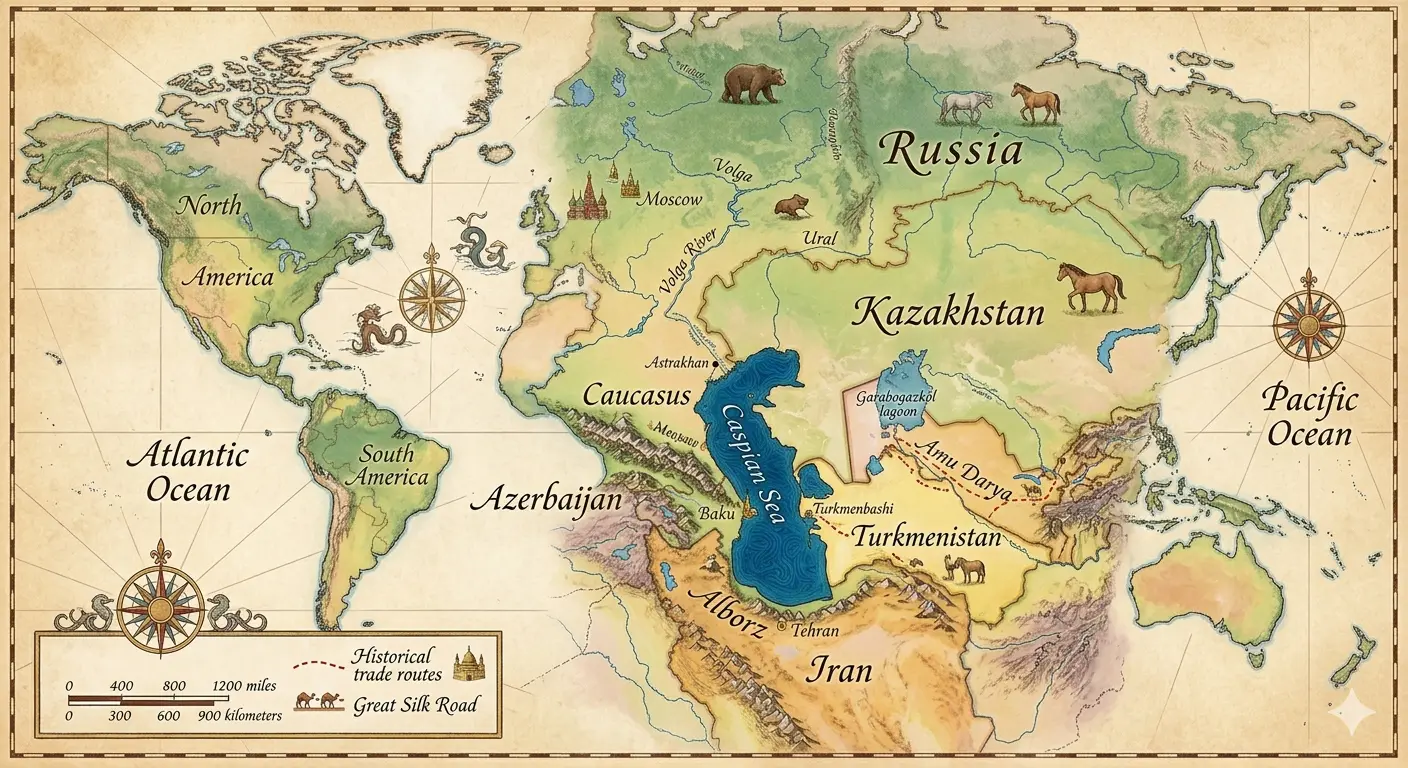
Caspian Sea backdoor
The Caspian Sea serves as a strategic "backdoor," its landlocked and outside of the reach of the US army, eventhough the capacity in the ports remains limited, they transport less than 10 per cent of the cargo, typically handled by Gulf ports. However, it serves as a strategic channel between Russia and Iran. The US is trying to get access to it through Azerbaijan, but for the moment, the US army remains effectively blind to the activities in the landlocked Caspian Sea. Iran and Russia are strategically using this route to transport weapons and essential goods, which would be harder via the Gulf of Oman.
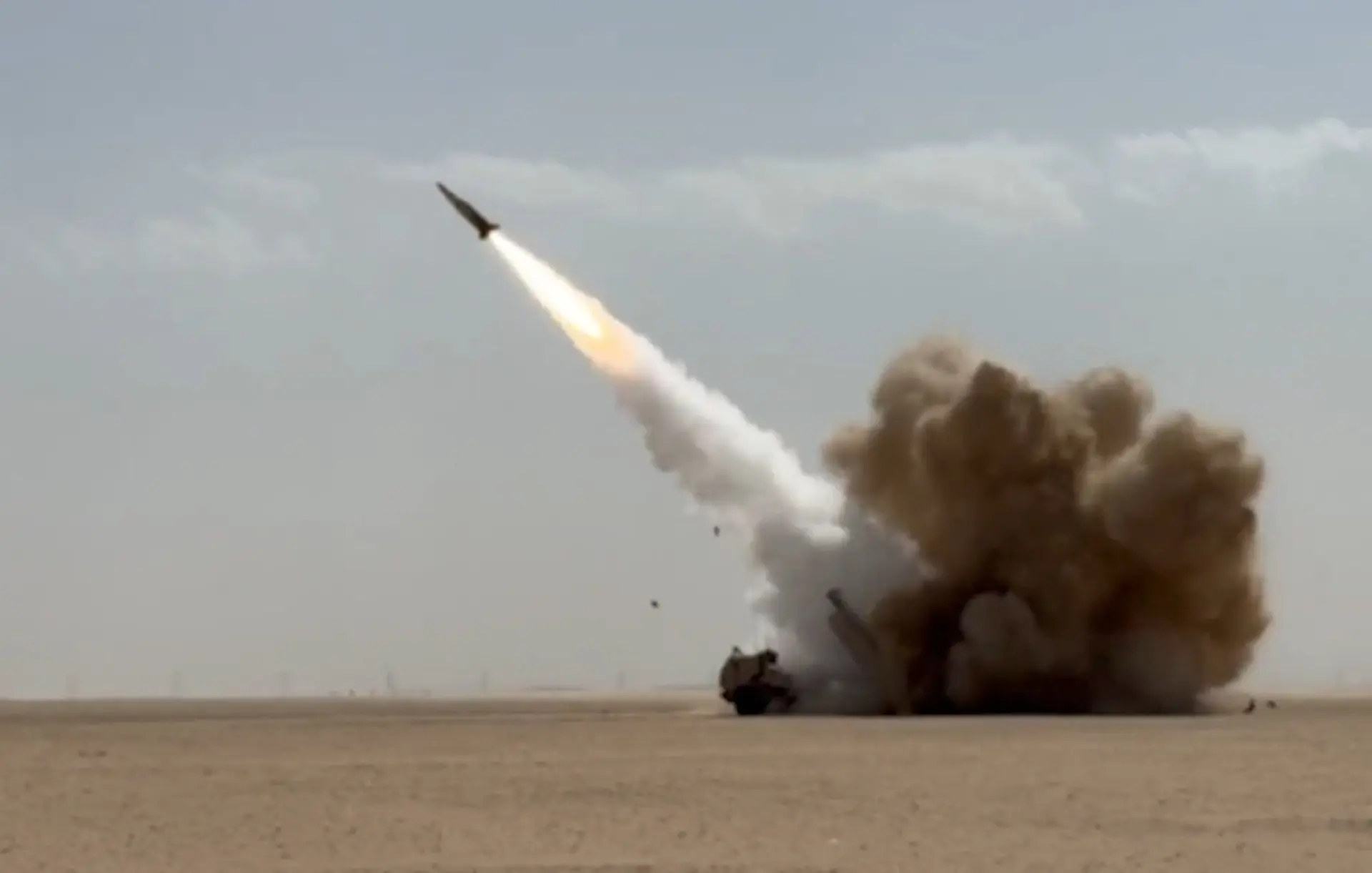
Military Deadlock
As the war progressed, the mounting cost of continuing the war and the damage had been significant for both sides. For the US its approximately $890 million to $1 billion each day. Iran has suffered significant damage to its civilian and military infrastructure, too. Various reports suggest that the US missile defence capability in the area has decreased, and it will take almost a year to reach the pre-war level. It seems highly unlikely for the US to achieve any breakthrough without boots on the ground. The Strait of Hormuz remains closed, and the two sides remain effectively at loggerheads over a framework for a proposed peace deal.
Possible deception for assasination or uranium theft
The extension could be a tactical one in nature. Under this scenario, along with restocking the weapons arsenal, actions such as limited operations or targeted assassinations could still follow, along with limited Israeli incursions into Lebanon. Observers also indicate that this possibility is being seriously considered by Iranian officials. Iranian officials have alleged that recent US operations at nuclear sites like Fordo and Natanz were not just to destroy facilities but to physically extract enriched material.
)
)
)
)
)