Trump captures President Nicolás Maduro: 7 lesser-known facts about Venezuela

With US President Donald Trump expected to address a press conference at 11 am local time, attention has sharply returned to the country. Here are seven lesser-known facts about Venezuela.
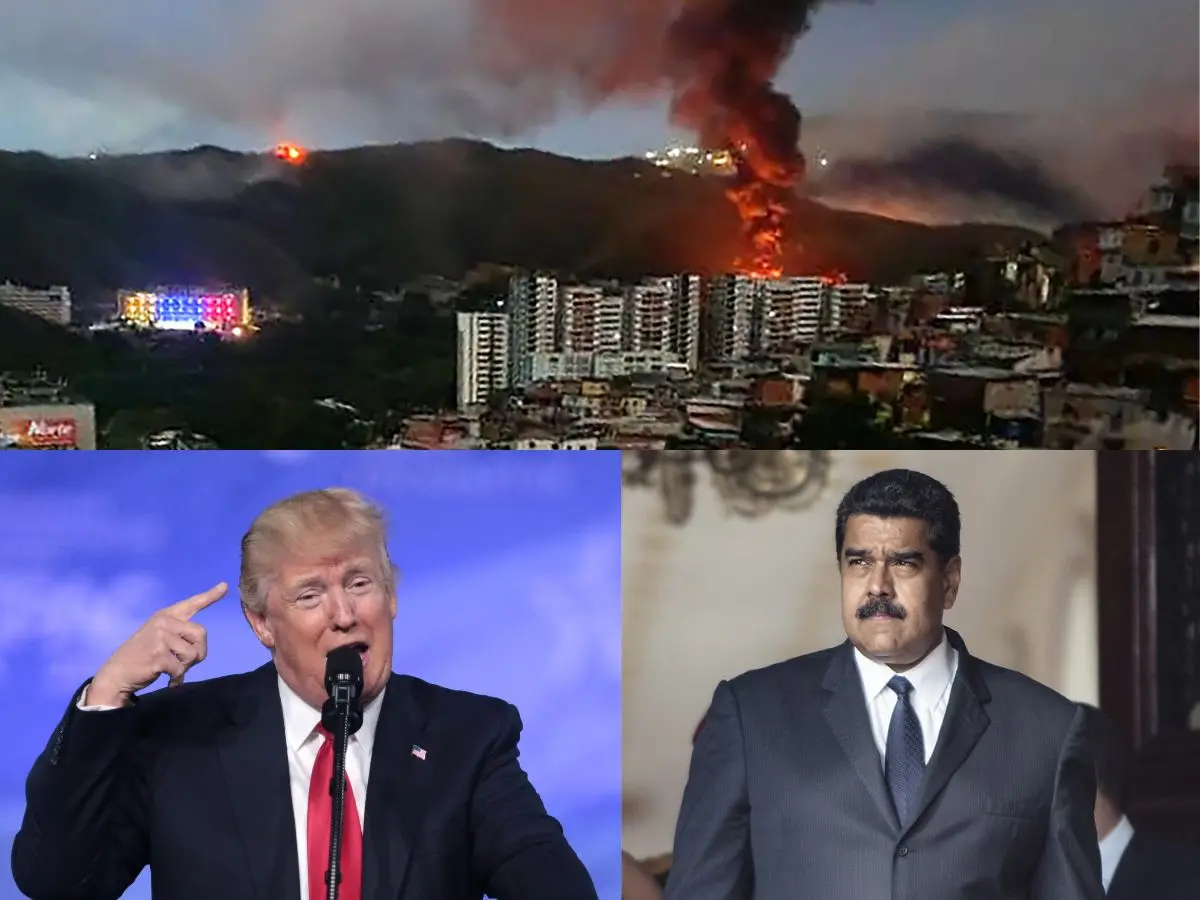
A dramatic collapse in Caracas
On Saturday, (Jan 3) the United States launched strikes against Venezuela and announced the capture of President Nicolás Maduro along with his wife, Cilia Flores, who have been charged with drug and weapons offences in New York. Venezuela, one of the three nations that emerged from the collapse of Gran Colombia in 1830 alongside Ecuador and New Granada (now Colombia), has now been thrust back into global focus. With US President Donald Trump expected to address a press conference at 11 am local time, attention has sharply returned to the country. Here are seven lesser-known facts about Venezuela.
1. A country born from Gran Colombia
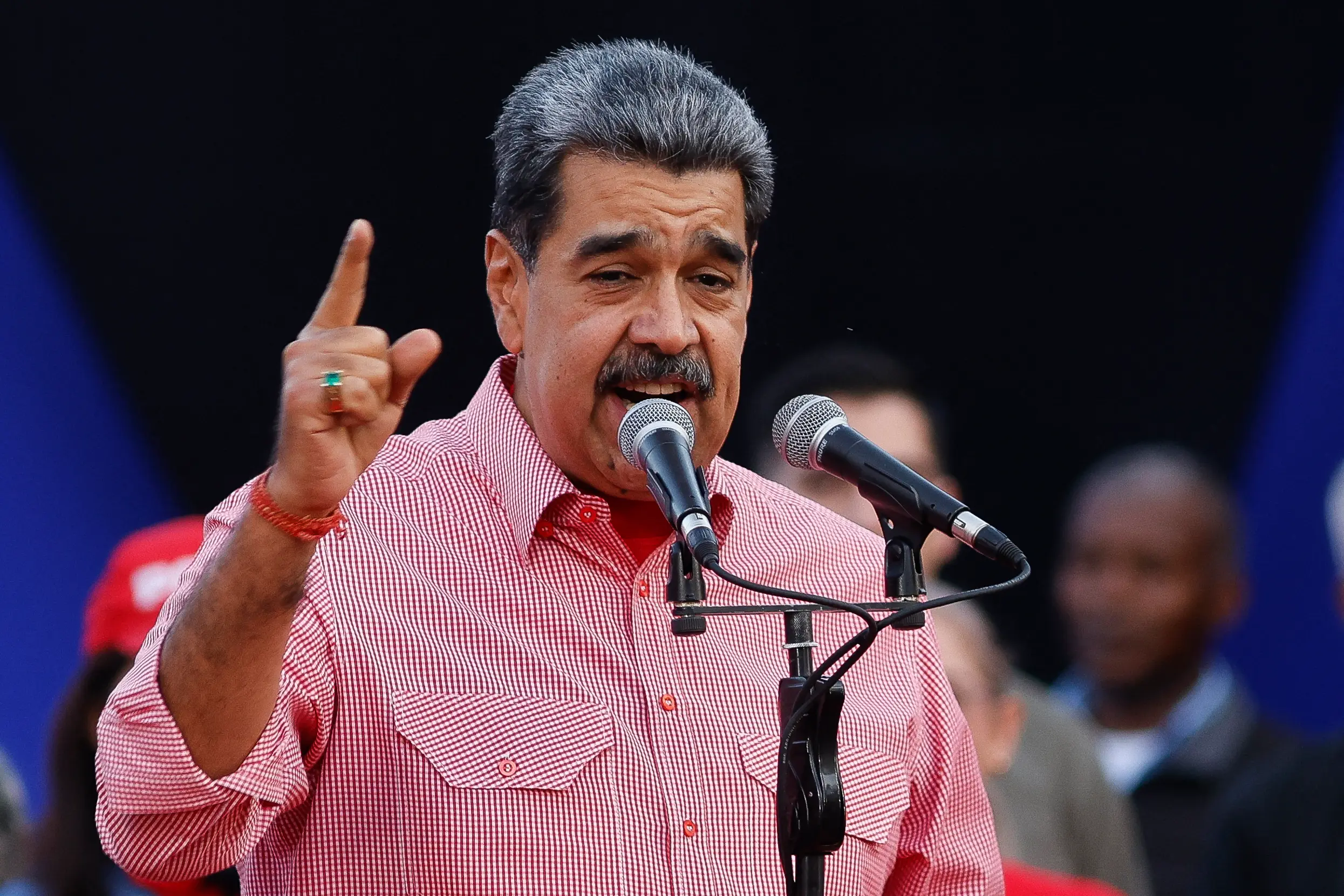
Venezuela emerged as an independent state in 1830 following the collapse of Gran Colombia, alongside Ecuador and New Granada (now Colombia). Since then, its political history has been marked by strongman rule, military influence and repeated struggles over democratic legitimacy.
2. Assassination attempts and unrest
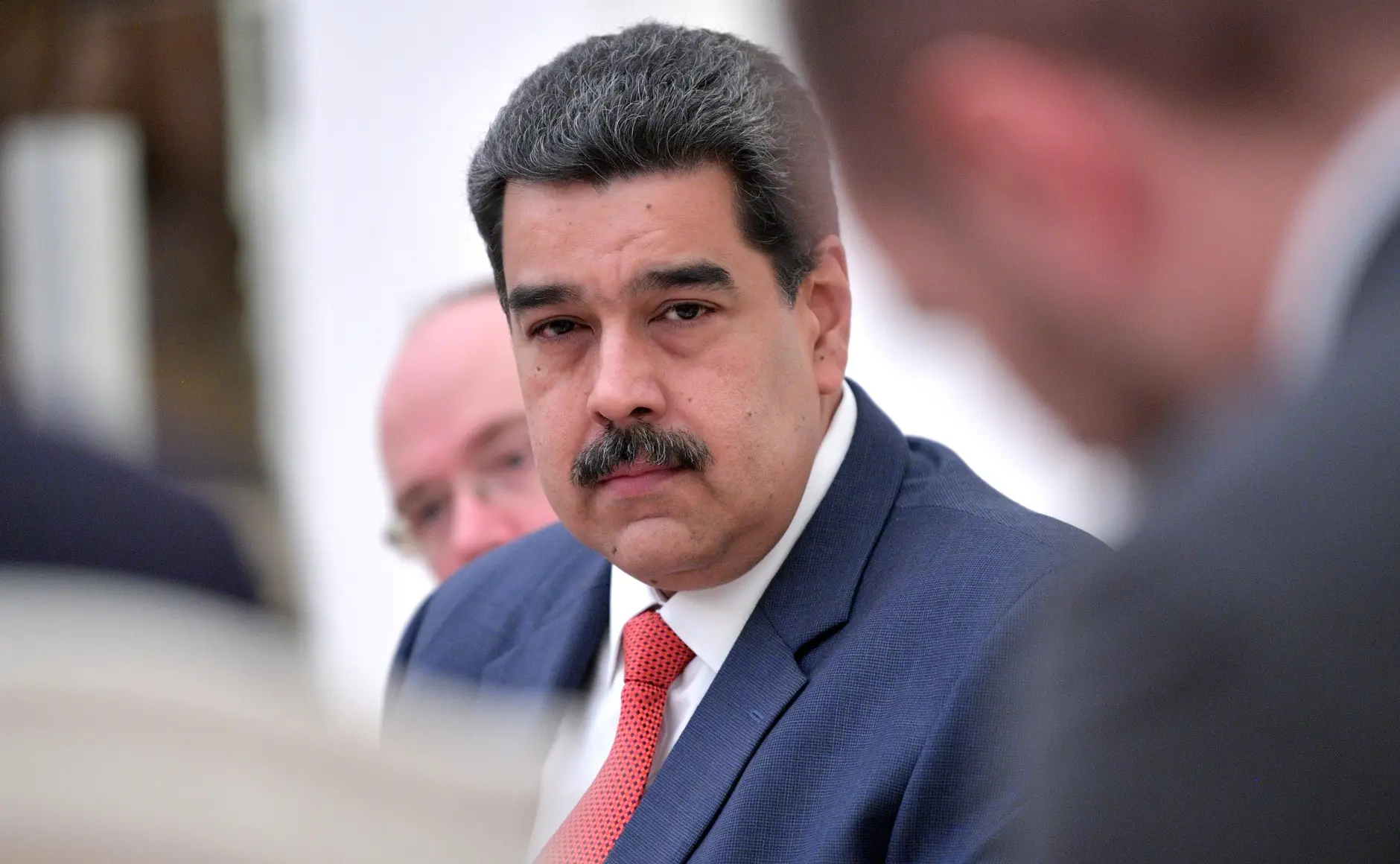
In August 2018, Maduro survived an assassination attempt involving explosive-laden drones during a military parade. He escaped unharmed, though several people were arrested. His presidency was repeatedly challenged by mass protests, particularly in 2014 and 2017, which were met with harsh crackdowns.
3. Economic collapse and hyperinflation
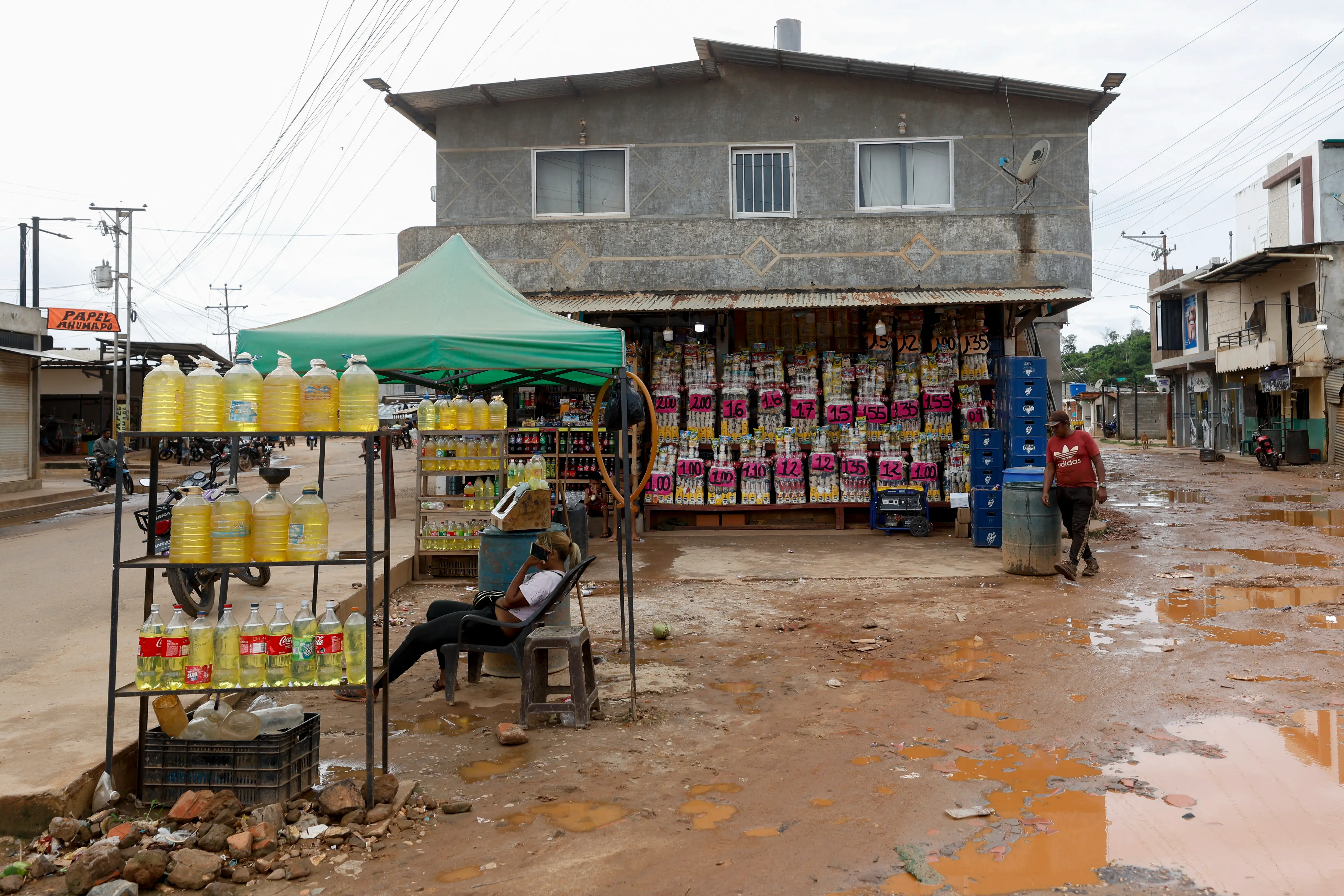
Under Maduro, Venezuela experienced a severe economic breakdown. Hyperinflation began around 2016, with consumer prices rising by over 682.1 per cent annually by 2026, according to IMF data. Gross GDP growth was at negative 3 per cent as of 2026, while unemployment climbed to over 35 per cent, and shortages of food and medicine drove millions of Venezuelans to migrate.
4. Vast resources, limited gains
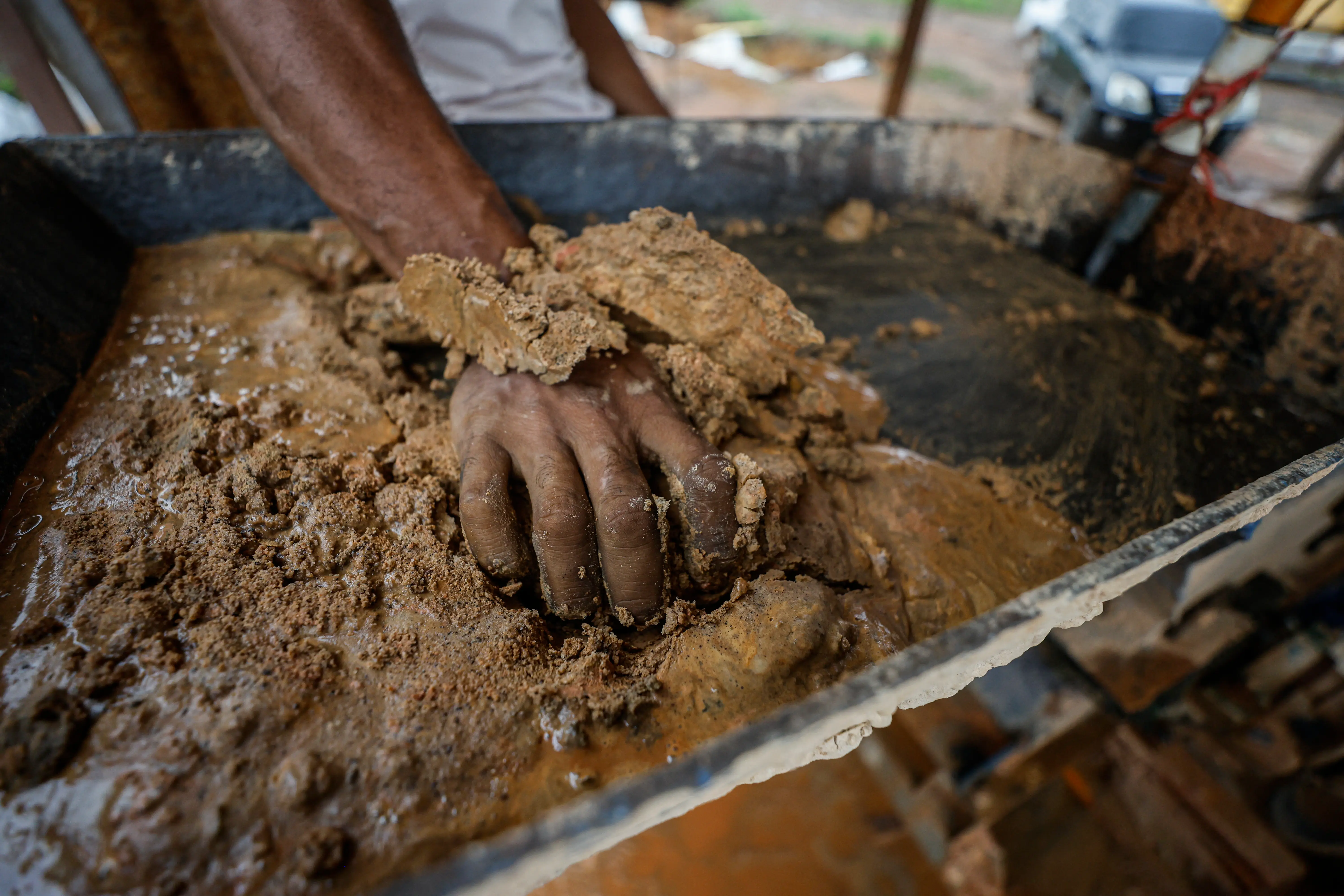
Despite its crisis, Venezuela remains exceptionally resource-rich. It holds the world’s largest proven oil reserves, estimated at over 303 billion barrels, along with deposits of gas, iron ore, gold, bauxite and diamonds. Yet poor infrastructure and sanctions have restricted production, blunting the strategic value of these assets.
5. The United States and Venezuela’s enduring oil link
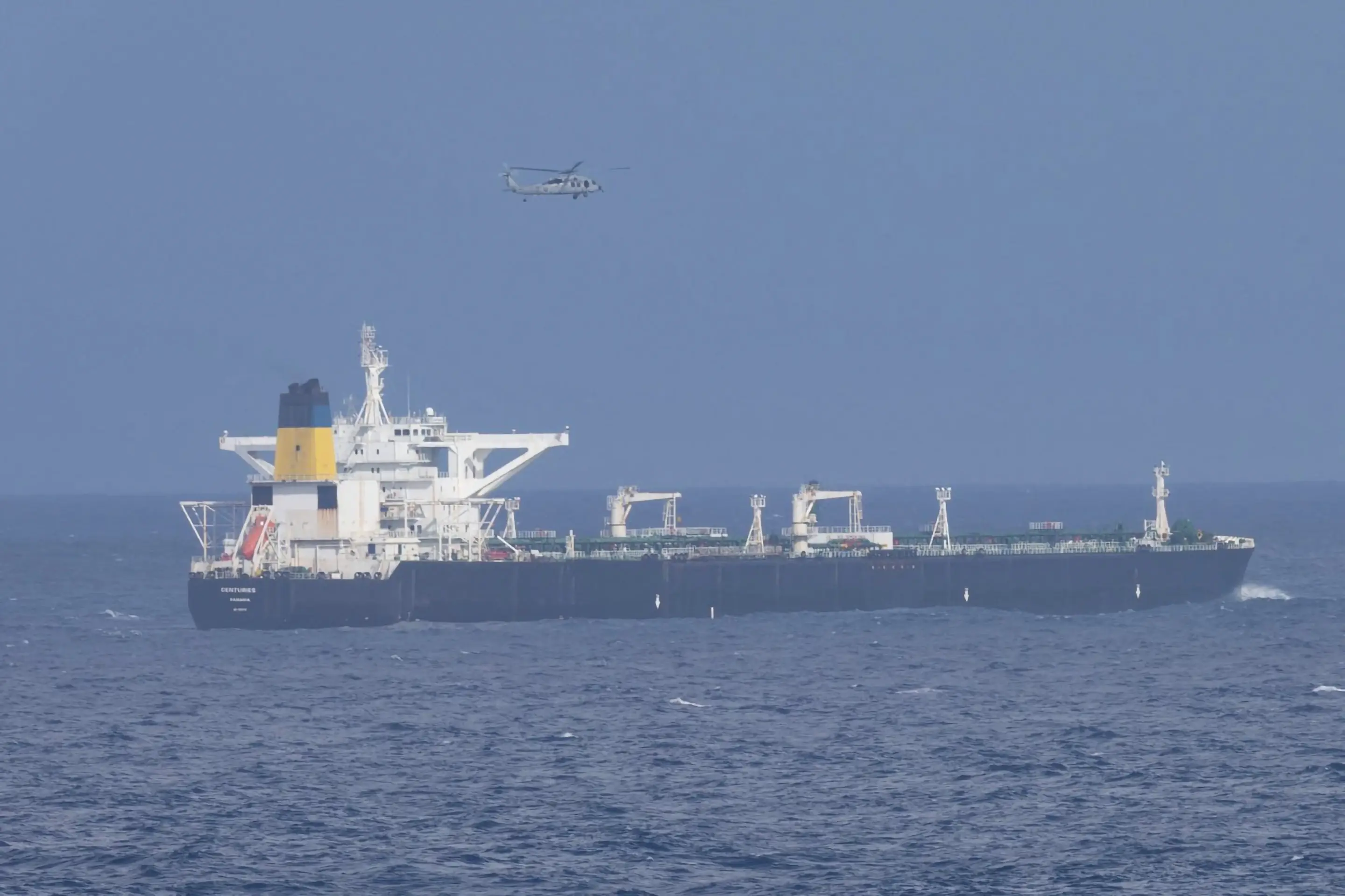
Despite years of sanctions and political hostility, the United States has remained Venezuela’s single largest export destination. In 2023 more than half of Venezuela’s exports went to the US, followed by China, Spain, Brazil and Turkey. This paradox reflects Washington’s continued dependence on Venezuela’s heavy crude, which US Gulf Coast refineries are specifically designed to process. In the same year, the top exports of Venezuela were Crude Petroleum ($4.05B), Petroleum Coke ($552M), Scrap Iron ($421M), Acyclic alcohol derivatives (halogenated, sulphonated, nitrated) ($418M), and Nitrogenous Fertilizers ($280M).
6. Drugs, militarisation and global scrutiny
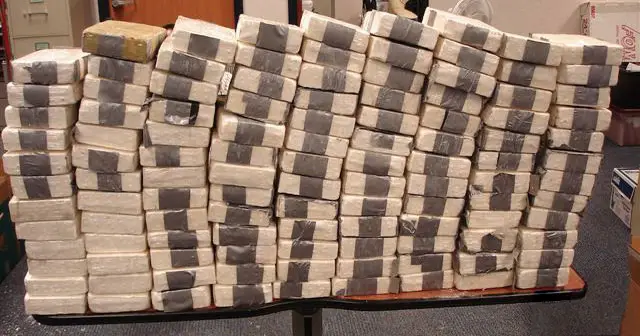
According to the US Department of State has long labelled Venezuela a major drug-transit country, citing porous borders and weak institutions. There is insufficient data to determine current drug consumption trends within Venezuela, but marijuana is believed to be the most commonly consumed illicit drug, followed by ‘crack’ cocaine and ‘basuco’ (cocaine paste).
7. Mandated military service
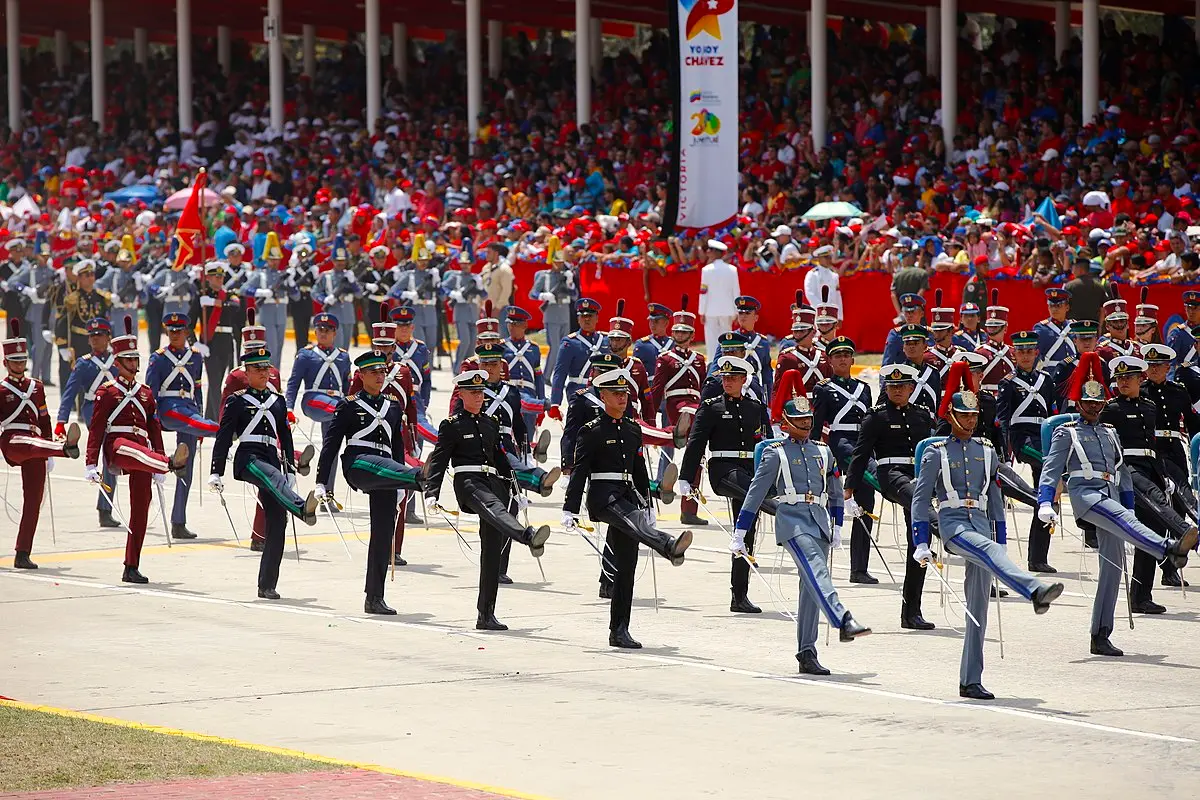
Venezuela operates a broad system of compulsory military registration. All citizens aged between 18 and 50 are required to register and may be called up for military training. While service is formally voluntary, minimum service obligations apply. Standard service terms range from 24 to 30 months, while militia service can extend from 17 to 39 months. Women aged 25 may also volunteer for military service, with enlistment periods typically lasting between 18 and 30 months. The system reflects the state’s long-standing emphasis on militarisation and internal security.

)
)

)