Trump calls on China, France, UK & others to guard the Strait of Hormuz: How powerful are their navies?

Trump warned that drones, sea mines, and short-range missiles could still endanger commercial vessels, even after his claimed destruction of Iran’s military capacity.
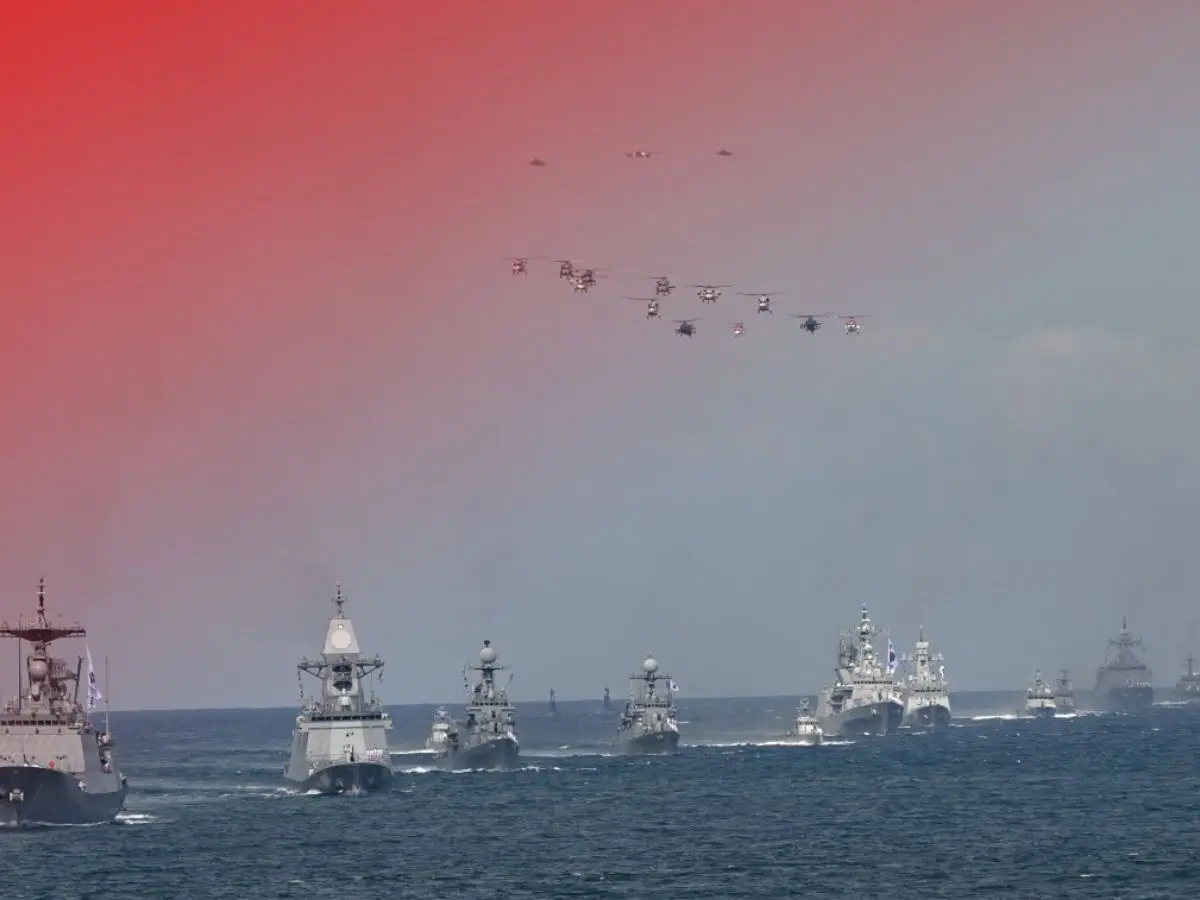
Strategic Chokepoint Under Threat
The Strait of Hormuz, a critical passage transporting roughly one-fifth of global oil and LNG supplies, has come under significant threat as Iran disrupts shipping in retaliation for US-Israeli strikes. On Saturday, US President Donald Trump called on several nations, including China, France, the UK, Japan, and South Korea, to send warships to help secure the waterway. Trump warned that drones, sea mines, and short-range missiles could still endanger commercial vessels, even after his claimed destruction of Iran’s military capacity.
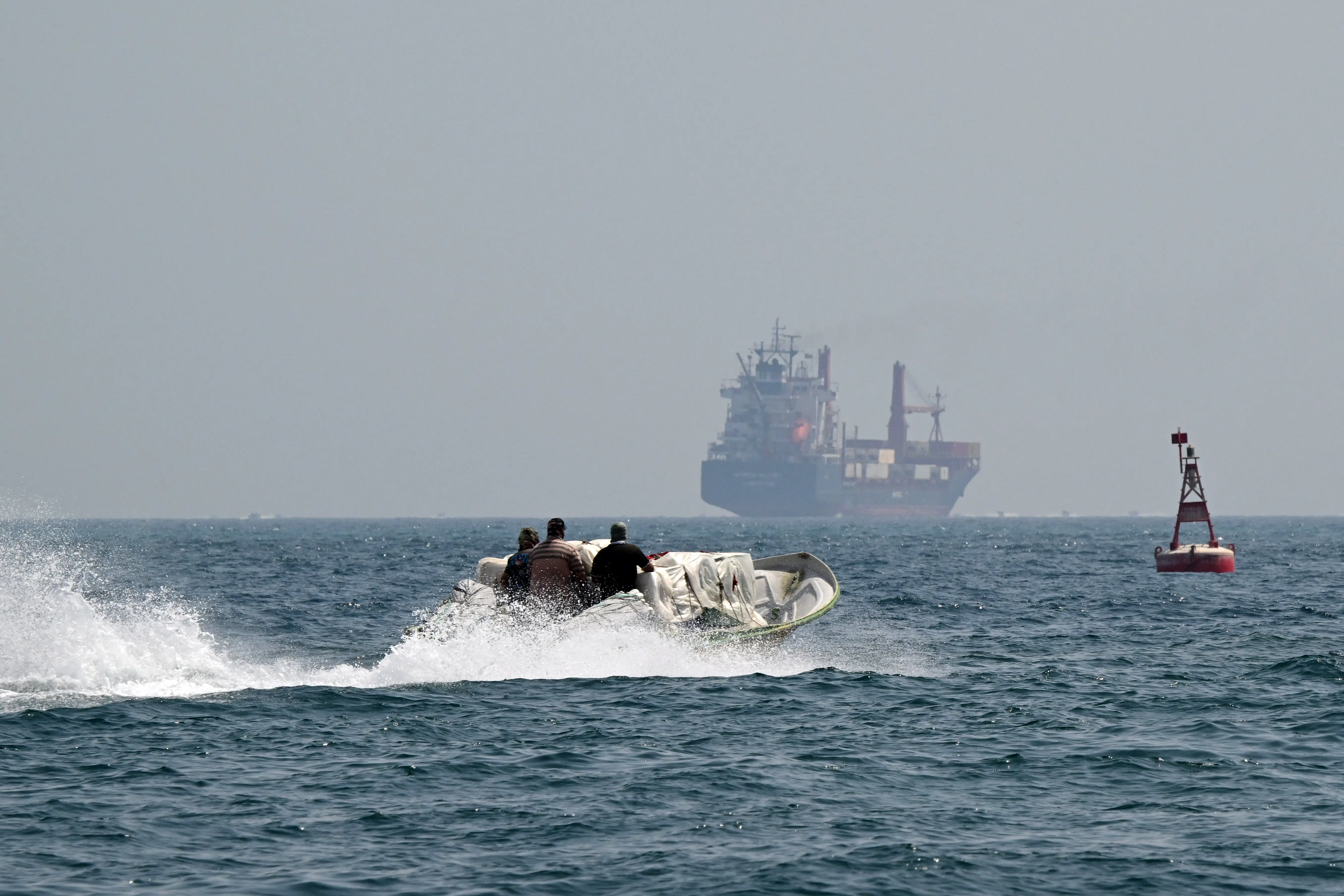
The US Request and Uncertainty
Trump emphasised on Truth Social that he 'hoped' these nations would participate but did not confirm any commitments. The White House has not clarified which countries have agreed to send vessels, leaving the international community uncertain about the response. Trump also claimed that US forces had ‘destroyed 100% of Iran’s military capability,’ yet acknowledged ongoing small-scale threats that could still imperil shipping. The strength of these navies, according to the 2026 World Directory of Modern Military Warships (WDMMW) rankings, provides insight into their potential to safeguard this critical chokepoint.
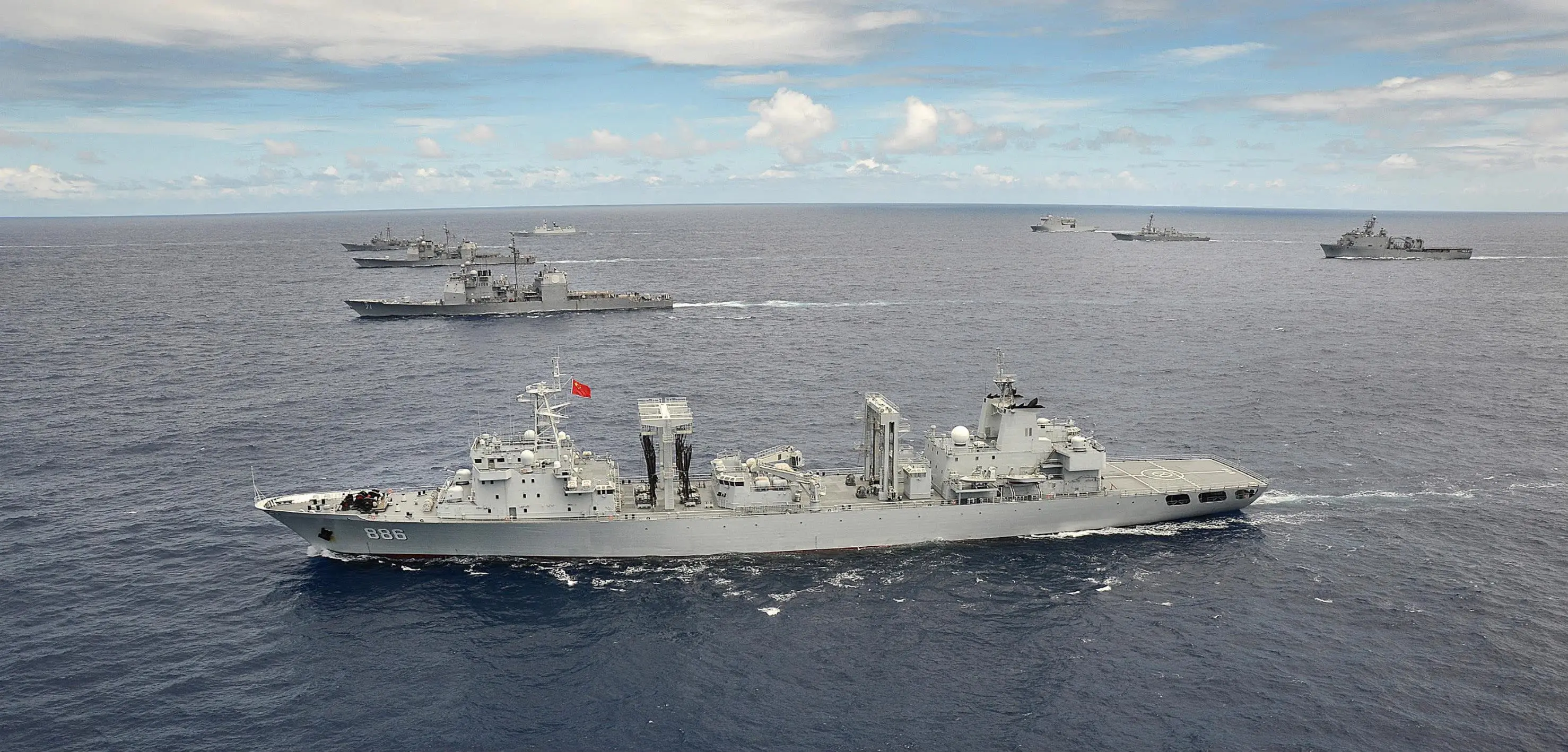
China’s Naval Capabilities
China’s People’s Liberation Army Navy (PLAN) is one of the most formidable naval forces in the world and ranks second globally in the 2026 rankings, with 405 active warships and a TrueValueRating (TvR) of 319.8. The PLAN’s inventory includes three aircraft carriers, offering Beijing a limited but expanding power‑projection capability, and 73 submarines, which provide substantial undersea reach. Overall, the Chinese fleet comprises 316 core combat vessels and 13 amphibious assault ships, giving it balanced surface and undersea strength.
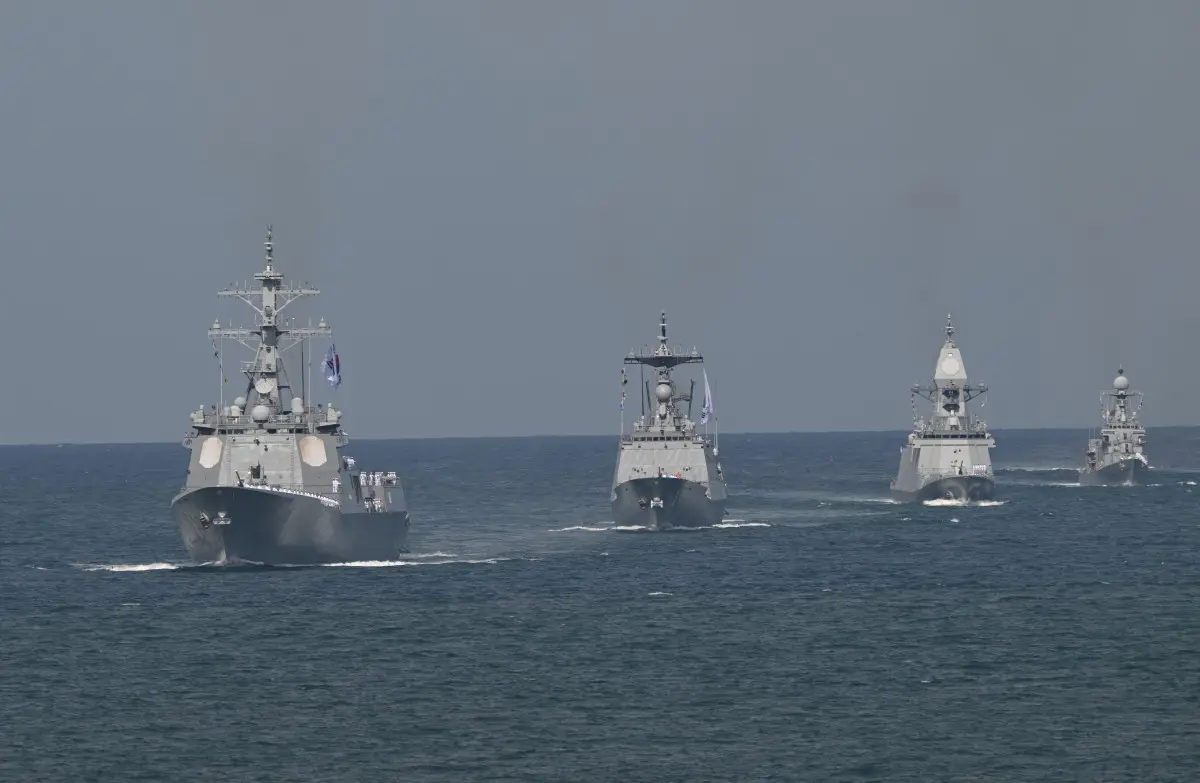
South Korea’s Fleet
South Korea’s Republic of Korea Navy ranks fifth globally in naval strength, with 147 active ships and a TrueValueRating (TvR) of 122.9. The fleet includes 21 submarines, 116 core combat vessels, and 10 amphibious assault units, though it does not operate aircraft carriers. Equipped with modern destroyers, frigates, and submarines, and benefiting from advanced training and technology, the ROKN is primarily focused on regional security but is capable of participating in high-threat maritime corridors, such as the Strait of Hormuz, under allied coordination.
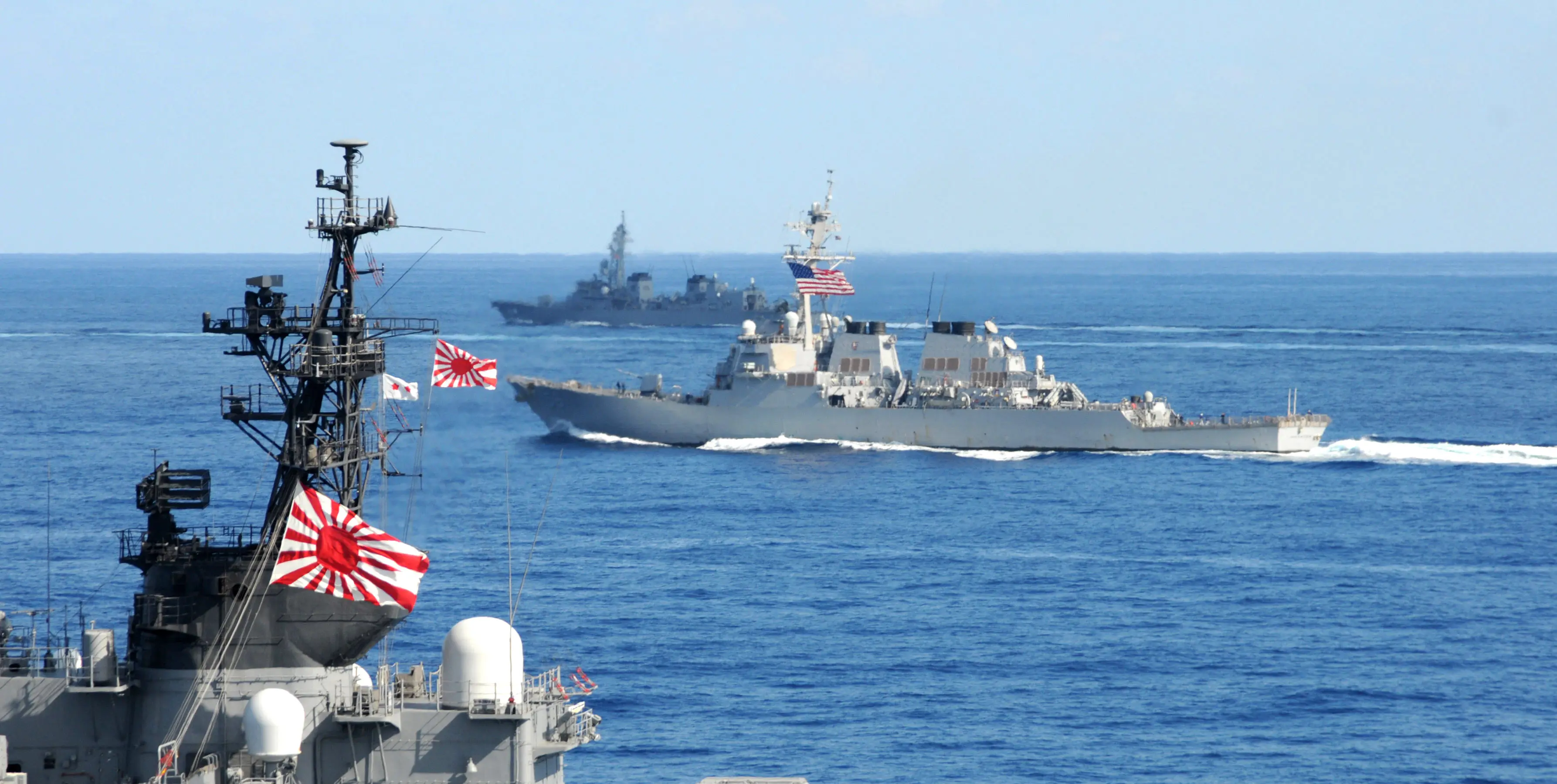
Japan’s Maritime Strength
Japan’s Maritime Self-Defense Force (JMSDF) ranks sixth globally in naval power according to the 2026 World Directory of Modern Military Warships (WDMMW), with 107 active ships and a TrueValueRating (TvR) of 121.3. The JMSDF operates a balanced fleet featuring two aircraft carriers, 22 submarines, 76 core combat vessels, and three amphibious assault ships, providing robust surface, undersea, and expeditionary capabilities. Japan's navy is equipped with advanced missile destroyers, anti-submarine warfare systems, and sophisticated surveillance technology.
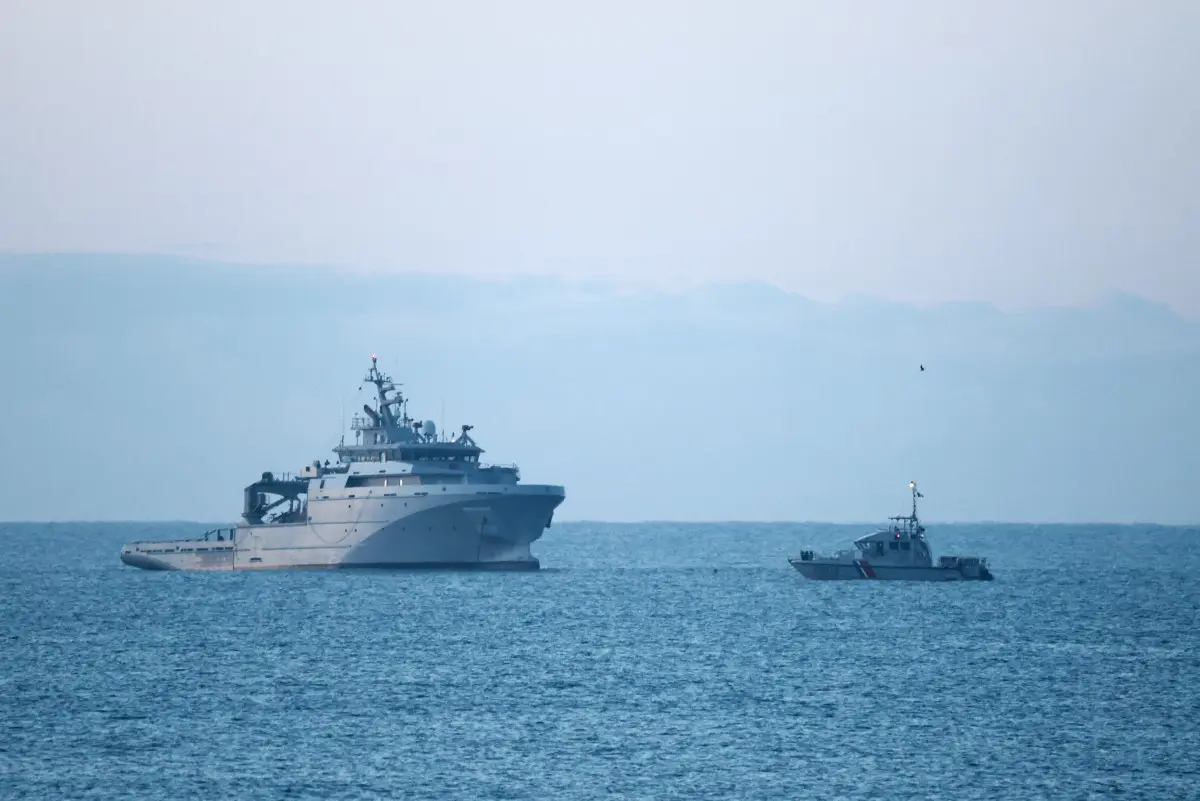
France’s Naval Power
France’s navy operates 70 vessels with a TrueValueRating (TvR) of 92.9, encompassing aircraft carriers, frigates, and nuclear submarines. French naval strategy prioritises power projection and multinational operations, making it a key potential contributor to coordinated patrols in the Strait of Hormuz. The fleet has been modernised with the Aquitaine-class destroyers, gradually phasing out older vessels such as the Floréal-class. France maintains a versatile, multi-role force capable of air, surface, and undersea operations. Globally, it ranks eighth, with one aircraft carrier, eight submarines, 58 core fleet ships, and three amphibious assault units, reflecting a balanced combination of striking power and operational flexibility.
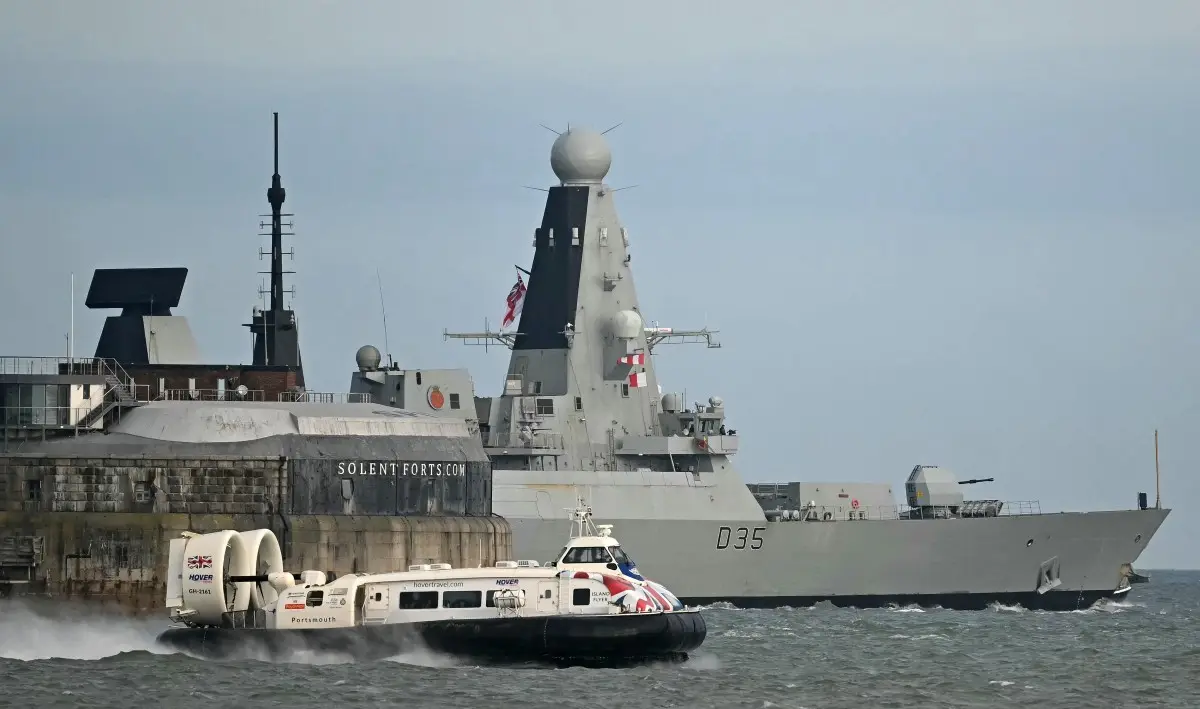
United Kingdom’s Royal Navy
The Royal Navy of the United Kingdom ranks ninth globally with 50 active ships and a TrueValueRating (TvR) of 88.3, according to WDMMW. Its strength lies in two aircraft carriers, HMS Queen Elizabeth and HMS Prince of Wales, equipped with advanced sensors, communications systems, and supporting F-35 Lightning II strike fighters, alongside 9 submarines and 39 core fleet vessels. It maintains 9th rank globally. Despite a smaller fleet compared with major Asian navies, the Royal Navy is highly experienced in securing strategic chokepoints, providing rapid deployment, and escorting vessels through high-threat maritime corridors.
)
)
)
)
)