Trump approves Epstein files bill! Step by step guide of what will happen next..

While the law mandates broad disclosure, it allows for certain exemptions: the DOJ may redact or withhold content that includes victim identifying information, child sexual-abuse material, active investigations, classified national-security files, or where privacy laws apply.
1. DOJ Has 30 Days to Publish Unclassified Records
With Trump’s signature, the law requires the United States Department of Justice (DOJ) to make publicly available, in a searchable and downloadable format, all unclassified records, documents, communications, and investigative materials in its possession relating to Epstein, his associates, investigations, prosecutions, or custodial matters, within 30 days of enactment.

2. Files Must Include Investigations, Prosecutions & Custody Details
The bill explicitly covers not just the original investigations and prosecutions involving Epstein and his longtime associate Ghislaine Maxwell, but also documents relating to Epstein’s custody and death. That means materials about how he was held, monitored, and what the federal government did or did not do are included.

3. Some Redactions & Withholdings Are Permitted — But Not for Political Embarrassment
While the law mandates broad disclosure, it allows for certain exemptions: the DOJ may redact or withhold content that includes victim identifying information, child sexual-abuse material, active investigations, classified national-security files, or where privacy laws apply. Importantly, the law bars redacting or withholding records on the basis of embarrassment, reputational harm, or political sensitivity, including for public officials or foreign dignitaries.
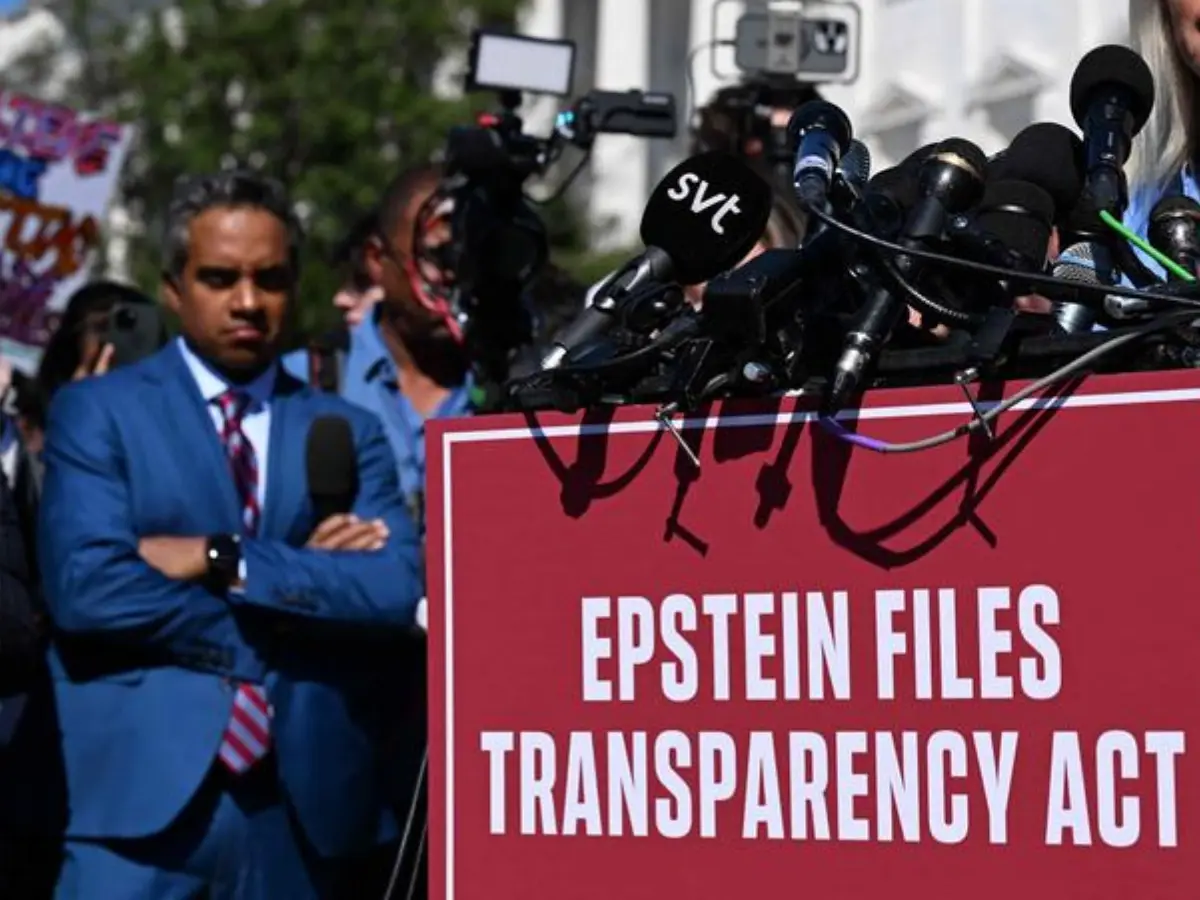
4. Agencies Must Submit a Report Explaining Redactions or Withholdings
Within 15 days of the files’ public release, the DOJ must send Congress a report explaining any material that was withheld, including the legal justification for each redaction. This accountability measure is built into the law to ensure transparency about what was kept hidden and why.

5. The Secretary of the Files’ Fate — Congress Will Get a Named List
Alongside the files, the law requires submission of a list of “all government officials and politically exposed persons” who are named or referenced in the documents, albeit still subject to permissible redactions for victim privacy or ongoing investigations. This means we’ll see metadata on who appears, even if full context remains sealed.
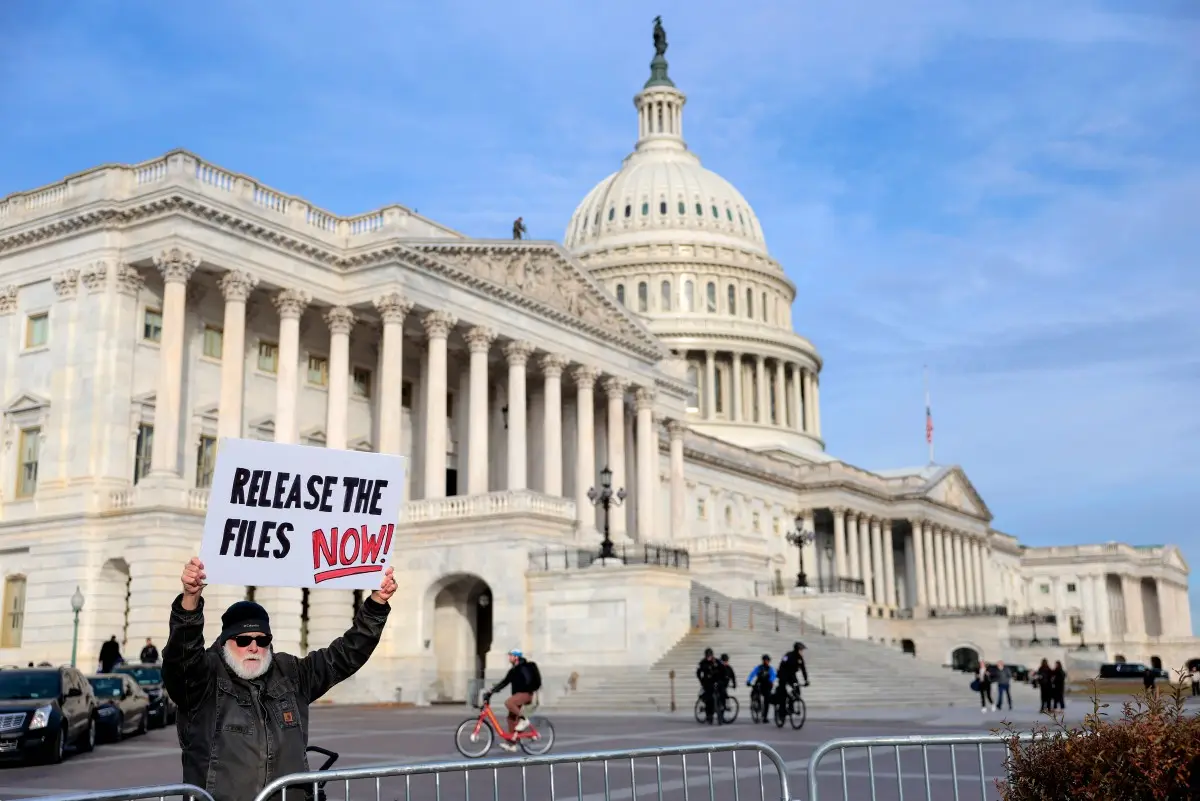
6. Implementation Is Immediate — But Practical Challenges Remain
Although the law is enacted, practical steps are required: the DOJ must catalog, review, declassify or mark redactions, format documents for public access, and upload searchable files. Some documents remain sealed under court order, protected by grand-jury rules, or involve classified content, so full disclosure may still be phased rather than instantaneous.
7. Victims and Survivors Will Have a Key Watchpoint
Survivor groups and advocates will monitor how the release handles victim privacy and whether the records contain meaningful material. Even if documents appear, how they’re redacted or organised will affect how much the public learns. Some lawmakers have cautioned that too many redactions or delays could undermine trust.
8. Political Fallout and Public Scrutiny Will Be High
Because public interest in the Epstein case has been intense, given the high-profile names involved, the nature of the crimes, and past secrecy, the release will also carry political consequences. Officials will be scrutinized for what remains hidden, how quickly releases occur, and whether the law’s spirit is honoured.

Bottom Line
With Trump’s signature, the Epstein Files Transparency Act becomes law. The DOJ now has an enforceable deadline to publish a vast trove of materials relating to Jeffrey Epstein’s investigations, prosecutions, custody, and death. While some redactions and withholdings are legally allowed, especially to protect victims and ongoing investigations, the law explicitly prohibits blocking disclosure for mere reputational or political reasons. The next month will test how thoroughly the government delivers on both transparency and protection.
)
)
)
)
)