'Trapped in a drowning fighter jet': How an F‑8 pilot pulled off a daring underwater ejection and survived

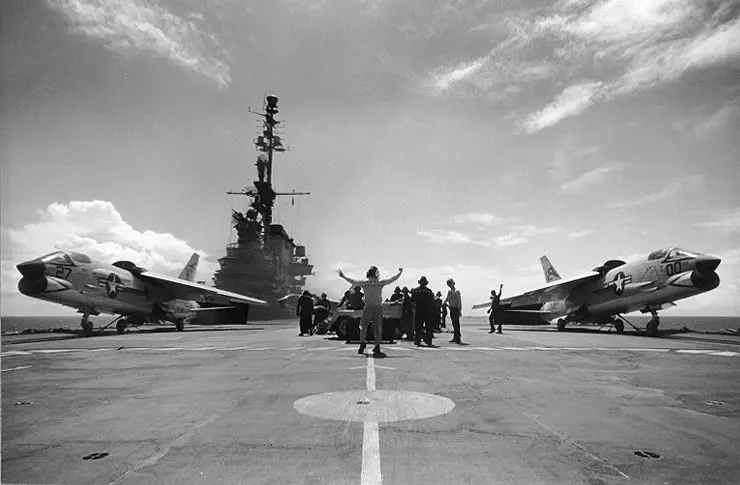
As the pilot prepared for take-off, the catapult fired but malfunctioned. The F‑8 lurched forward, but without enough power or speed to lift off.
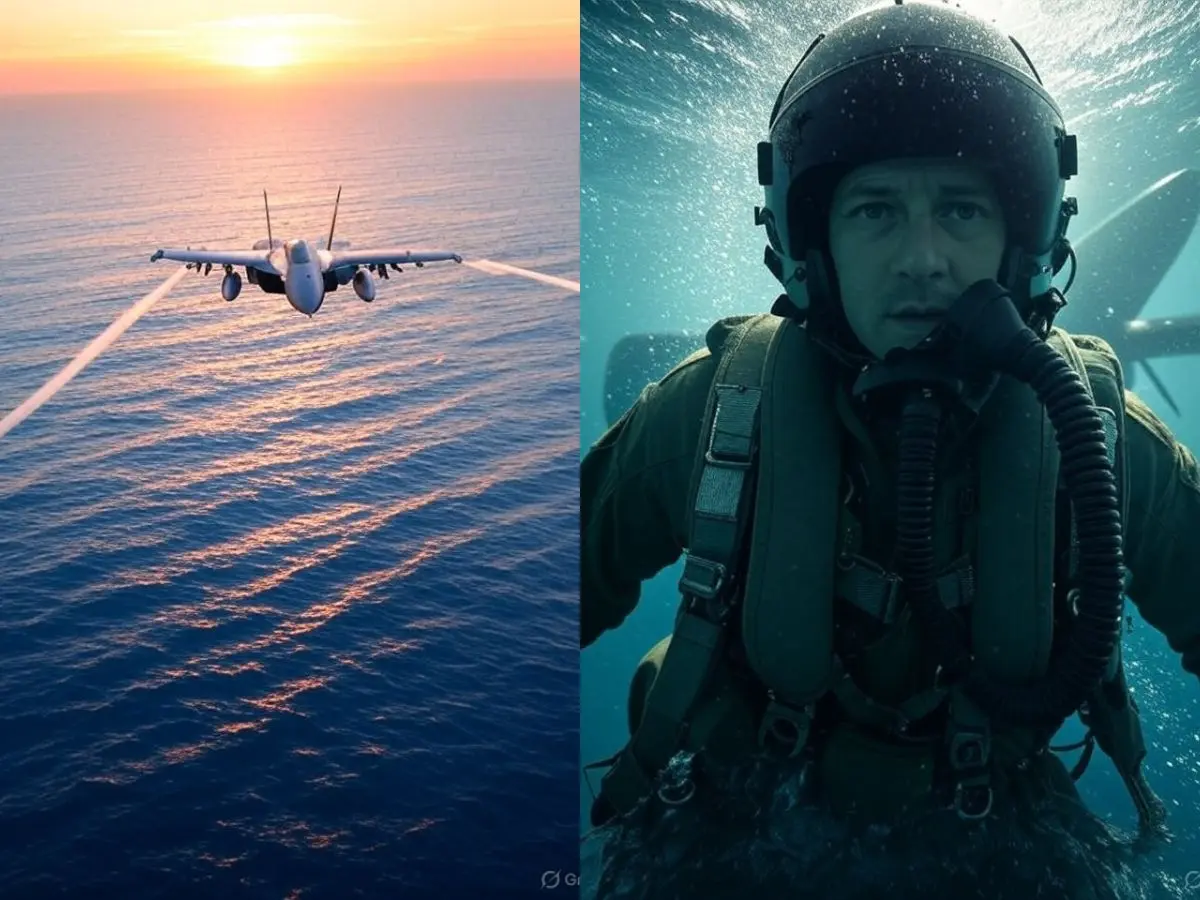
A Routine Launch Gone Wrong
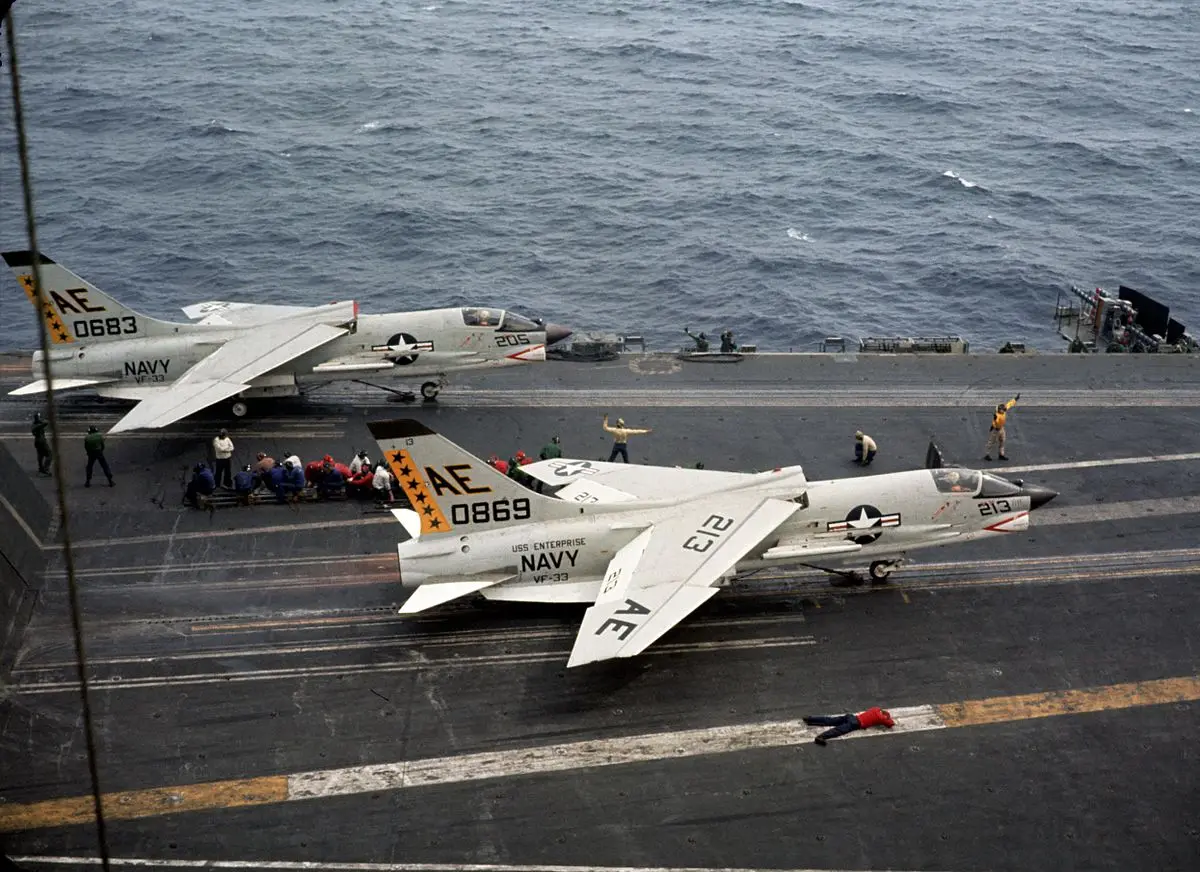
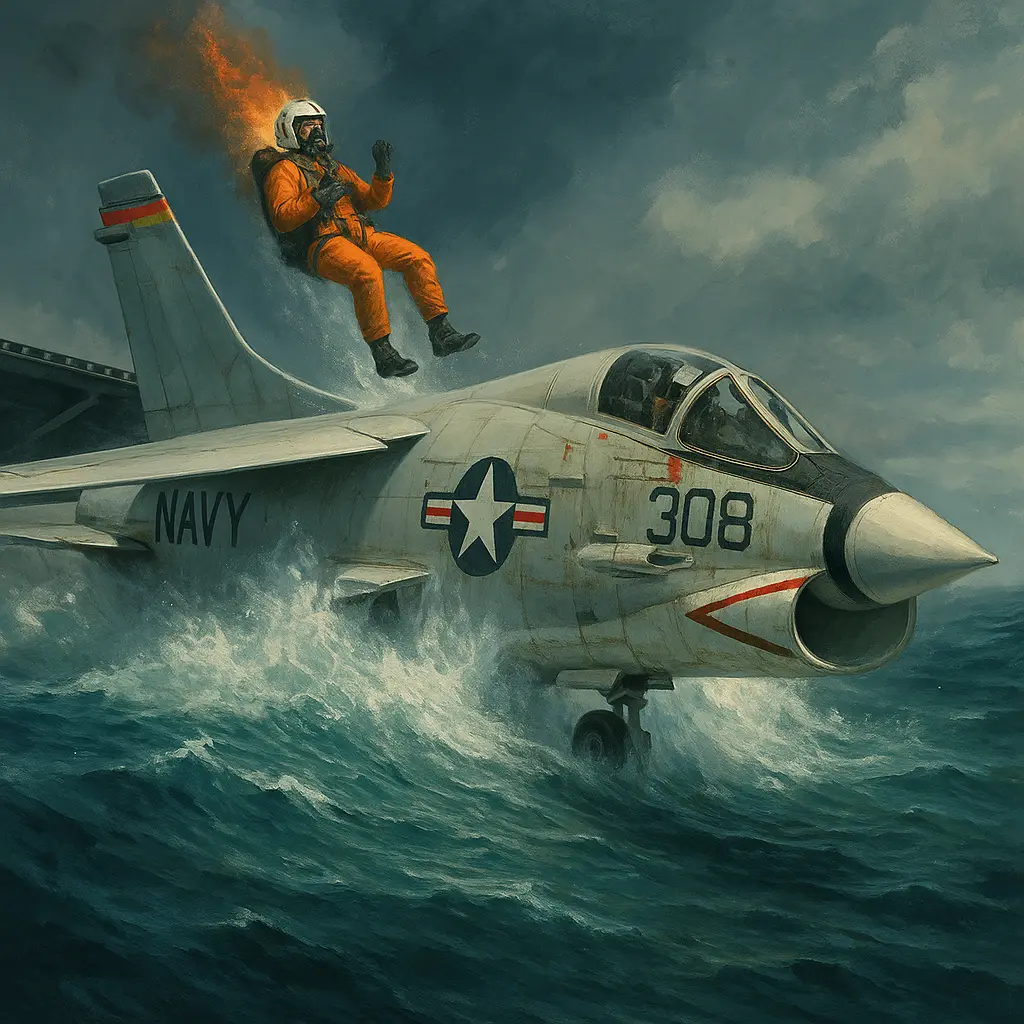
Imagine being strapped into the cockpit of a fighter jet, seconds from launch on an aircraft carrier, when the catapult suddenly fails, sending your aircraft sliding helplessly off the deck at barely 30 knots. It is the true account of a US Navy pilot in a Chance Vought F‑8 Crusader who, against all odds, survived an underwater ejection after his jet plunged into the sea. As the pilot prepared for take-off, the catapult fired but malfunctioned. The F‑8 lurched forward, but without enough power or speed to lift off. Despite slamming on the brakes, the aircraft toppled over the carrier’s port side, nose-first into the water, triggering a desperate fight for survival beneath the waves.
Sinking Fast
As the F‑8 plunged beneath the waves, the pilot quickly tried to jettison the canopy by pulling the console lever. The canopy lifted only six inches before slamming shut again under water pressure. Water surged into the cockpit, pinning the pilot as the jet began sliding deeper in a nose-down attitude. On 100 per cent oxygen, as per procedure, he could still breathe but time was running out.
The Critical Decision
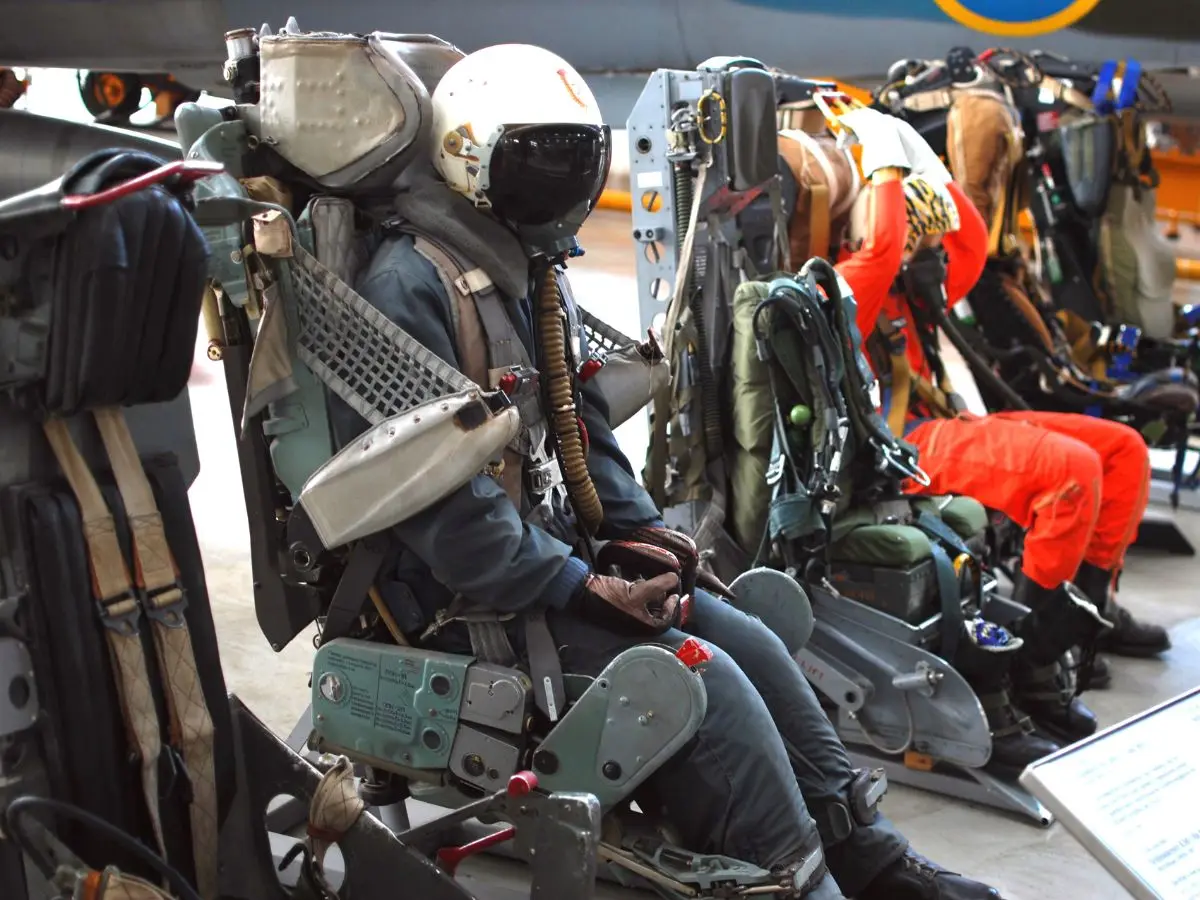
Realising that waiting longer meant certain death, the pilot decided to eject underwater, a measure considered only in extreme emergencies. Looking up through the canopy, he could just make out lighter water above. Trusting the ejection system, he pulled the face curtain sharply, activating the seat.
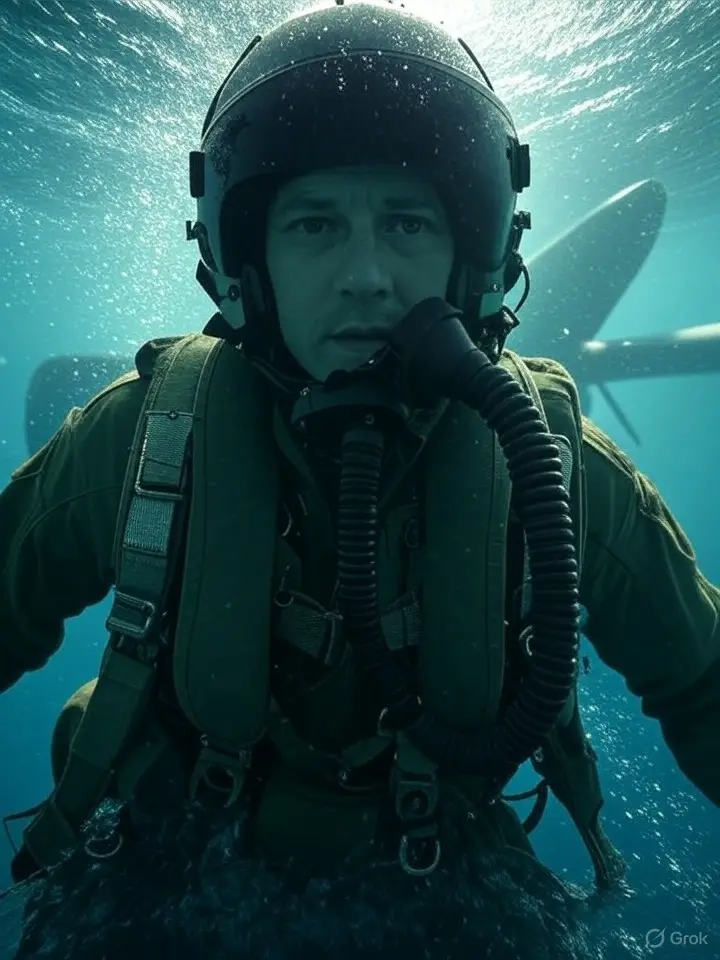
Breaking the Surface
The ejection felt more like a powerful shove than the typical explosive force. Despite the immense water pressure, the pilot shot upwards, breaking through the sea surface. At the peak of his arc, about 20 feet above water, he could see the side of the carrier only 10–15 feet away. After two forward somersaults, he splashed back into the sea, narrowly missing the ship’s massive screws.
Entangled in the Chute
Underwater, his parachute deployed prematurely, dragging him backwards in the turbulent wake of the carrier. Heavy drag made it impossible to release the harness under load. By grabbing one lift web, he released a fitting, which allowed the other to come free. Free at last, he surfaced and inflated his life vest.
Swift Rescue
Within moments, a rescue helicopter hovered above. The pilot was lifted from the water and returned to the carrier, all within four minutes of the failed launch. This event stands as one of the few documented underwater ejections to end in survival.
Lessons from the Depths
This rare account underscores the split-second decisions pilots must make. While procedures cover ditching and ejection, the pilot’s quick thinking and trust in his training and equipment made survival possible.
)
)
)
)
)