UFO Files: Released Tranche 1 still leaves many cases 'unresolved'

Despite the massive data dump, the Pentagon admitted that many of the files detailed in the May 8 release remain entirely ‘unresolved.’ Officials stated that the government is still unable to make definitive determinations on the nature of the observed phenomena in over half of the reports, opening the door for analysis from the private sector.

The Unresolved Majority
Despite the monumental scale of the May 8 data dump, Pentagon officials candidly admitted that over half of the cases detailed in the release remain entirely ‘unresolved.’
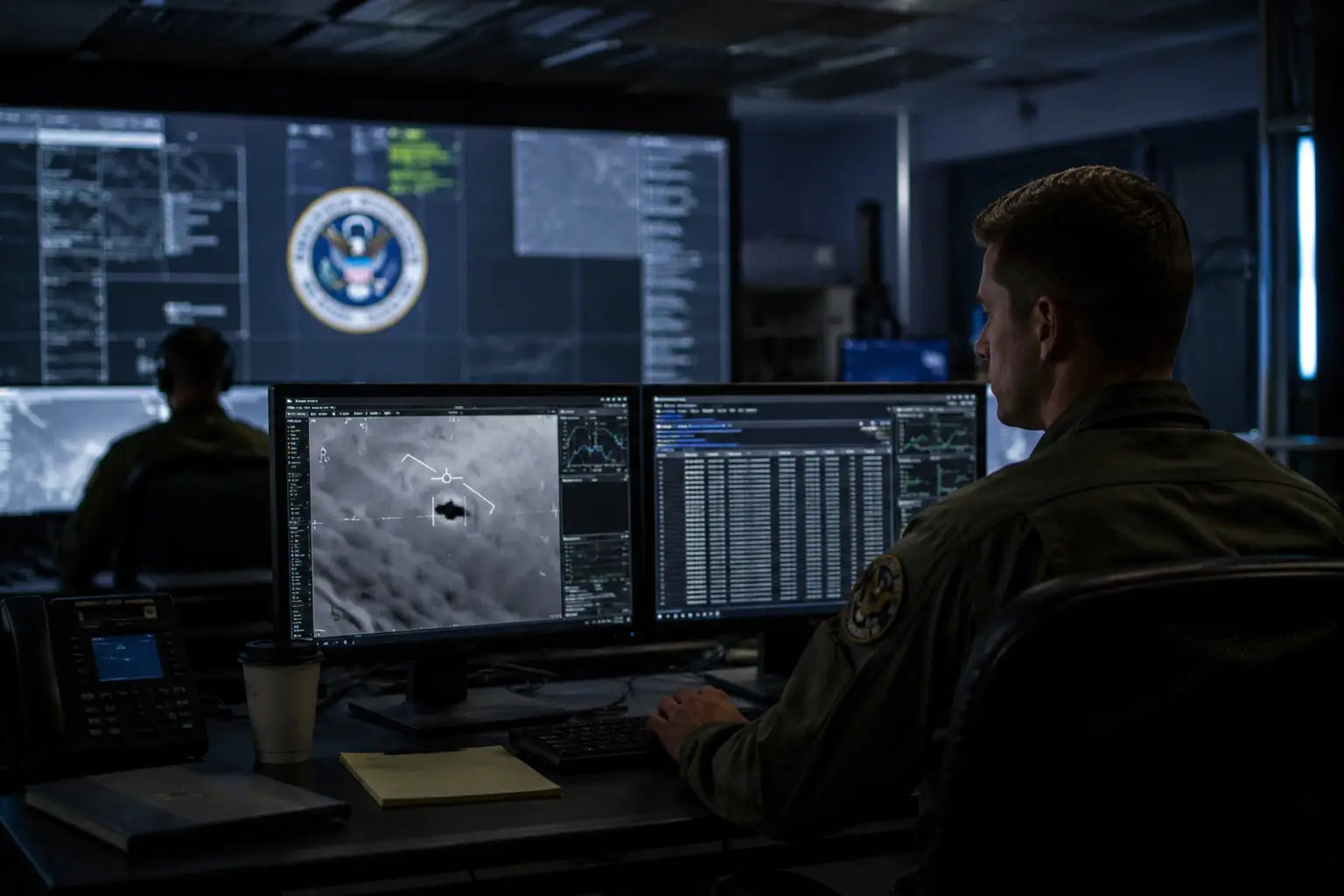
No Definitive Determinations
Intelligence officials stated that despite utilizing advanced sensor data and forensic analysis, the government is simply unable to make definitive determinations on the nature of the observed phenomena.
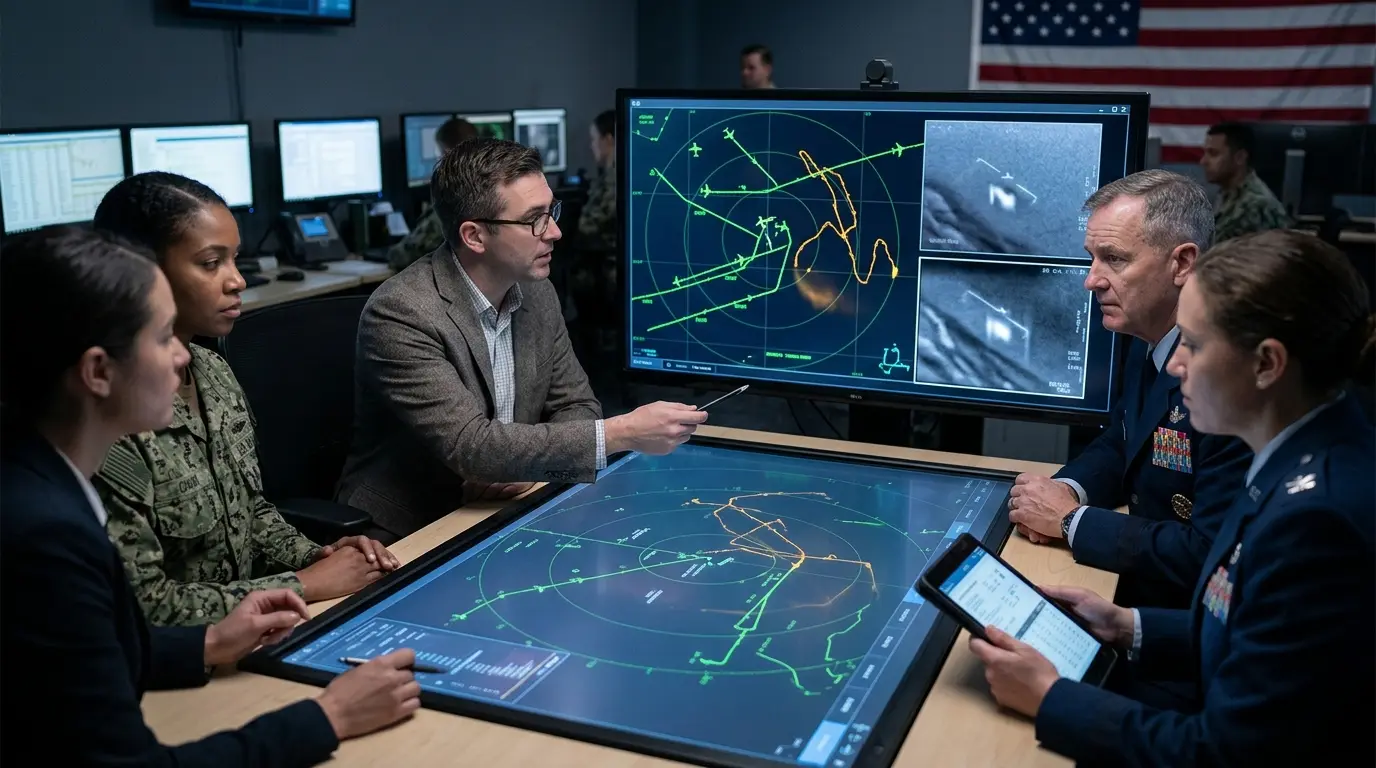
Dismissing Mundane Explanations
The reports emphasize that rigorous analysis has already ruled out conventional explanations such as weather balloons, atmospheric anomalies, or misidentified civilian aircraft.
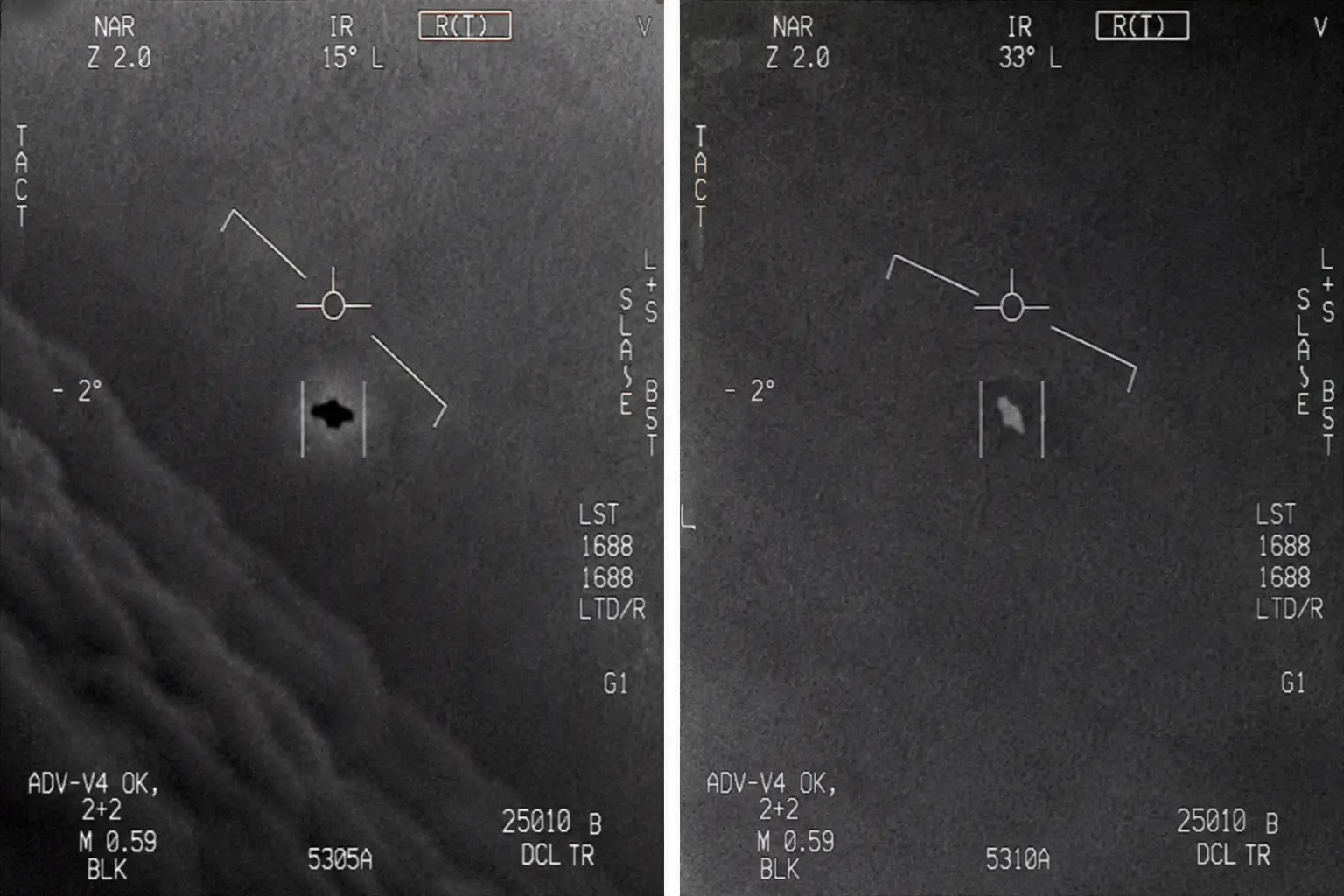
The Limits of Military Intelligence
The admission highlights a humbling reality for the DoD: their multi-billion dollar surveillance apparatus cannot identify craft demonstrating physics-defying maneuvers.
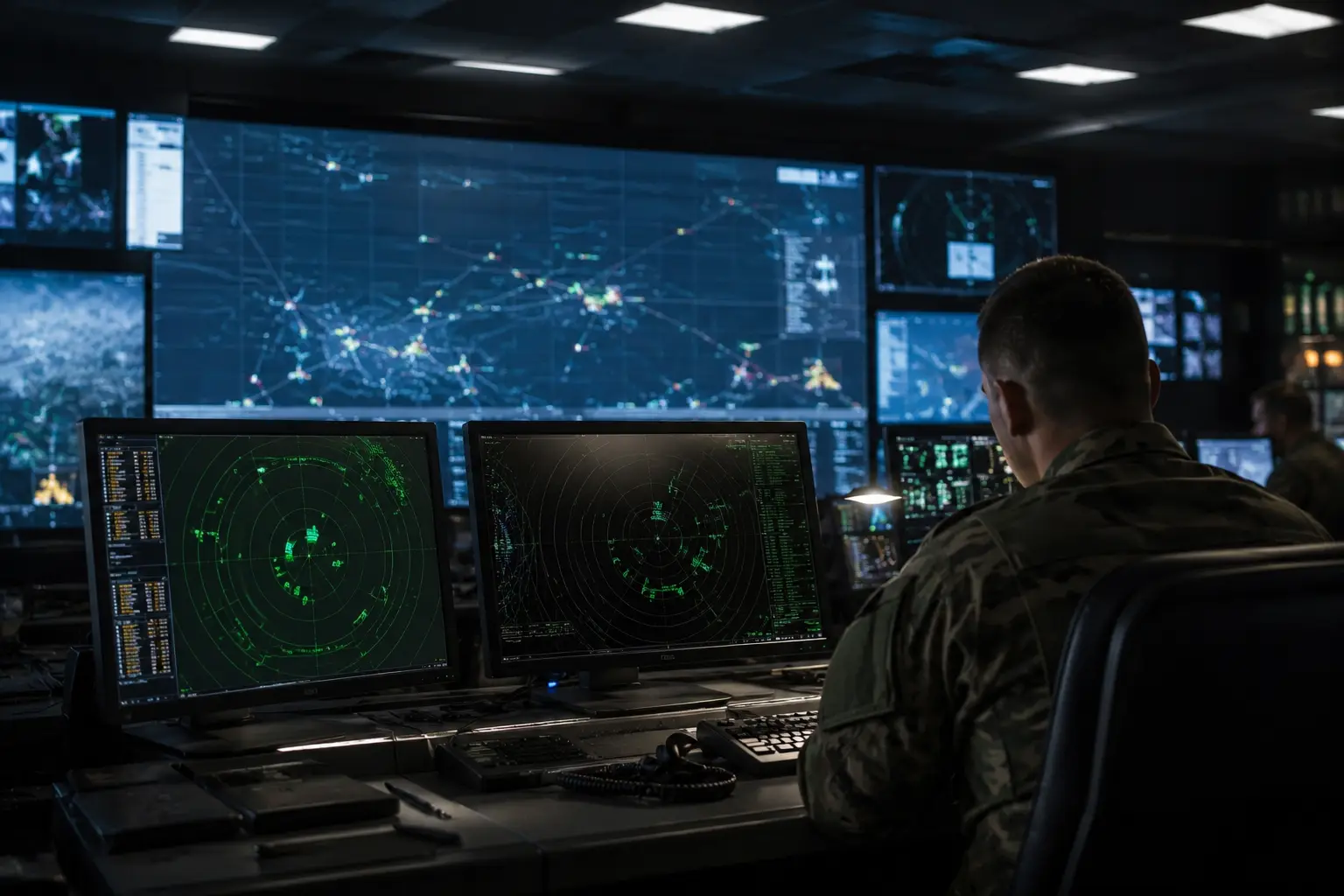
Opening the Door to Science
By declaring these cases unresolved, the Pentagon is actively opening the door for the private sector, academic institutions, and independent researchers to analyze the raw data.
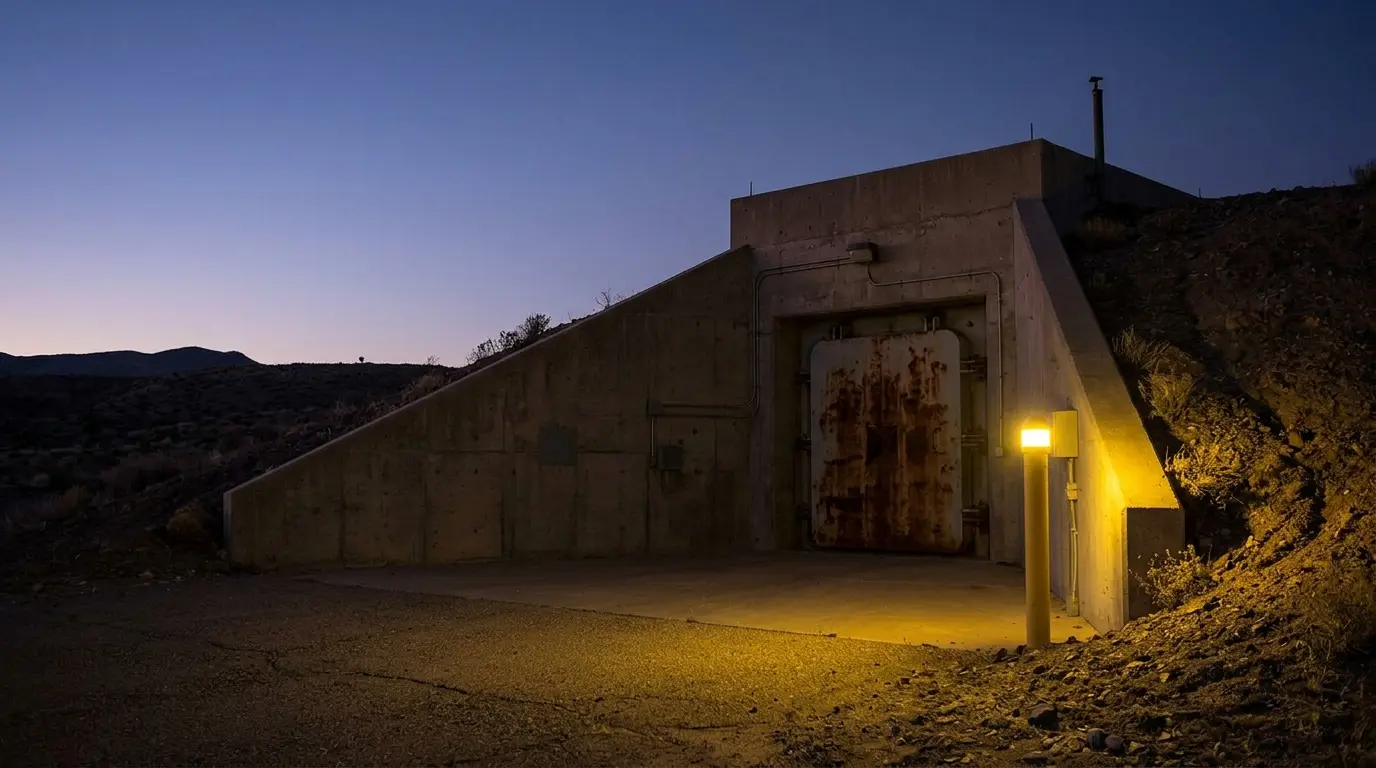
The Need for Better Sensors
The unresolved nature of these files has sparked bipartisan calls in Congress to fund and deploy dedicated deep-space and atmospheric sensors specifically designed to track UAPs.

Anticipating Tranche 2
As the public and scientific community digest the ‘unresolved’ mysteries of Tranche 1, anticipation is already building for the next release of classified files expected later this year.
)
)
)
)
)