'Training to survive -40°C in Greenland': What's it actually like to train as a soldier in Arctic conditions?

Surviving Greenland's lethal Arctic environment requires more than just fitness; it demands mastery of the cold. Training for Greenland’s Arctic conditions involves mastering moisture control to prevent freezing sweat and consuming 5,000 calories daily.
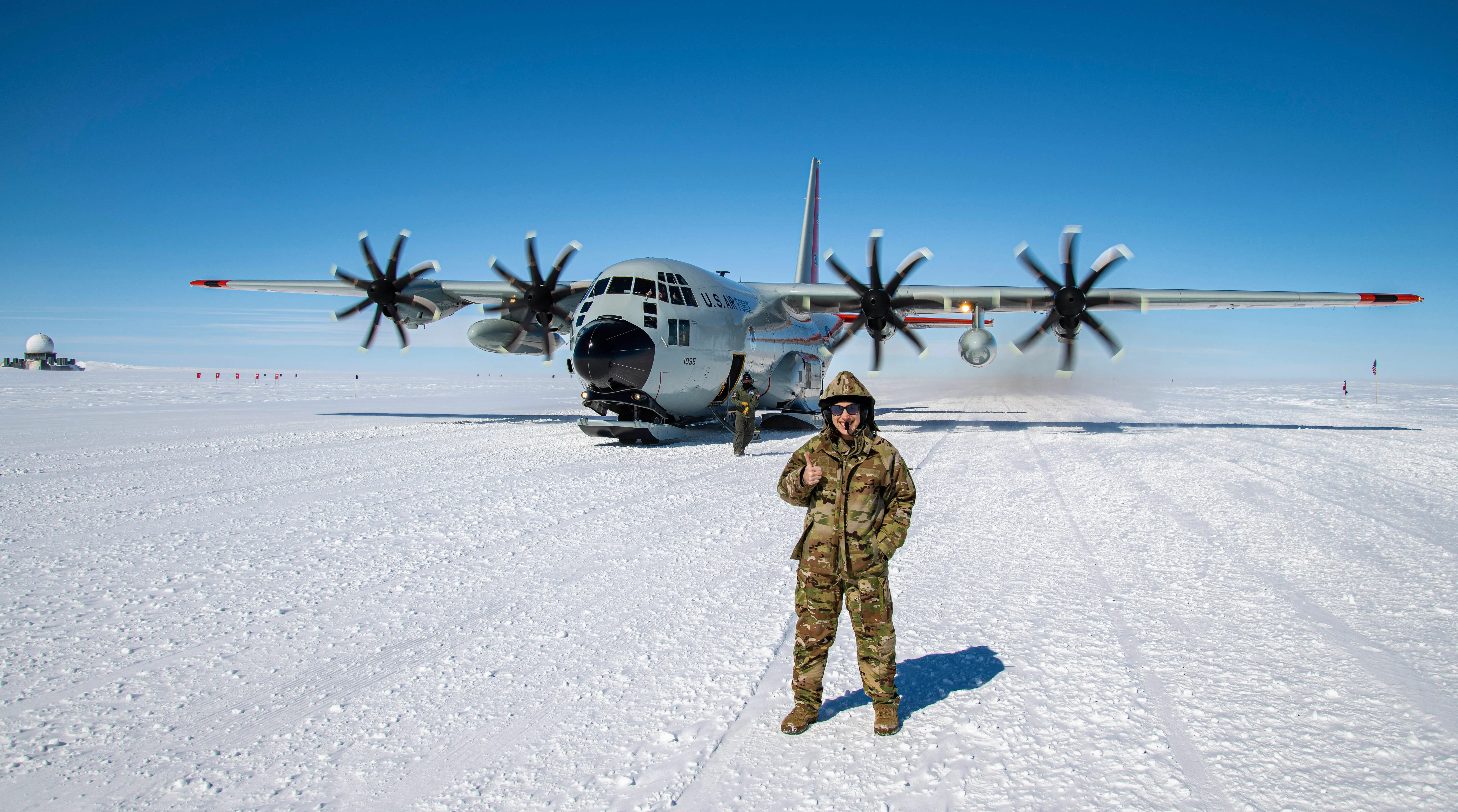
The ‘Sweat Kills’ rule: Moisture is the enemy
Recruits learn the C.O.L.D. acronym immediately: Keep it Clean, avoid Overheating, wear Loose layers, and keep it Dry. In -40°C, trapped sweat freezes against the skin instantly, leading to hypothermia, so soldiers must constantly vent their clothing to stay cool while moving.
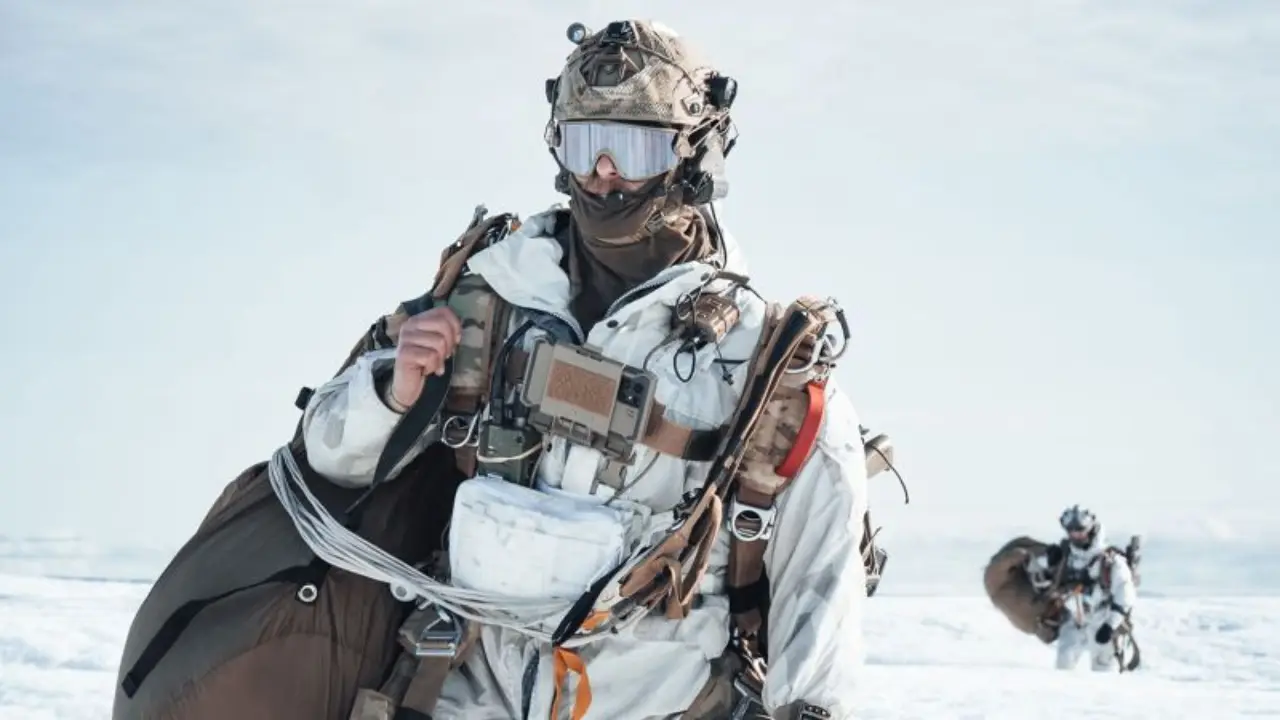
The Sirius selection
For Denmark’s elite Sirius Dog Sled Patrol, the selection is brutal. From a pool of around 50 highly fit candidates, only six are chosen after seven months of psychological and physical testing to endure 26 months of isolation.
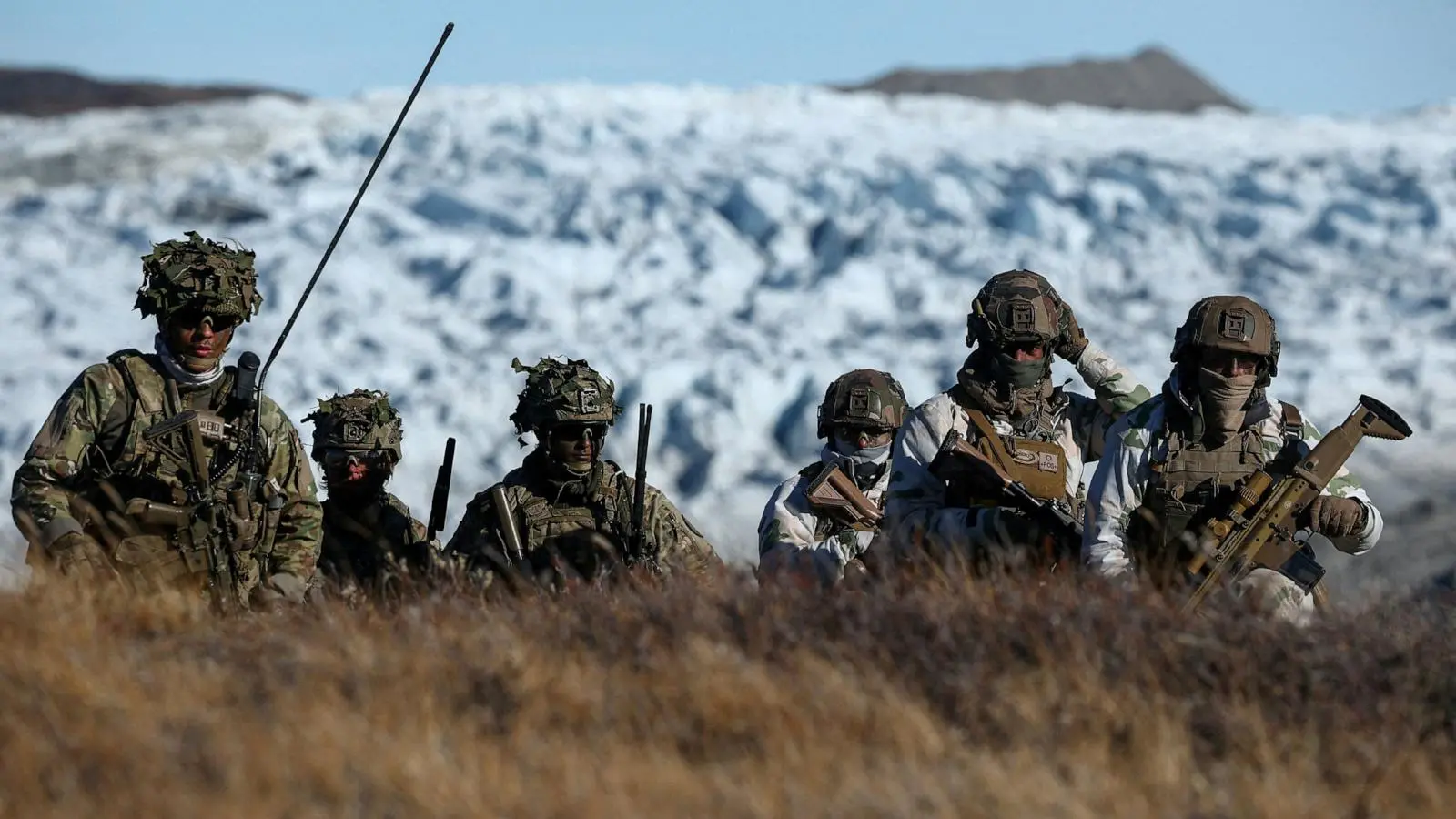
Veterinary and dentistry skills
Soldiers must be able to treat themselves and their dogs. Training includes an intensive veterinary course to stitch up injured huskies, and recruits even learn basic dentistry to fix their teammate's teeth in the middle of nowhere.
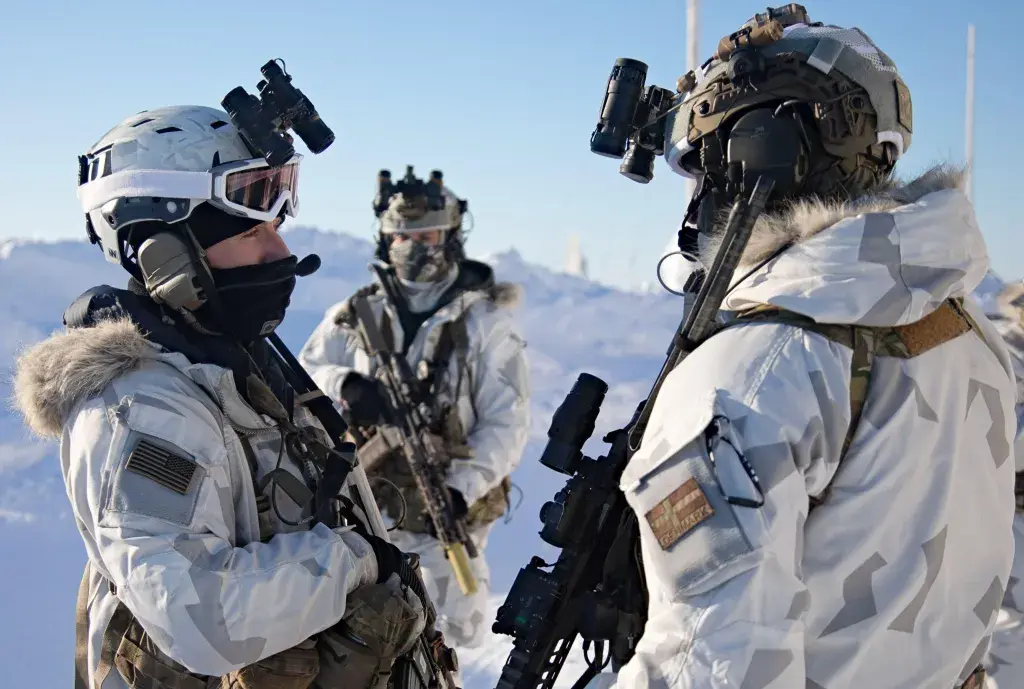
The ice plunge drill: Surviving freezing water
To prepare for the worst, trainees must jump into freezing water and pull themselves out. This drill teaches them to control the 'cold shock' response the gasp reflex that causes drowning and to rapidly rewarm their bodies before freezing to death.
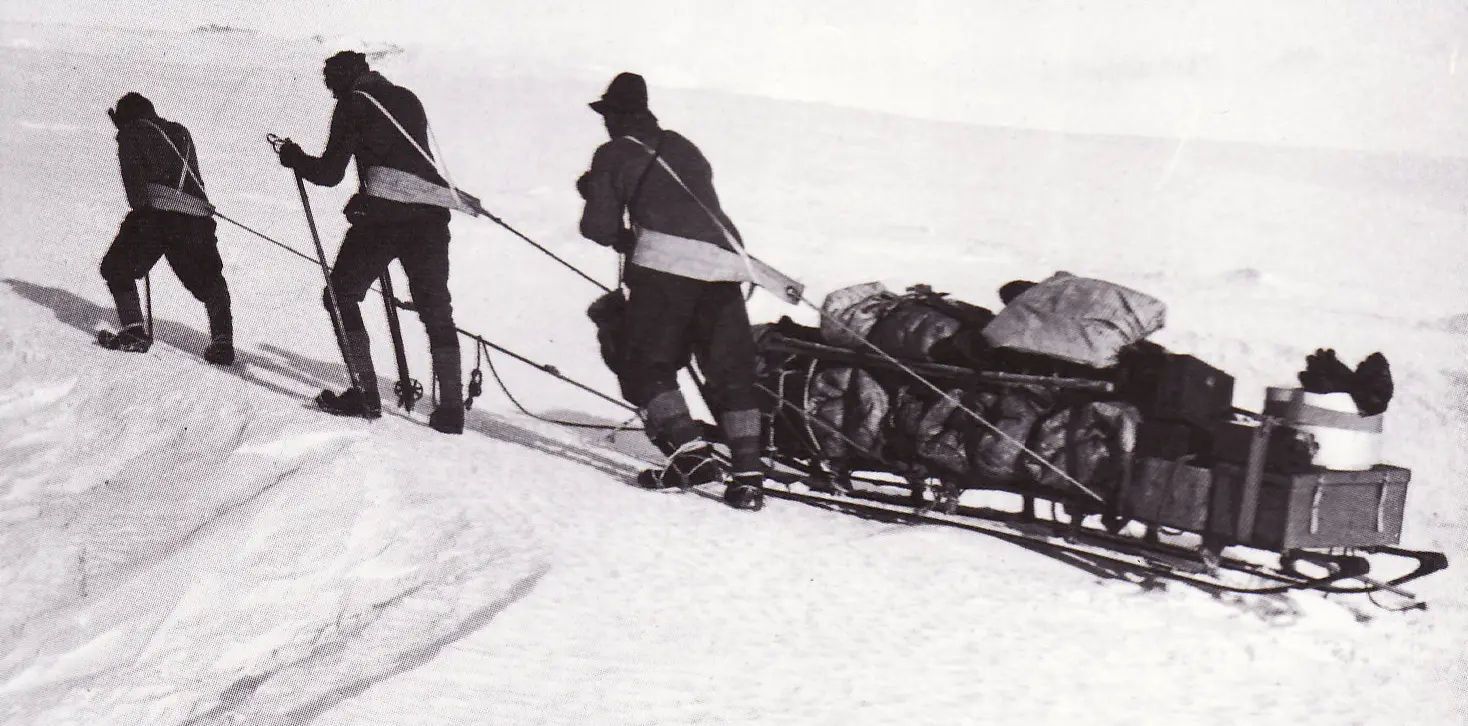
Hauling 400kg sleds Human power required
While dogs pull the weight, soldiers must often push and drag their 400kg sleds over rough pack ice. Physical training focuses on immense core and leg strength to navigate terrain where snowmobiles would fail and break down.
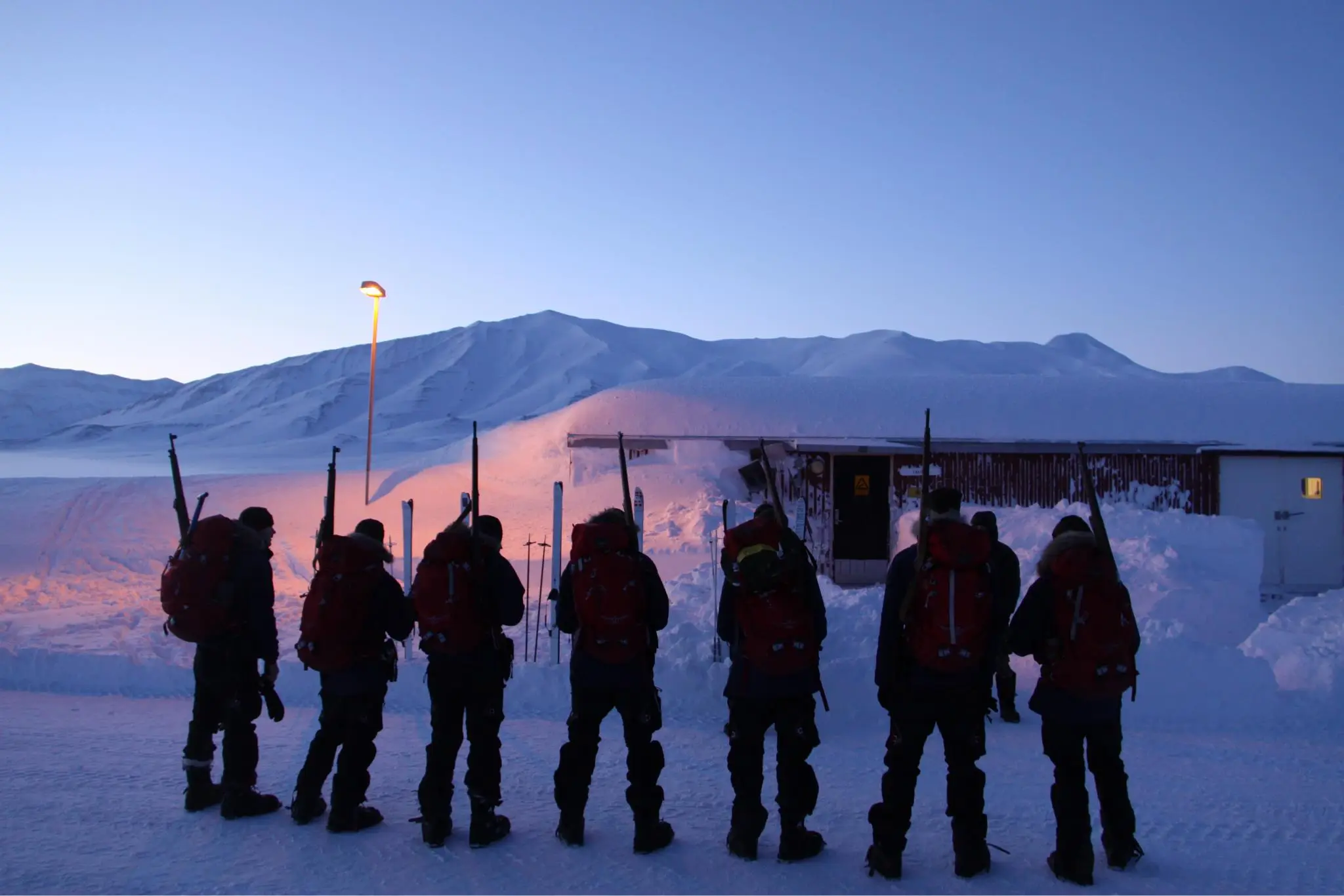
Sewing your own gear: Mastering the needle
In the High Arctic, you cannot buy replacements. Soldiers spend weeks learning industrial sewing to repair tents, sleeping bags, and clothing. They often make their own specialised gear from scratch to ensure it fits perfectly for the long patrol.
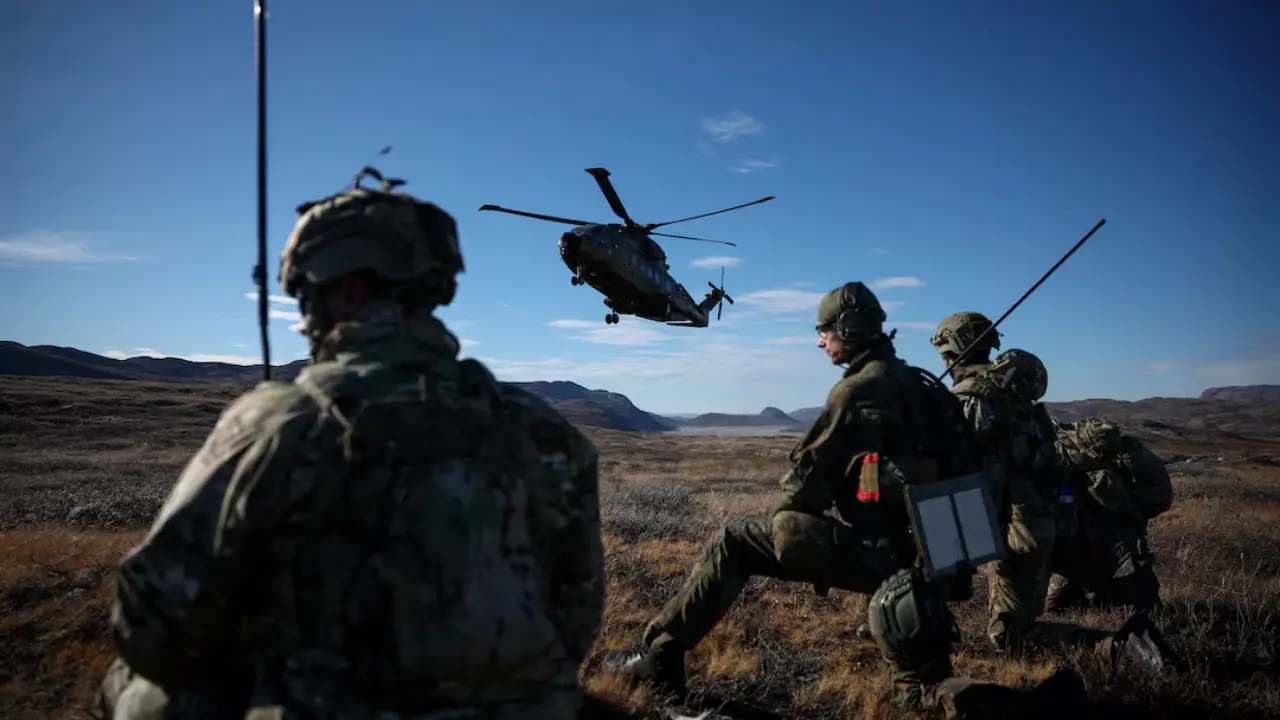
Eating 5,000 calories a day, fuel to stay warm
The body burns massive energy just to maintain its core temperature. Soldiers are trained to consume over 4,500 to 5,000 calories daily double the average adult intake feasting on high-fat rations and heavy meals just to prevent weight loss during patrols.
)
)
)
)
)