Tracking 3I/ATLAS through space: How it compares to ‘Oumuamua

3I/ATLAS is larger, faster, and more active than ‘Oumuamua, the first interstellar visitor. Its bright tail and size make it a unique object for study. It’s being tracked by global telescopes. Scientists are watching closely to uncover its mysterious origins.
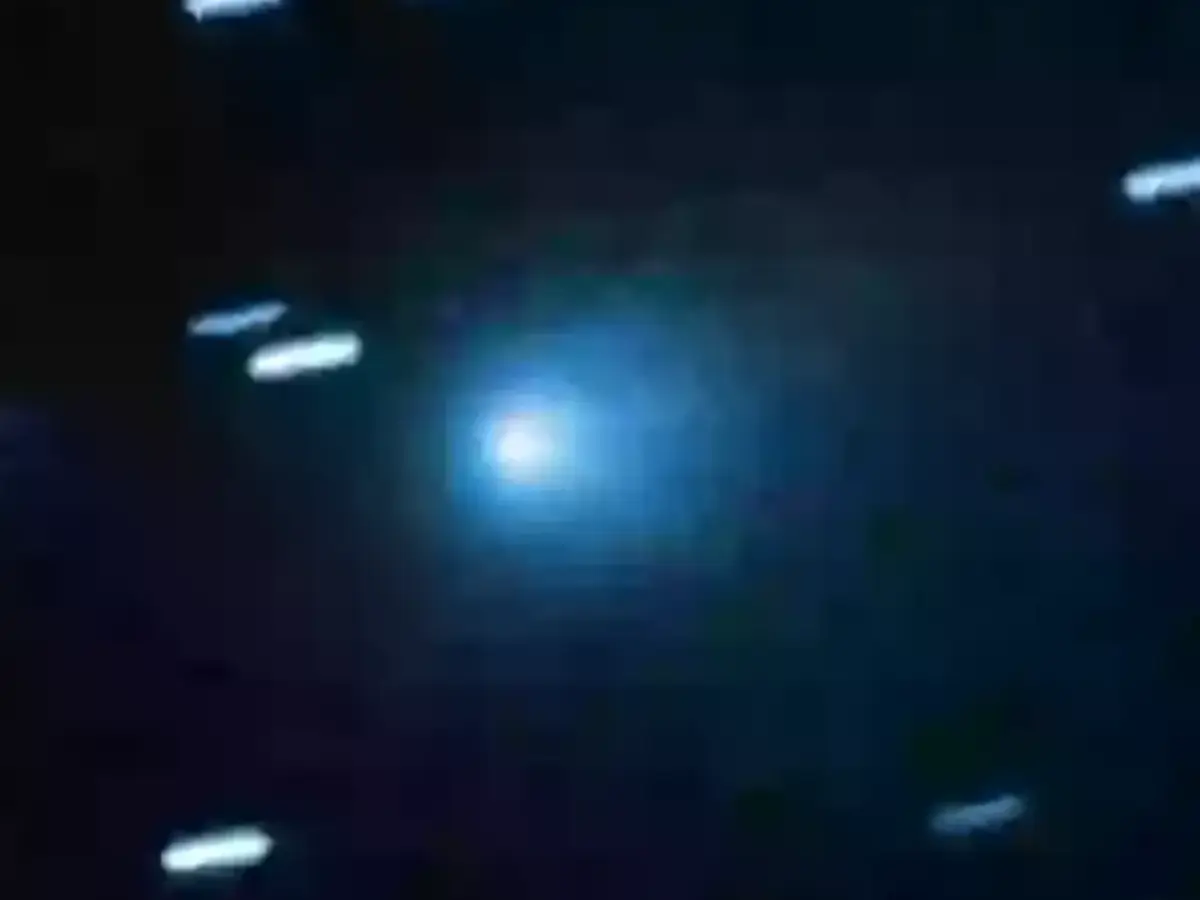
3I/ATLAS?
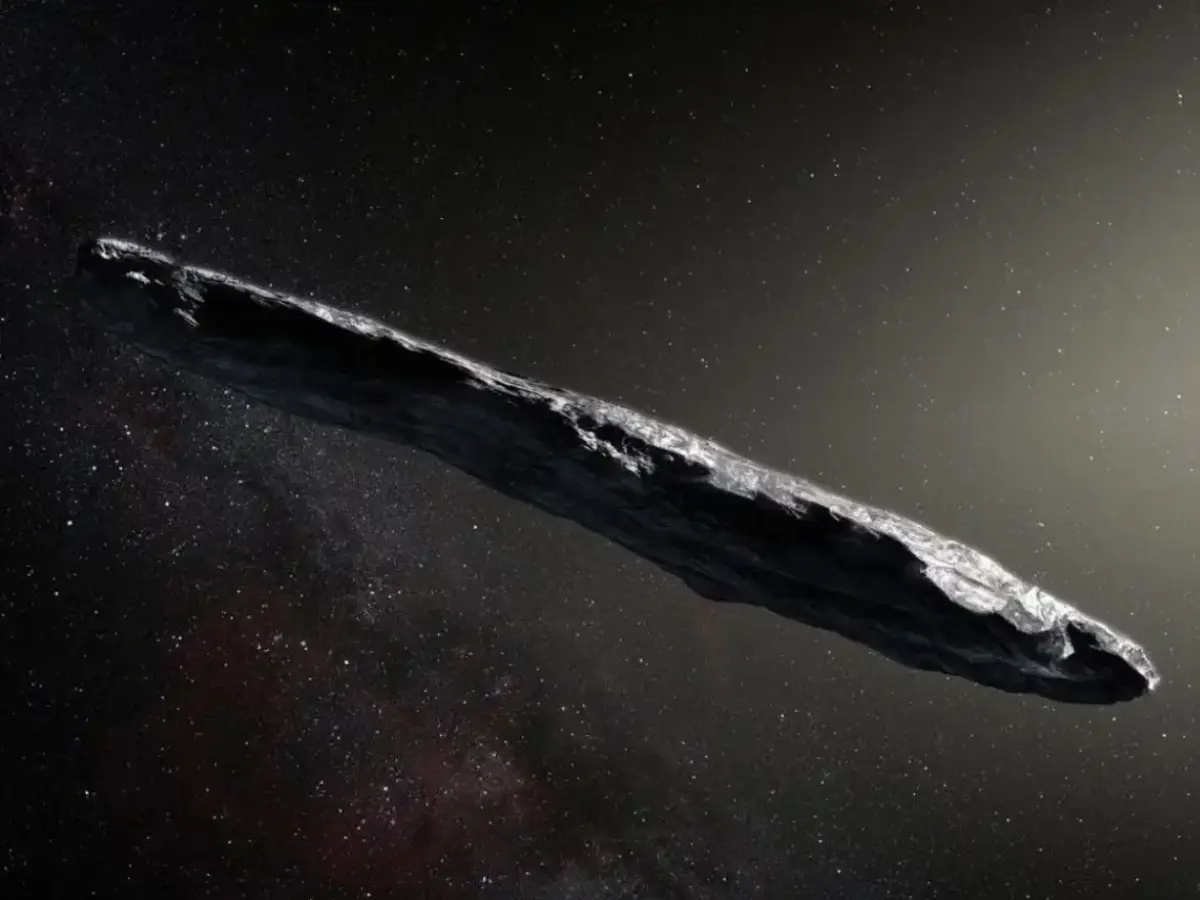
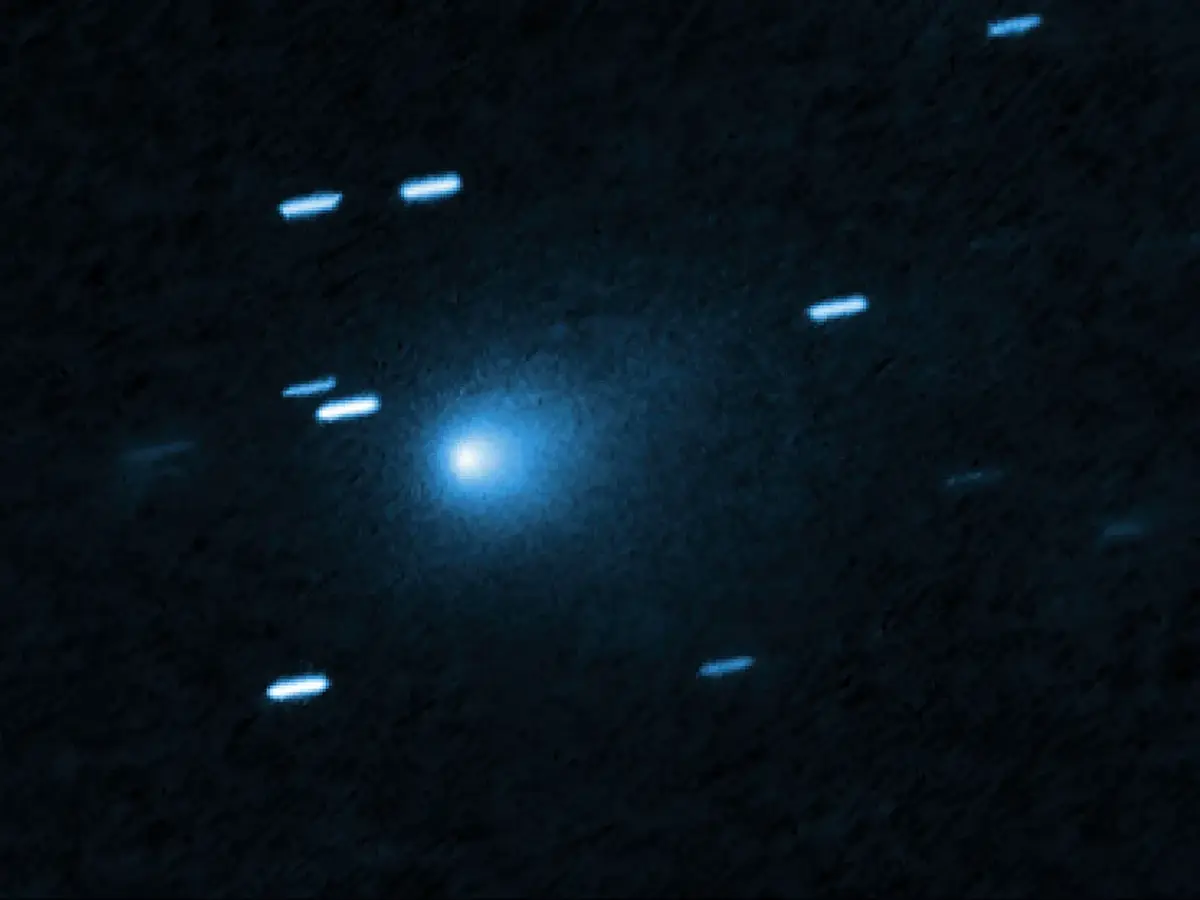
3I/ATLAS is the third known object coming from outside our solar system. Detected by the ATLAS telescope in Chile in July 2025, it has a bright coma and long tail, typical of comets. In contrast, ‘Oumuamua, found in 2017, had no visible tail and looked more like an asteroid.
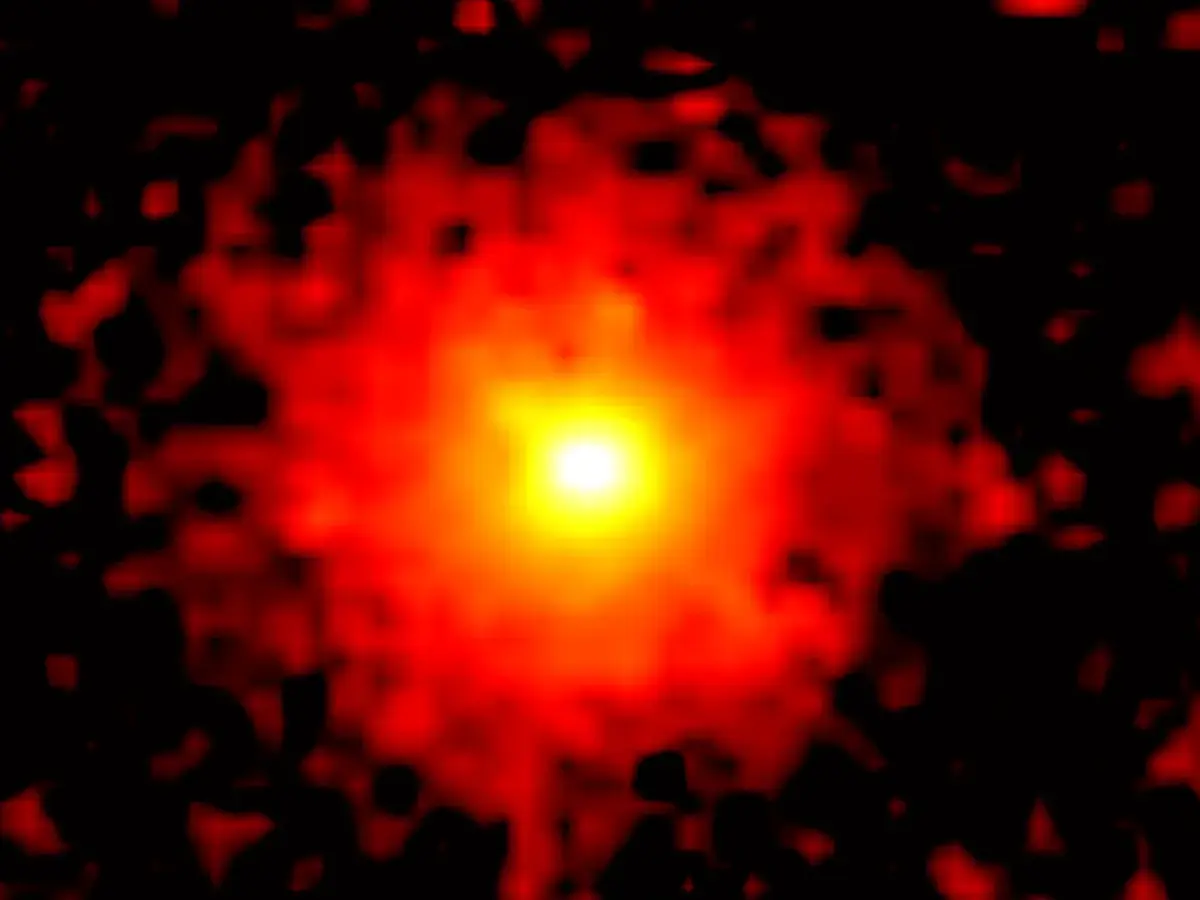
Differences in Size and Shape
3I/ATLAS is much larger estimated at about 10 kilometres wide while ‘Oumuamua was only a few hundred metres long. ‘Oumuamua also had a strange elongated shape like a cigar, while 3I/ATLAS looks more like a classic round comet with a glowing outer cloud.
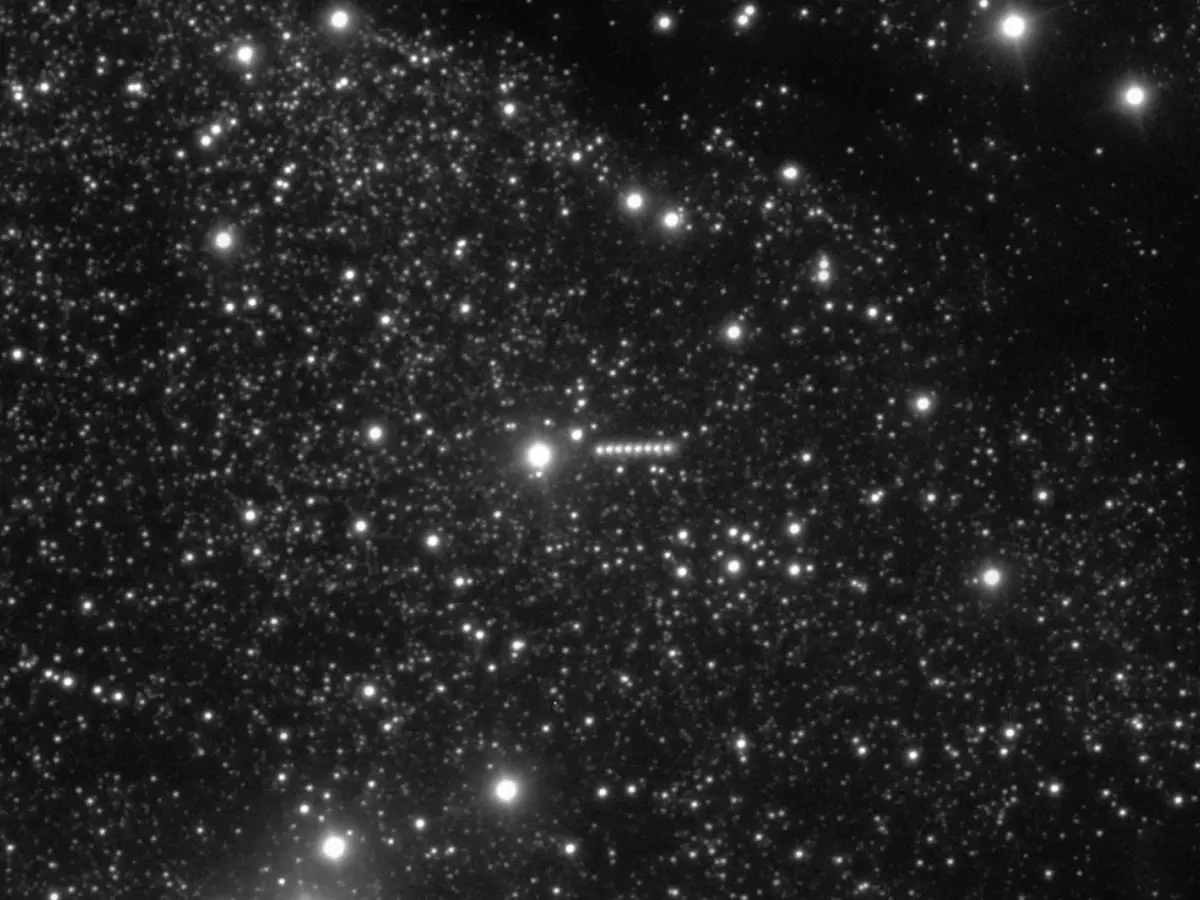
Speed and Orbit
3I/ATLAS travels faster, around 58 km/s, while ‘Oumuamua moved at about 26 km/s. Both have hyperbolic orbits, meaning they are passing through the solar system and will not return. This confirms they come from somewhere else in the galaxy.
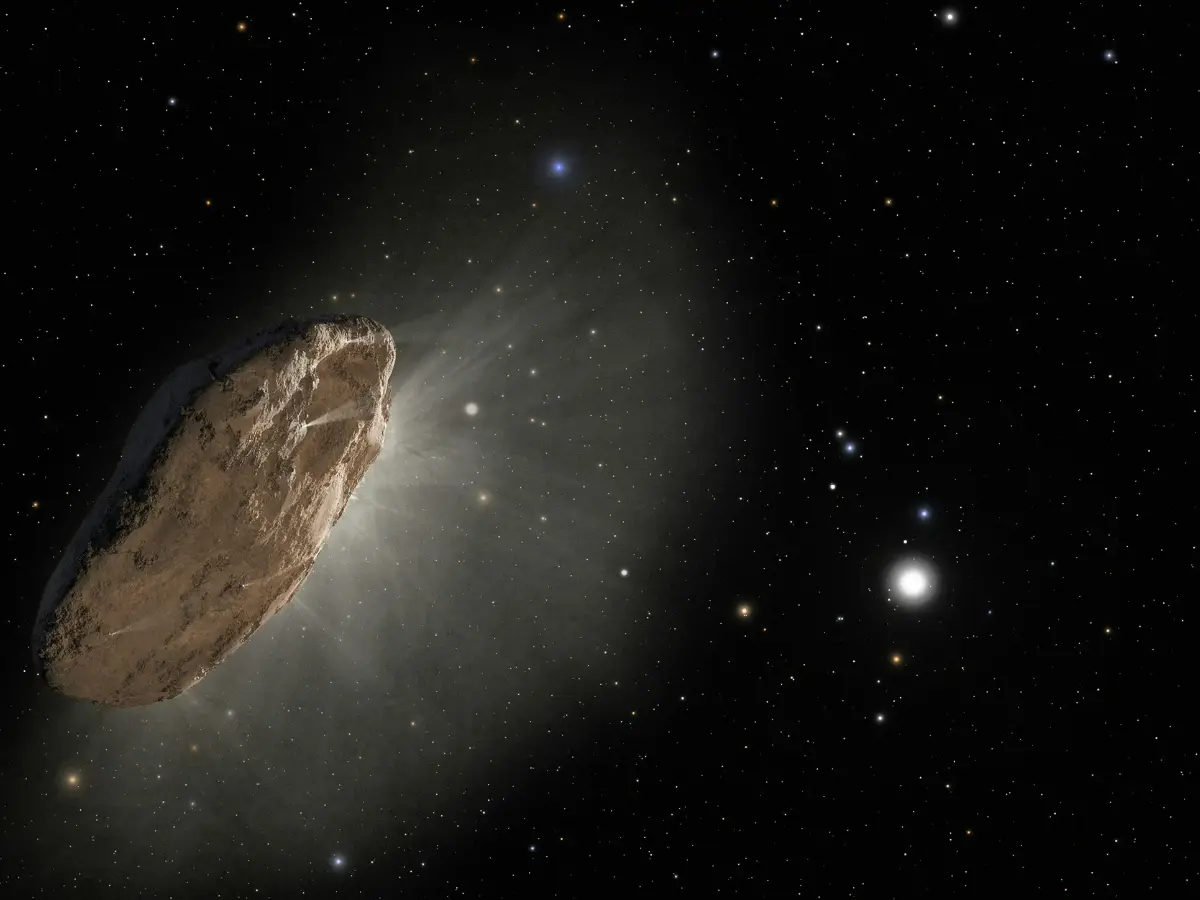
Activity Differences
Unlike ‘Oumuamua’s inert nature, 3I/ATLAS shows typical comet activity like gas jets and dust tails even as it gets close to the Sun. This suggests 3I/ATLAS still contains icy material that vaporises and creates visible smoke and dust.
Scientific Tracking Methods
3I/ATLAS is tracked by a network of ground telescopes and space observatories like NASA’s Hubble and ESA’s Mars Express. These help measure changes in brightness, speed, and composition, providing real-time insights into the comet’s nature and path.
What We Learn by Comparing
Studying both lets scientists understand more about objects from deep space. How they form, what materials they carry, and the dynamics of interstellar travel. Each visitor adds a new piece to the cosmic puzzle, broadening our knowledge of the galaxy.
Why Watch 3I/ATLAS More Closely?
3I/ATLAS is the brightest and largest known interstellar object so far. Its ongoing observations could uncover mysteries about its origin, evolution, and role in our cosmic environment. As it passes near Mars and the Sun, our eyes in space will keep following this traveller closely.
)
)
)
)
)