Tracking 3I/ATLAS: Could it interact with other planets on its way out?

The interstellar comet 3I/ATLAS has been moving through our solar system at high speed. 3I/ATLAS will pass safely away from Earth but near Venus, Mars, and Jupiter. Its path and planet interactions help scientists learn about interstellar objects and planetary environments.
Safe Distance from Earth
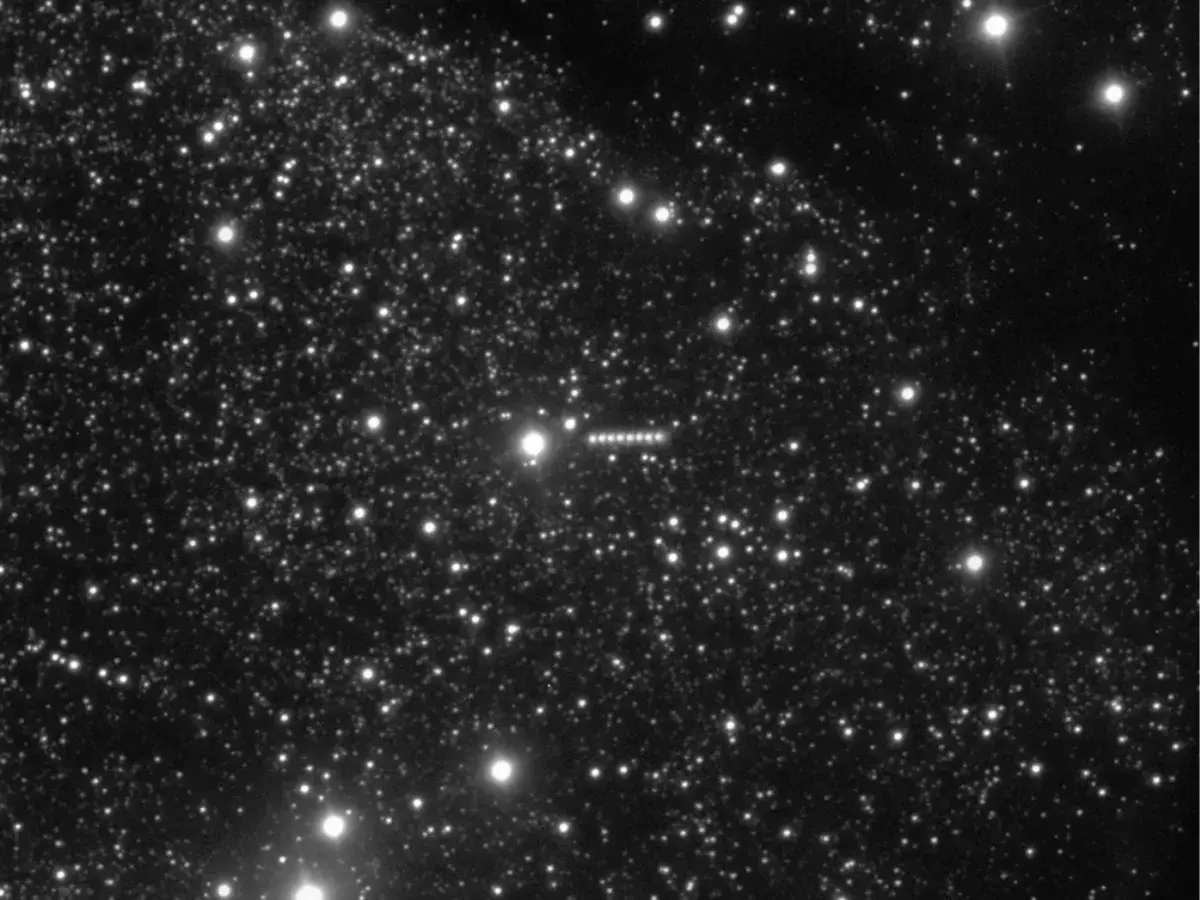
3I/ATLAS will never come close to Earth. Its closest approach is about 1.8 astronomical units (AU), or roughly 270 million kilometres, making it completely safe from any collision risk.
Close Encounters with Venus, Mars, and Jupiter
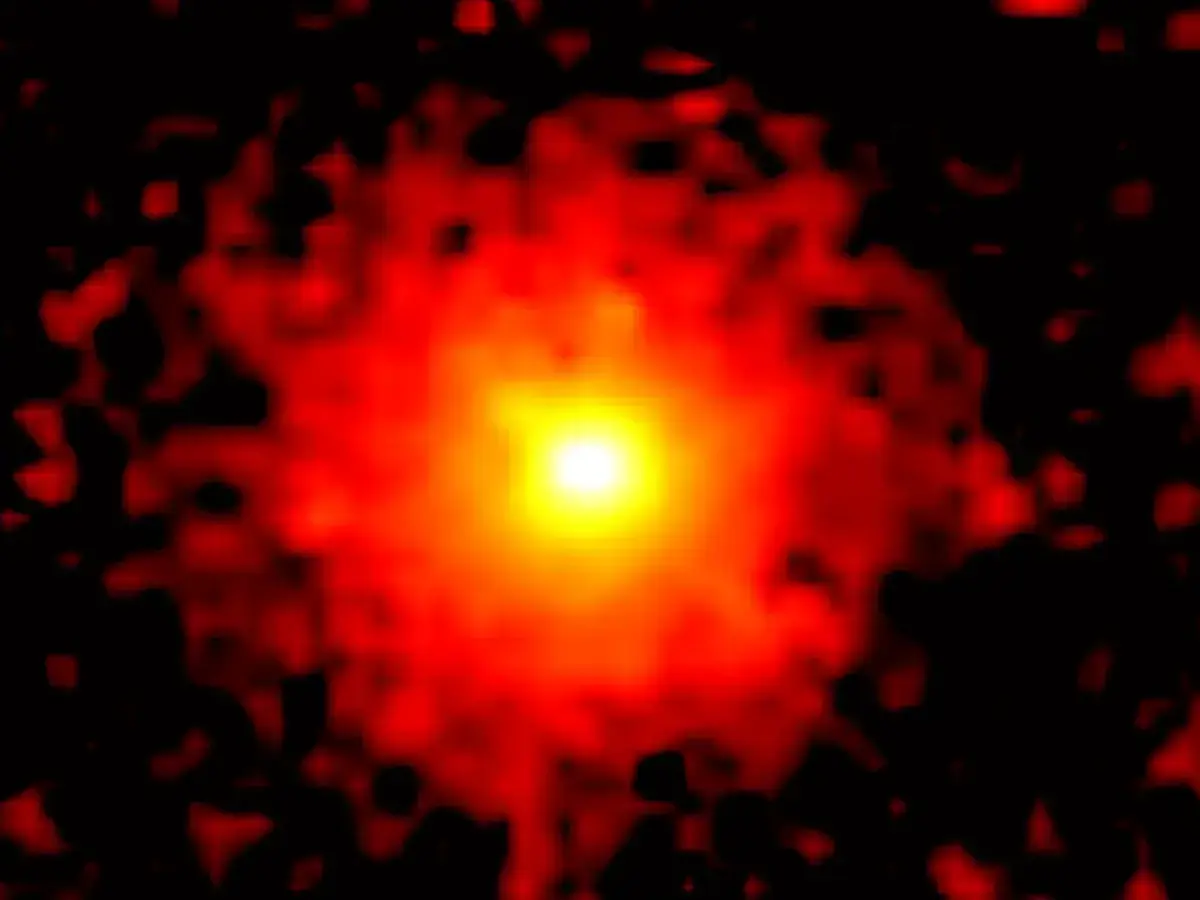
The comet will pass relatively close to Venus (around 0.65 AU), Mars (0.19 AU), and Jupiter (0.36 AU) during its outbound journey. These distances are still large, but close enough for space probes and telescopes to study the comet as it passes.
Gravitational Effects from Planets
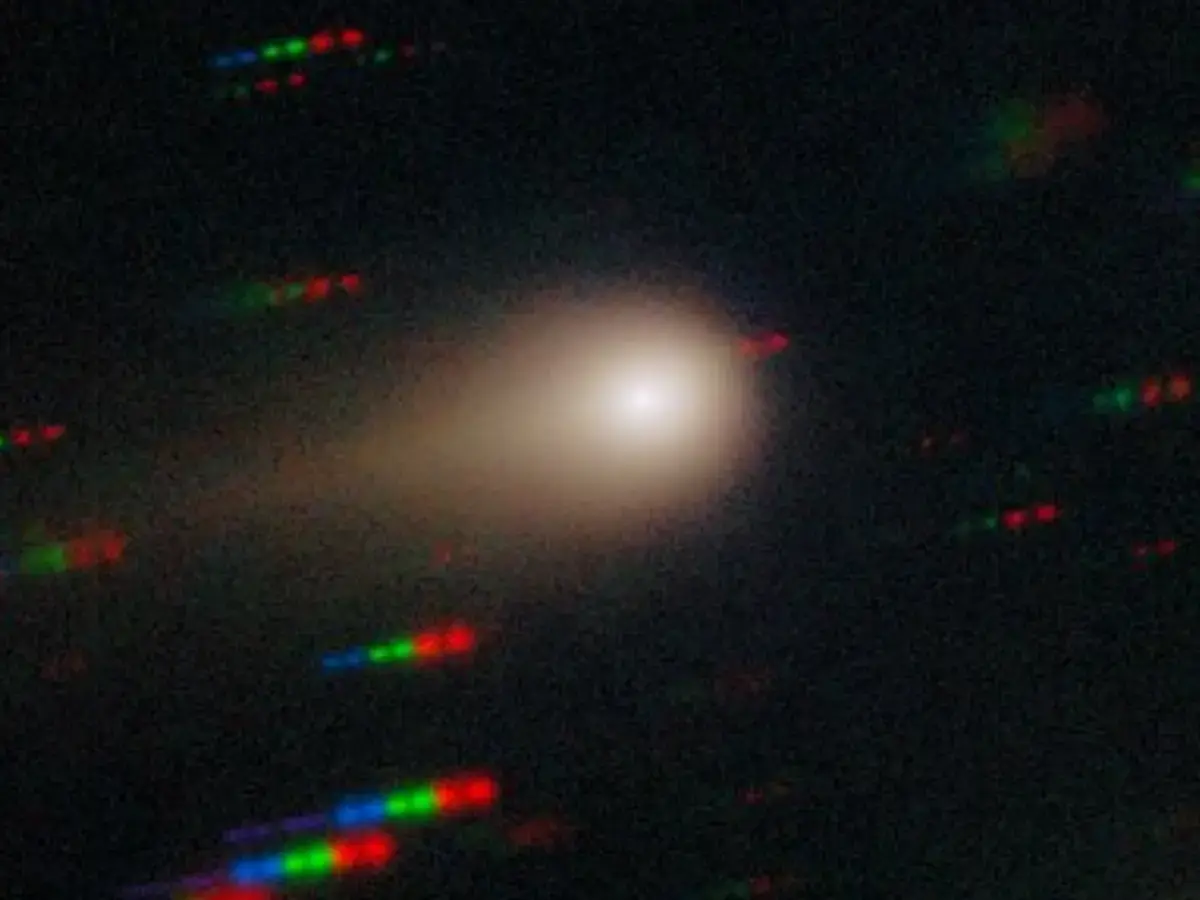
Large planets like Jupiter can slightly alter the comet’s trajectory using gravity, which can make the comet’s path more complex. Scientists calculate these influences carefully to predict 3I/ATLAS’s future course accurately.
Observing From Nearby Spacecraft
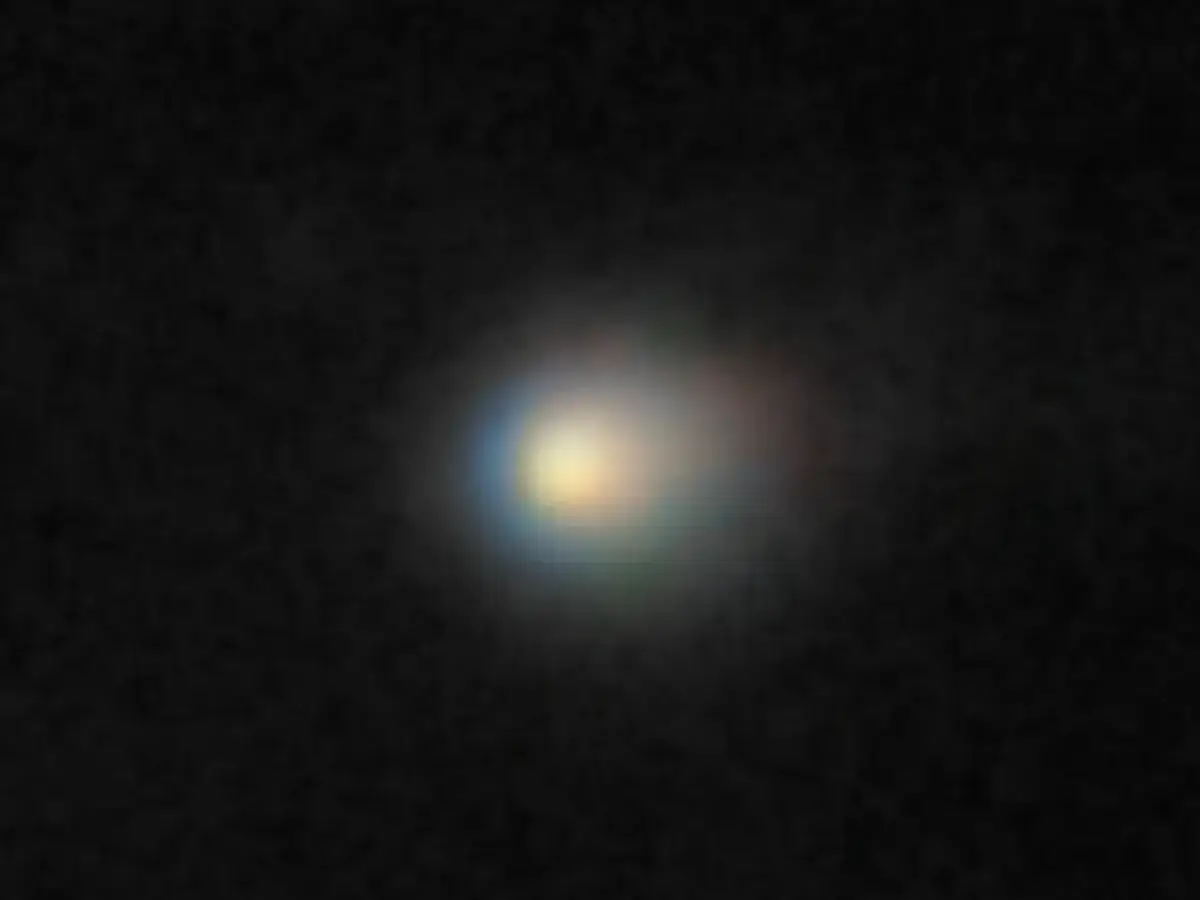
ESA’s Mars orbiters, such as Mars Express and Trace Gas Orbiter, captured images of 3I/ATLAS during its close approach to Mars in early October 2025. NASA is also using spacecraft data to track and analyse the comet’s behaviour.
Possibility of Interaction with Planetary Systems
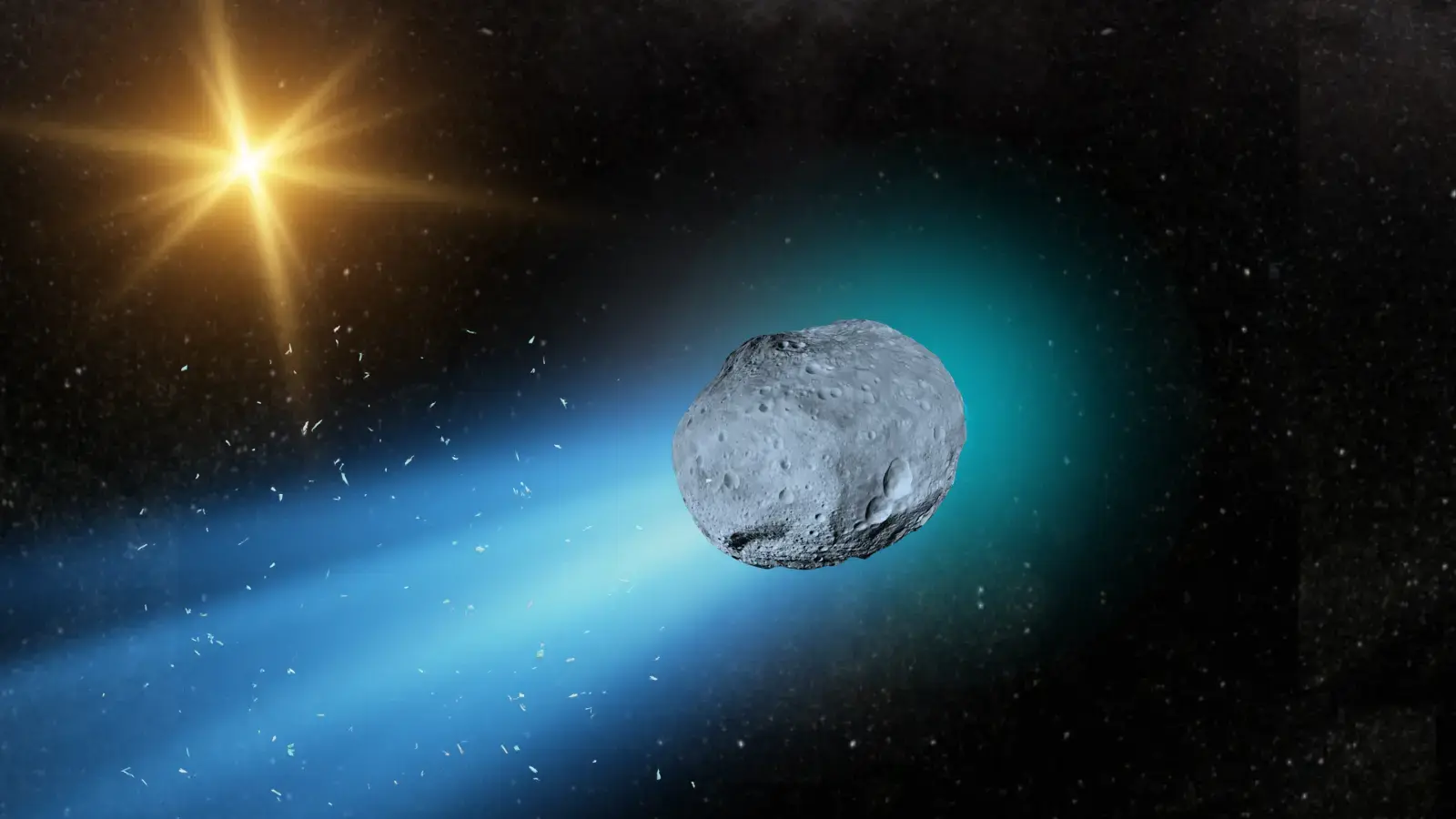
While no impact is expected, 3I/ATLAS could interact with planetary magnetic fields or atmospheres subtly, providing rare scientific data. These interactions can help scientists learn about both the comet and the planets it passes.
What Comes After Leaving the Solar System?
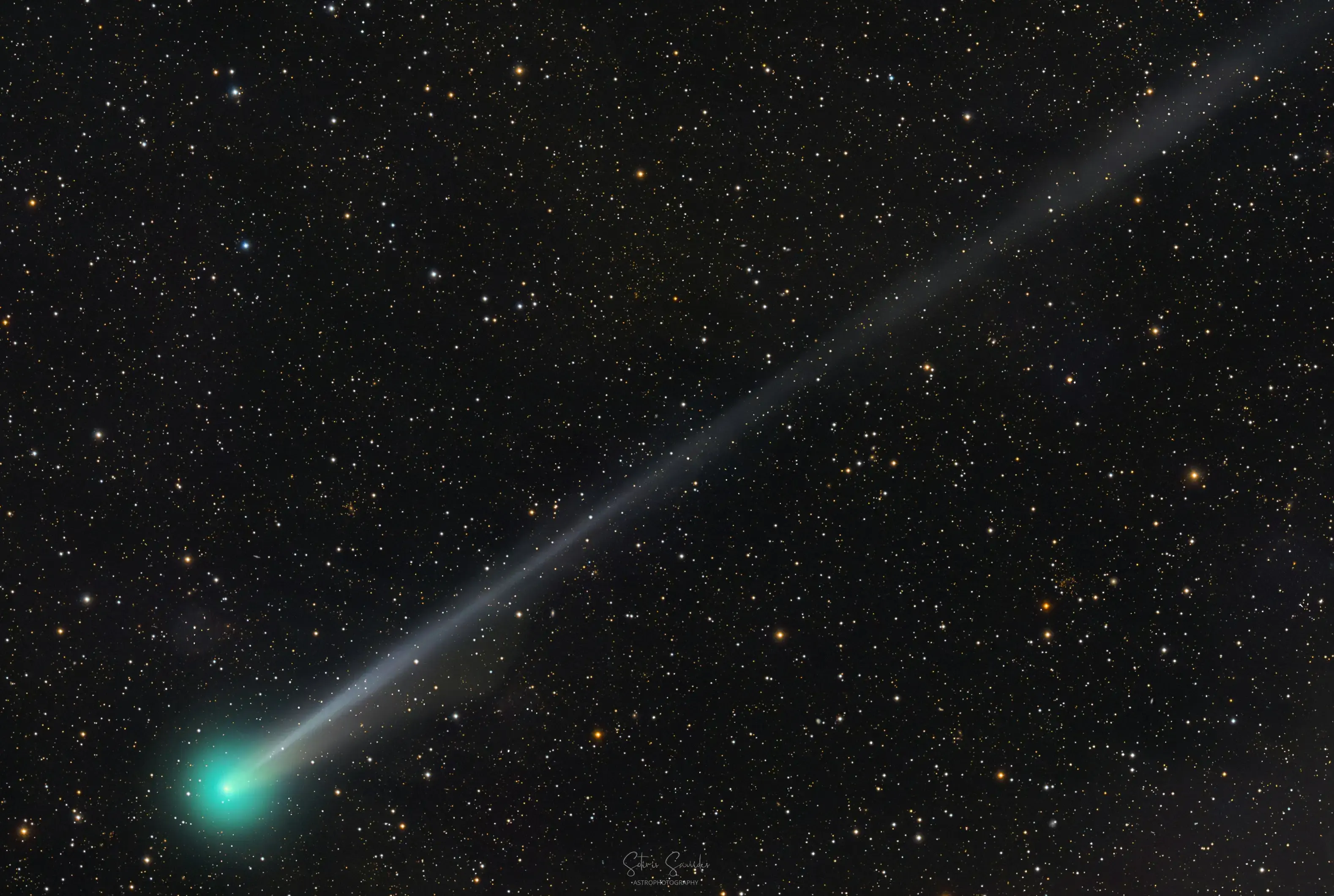
After its close passes near planets, 3I/ATLAS will escape our solar system entirely and head back into deep space. Its journey provides a unique opportunity to study an interstellar traveller under varying conditions.
Why Monitoring Matters
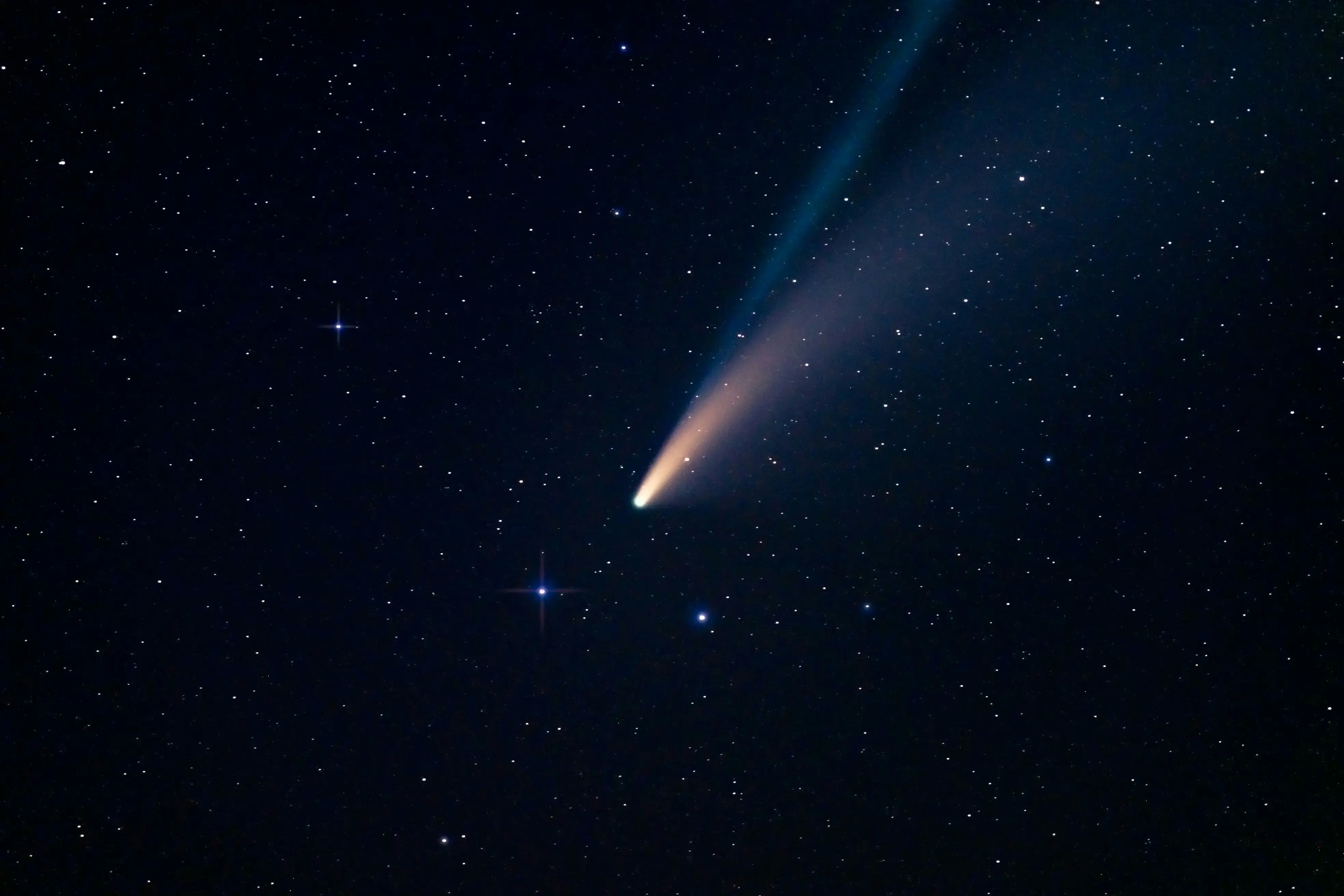
Tracking 3I/ATLAS not only keeps Earth safe but also improves our knowledge of comet behaviours and the dynamics of solar system bodies. Such study helps prepare for future interstellar objects and protects space assets.
)
)
)
)
)