Top 9 air-to-air missiles used by today’s most advanced fighter jets

Modern fighter jets depend on nine critical air-to-air missiles including the American AIM-120, European Meteor and Chinese PL-15, each extending combat ranges and providing fire-and-forget engagement capabilities in beyond-visual-range scenarios.
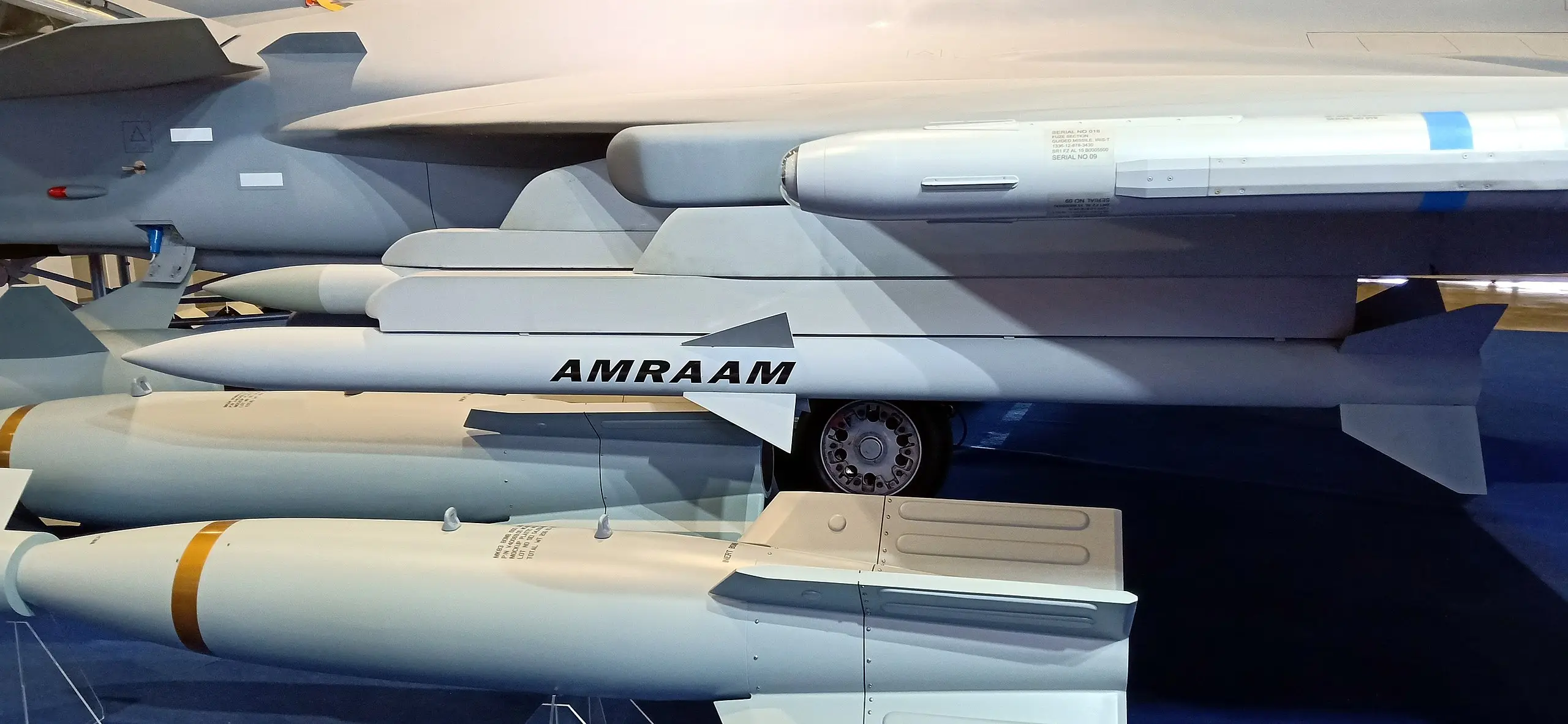
AIM-120 Advanced Medium-Range Air-to-Air Missile (AMRAAM)
The American AIM-120 AMRAAM serves as the primary medium-range air-to-air missile for the United States Air Force and numerous allied nations. It operates using active radar guidance combined with inertial navigation, giving pilots a "fire-and-forget" capability. The missile features a range exceeding 100 kilometres and is compatible with F-15, F-16, F-22 and F-35 platforms, making it one of the world's most widely deployed beyond-visual-range weapons.
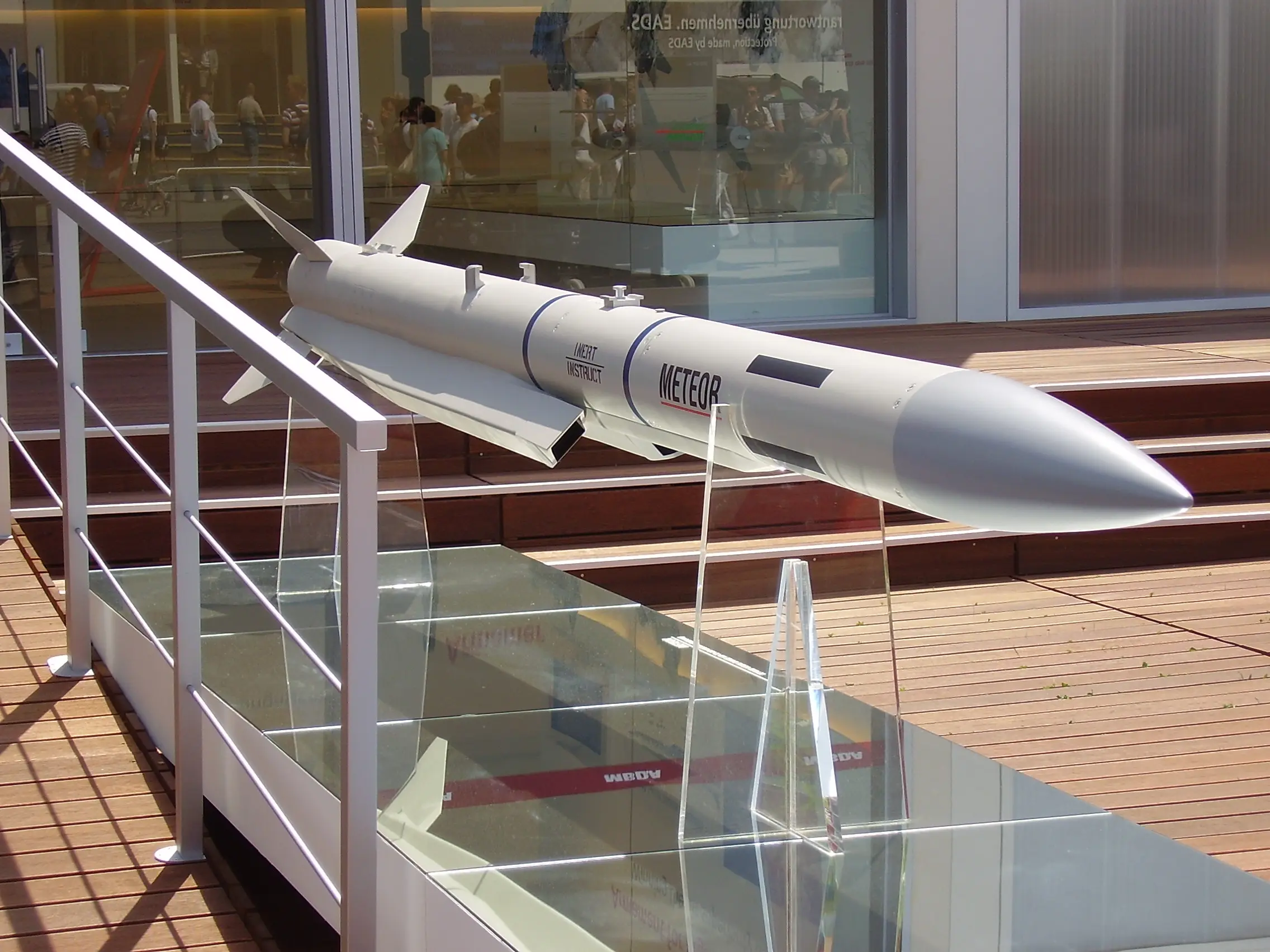
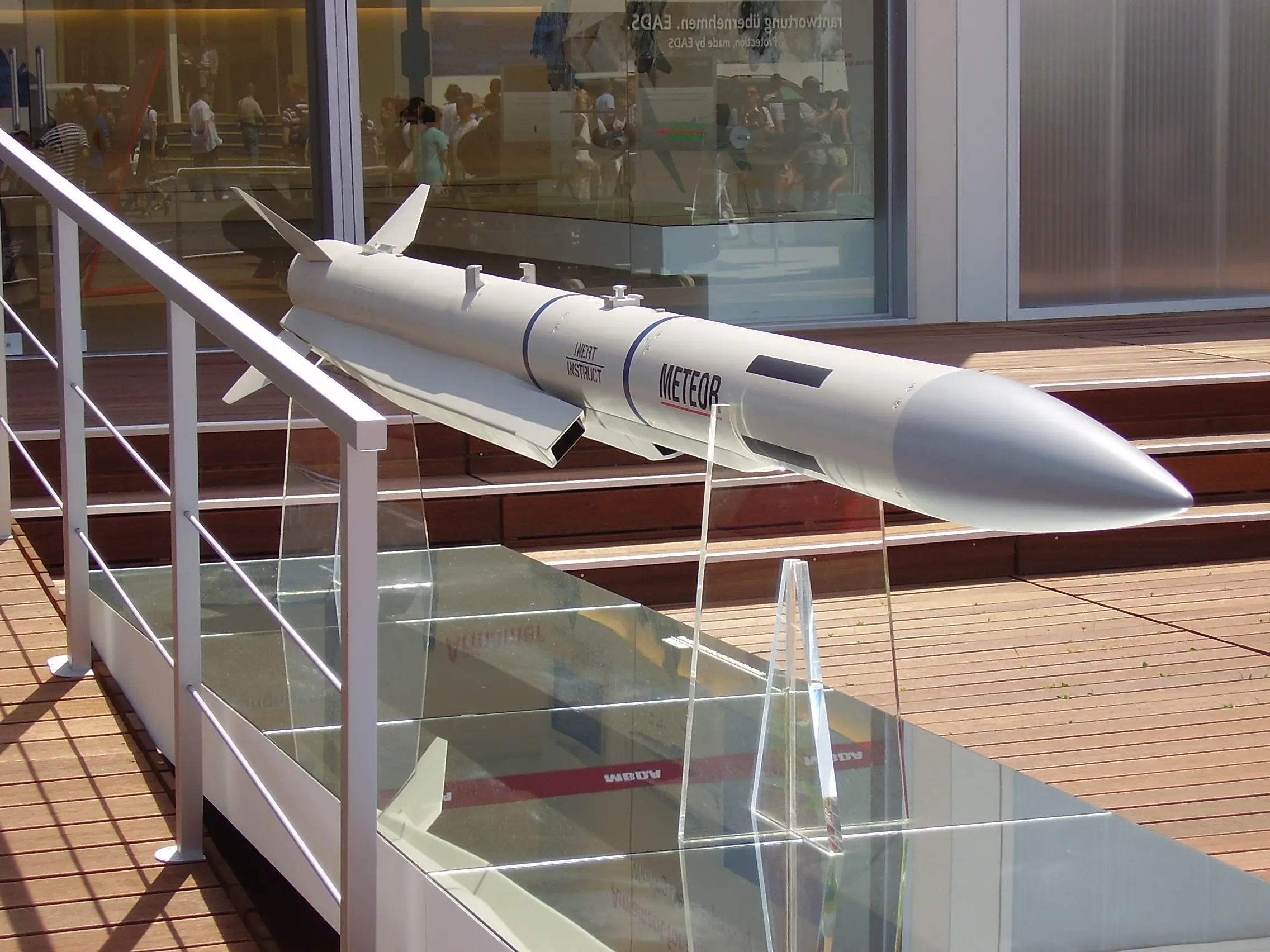
Meteor Beyond-Visual-Range Air-to-Air Missile
Europe's Meteor represents the most advanced beyond-visual-range system in the modern arsenal, powered by a ramjet engine that maintains thrust throughout its entire flight path. The missile operates with a range exceeding 200 kilometres and creates an exceptionally large "no escape zone" compared to traditional boost-and-coast missiles. Integration testing with F-35A stealth fighters is underway, with early fielding expected in allied fleets during the early 2030s.
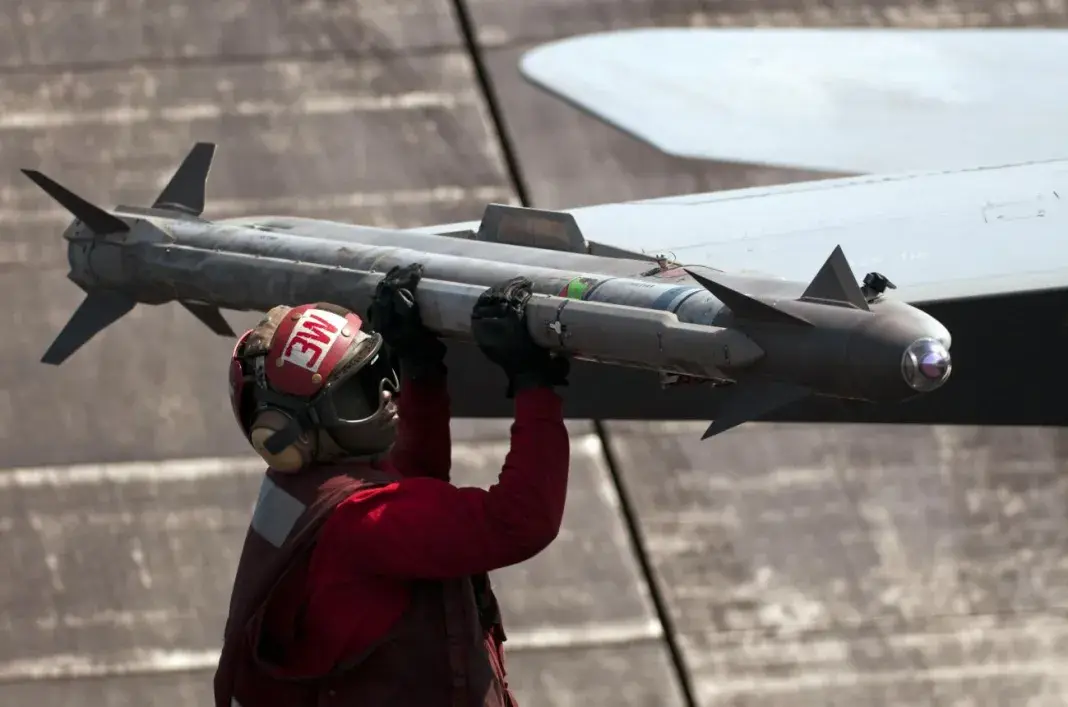
AIM-9X Sidewinder Short-Range Air-to-Air Missile
The AIM-9X Sidewinder remains the most advanced short-range infrared-guided air-to-air missile in Western inventories. This latest variant features thrust-vectoring maneuvering, advanced imaging infrared seeker technology, and lock-on-after-launch capability via datalink. The missile provides fighters with first-shot, first-kill advantages during close-range engagements and supports air superiority across beyond-visual-range and visual-range combat scenarios.
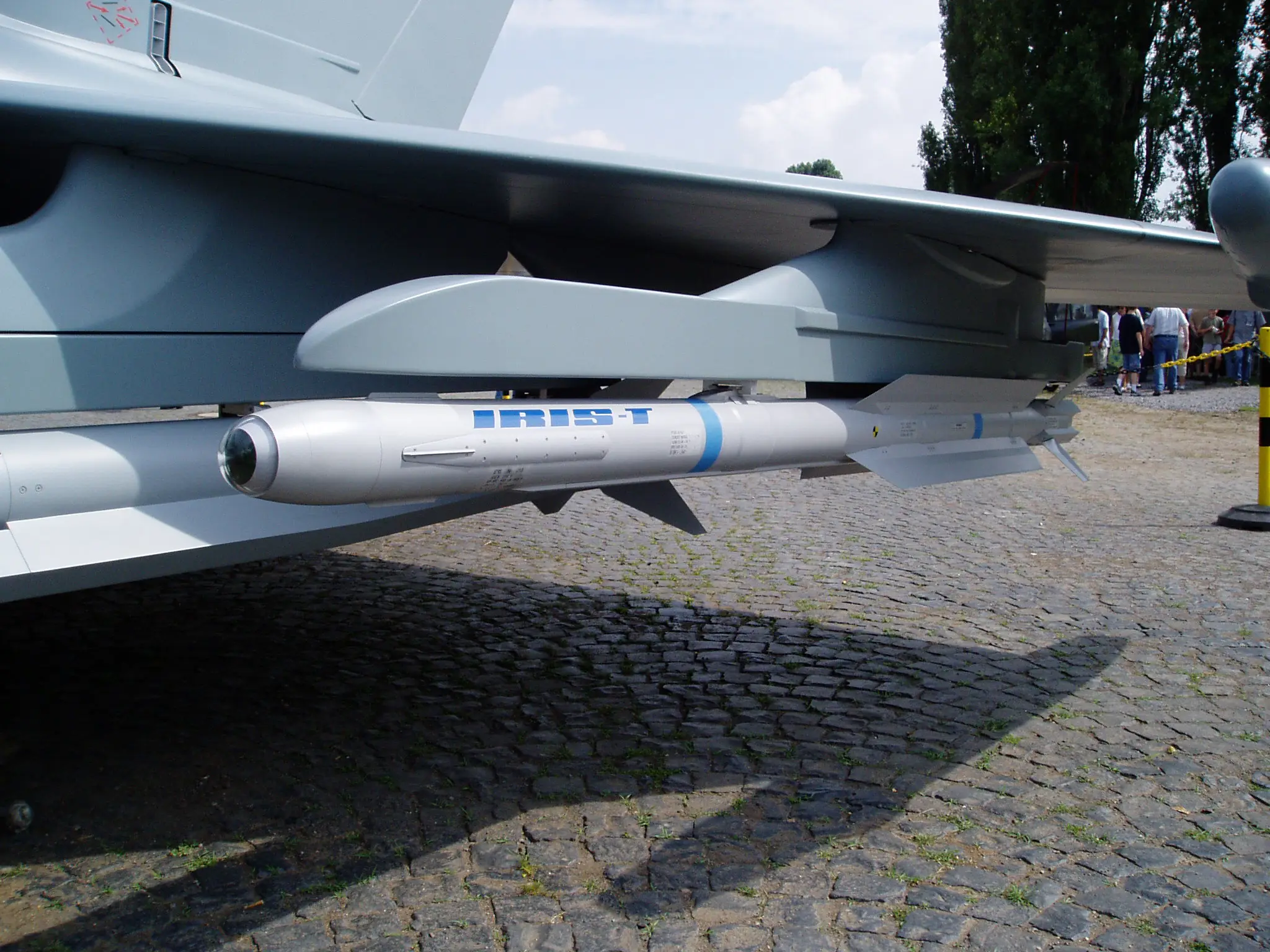
IRIS-T Infrared Imaging System Tail-Thrust Vector Missile
Germany's IRIS-T short-range missile features superior electronic countermeasure resistance and flare-suppression compared to older Sidewinder variants. Its advanced seeker offers five to eight times longer head-on firing range than earlier generation systems, and it can receive guidance cues from radar, helmet-mounted displays and infrared search-and-track systems. The missile is operational across multiple NATO and allied air forces.
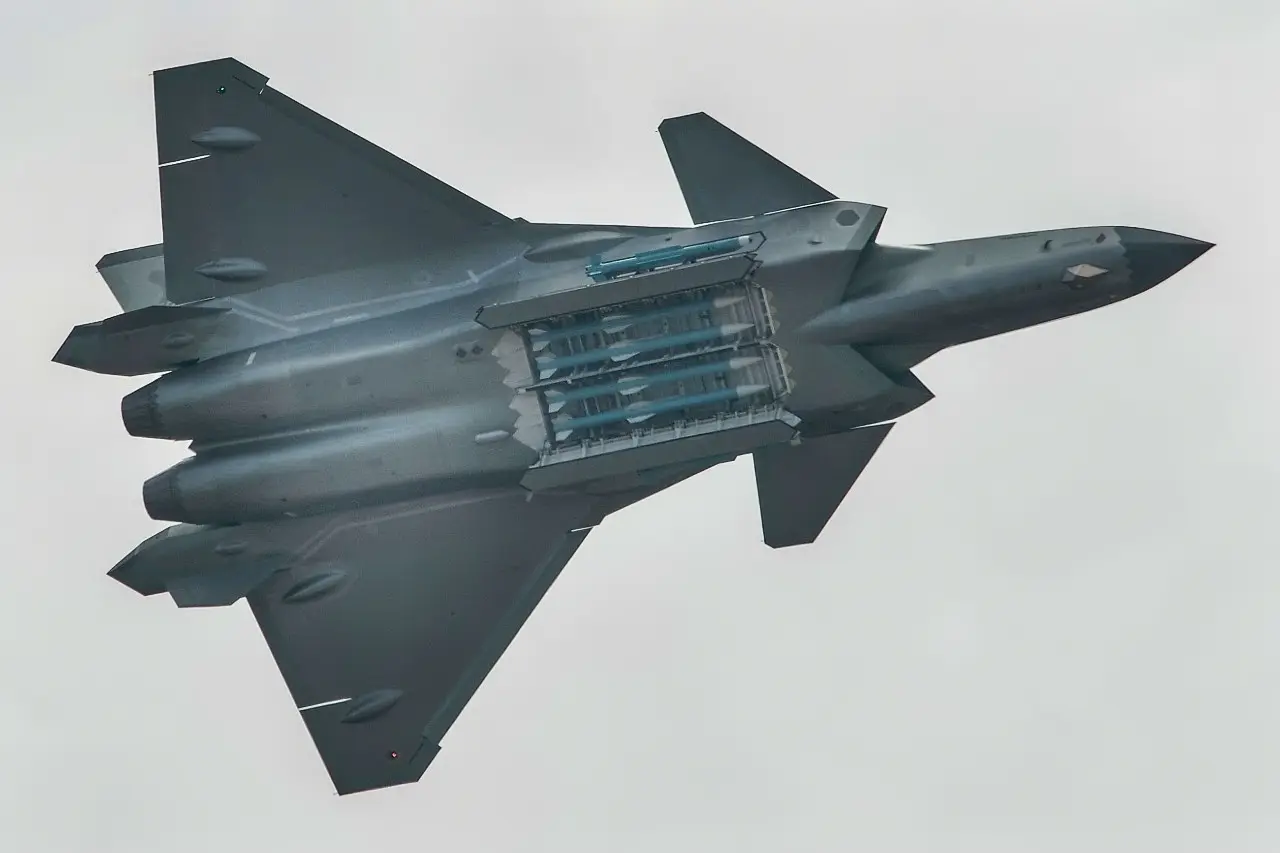
PL-15 Chinese Long-Range Air-to-Air Missile
China's PL-15 long-range active radar-homing missile represents one of the most significant advances in Chinese air-to-air weaponry. The missile achieves estimated ranges between 200 and 300 kilometres, placing it among the longest-range air-to-air systems in operational service. It is integrated on advanced Chinese fighters including the J-20 stealth aircraft and J-16 multirole platform.
R-77M Russian Beyond-Visual-Range Air-to-Air Missile
Russia's upgraded R-77M addresses performance gaps with Western systems, featuring enhanced seeker sophistication and counter-countermeasure capabilities. The missile is estimated to achieve ranges exceeding 190 kilometres and is designed to compete with the AIM-120D and PL-15 in beyond-visual-range engagements. It is deployed on Su-35 fighters and other advanced Russian platforms.
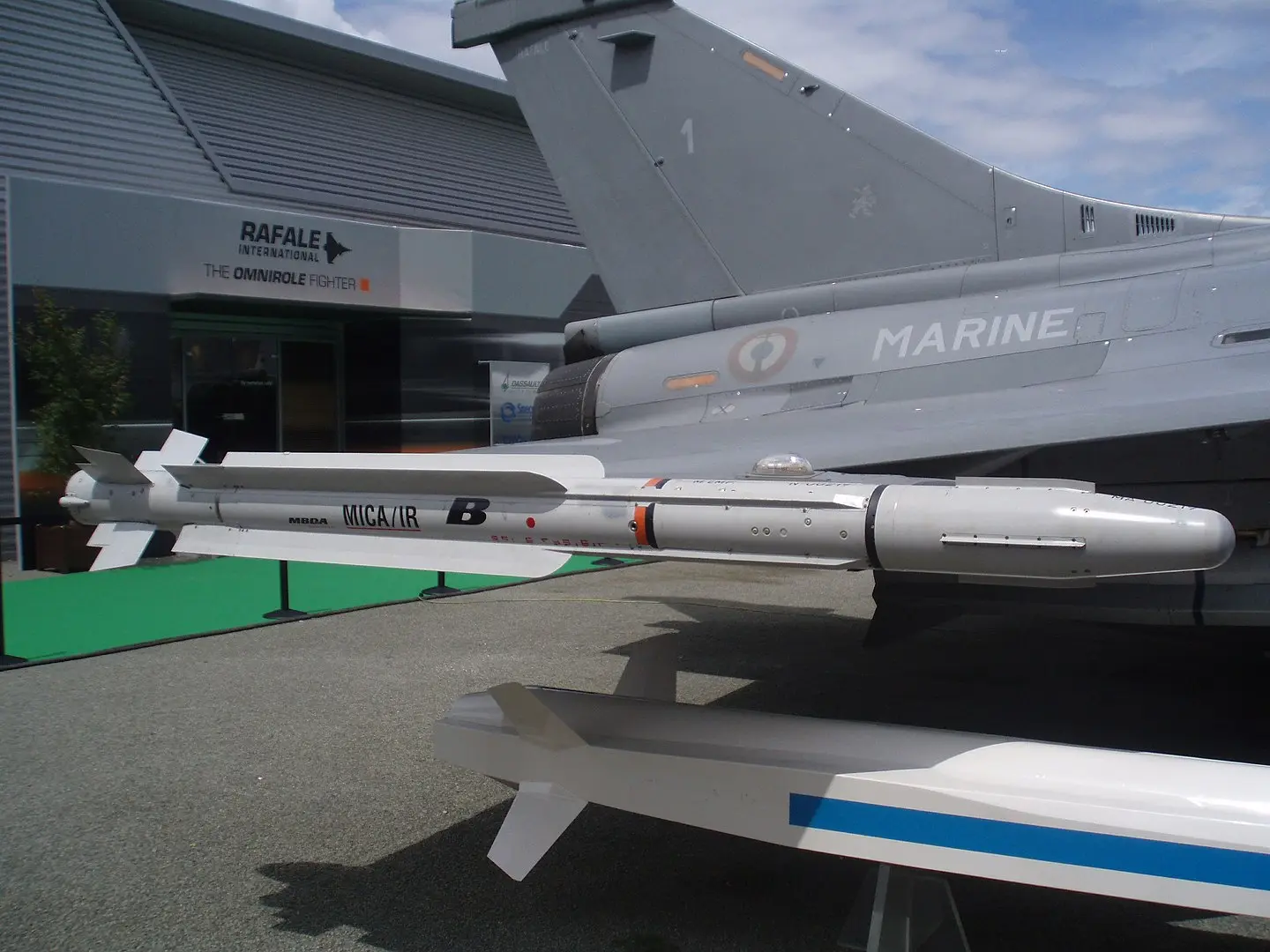
MICA Multi-Role Missile for Air Combat
France's MICA missile serves as a lightweight, multi-mode system compatible with various fighter platforms including Rafale, Gripen and Typhoon. The weapon features two-colour thermal imaging seeker technology and multi-mode electronic counter-countermeasures for hostile environments. Its moderate weight allows integration on conventional Sidewinder hard-points, providing flexible deployment options for multiple air forces.
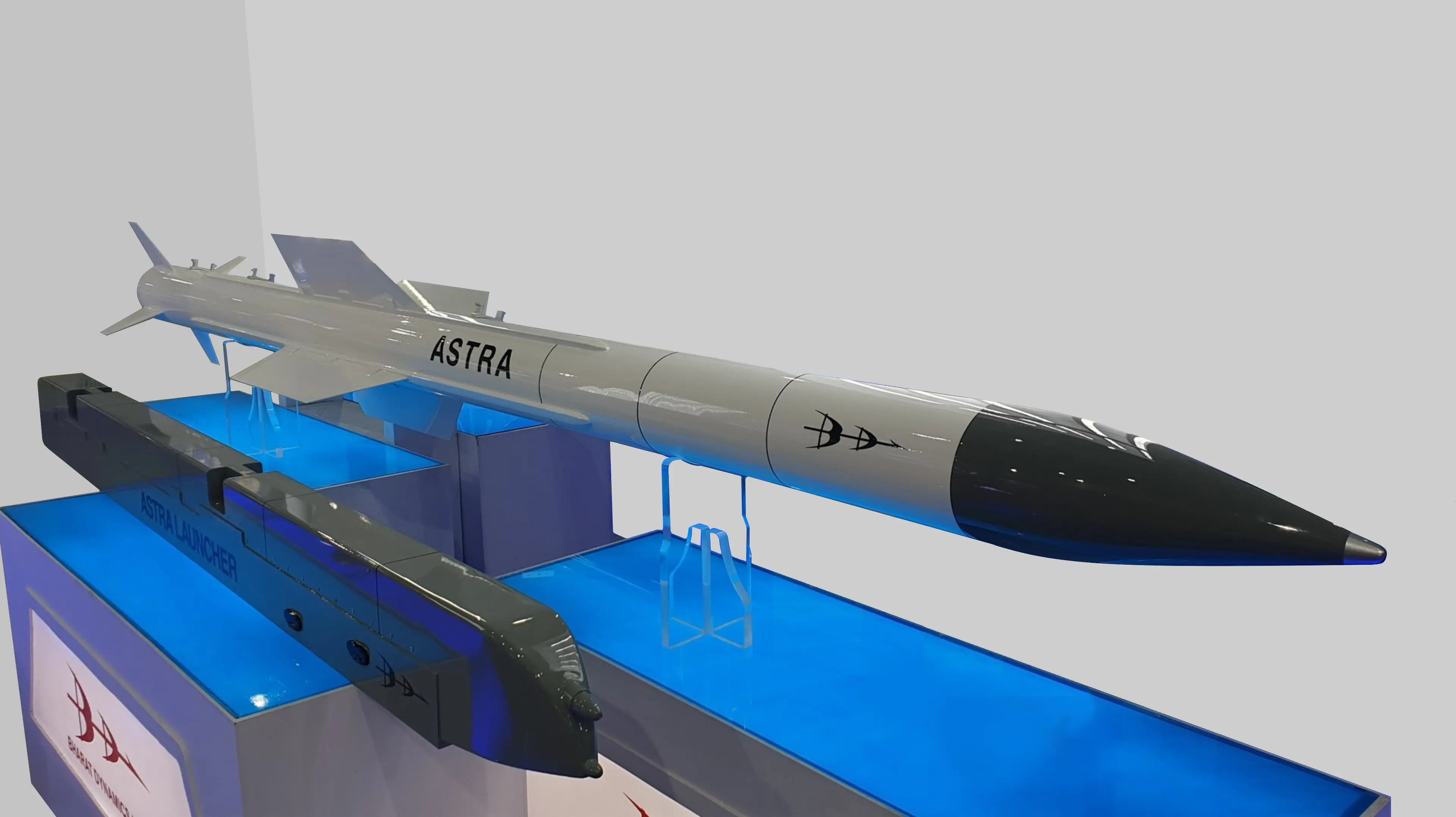
Astra Indian Air-to-Air Missile
India's indigenous Astra beyond-visual-range system extends beyond 100 kilometres and features state-of-the-art guidance and navigation systems. The missile is integrated on Sukhoi Su-30MKI platforms and recent flight tests confirmed pinpoint accuracy against high-speed unmanned targets. Astra Mark 1 provides substantial capability gains for Indian Air Force operations.
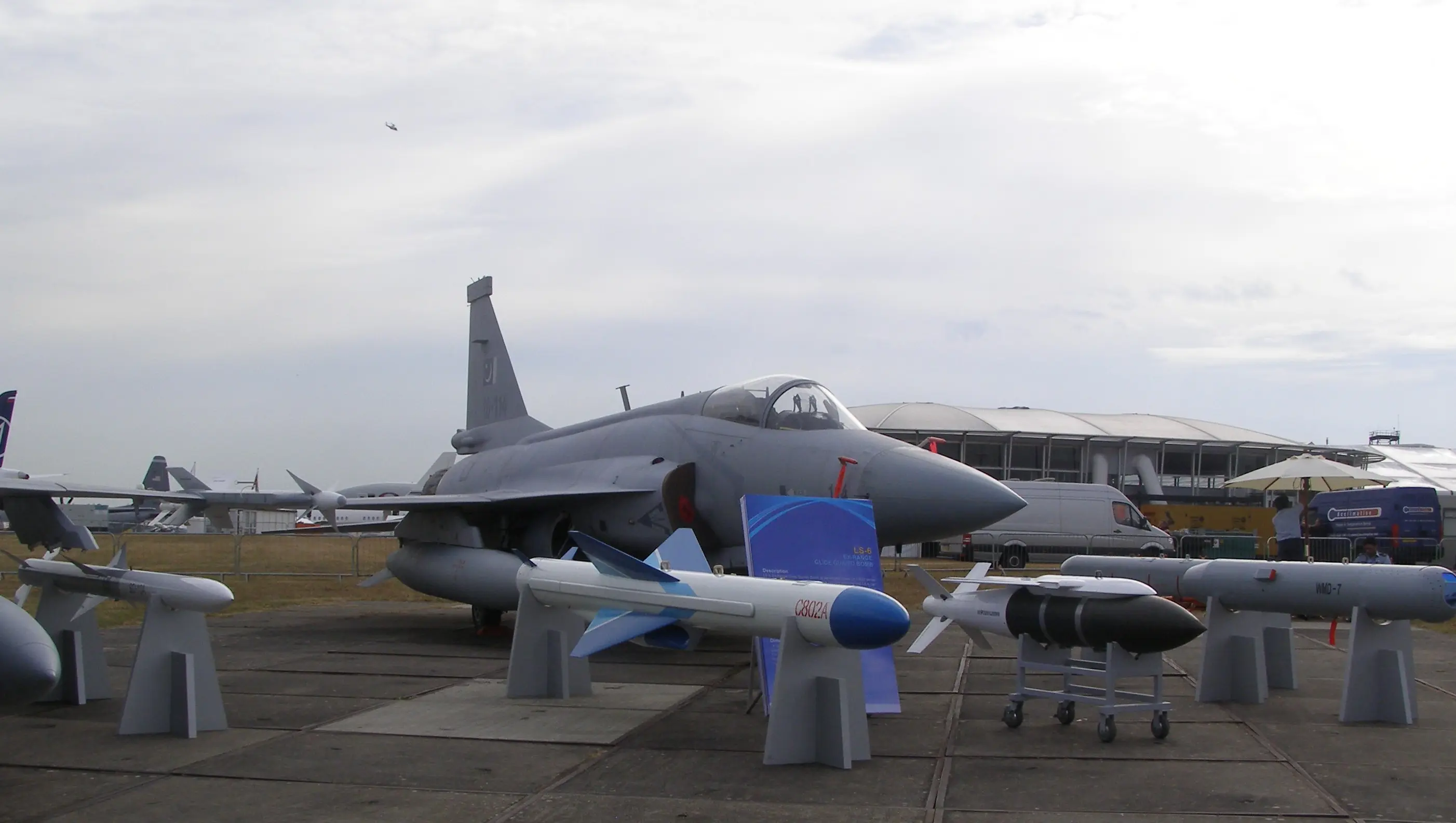
PL-12 Chinese Medium-Range Active Radar-Guided Missile
China's PL-12 represents an active radar-guided system comparable to the American AIM-120 AMRAAM and Russian R-77. The missile achieves ranges up to 100 kilometres with data-linked mid-course guidance and active radar terminal homing. It operates across multiple Chinese fighter platforms and demonstrates the rapid modernisation of Chinese air-to-air weaponry.
)
)
)
)
)