The greatest fighter jets that never flew: Top 8 cancelled fighter jets that had serious potential

In the high-stakes world of fighter jet development, some aircraft are so ahead of their time that they scare politicians more than enemy pilots. Some fall victim to budget cuts, or bureaucratic sabotage. Here is a list of 8 cancelled fighter jets that had serious potential.
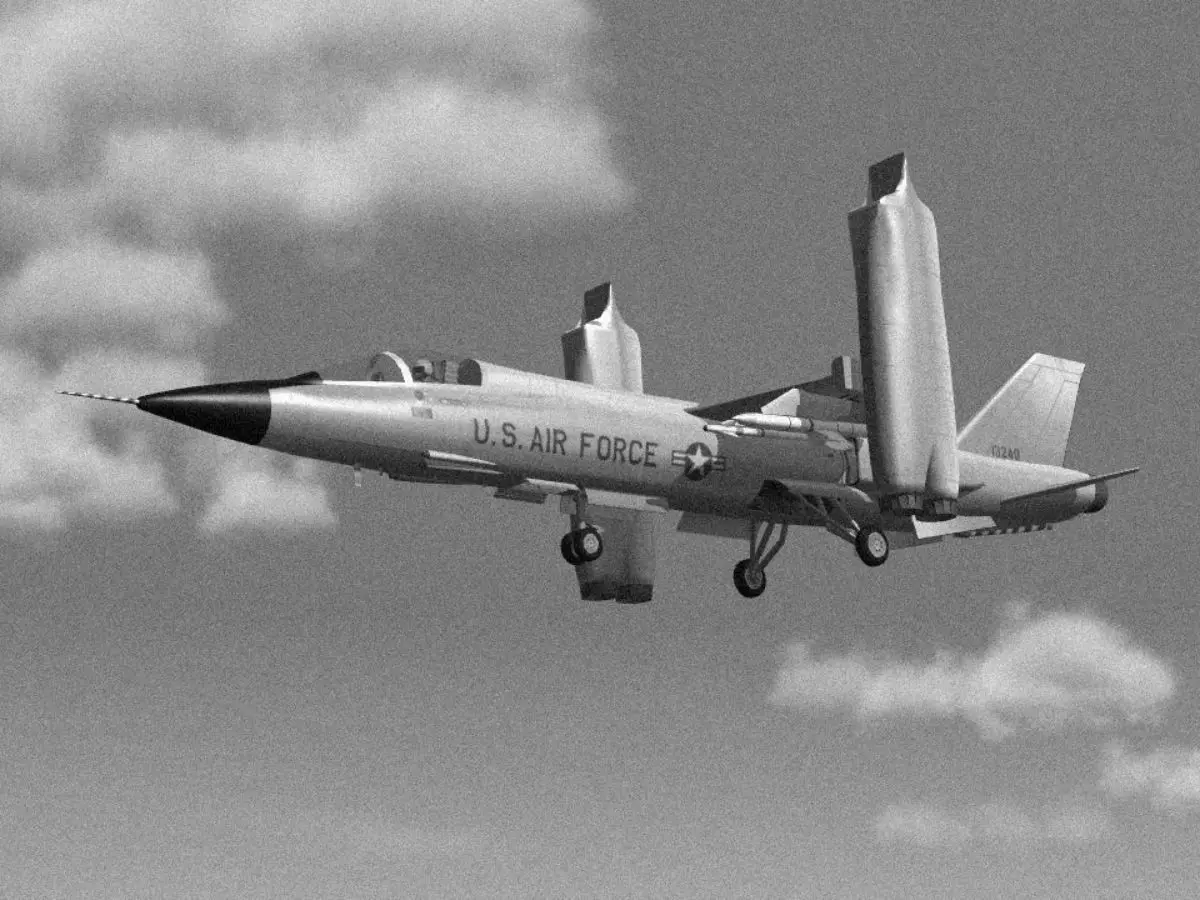
Bell XF-109
Bell XF-9 would have been the most unorthodox combat aircraft. Conceived in 1959, in the US, it was designed to be a supersonic, all-weather fighter-bomber and defence interceptor. It featured twin jet engines mounted on rotatable pods at each wingtip. These jet engines would tilt downwards for takeoff or landing. With a maximum speed of Mach 2.3 and a range of 2300 miles, it was an ambitious attempt. But the project never went beyond the mock-up stage, the Navy withdrew funding, and the Air Force followed after a suit.
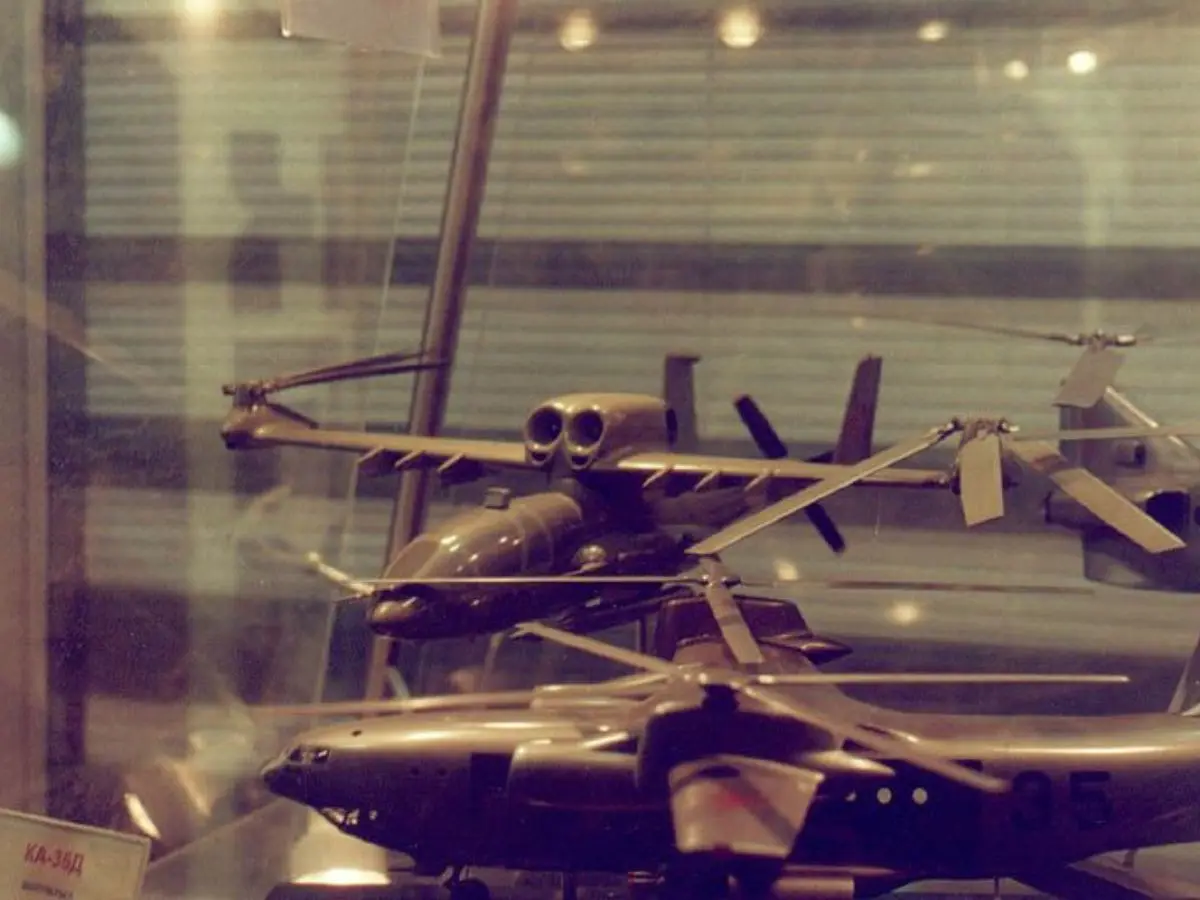
Kamov V-100
The Kamov V-100 was a planned side-by-side twin-rotor compound helicopter combat aircraft developed by the Kamov Design Bureau in Russia in the 1980s. It had an integral gun armament, potentially including two mobile AO-9 guns or a single fixed AO-10. There is no detailed information on why the prototype was never mass-produced. Many believe the fall of the Soviet Union and the economic and political turmoil that followed led to the cancellation of the project.
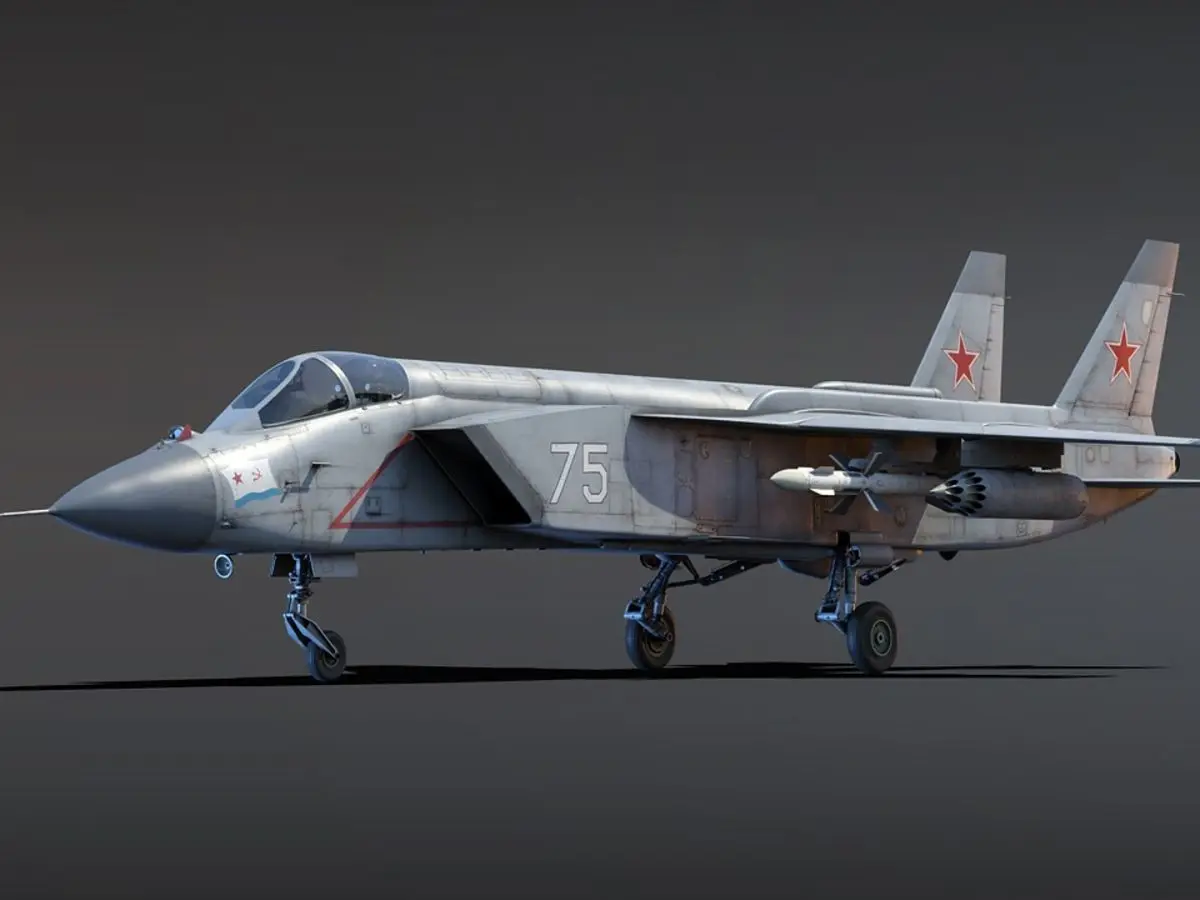
Yakovlev Yak-141
The Yakovlev Yak-141 showed the best and brightest of Eastern Bloc aviation. Developed in the late 1987, Yak-141 was designed for a vertical takeoff and landing. The prototype achieved a maximum speed of Mach 1.7. The programme was cancelled in August 1991 due to a lack of funding following the collapse of the Soviet Union
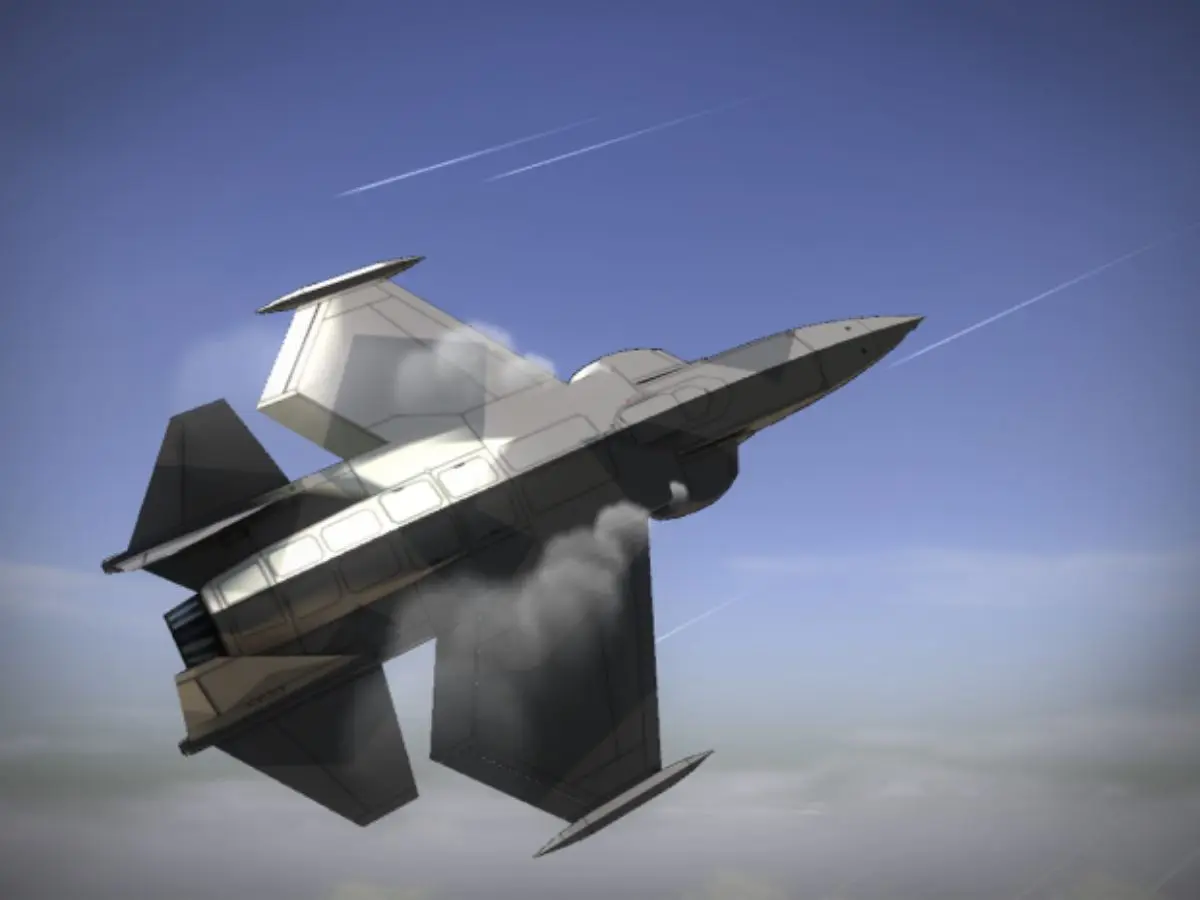
British Aerospace P.125
British Aerospace P.125 was a conceptual project for a British supersonic Short Takeoff and Vertical Landing (STVL), developed in the 1980s and cancelled in the 1990s. It was part of studies exploring a replacement for Harrier or Jaguar. But the design was too radical to be produced on a mass scale.
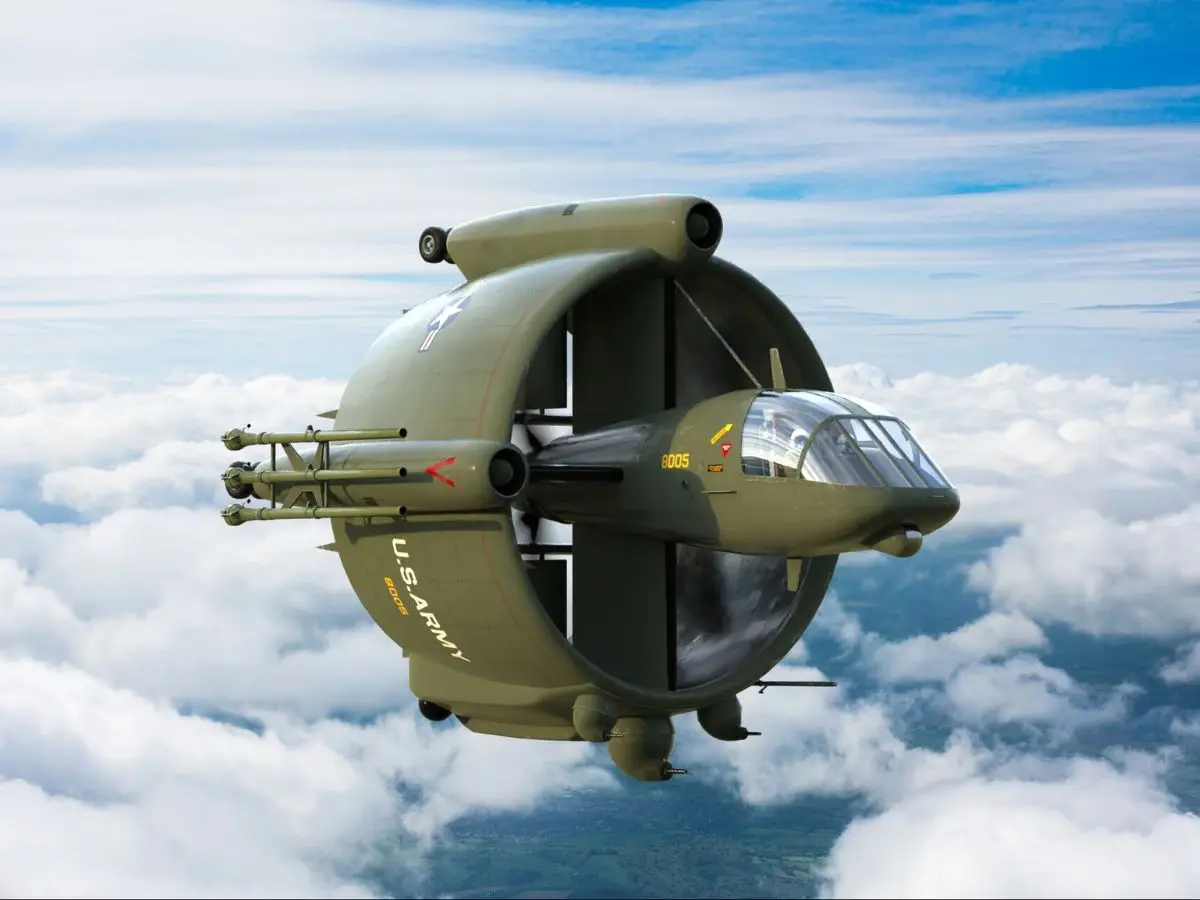
Convair Model 49
Designed like a helicopter, it was a radically different model conceived in the United States in the mid-1960s, but it never went past the design stage. The design had features like shrouded rotors, an articulated rotatable cockpit, and heavy armament such as machine guns, rocket launchers and even anti-tank missiles. It would take off vertically like a helicopter and was touted to be more reliable and survivable, but was eventually abandoned for being too radical, innovative and concerns related to maintenance.
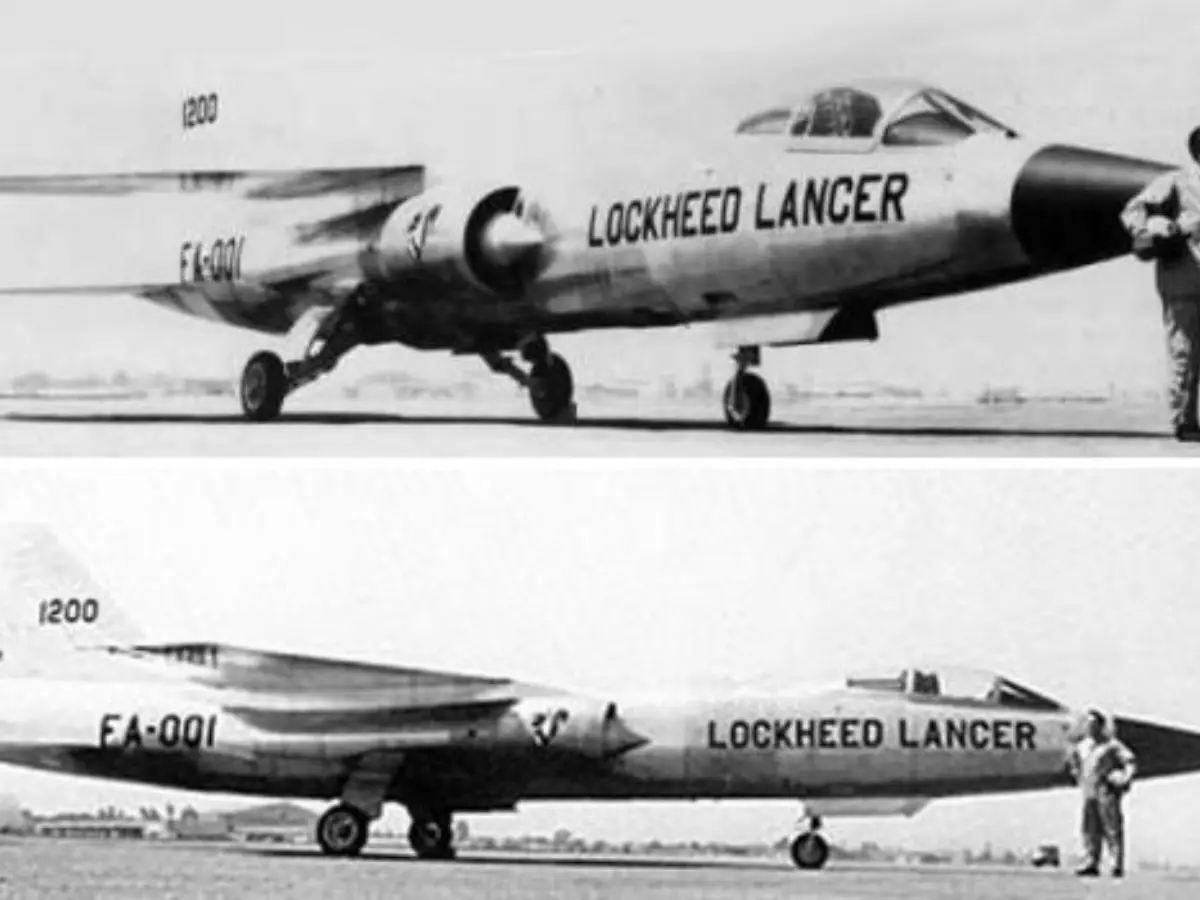
Lockheed CL-1200
Conceived during the mid-1960s, it ultimately led to the inspiration of the F-16 fighter jet. It was intended to be the successor of the F-104 Starfighter. It was planned to have an estimated speed of Mach 2.57, a service ceiling of 60,000 feet, with a range of 2,100 miles, and a 4,000 lb bombload capacity with a radius of 420 miles. It was an ambitious attempt to develop an advanced and cost-effective fighter based on the F-104 Starfighter, but it was cancelled after it lost a competition with Northrop F-5 in November 1970.
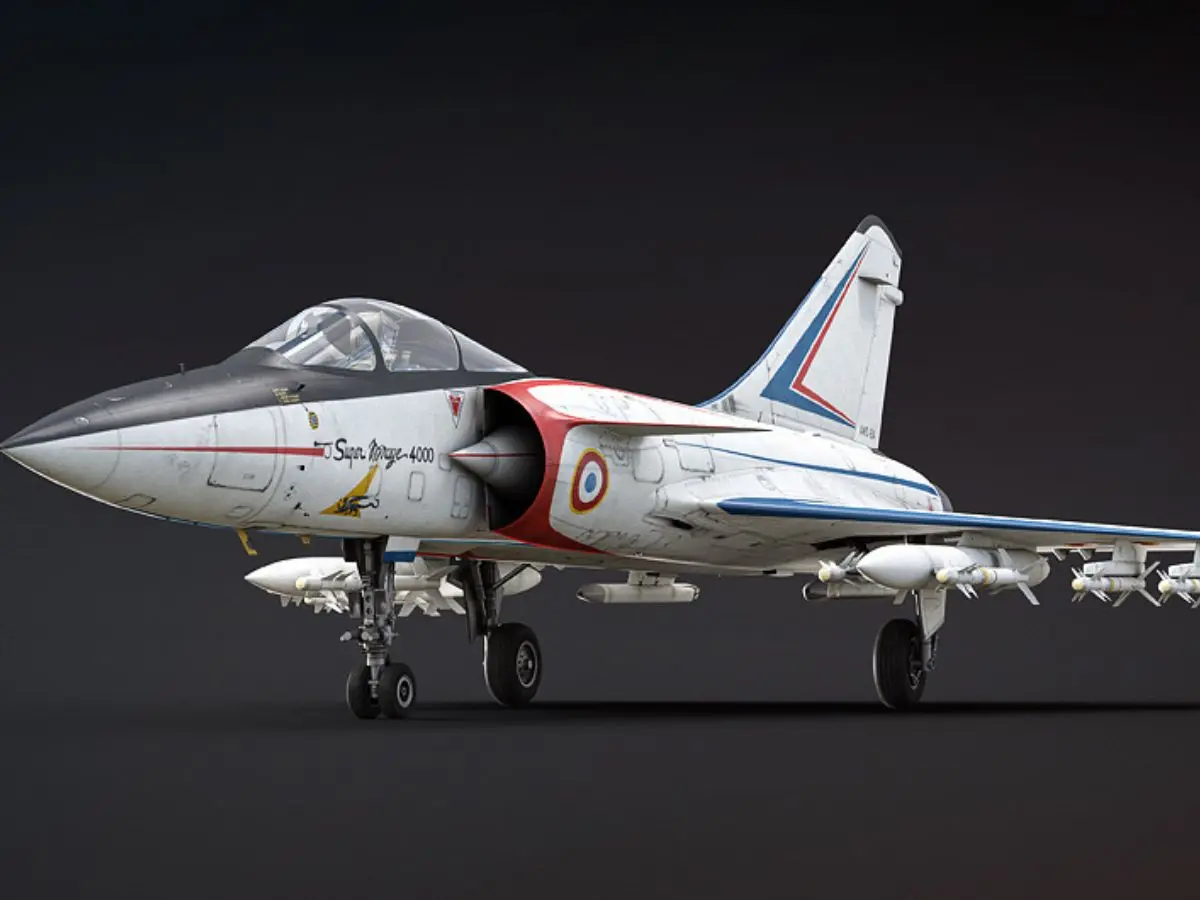
Dassault Mirage 4000
As the name suggests, Mirage 4000 builds upon the legendary Mirage family and paved the way for the Rafael fighter jet. developed in 1979 for both interception and strike missions. It boosted a speed of Mach 2.3 and could achieve top speed in 3 minutes and 50 seconds. It was later discontinued due to high development and production costs and strong demand for Mirage 2000 and Rafael jets.
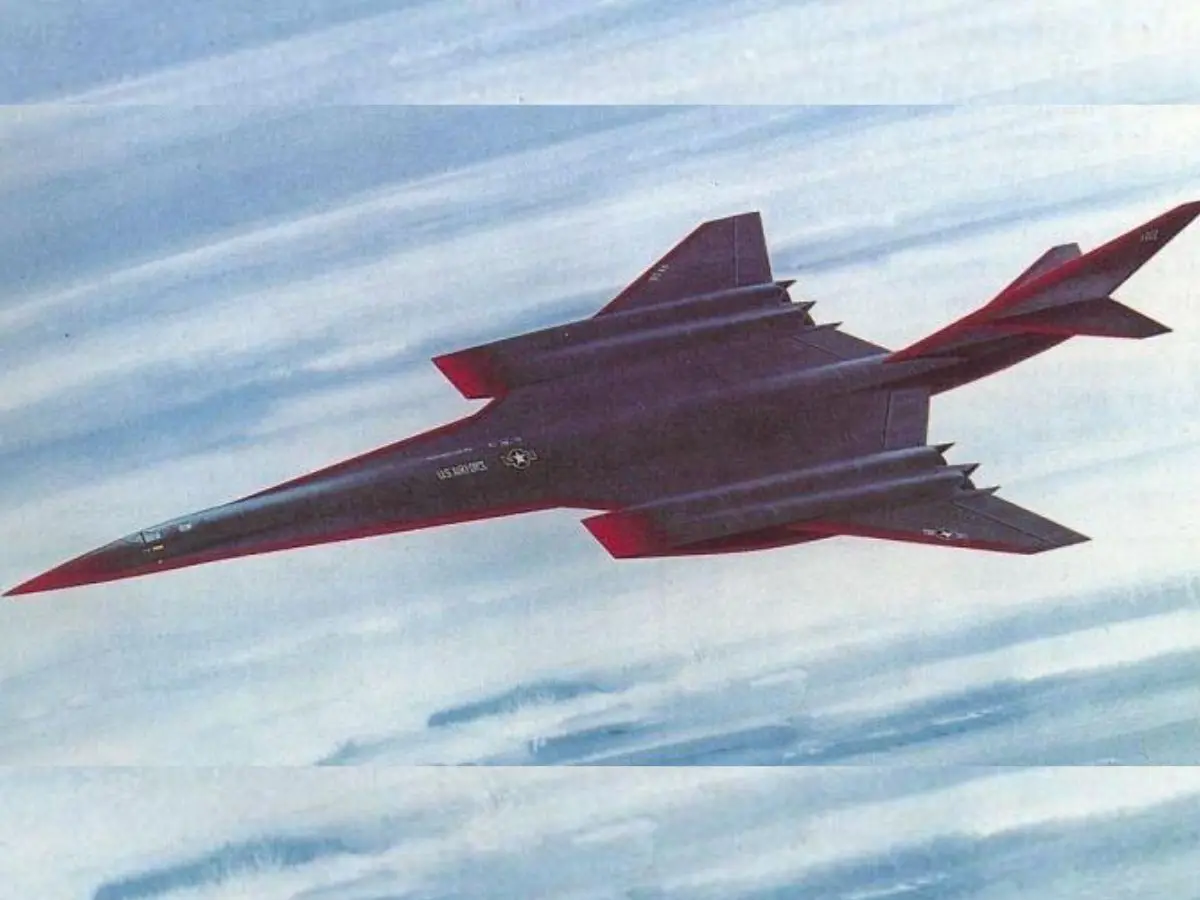
Lockheed RB-12
Proposed in 1961, the idea was to adapt the Mach 3 A-12 spy plane into a bomber plane. It would have combined A-12's titanium airframe, J-58's turbojets, long-range radar, and a nuclear air-to-ground missile. It would have penetrated Soviet airspace at high speed and high altitude and would have launched bombs at targets. However, the project was cancelled as ballistic missiles became the preferred method for bombing.
)
)
)
)
)