Top 7 reasons why hypersonic fighter jets differ from supersonic fighter jets

While both are incredibly fast, the differences go far beyond speed, shaping how future wars will be fought and how next-generation aircraft will be built.
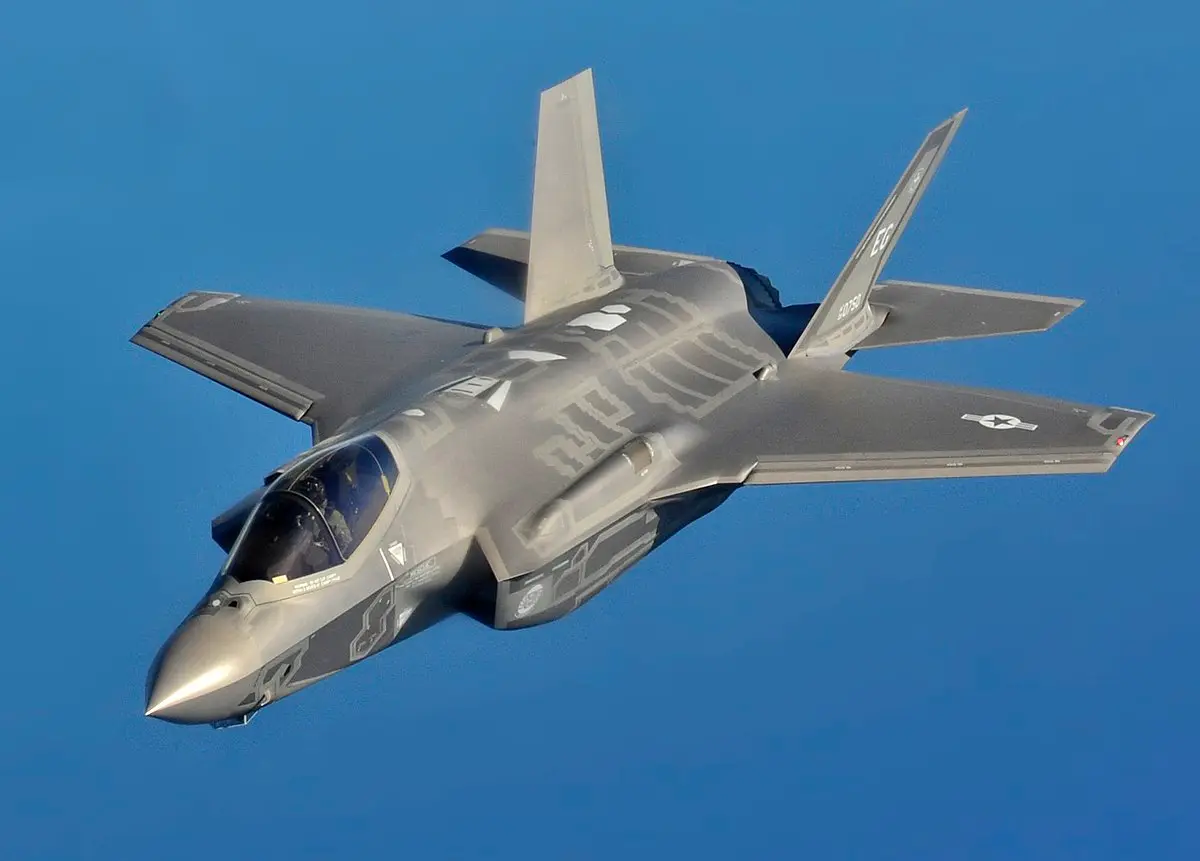
1. Speed: The Mach Divide
Supersonic jets fly between Mach 1 and Mach 5, meaning one to five times the speed of sound. Hypersonic jets, on the other hand, exceed Mach 5, reaching speeds over 6,000 km/h. This speed allows them to cross continents in minutes, a game-changer for defence and global reach.
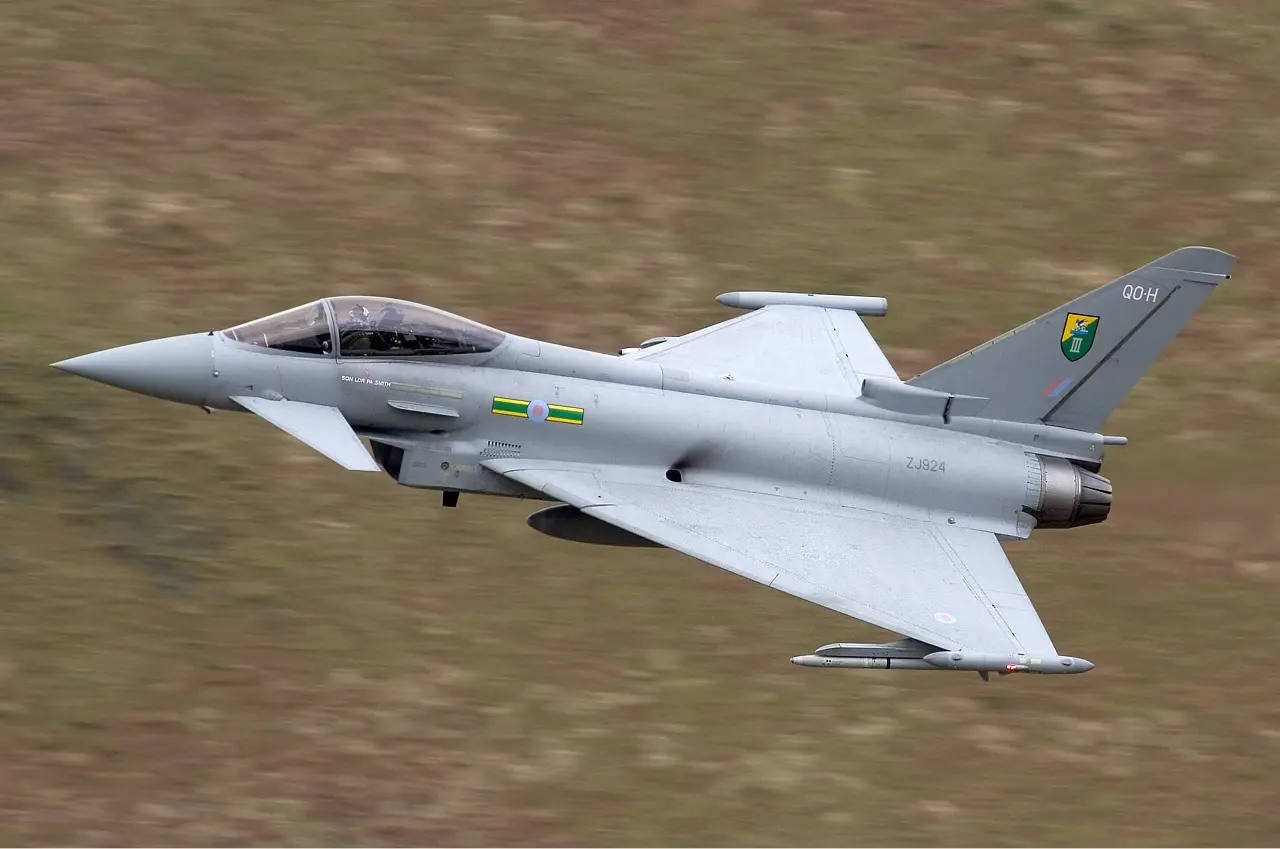
2. Airflow and Engine Design
Supersonic jets rely on turbojet or turbofan engines that compress air and mix it with fuel. Hypersonic jets use scramjet engines (supersonic combustion ramjets), where air flows through the engine at supersonic speeds. There are no moving parts, but managing fuel-air combustion at such velocity is one of aerospace’s biggest challenges.
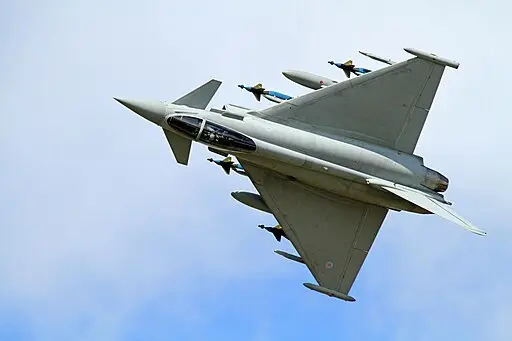
3. Aerodynamic Structure
Supersonic aircraft have pointed noses and swept wings to reduce drag. Hypersonic jets take it further, with blunt noses and heat-resistant skins to handle extreme air friction. Their structures are built to manage shockwaves and plasma formation at Mach 10 and beyond.
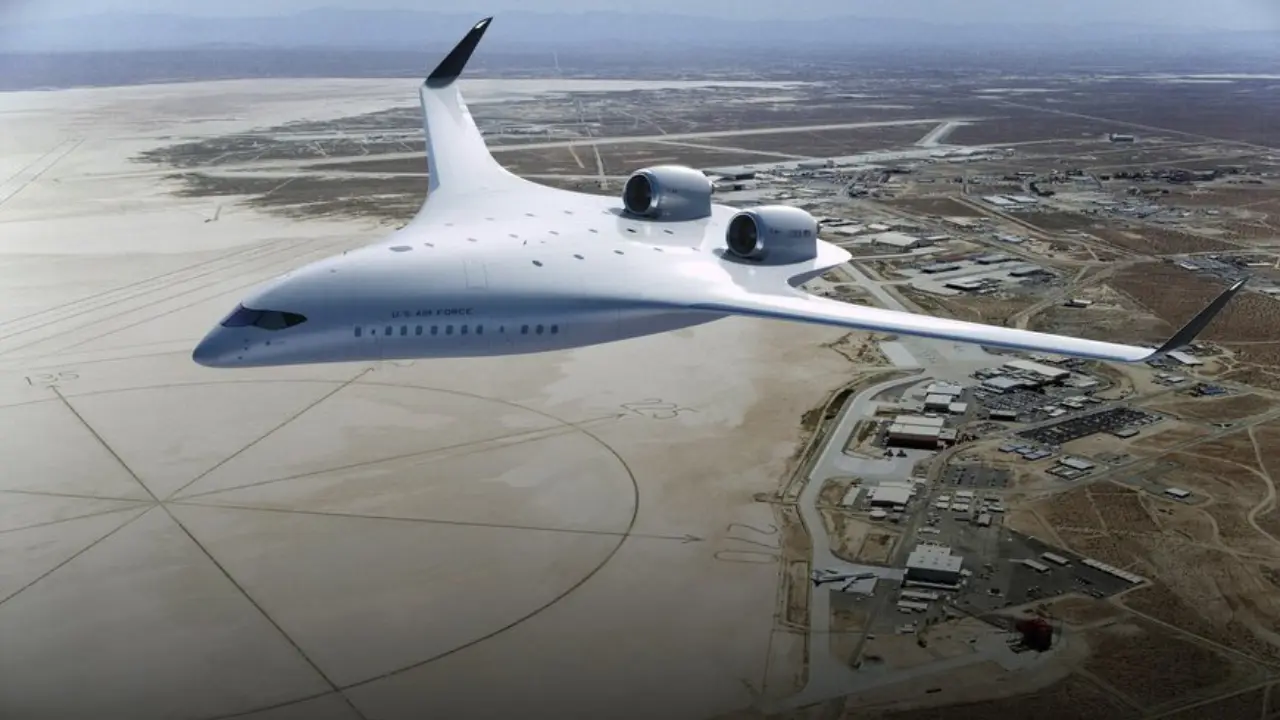
4. Heat Management
At hypersonic speeds, temperatures can reach 2,000°C, enough to melt most metals. Unlike supersonic jets that use titanium and aluminium alloys, hypersonic craft depend on ceramic composites, carbon-carbon materials, and active cooling systems to survive intense thermal stress.
5. Control and Stability
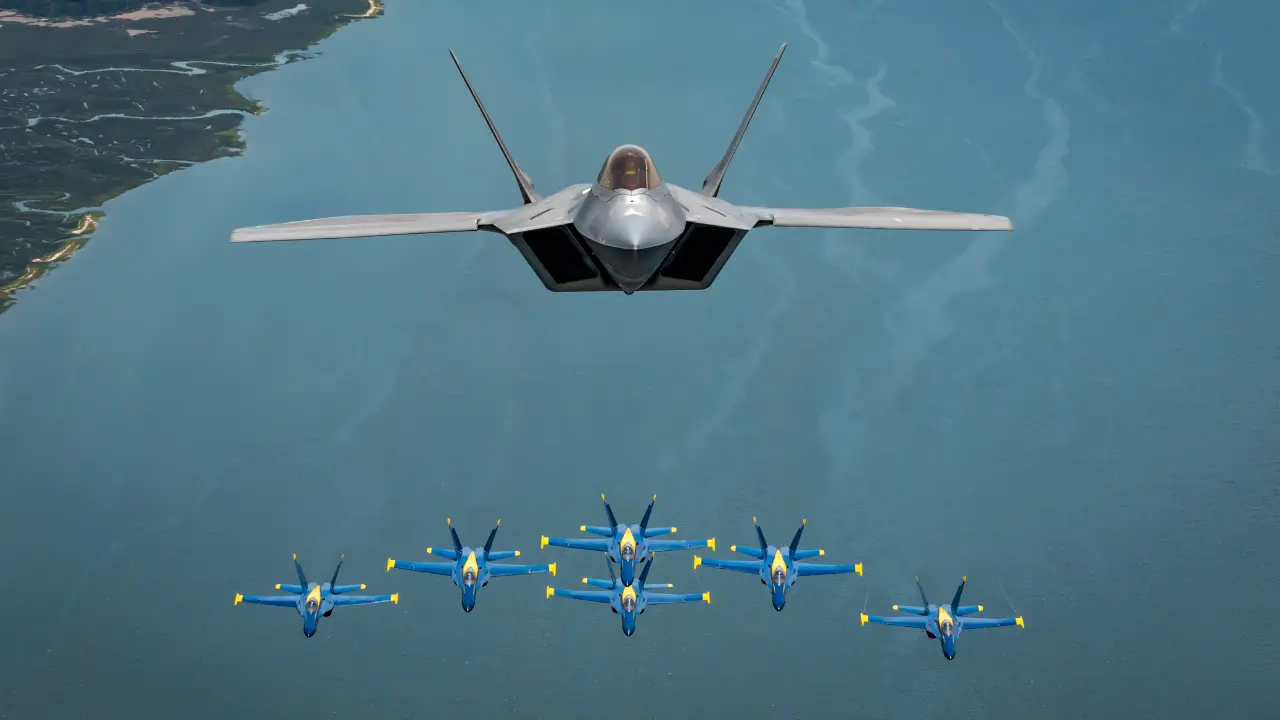
Supersonic aircraft still behave like planes. Hypersonic jets behave more like guided missiles. Their flight paths are unpredictable due to plasma and shockwave interference, making real-time AI flight control systems crucial for maintaining stability at extreme speeds.
6. Mission and Purpose
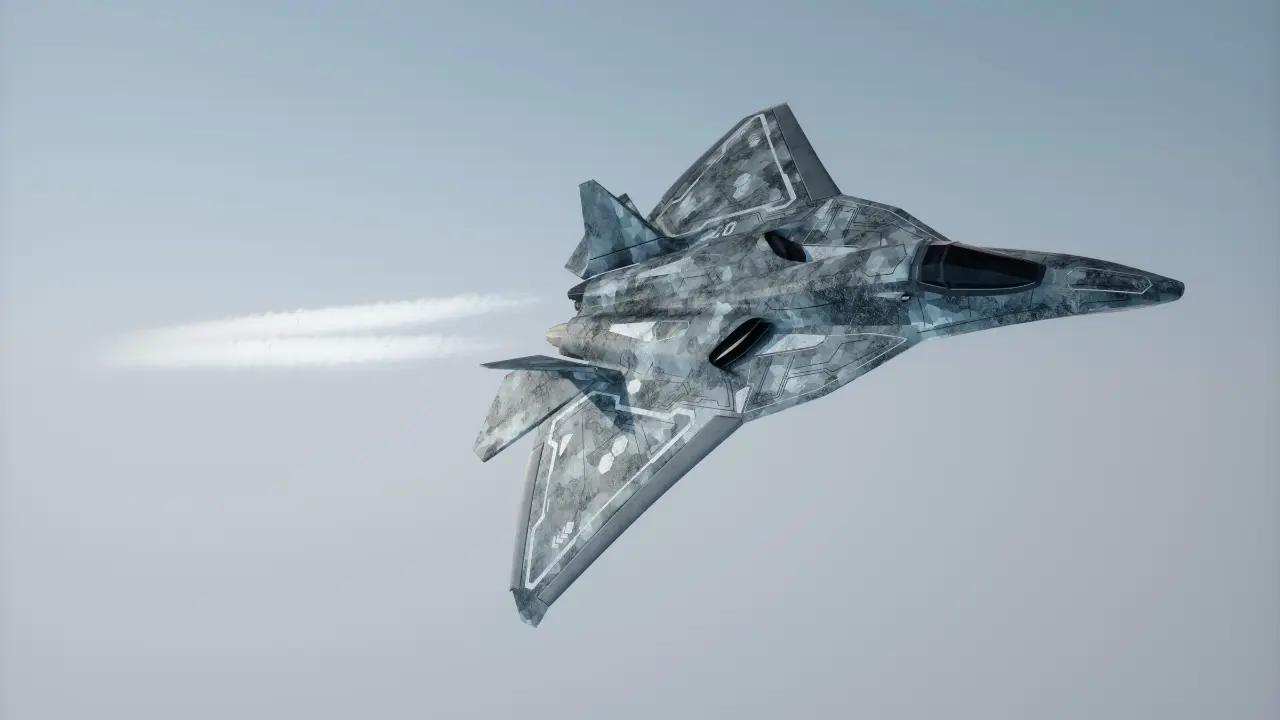
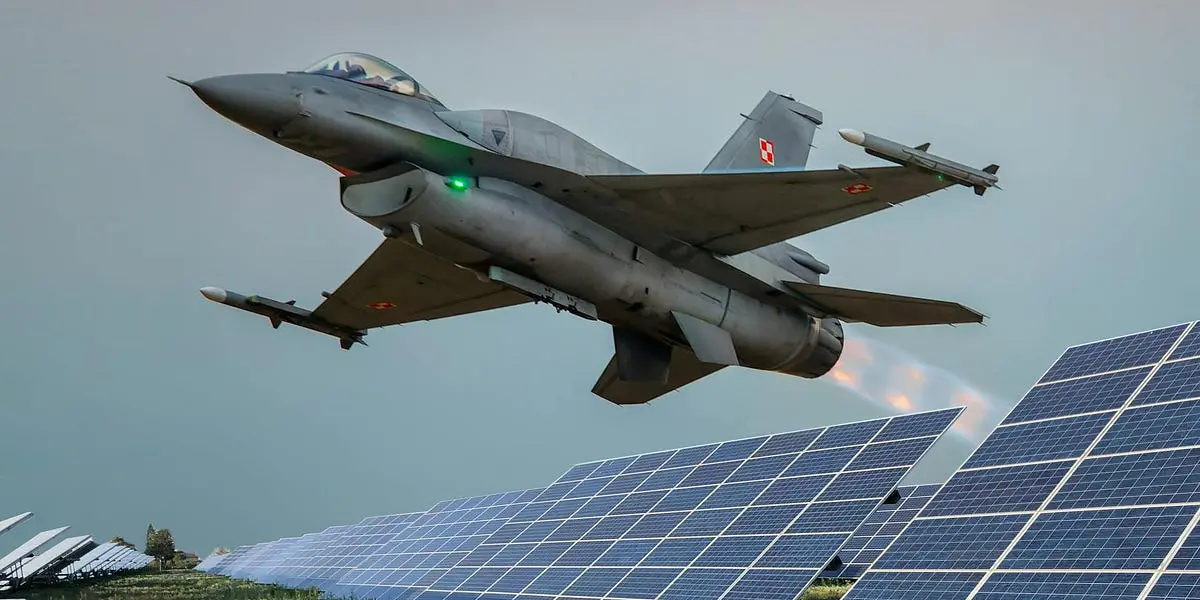
Supersonic fighters, like the F-16 or Rafale are designed for dogfights, interception, and tactical strikes. Hypersonic jets are built for strategic, long-range missions, to deliver payloads, gather intelligence, or perform ultra-fast global strikes that no radar can track effectively.
7. Detection and Defence
Supersonic jets can be detected by radar and tracked by surface-to-air systems. Hypersonic jets, however, are almost undetectable. They fly too fast, too high, and often generate a plasma shield that absorbs radar signals, making them nearly invisible to traditional air defences.
Conclusion
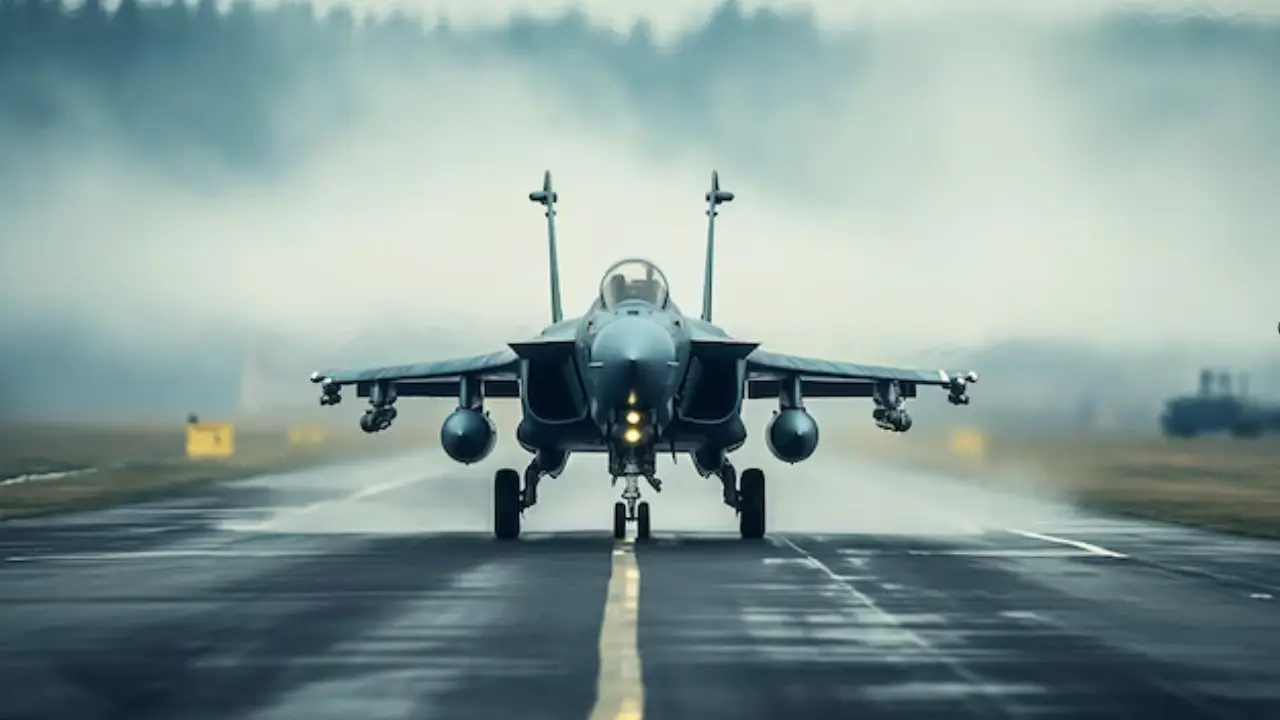
The jump from supersonic to hypersonic flight is not just about going faster, it’s about redefining air combat, surveillance, and global security. As nations like the US, China, and Russia race to master hypersonic technology, the skies of the future are set to look less like dogfights and more like sci-fi warfare.
)
)
)
)
)