Top 7 fighter jet features that turn pilots into real-life superhumans

Modern fighter jets integrate these facilities to enhance human performance, allowing pilots to operate effectively under extreme conditions.
Introduction
Modern fighter jets are not merely machines of war; they are sophisticated systems designed to enhance human capabilities. Central to this enhancement are the advanced facilities and technologies integrated into these aircraft, ensuring pilots can operate effectively under extreme conditions. Let's delve into seven such facilities, highlighting their significance and the aircraft that employ them.
1. Advanced Anti-G Suits
High-speed aerial manoeuvres expose pilots to extreme gravitational forces, risking G-induced Loss of Consciousness (G-LOC). Anti-G suits counteract this by maintaining blood flow to the brain.
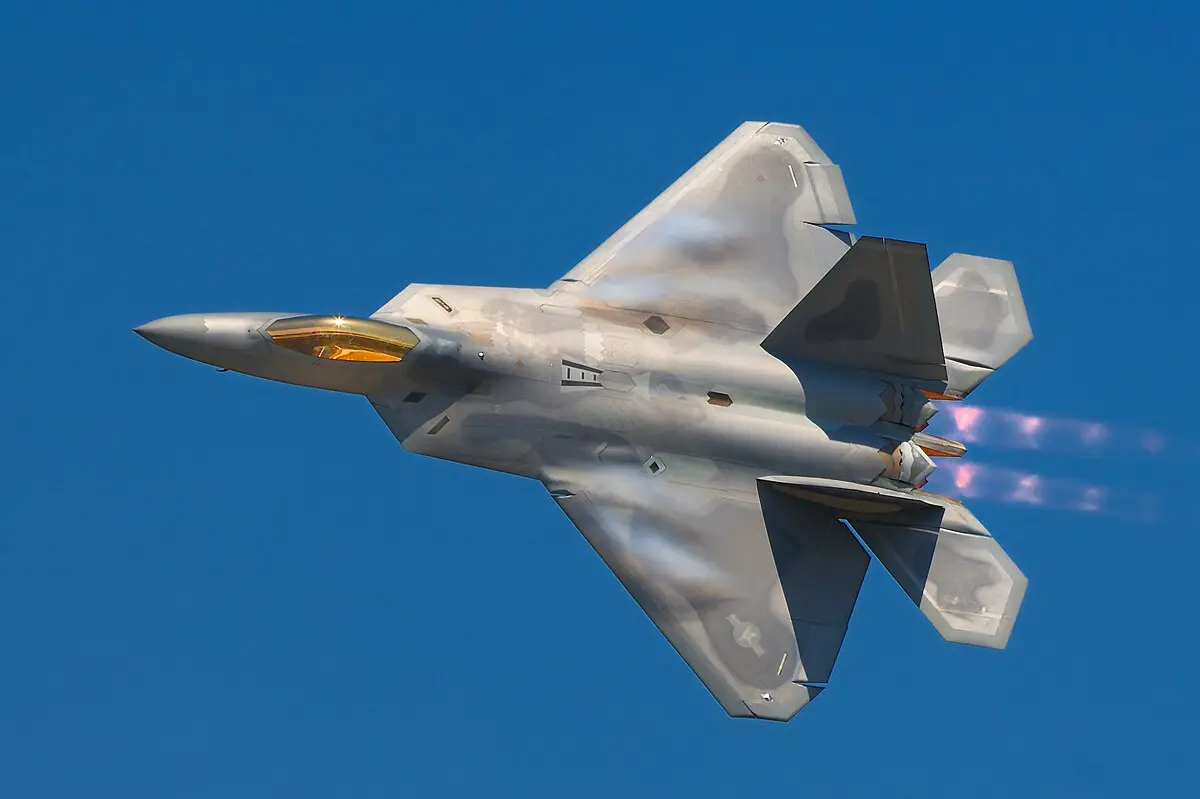
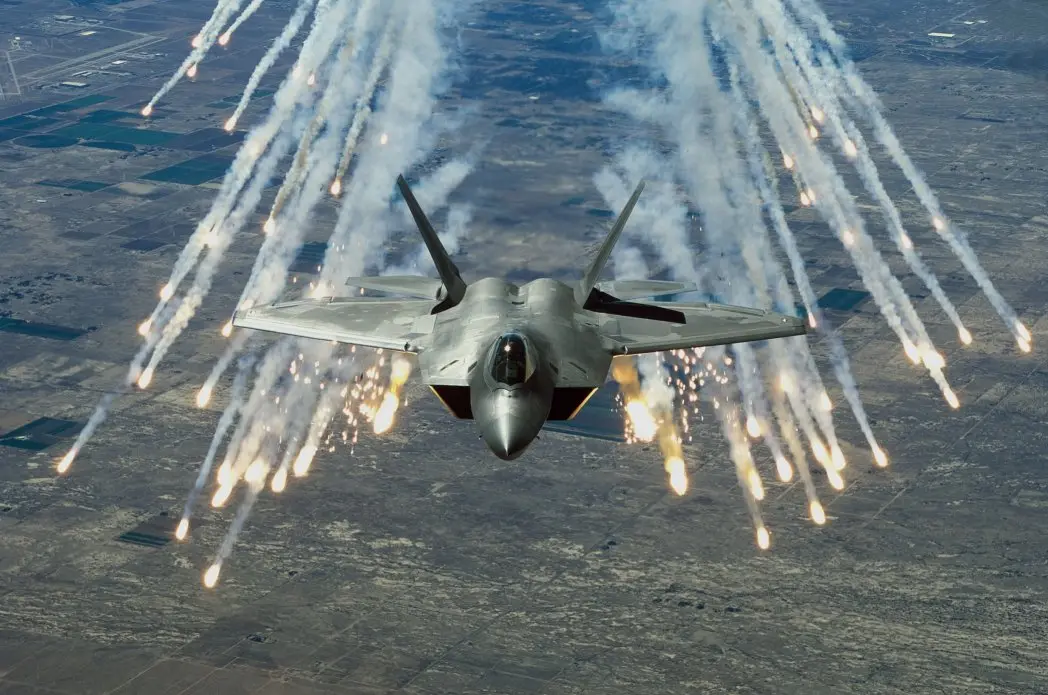
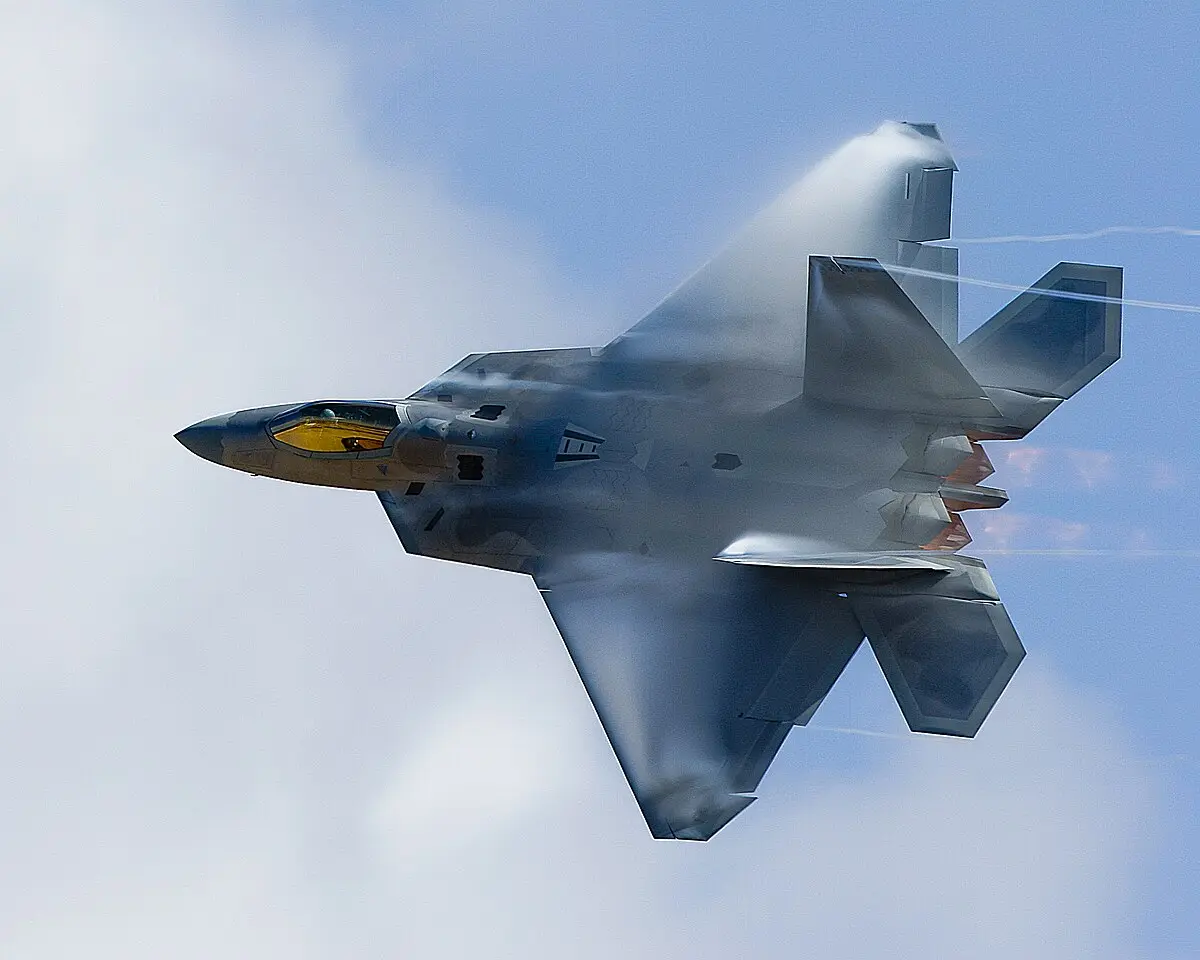
F-22 Raptor: Uses the Advanced Technology Anti-G Suit (ATAGS) to allow pilots to sustain high-G turns while maintaining consciousness.
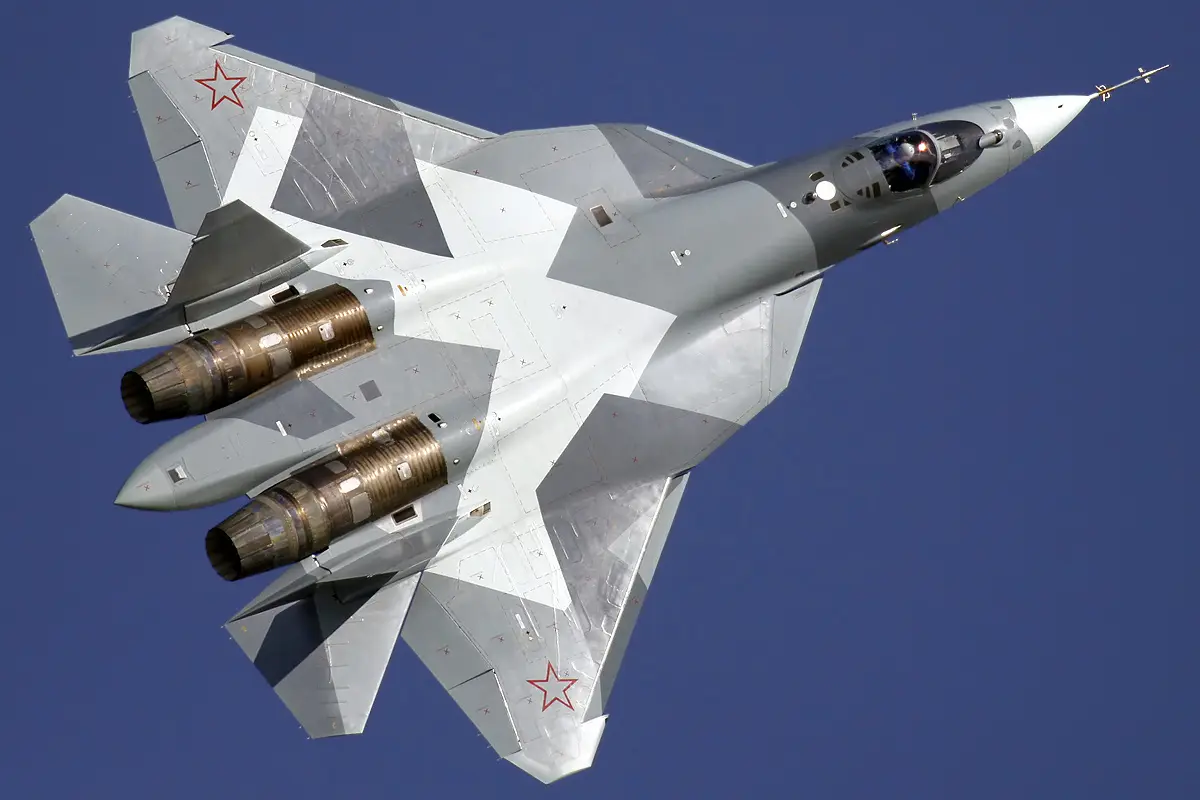
Sukhoi Su-57: The PPK-7 anti-G suit uses pneumatic chambers to compress the lower body, enabling pilots to withstand intense manoeuvres.
2. Helmet-Mounted Display Systems (HMDS)
HMDS technology projects critical data onto the pilot’s visor, reducing the need to reference instruments and improving target acquisition.
F-35 Lightning II: Gen III HMDS allows pilots to see through the fuselage using external cameras and overlays radar, targeting, and night vision data.
Eurofighter Typhoon: Uses the Striker II HMD to provide full-color symbology, eye-tracked targeting, and digital night vision.
3. Ejection Seats
Ejection seats are critical for pilot survival in emergency situations, designed to function across various altitudes and speeds.
F-35 Lightning II: Employs the ACES II ejection seat, capable of operation at zero speed and zero altitude, ensuring pilot safety during emergencies.
F-22 Raptor: Features a modified ACES II ejection seat, designed to operate effectively in combat environments.
Sukhoi Su-57: Pilots use the K-36D-5 ejection seat, capable of safe ejection at altitudes from 0 to 20 km and speeds from 0 to 1,000 km/h.
Dassault Rafale: Equipped with the Martin-Baker Mark 16F ejection seat, designed for operation at zero speed and zero altitude.
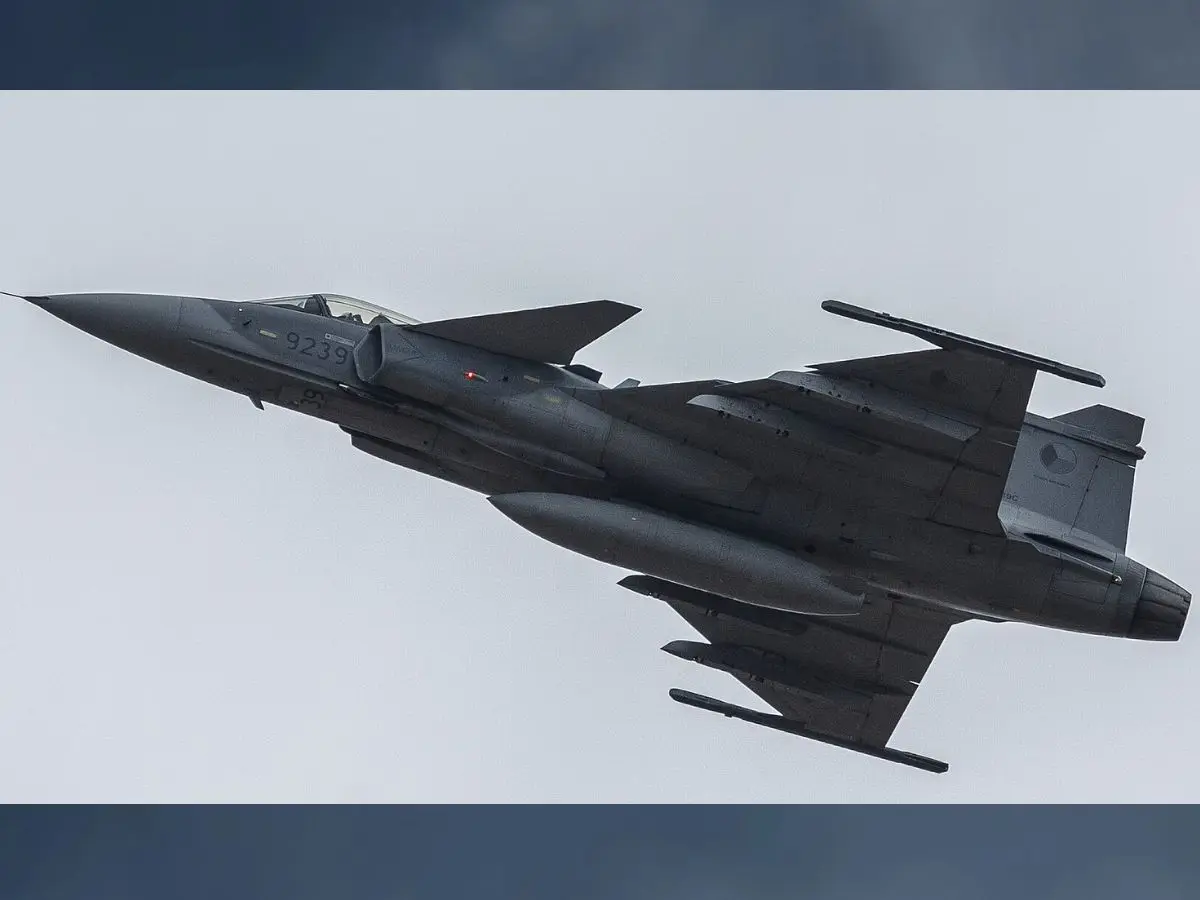
JAS-39E Gripen: Utilizes the Martin-Baker Mk16 ejection seat, ensuring pilot safety during emergency ejections across a wide range of conditions.
4. Onboard Oxygen Generation Systems (OBOGS)
OBOGS supply pilots with continuous oxygen, eliminating the need for heavy tanks and supporting high-altitude operations.
F-15EX Eagle II: Equipped with an onboard oxygen generation system, allowing long missions without external oxygen supply.
Sukhoi Su-35: Features an OBOGS providing pilots with uninterrupted oxygen at extreme altitudes.
5. Sensor Fusion and Advanced Avionics
Integrated avionics combine multiple sensors to deliver a unified tactical picture, reducing pilot workload and increasing situational awareness.
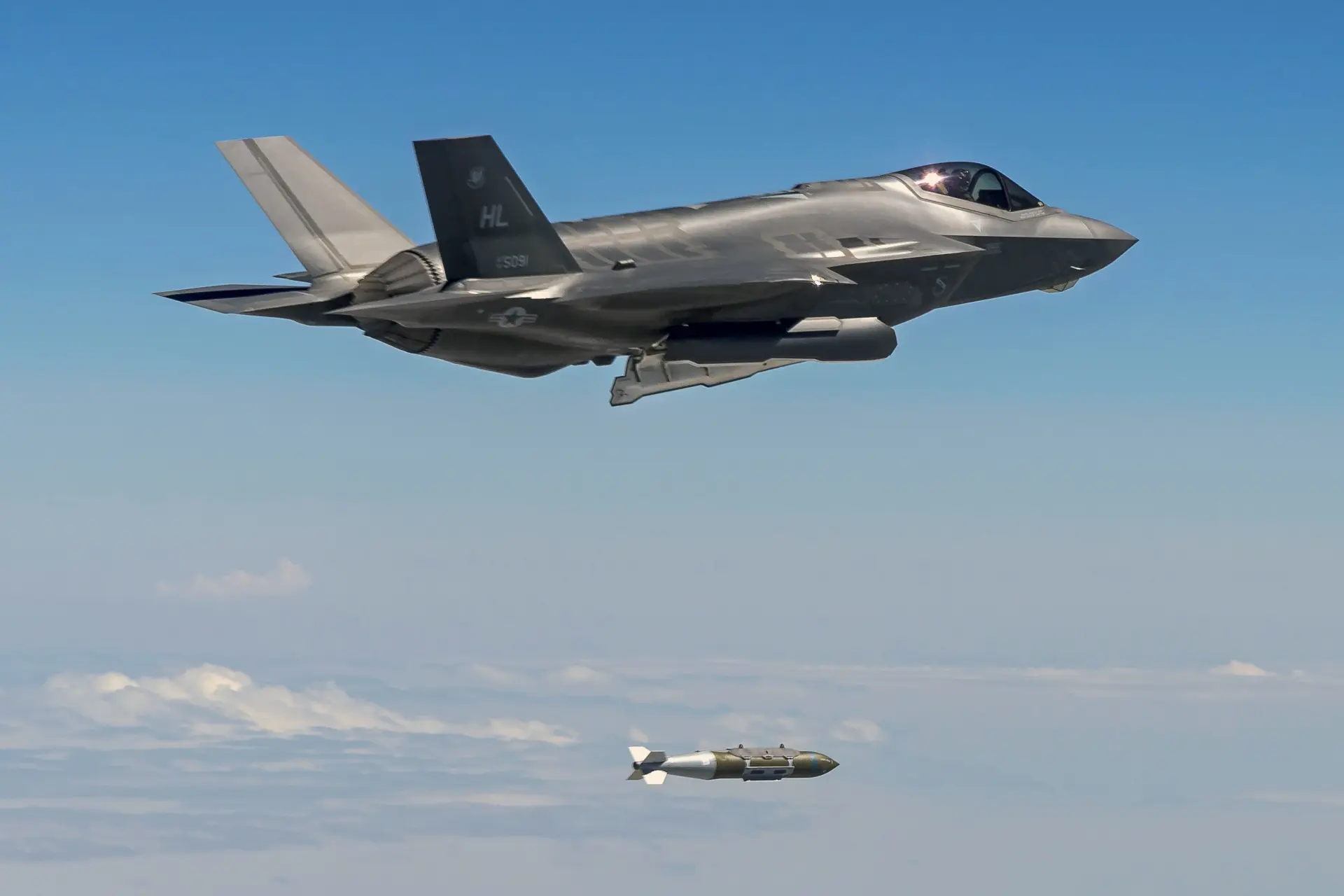
F-35 Lightning II: Combines radar, infrared, and electronic warfare sensors into a single display for the pilot.
Chengdu J-20: Uses sensor fusion to provide the pilot with a consolidated battlefield picture, enhancing decision-making in high-threat environments.
6. Pilot Fit Facilities
Custom-fitted flight suits and gear enhance comfort, reduce fatigue, and allow pilots to endure long missions.
F-35 Lightning II: Pilot fit facilities ensure individualised flight suits and helmets are tailored to each pilot.
Dassault Rafale: Provides bespoke fitting of gear to match pilot physiology and mission requirements.
7. Advanced Training Simulators
Simulators replicate real-world scenarios to prepare pilots for combat, emergency situations, and system failures.
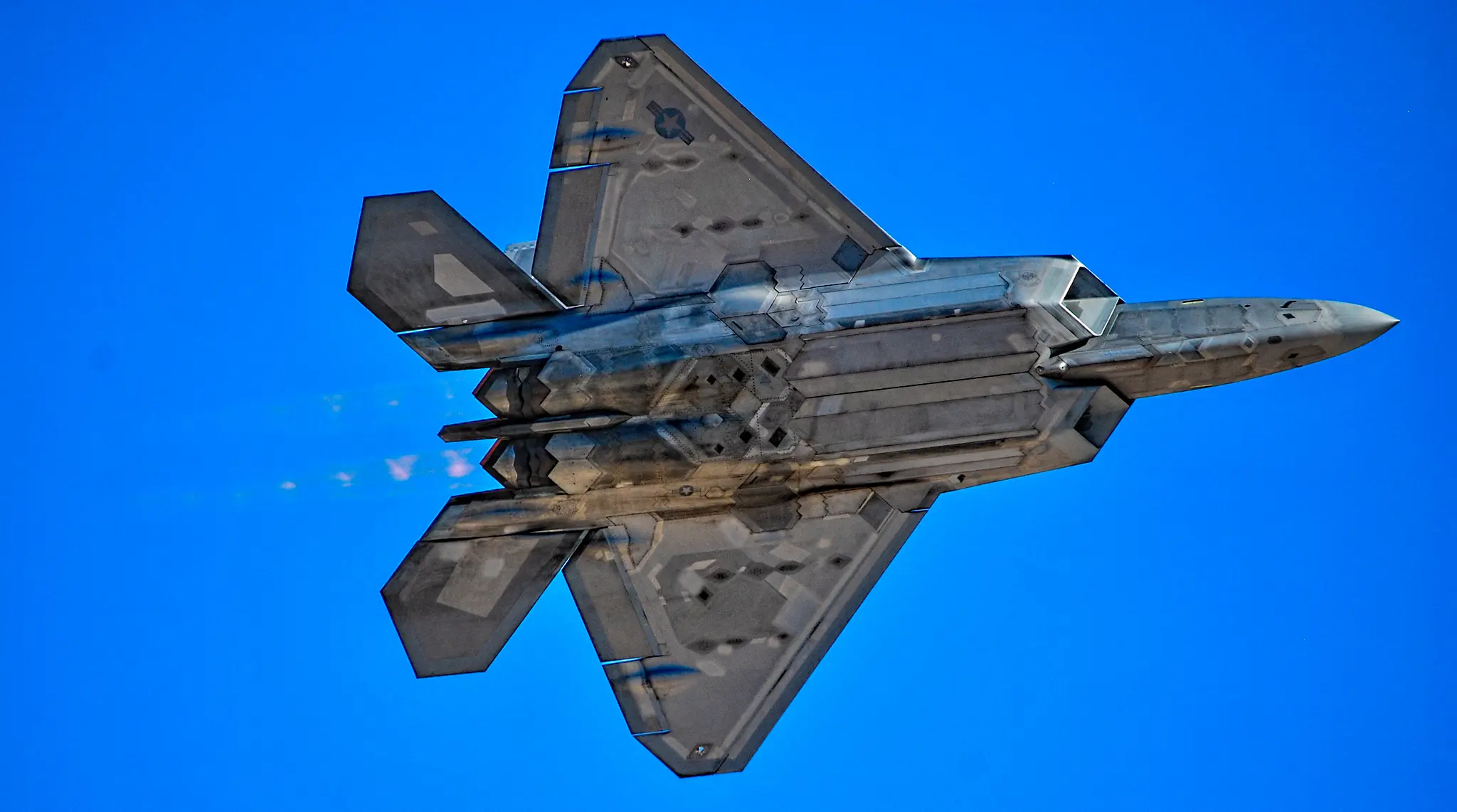
F-22 Raptor: Uses high-fidelity simulators replicating realistic combat environments for training.
Saab JAS-39E Gripen: Advanced simulators allow pilots to train on software-defined combat scenarios, mirroring real missions.
)
)
)
)
)