7 game-changing aerodynamic features in fighter jets! Explained

Think you know what keeps fighter jets fast and sharp in the sky? These 7 aerodynamic breakthroughs reveal the secrets of speed, stealth, and control that make jets unbeatable. Find out more!
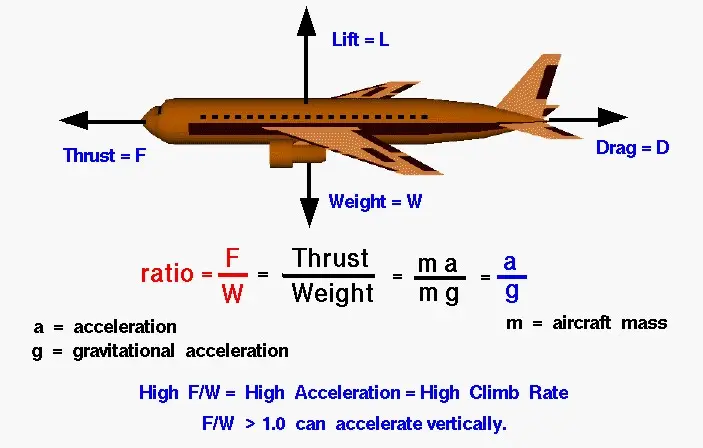
Thrust-to-Weight Ratio
A key to fighter jet agility is a high thrust-to-weight ratio. More thrust relative to weight means faster take-offs and sharper turns. This ratio lets jets climb quickly and outmaneuver opponents in dogfights.
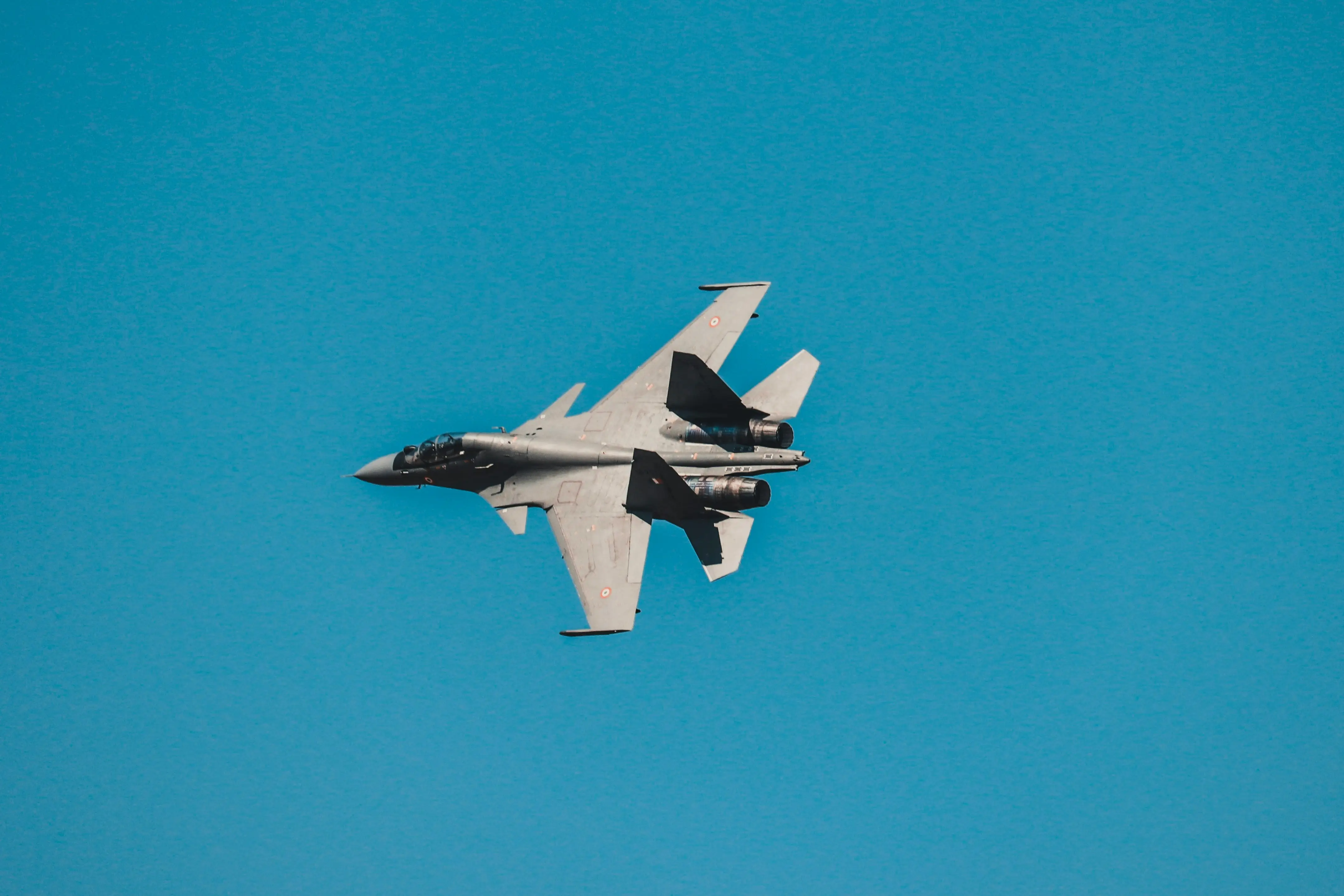
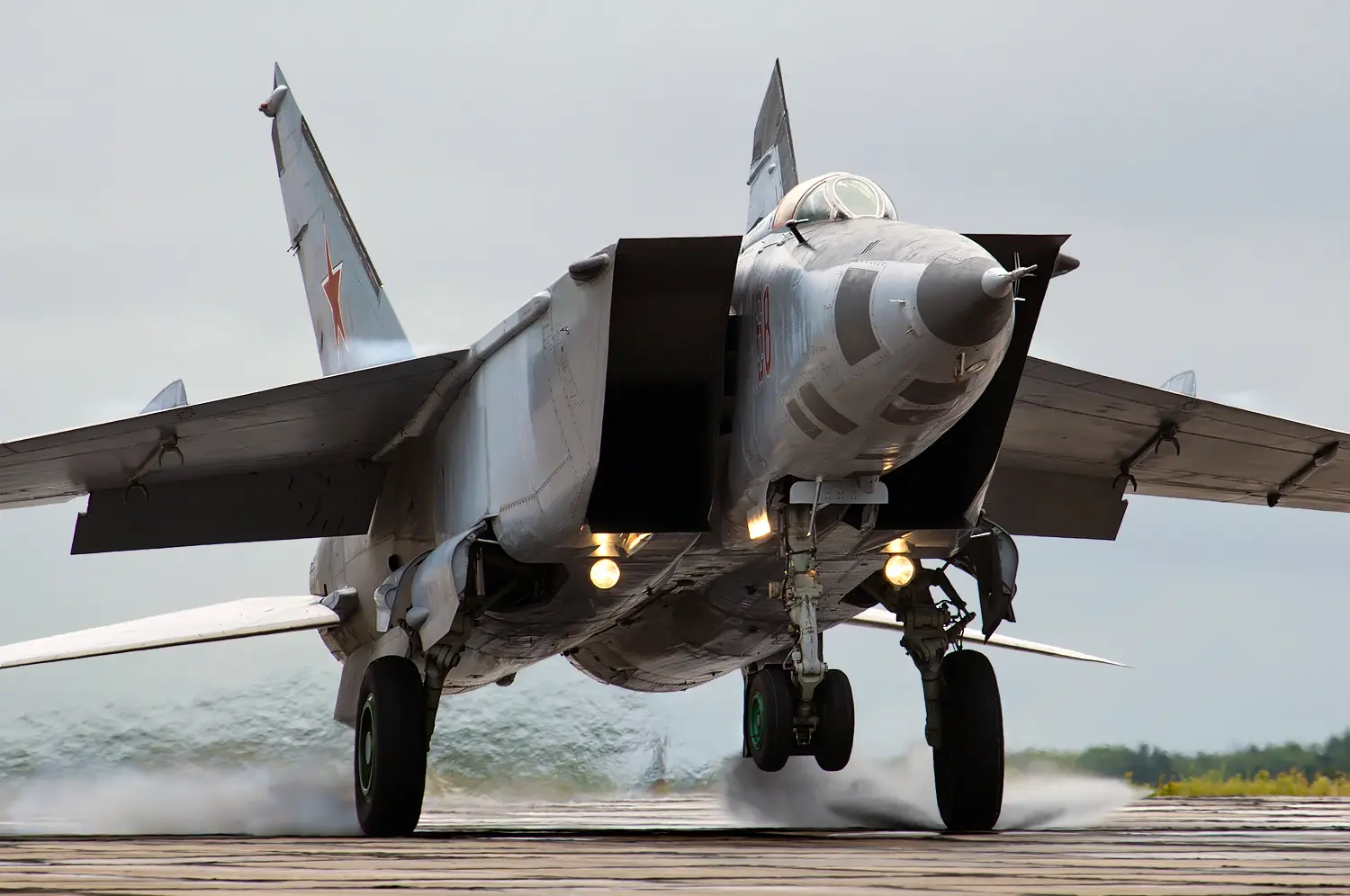
Wave Drag Control
Jets flying near or above Mach 1 face wave drag - air pressure waves creating resistance. Designs like movable air intake ramps on jets like the MiG-31 reduce this drag to maintain speed and efficiency.
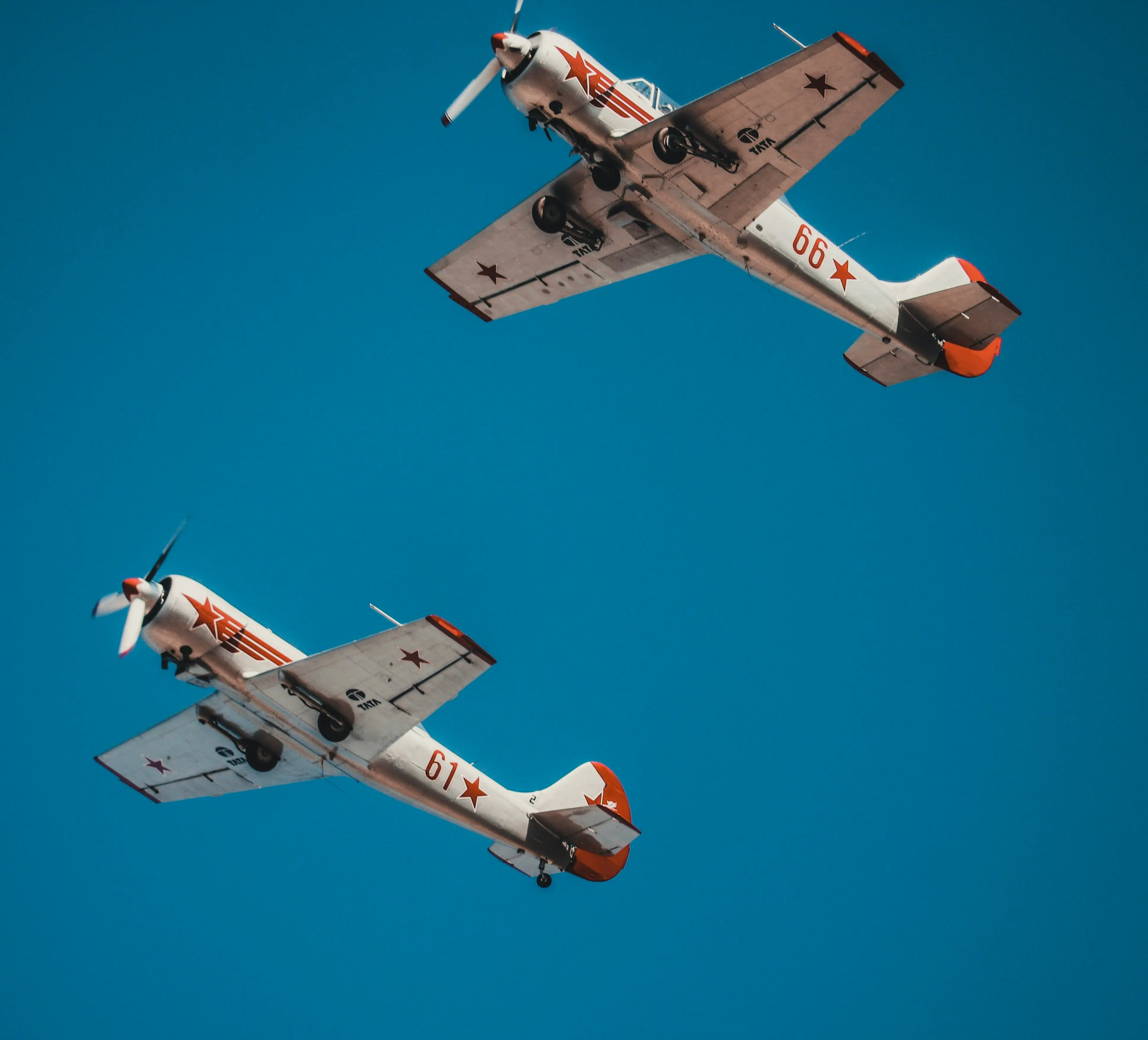
Wing Design and Maneuvering Slats
Advanced wing shapes and maneuvering slats improve lift and control at high speeds and sharp angles. These features delay stall and allow jets to perform tight turns without losing stability.
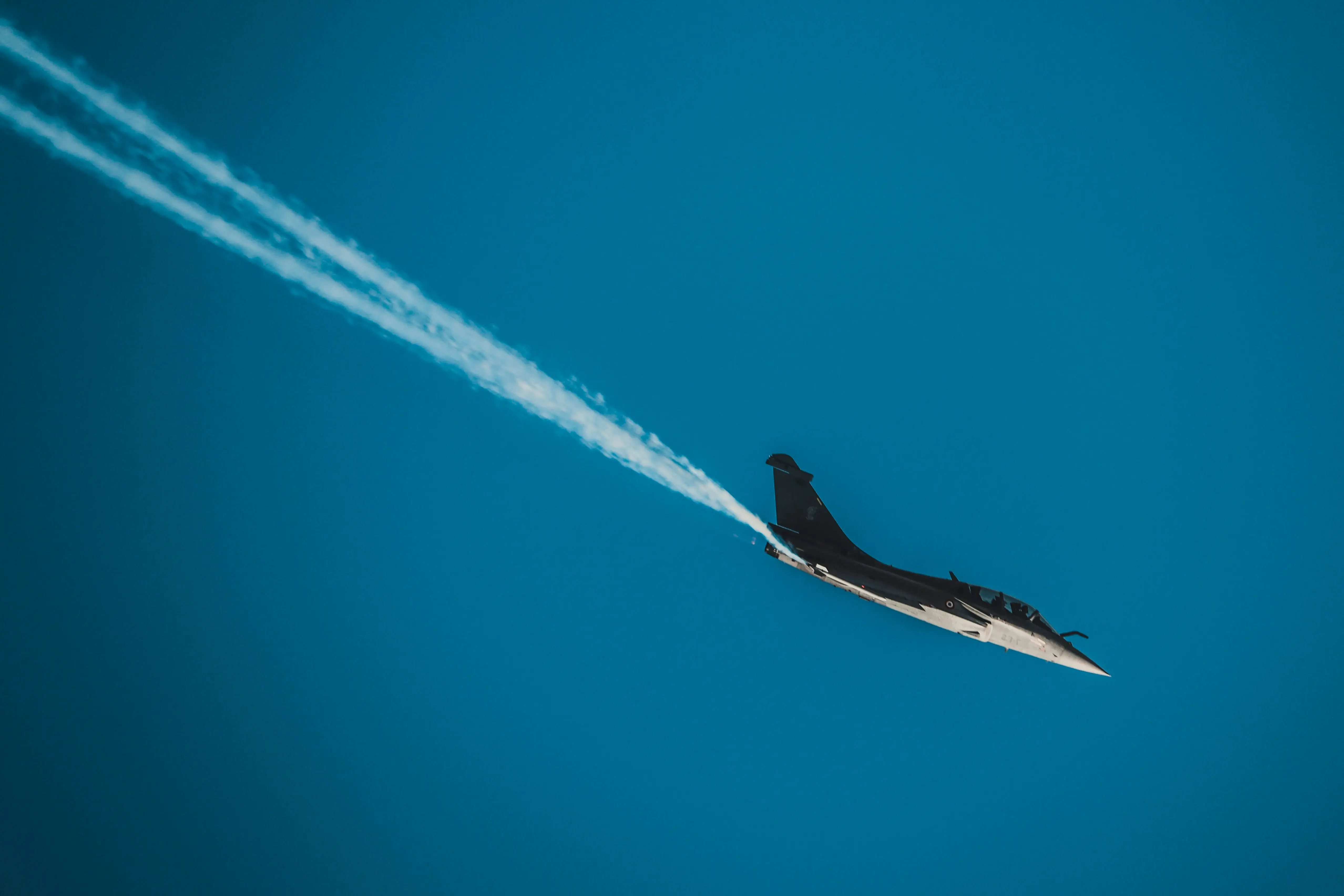
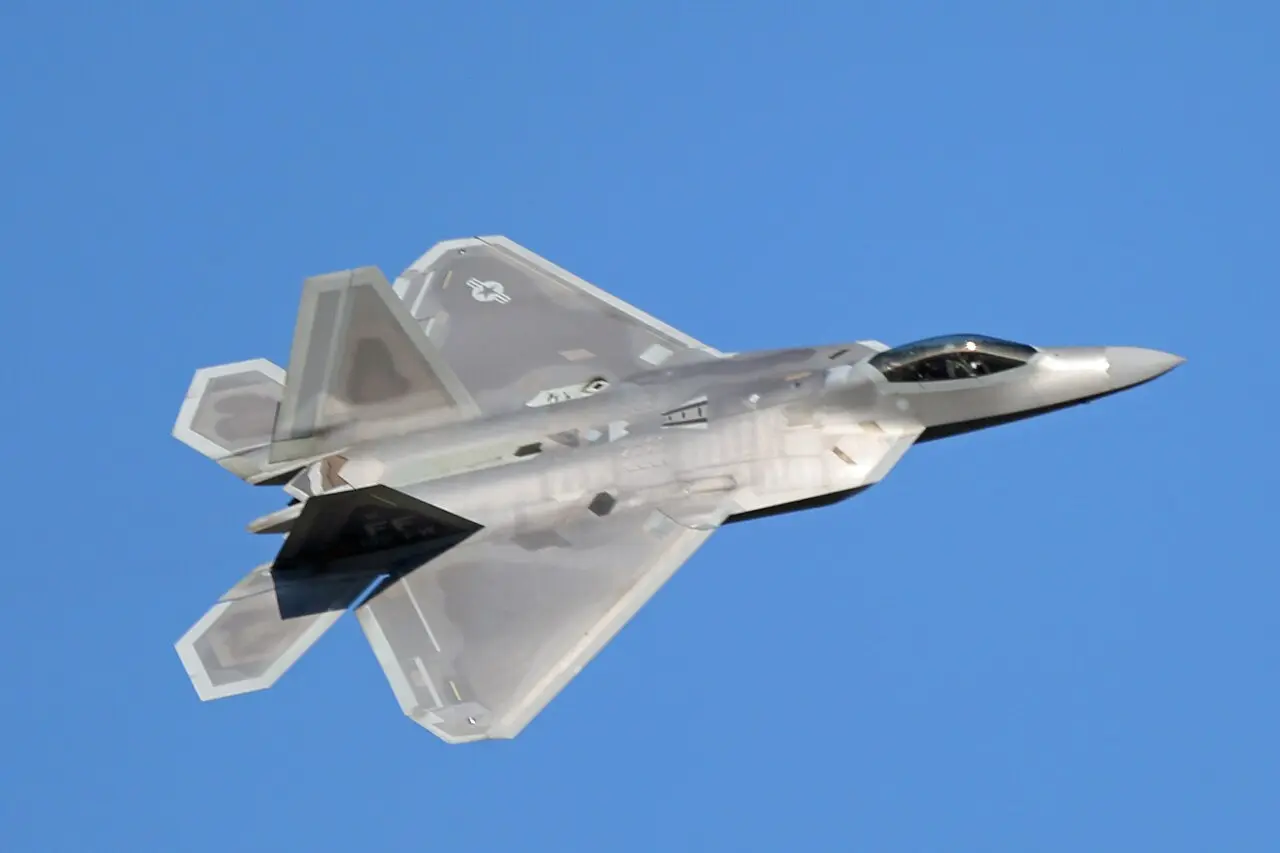
Stealth Aerodynamics
Stealth fighters have angular surfaces and hidden weapons to reduce radar detection. Aerodynamic design balances stealth features with smooth airflow to maintain flight performance.
Fly-by-Wire Flight Controls
Digital fly-by-wire systems replace manual controls, allowing jets with unstable designs to be safely manoeuvred with precision. Computers help pilots maintain control in extreme situations.
Variable Cycle Engines
Engines with variable cycles change airflow for supersonic or cruising speeds. This boosts fuel efficiency and maximum speed, extending mission range and performance.
Vortex Lift and Leading-Edge Strakes
Strakes on wings create powerful vortices that increase lift at steep angles. This aerodynamic trick enhances jet control during tight turns and high-speed manoeuvres.
)
)
)
)
)