Top 7 Delhi areas with the worst AQI

Seven areas in Delhi, including Bawana and Wazirpur, have seen a rise in AQI reaching the ‘severe’ category. Pollution from factories, traffic, and stubble burning affects millions of people.
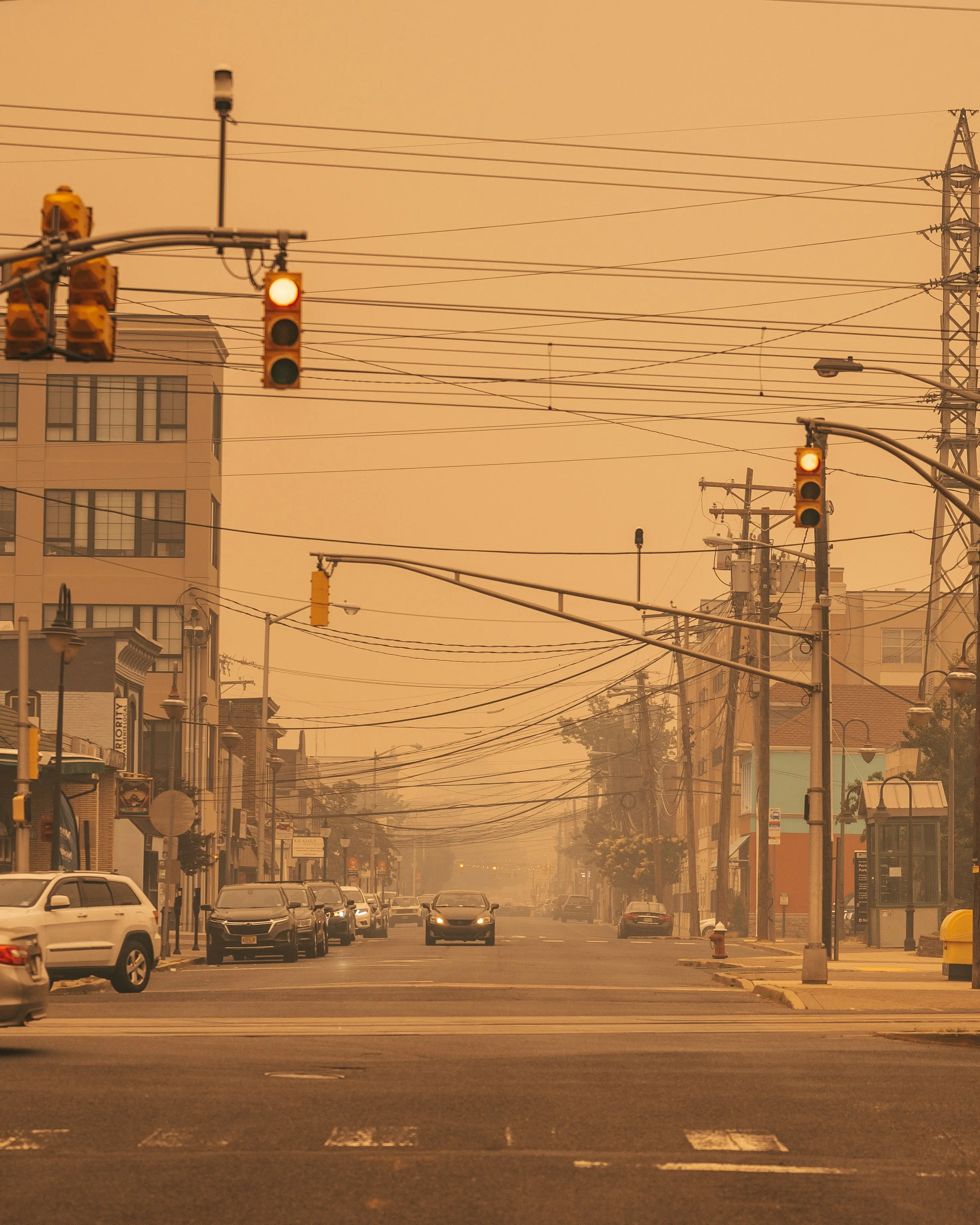
Bawana - AQI 420 (Severe)
Heavy industrial emissions contribute heavily to this ‘Severe’ pollution level. Residents are advised to minimise outdoor activities and wear masks.
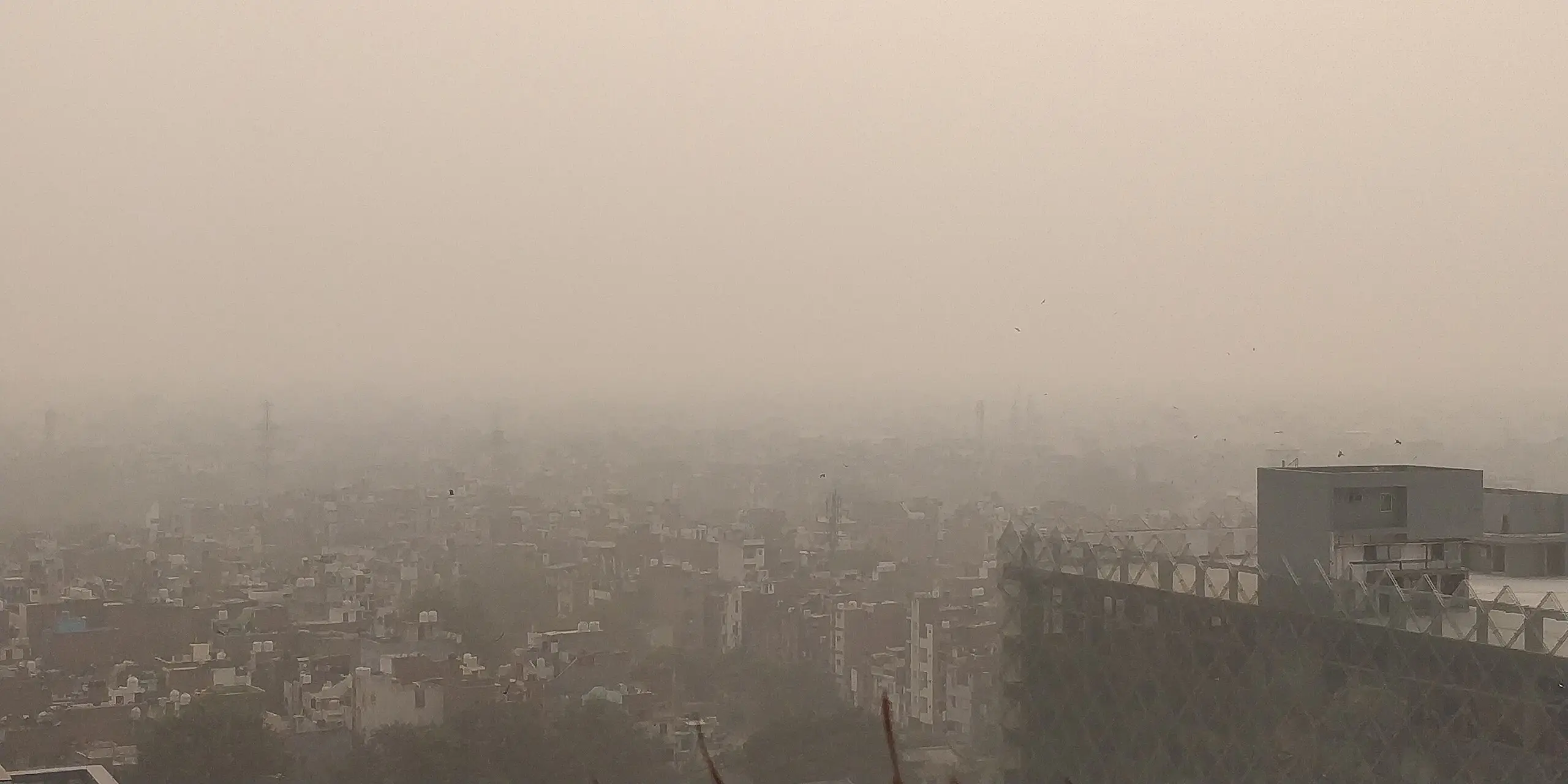
Wazirpur – AQI 385 (Severe)
Wazirpur’s AQI is 385, affected by small industries and traffic pollution. The hazardous air quality poses health risks, especially to vulnerable groups.
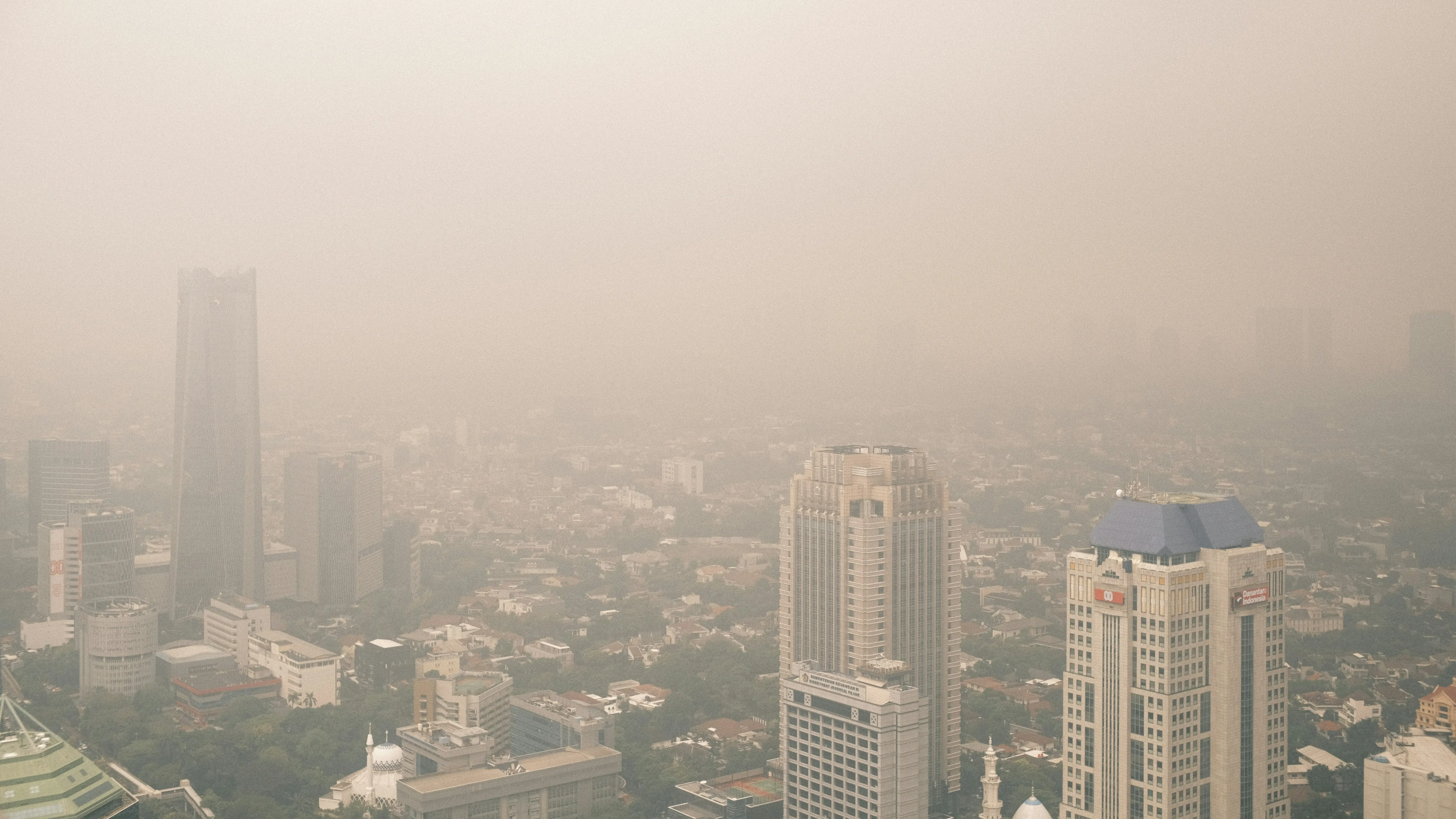
Alipur – AQI 372 (Severe)
Alipur’s AQI stands at 372 due to vehicle emissions and nearby crop stubble burning. Precautions are recommended to avoid health problems.
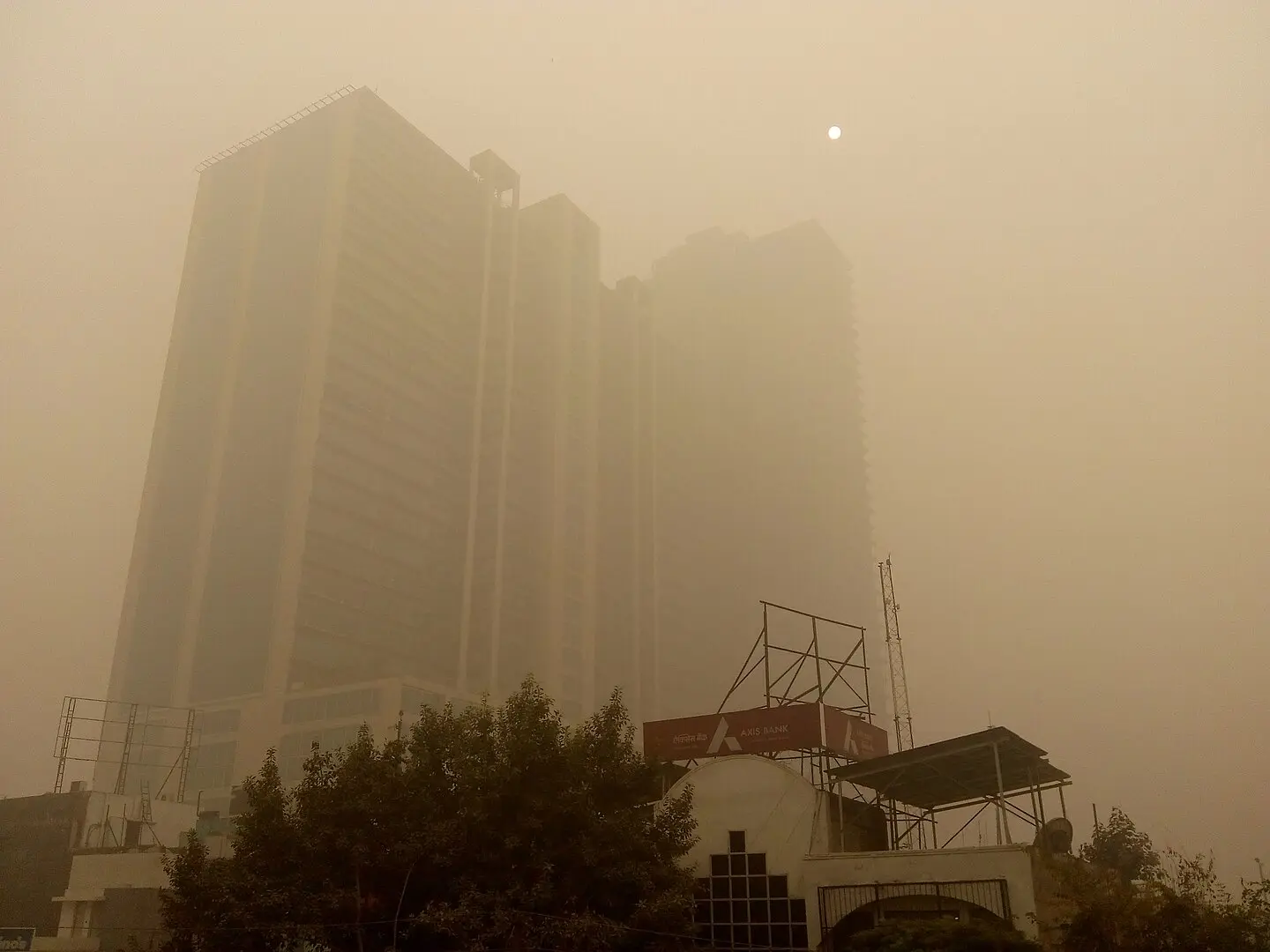
RK Puram – AQI 334 (Hazardous)
RK Puram, with an AQI of 334, falls in the ‘Hazardous’ category. PM2.5 levels are at 242 µg/m³ and PM10 at 331 µg/m³. Air pollution here equals smoking about 12 cigarettes daily. Staying indoors and using air purifiers is advised.
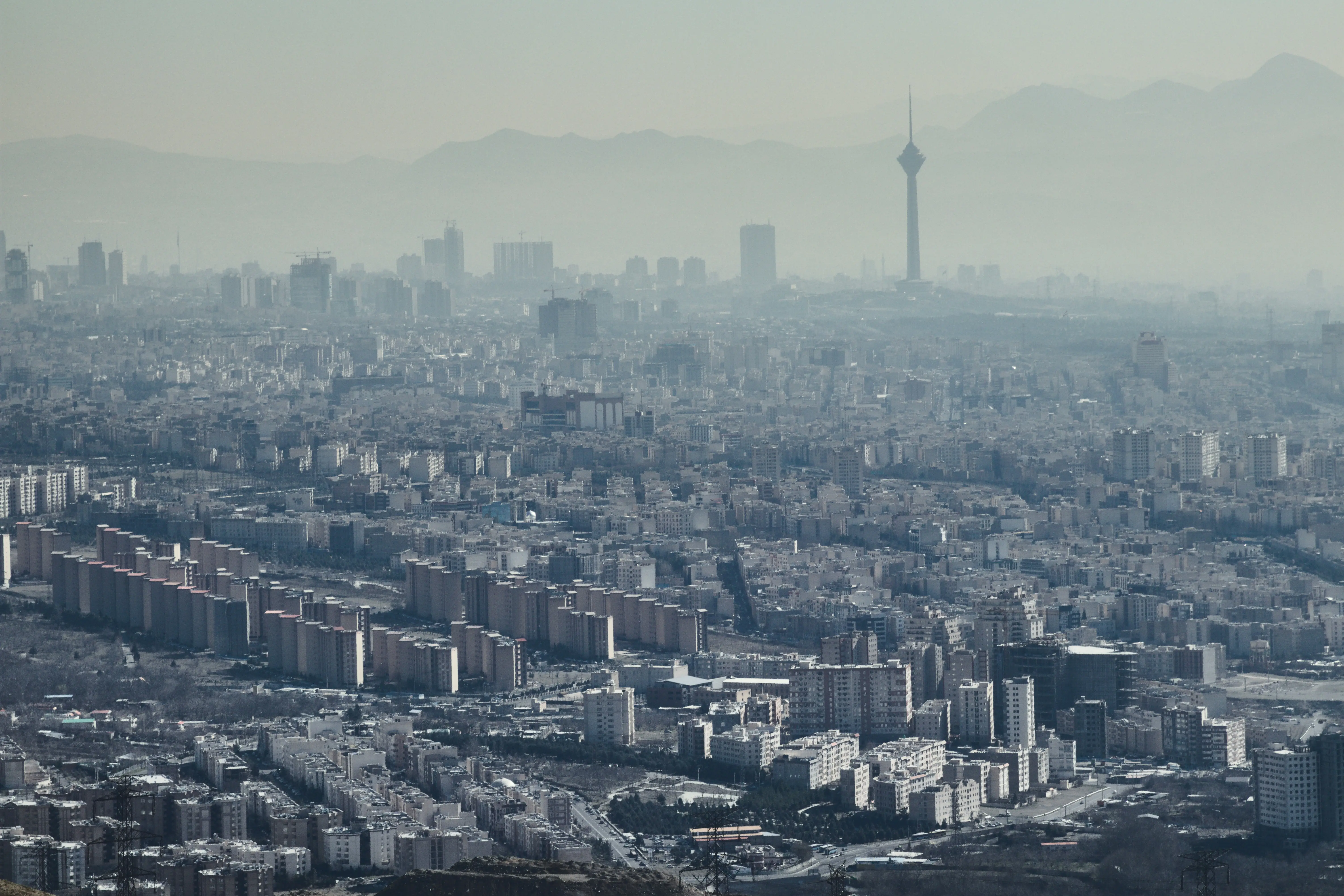
Patparganj – AQI 355 (Severe)
Patparganj’s air registers at AQI 355. Industrial and transport emissions are major sources. Authorities suggest reducing outdoor exposure.
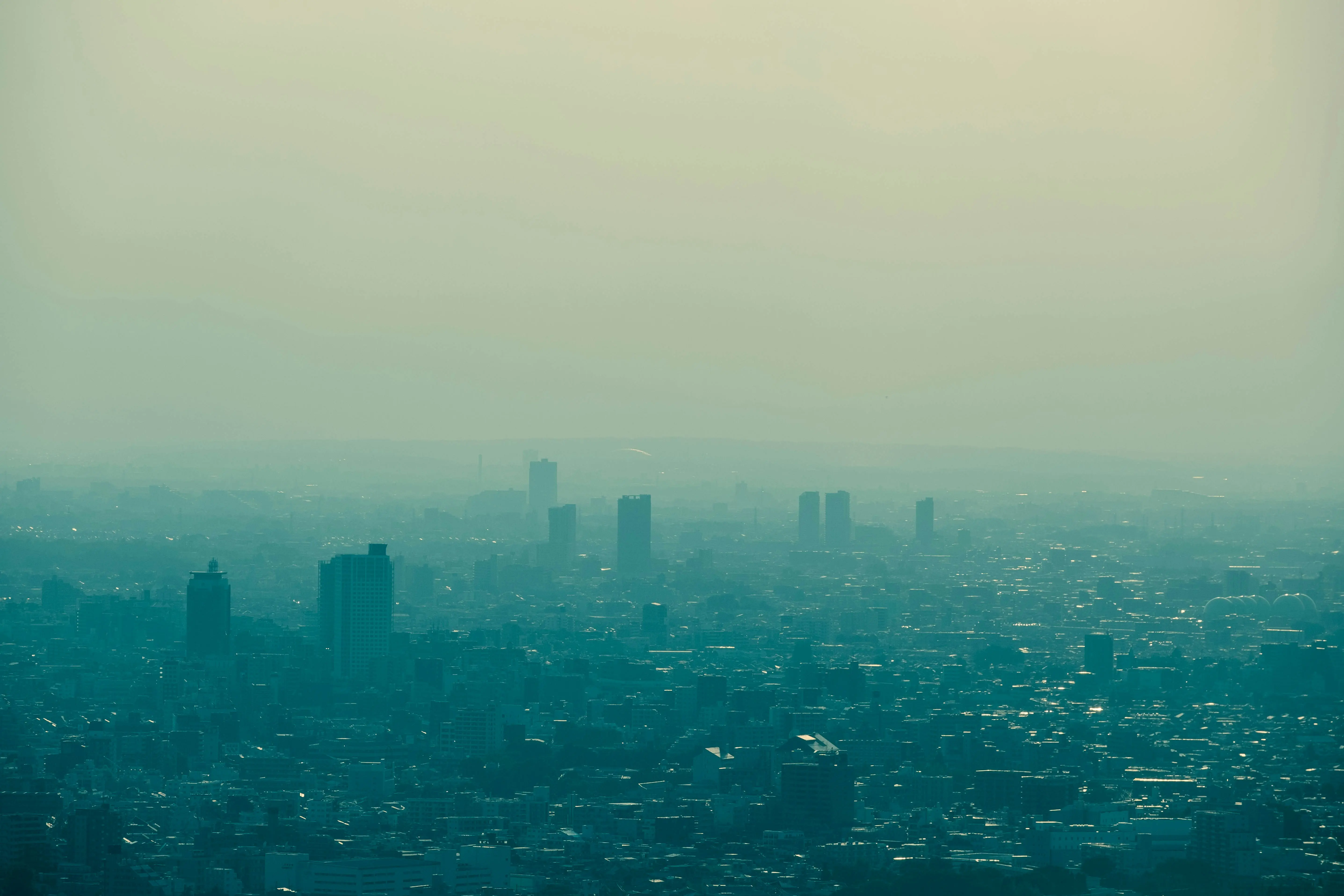
Burari – AQI 348 (Severe)
Burari’s AQI is 348, caused by vehicle emissions and heating fuel. It continues to pose health threats during winter.
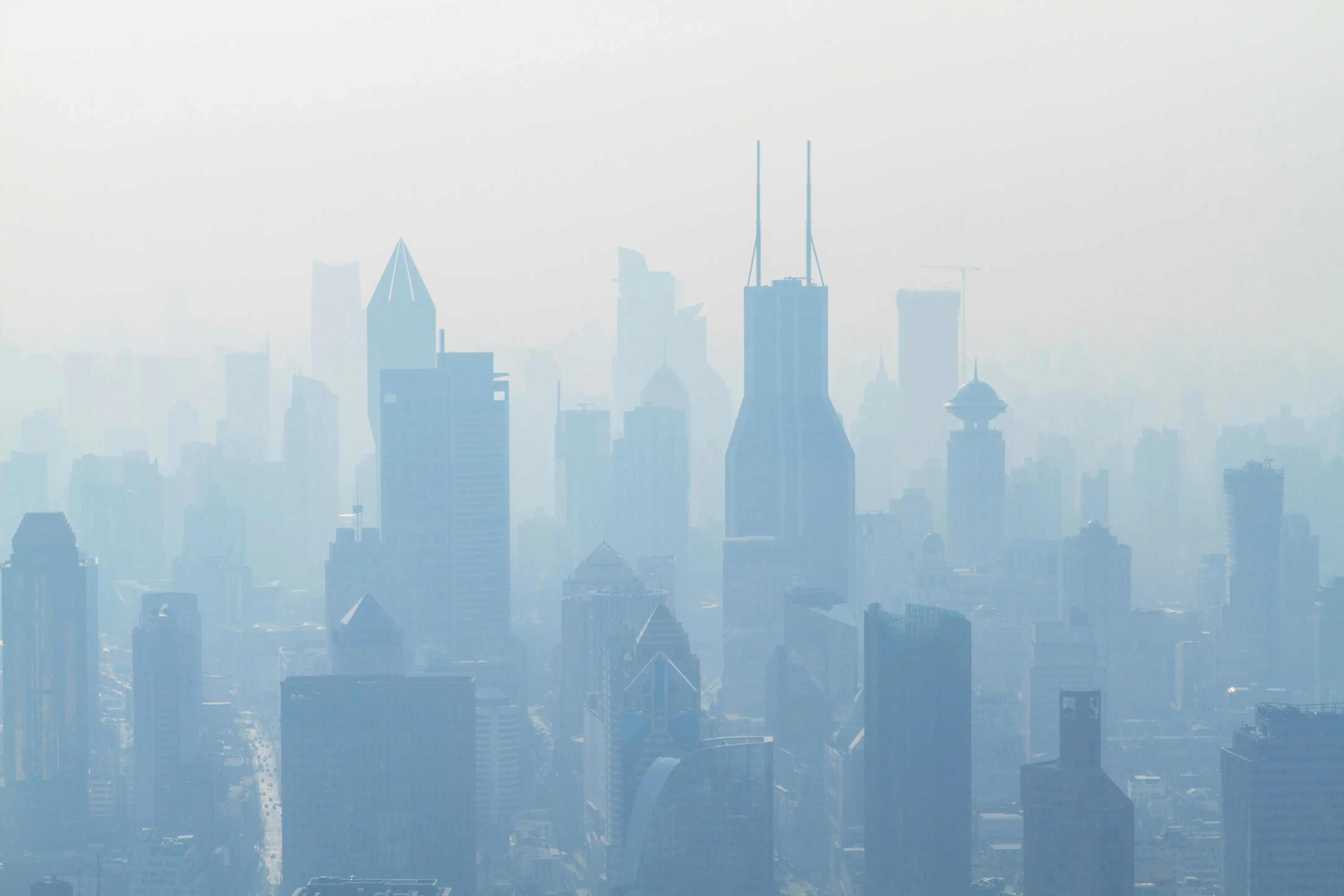
Vivek Vihar – AQI 340 (Severe)
Vivek Vihar posts an AQI of 340, mainly from traffic and road dust. Protective measures such as mask-wearing are strongly recommended.
)
)
)
)
)