Top 7 countries with the highest number of satellites in space, where does India stand?

Active satellites enable communication, navigation, weather forecasting, Earth observation and military surveillance. As of 2025, new data from satellite registries provides exact counts for nations leading in space presence.

Introduction: the orbital race today
Satellites have become the backbone of modern life, powering everything from navigation and communication to defence and climate monitoring. The global race to dominate space has intensified in recent years, with a handful of nations emerging as clear leaders in sheer numbers of operational satellites. Tracking which countries hold the largest fleets in orbit offers a striking glimpse into technological capacity, geopolitical influence, and strategic priorities. The latest data reveals the top seven nations that currently control the skies above, and India’s place among them is both significant and telling.
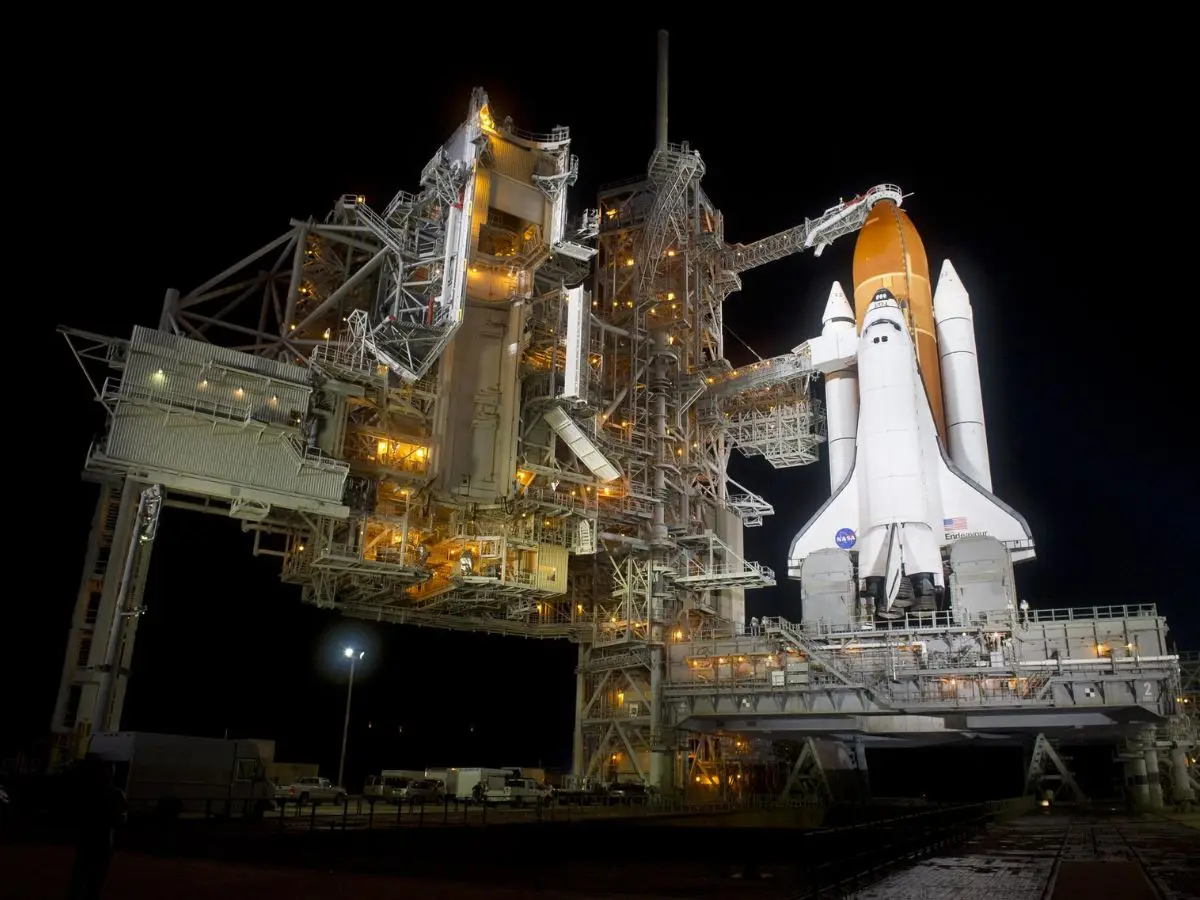
1. United States
The United States leads by a massive margin, with 8,530 satellites currently in orbit. This includes both government and private satellites, with Starlink alone contributing more than 7,400. American dominance is built on both scale and variety, spanning military, scientific and commercial applications.
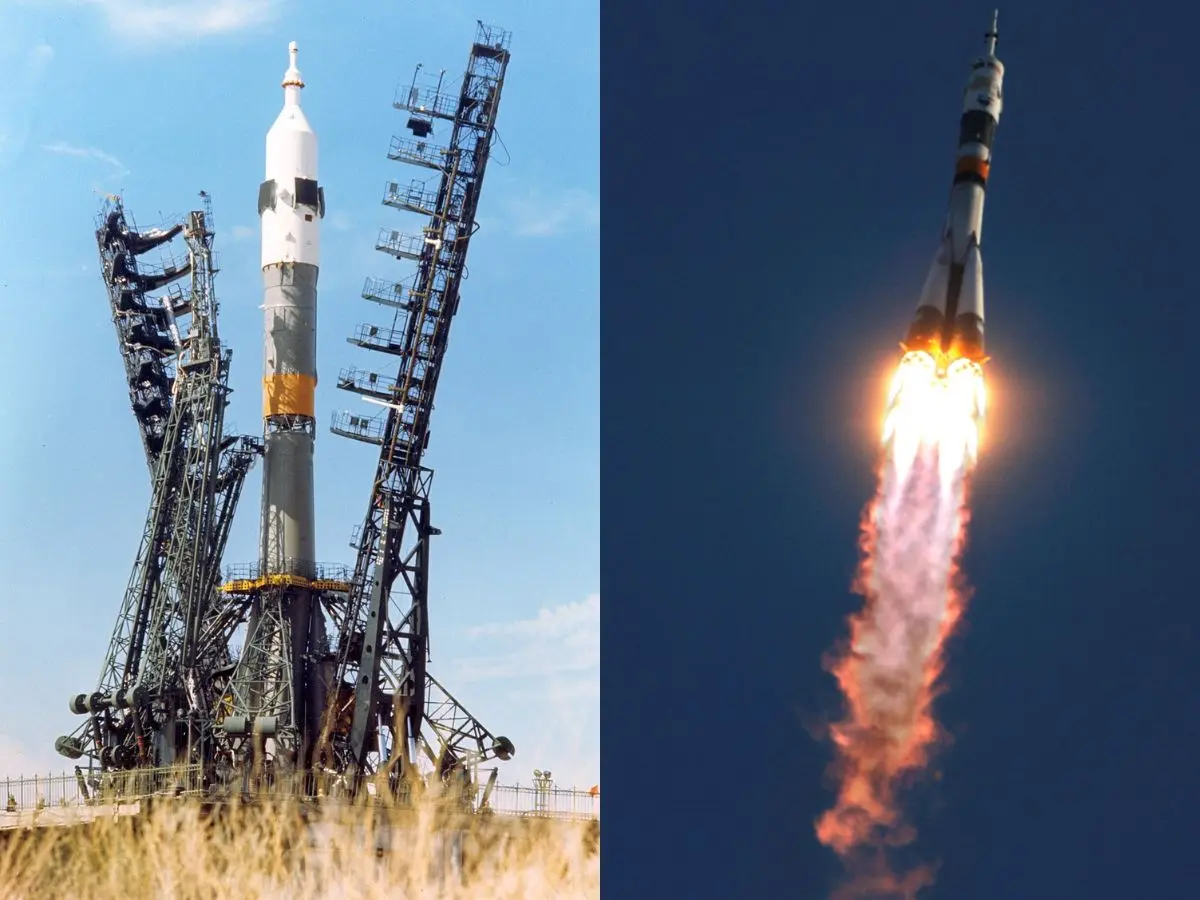
2. Russia
Russia holds the second position with 1,559 satellites in space. Its fleet is composed largely of communication, Earth observation and military satellites. National ambitions project further expansion in the coming decade, particularly in defence and navigation.
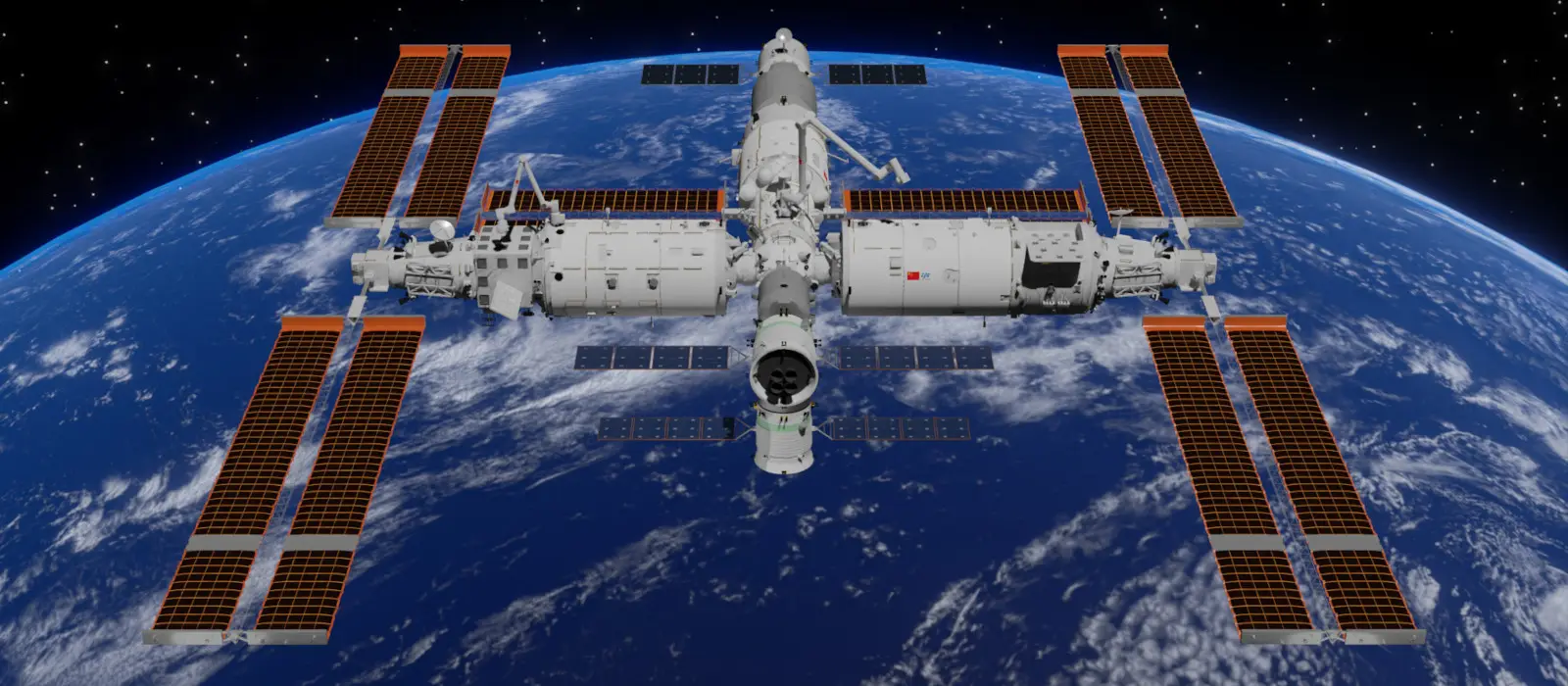
3. China
China has 906 satellites in orbit as of 2025. The fleet serves navigation through BeiDou, remote sensing, communications and defence. With frequent launches each year, China continues to challenge both Russia and the United States for influence in space.

4. United Kingdom
The United Kingdom holds fourth place with 763 satellites already in orbit. These satellites are used for intelligence, surveillance, reconnaissance, communications, science and commercial purposes, reflecting a strong private sector presence alongside government activity.
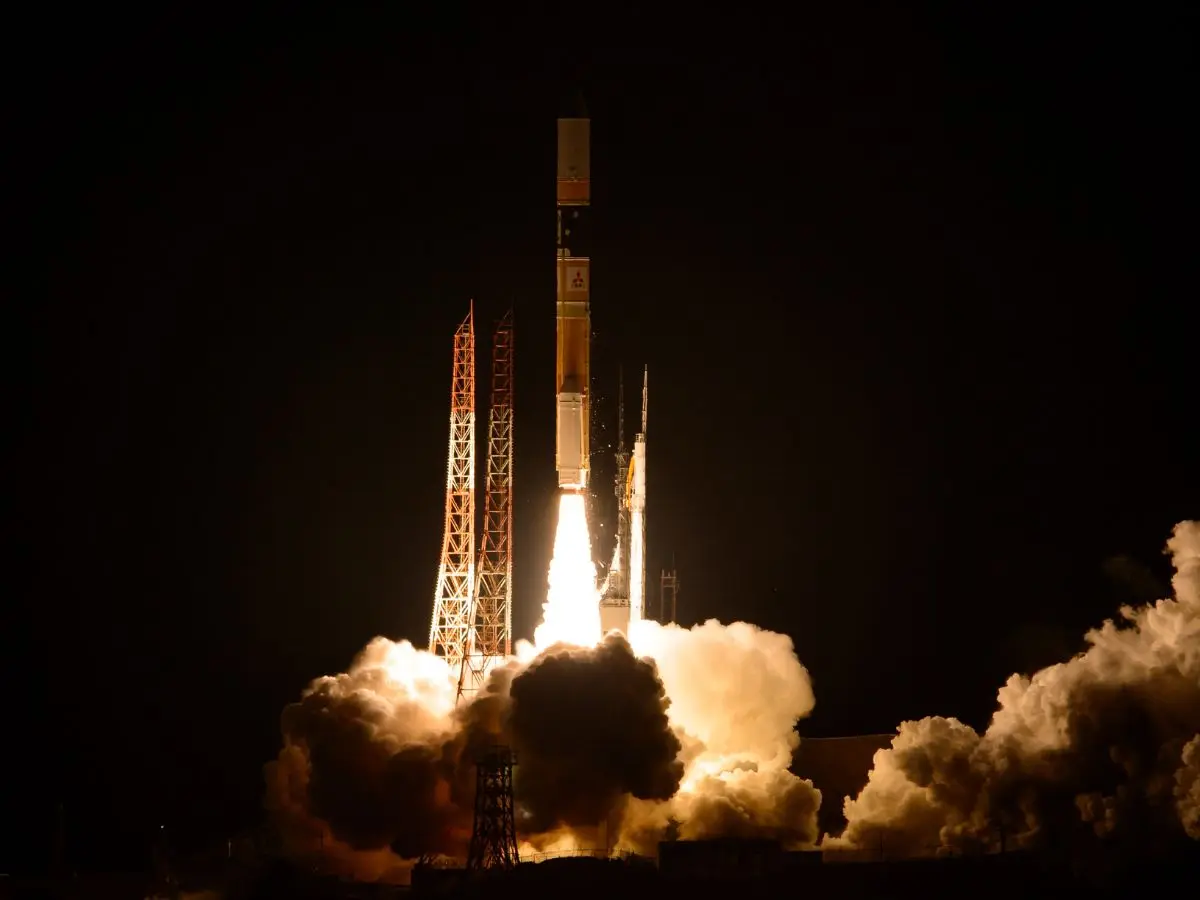
5. Japan
Japan has 203 satellites in orbit as of 2025. Its fleet covers navigation through the Quasi-Zenith Satellite System, Earth observation, science and government operations. Japan’s approach emphasises reliability and innovation across multiple sectors.
6. India
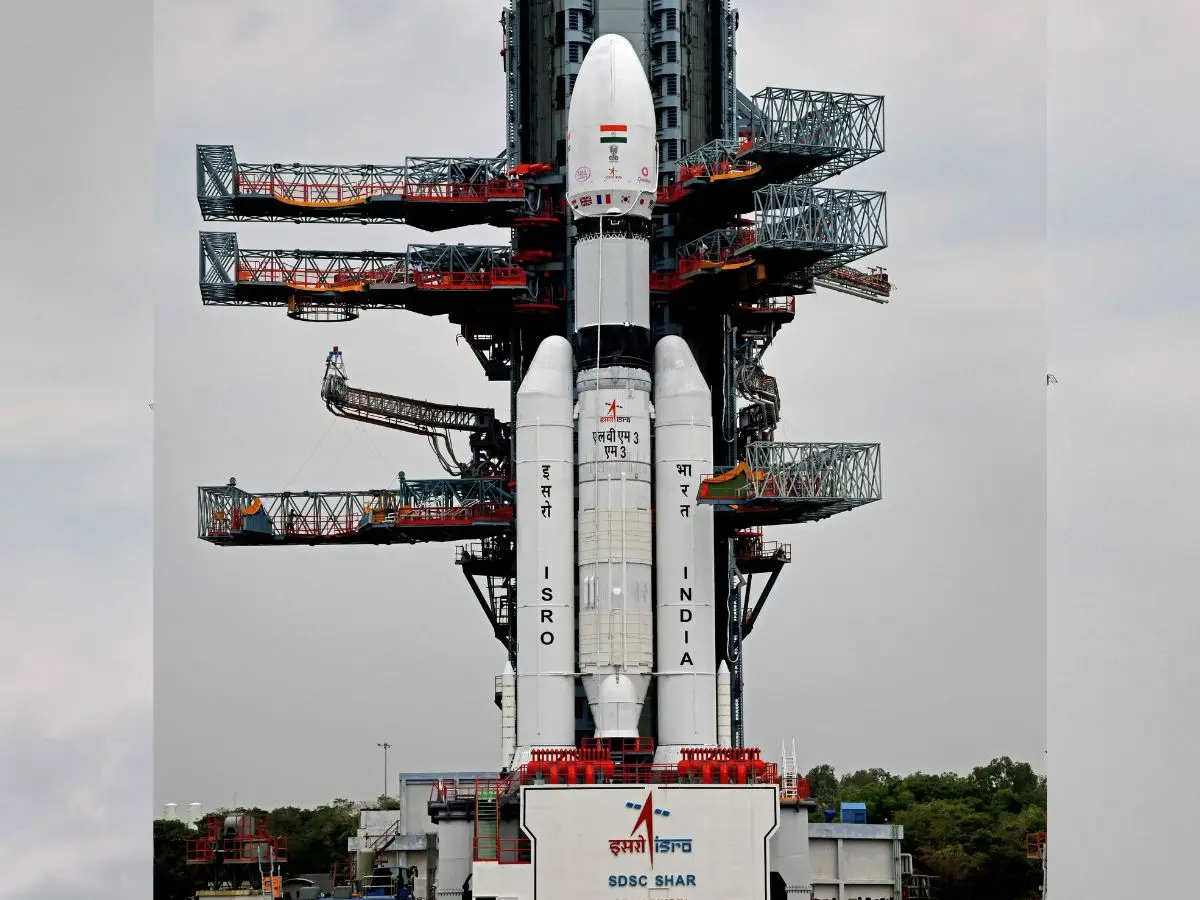
India ranks seventh among countries with most satellites in space, operating 136 satellites in orbit. The Indian Space Research Organisation, universities and private enterprises all contribute to this tally, underlining India’s growing footprint in global space activity.
7. France
France maintains more than 100 active satellites, covering military intelligence, Earth imaging and space defence demonstrations. It also partners with broader European initiatives, strengthening the continent’s collective space capability.
)
)
)
)
)