Top 7 conspiracy theories surrounding Tyler Robinson since Charlie Kirk’s murder

These theories have proliferated across social media platforms, often overshadowing verified facts. Here are seven prominent conspiracy theories that have emerged in the aftermath of Kirk's death:
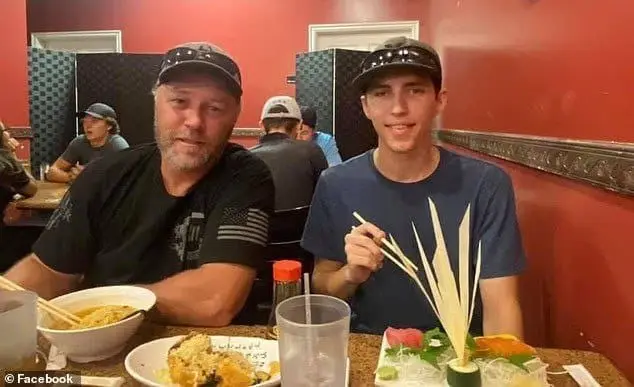
1. The "Groyper" Narrative: Right-Wing Extremist Theory
Some commentators have speculated that Robinson was a member of the "Groyper" movement, a far-right group known for its opposition to mainstream conservatism. This theory is based on bullet casings found at the crime scene, which featured phrases like “Hey fascist! Catch!” and references to internet memes. However, investigations have not substantiated this claim.
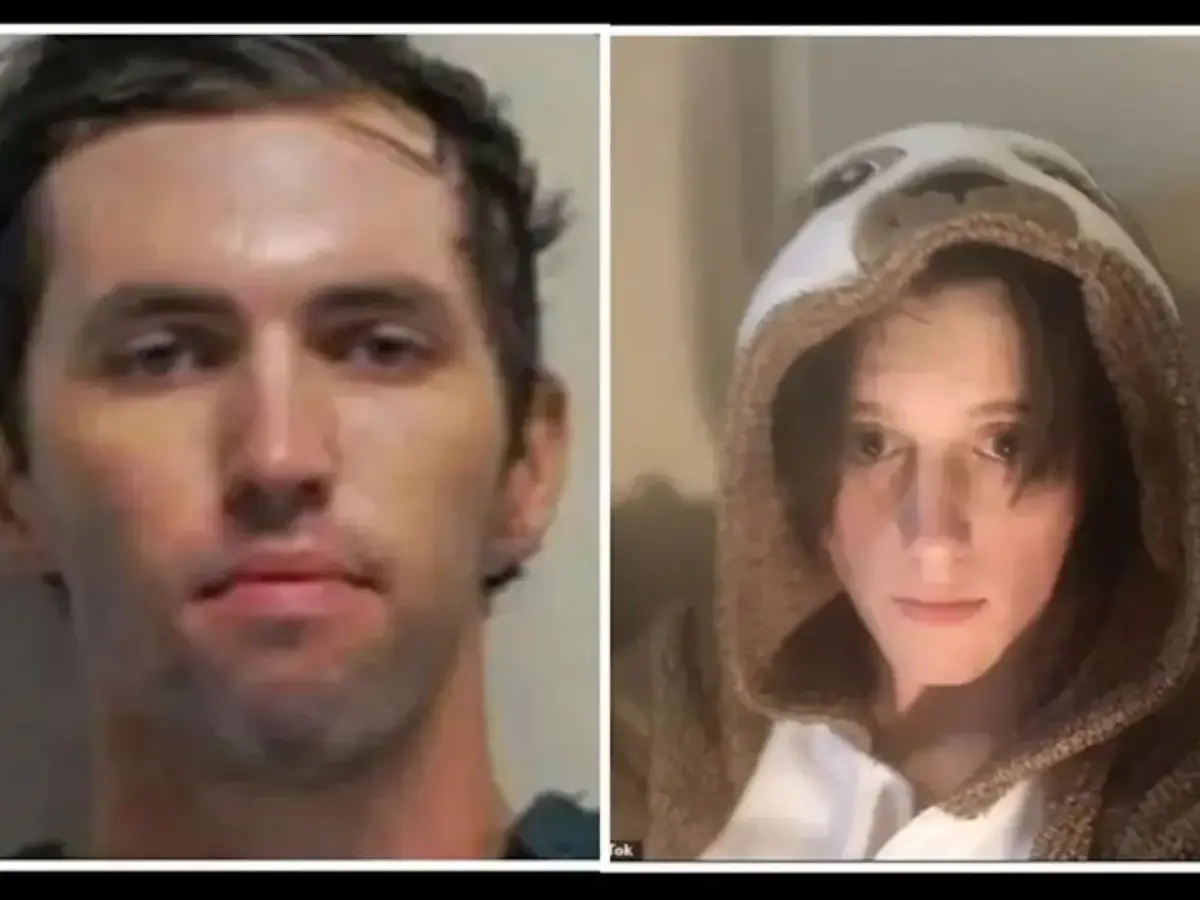
2. Left-Wing Radicalisation Theory
Contrarily, some progressives have suggested that Robinson was radicalised by left-wing ideologies, citing his alleged support for LGBTQ+ rights and his relationship with a transgender individual. These assertions are based on unverified text messages and have been criticised for lacking concrete evidence.
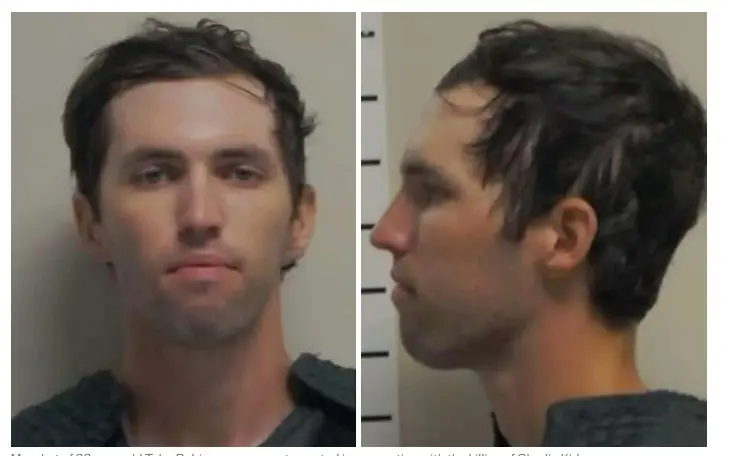
3. Discord as a Planning Platform
Texas Attorney General Ken Paxton initiated an investigation into Discord, alleging that Robinson used the platform to coordinate the assassination. However, Discord has denied these claims, stating that there is no evidence linking the platform to the crime.
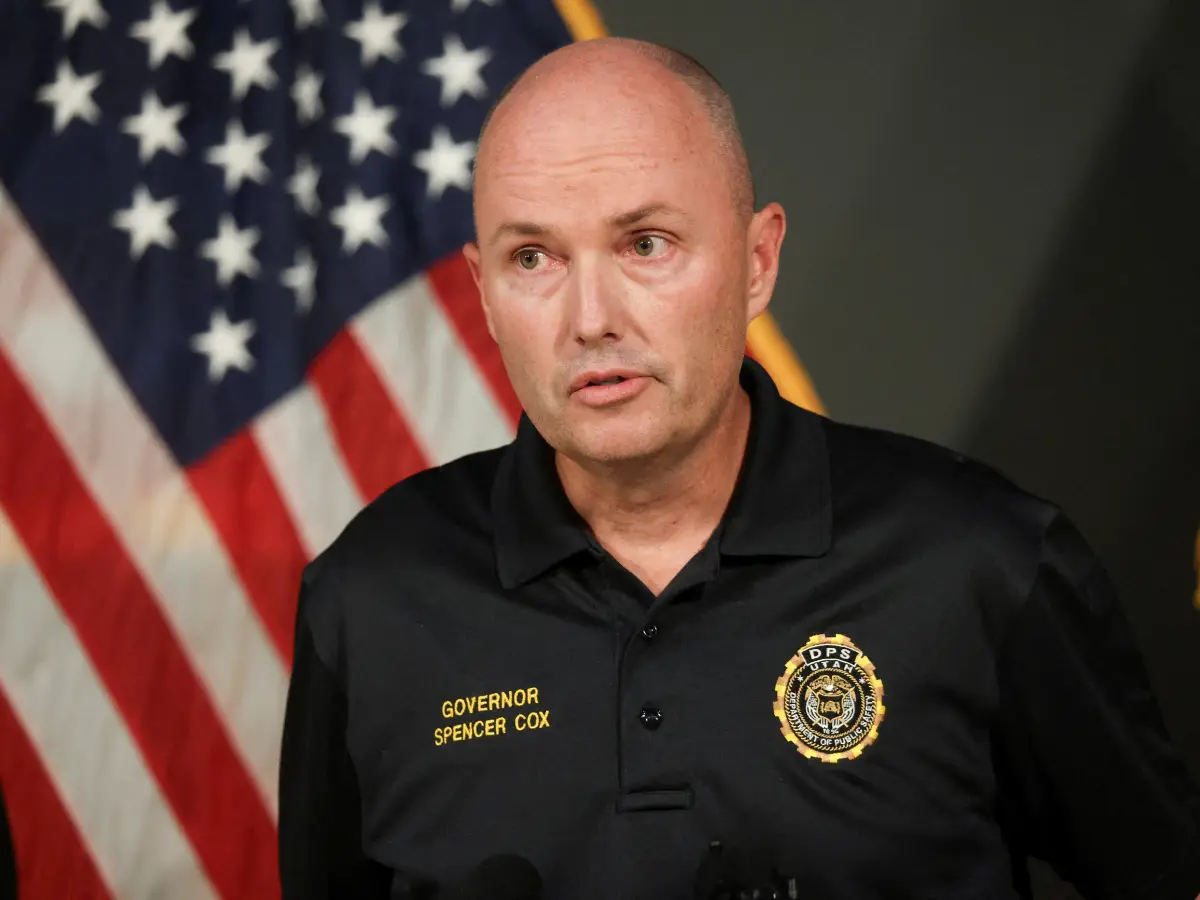
4. False Flag Operation Theory
Some conspiracy theorists have posited that the assassination was a false flag operation designed to discredit left-wing activists and justify crackdowns on progressive groups. This theory has been widely debunked by experts, who point out the lack of credible evidence supporting such claims.

5. Media Manipulation Theory
Certain media outlets have been accused of manipulating public perception by focusing on Robinson's alleged political affiliations, thereby shaping the narrative to fit specific agendas. Critics argue that this selective reporting detracts from the actual facts of the case.
6. Government Involvement Theory
There are unfounded theories suggesting that government agencies were involved in orchestrating the assassination to suppress dissenting voices. These theories often cite the swift legal proceedings and media coverage as indicative of a coordinated effort, despite the absence of any substantive evidence.
7. Cultural Symbolism Theory
Some have analysed the bullet casings found at the crime scene, noting that the engravings may reflect internet subcultures rather than political ideologies. Experts suggest that these symbols are more indicative of Robinson's online persona than any organized political affiliation.
)
)
)
)
)