Top 7 companies with the most H-1B workers revealed as Trump slaps $100,000 fee

According to Trump, the move is aimed at ensuring that the people being brought into the US are ‘actually very highly skilled’ and do not replace American workers.

Introduction: A Drastic Shift in H-1B Policy
On September 19, 2025, US President Donald Trump signed a proclamation titled “Restriction on entry of certain nonimmigrant workers”, mandating that companies applying for H-1B visas must pay USD 1,00,000 per petition if the beneficiary is outside the United States. The rule will take effect at 12:01 am EDT on 21 September 2025 and is intended to remain for 12 months, unless extended. The measure comes at a time when the United States has already reached the statutory cap of 65,000 regular H-1B visas and the additional 20,000 under the master’s exemption for Fiscal Year 2026.
Rationale Behind the Fee Increase
The White House has described the H-1B programme as one of the “most abused” parts of the immigration system. Officials argue that many firms use it to bring in cheaper foreign labour to replace American professionals. Staff secretary Will Scharf stated that this measure is designed to ensure that companies only sponsor “highly skilled and irreplaceable” workers, while critics say the proclamation risks destabilising the US technology workforce and global competitiveness.
Amazon: The Largest H-1B Employer
Amazon.com Services LLC leads the list of H-1B sponsors with 10,044 visas approved as of June 2025. The company has issued urgent guidance to employees on H-1B and dependent H-4 visas, advising them not to leave the country and, if abroad, to return before the rule’s effective date. Amazon’s reliance on international talent is vast, with H-1B workers spread across software development, logistics technology, and cloud computing (AWS). The $100,000 fee, if applied to new petitions, would impose potentially billions in additional costs for the e-commerce giant.
Tata Consultancy Services: India’s Representative at the Top
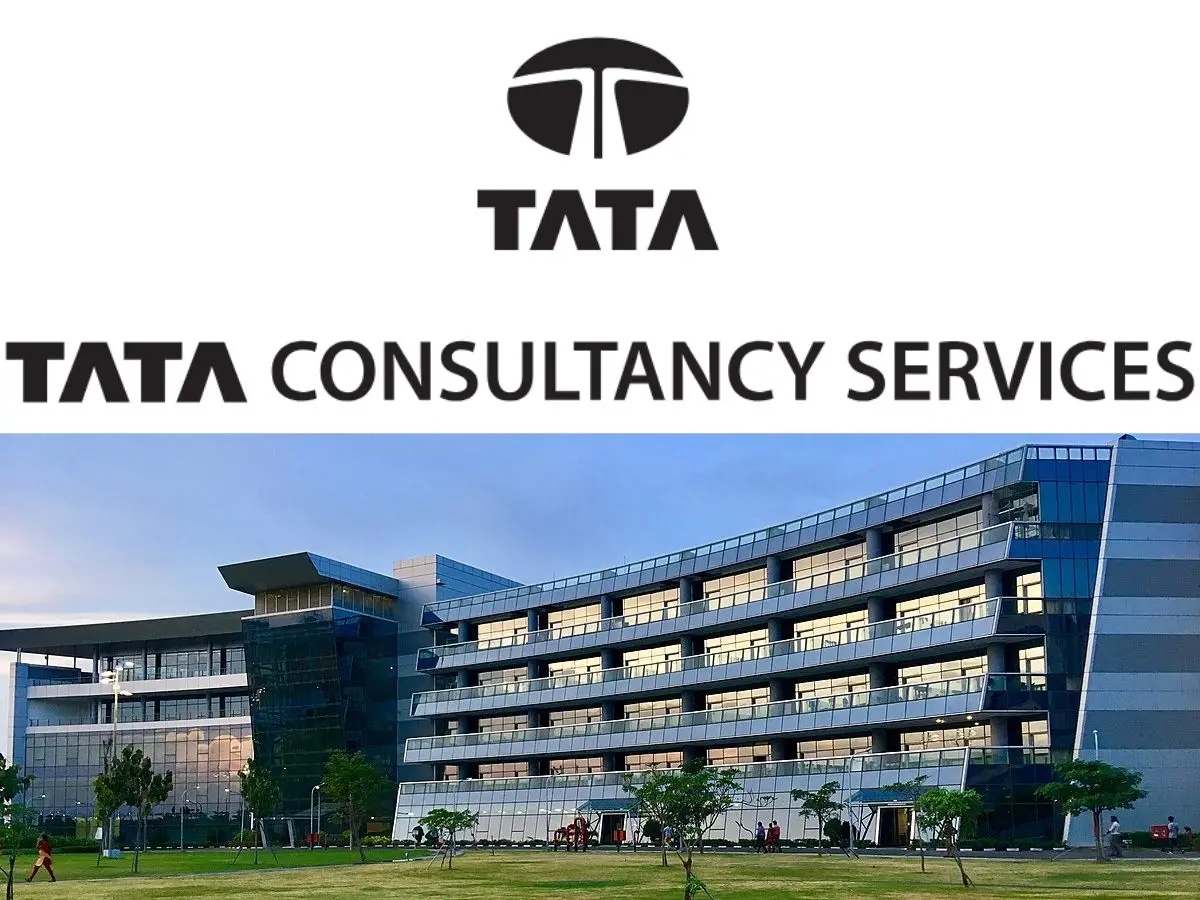
Tata Consultancy Services (TCS) ranks second with 5,505 H-1B visa approvals. As India’s largest IT services company, TCS has long been dependent on H-1B visas to staff projects in the US market. Although the dependency of Indian firms on H-1Bs has declined in recent years, they remain significant players. In total, Indian IT firms accounted for about 13,870 H-1B approvals in FY25 through June, representing 13 per cent of all visas issued. For TCS, the new fee could dramatically increase costs on projects that rely on deploying engineers and consultants to American client sites.
Microsoft: A Close Third
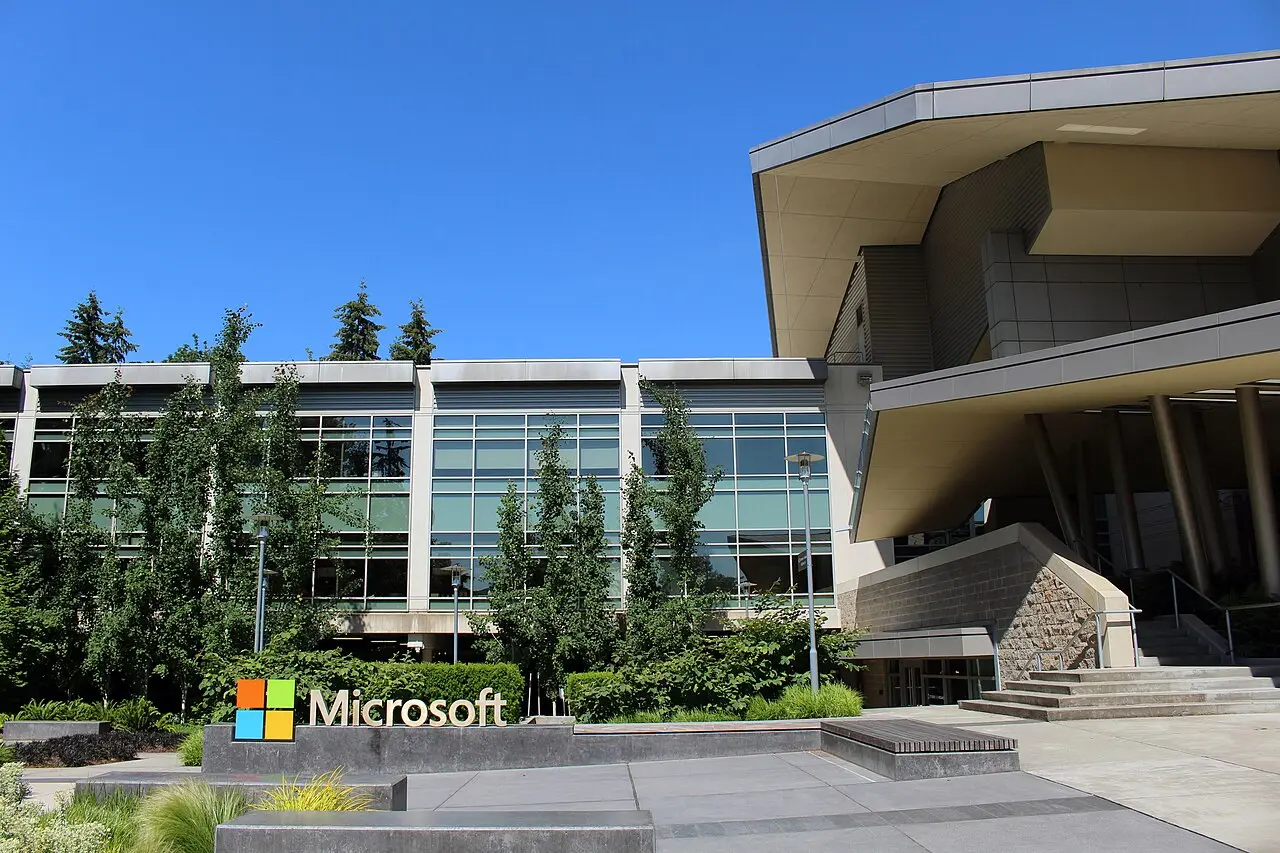
Microsoft follows with 5,189 visas approved, narrowly behind TCS. The company has similarly issued advisories to employees, urging those abroad to return before the deadline. Microsoft employs a substantial number of H-1B professionals in software engineering, research, and product development. With the company’s headquarters in Redmond, Washington, global hiring practices have historically been a strength, but the new rules could raise hiring costs and force strategic changes in workforce planning.
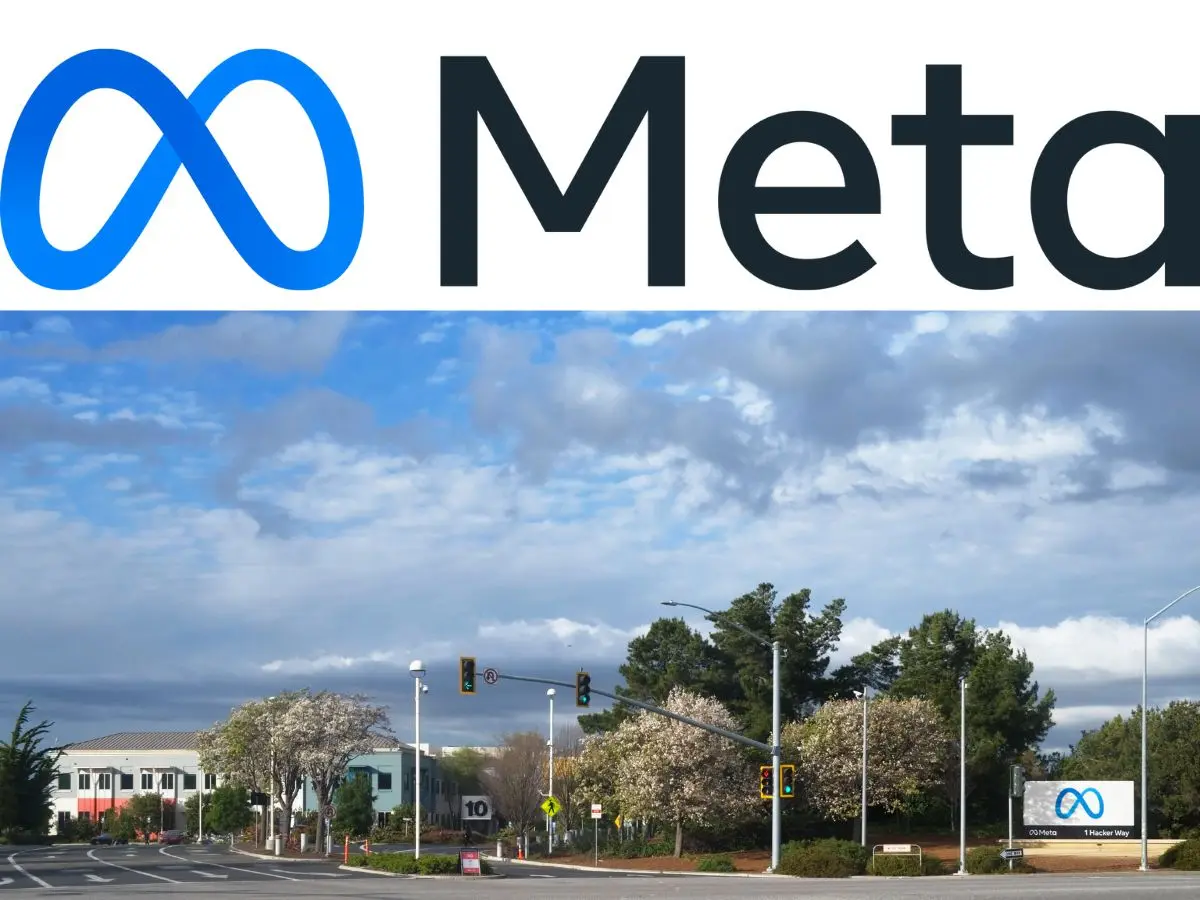
Meta and Apple: Silicon Valley’s Heavyweights
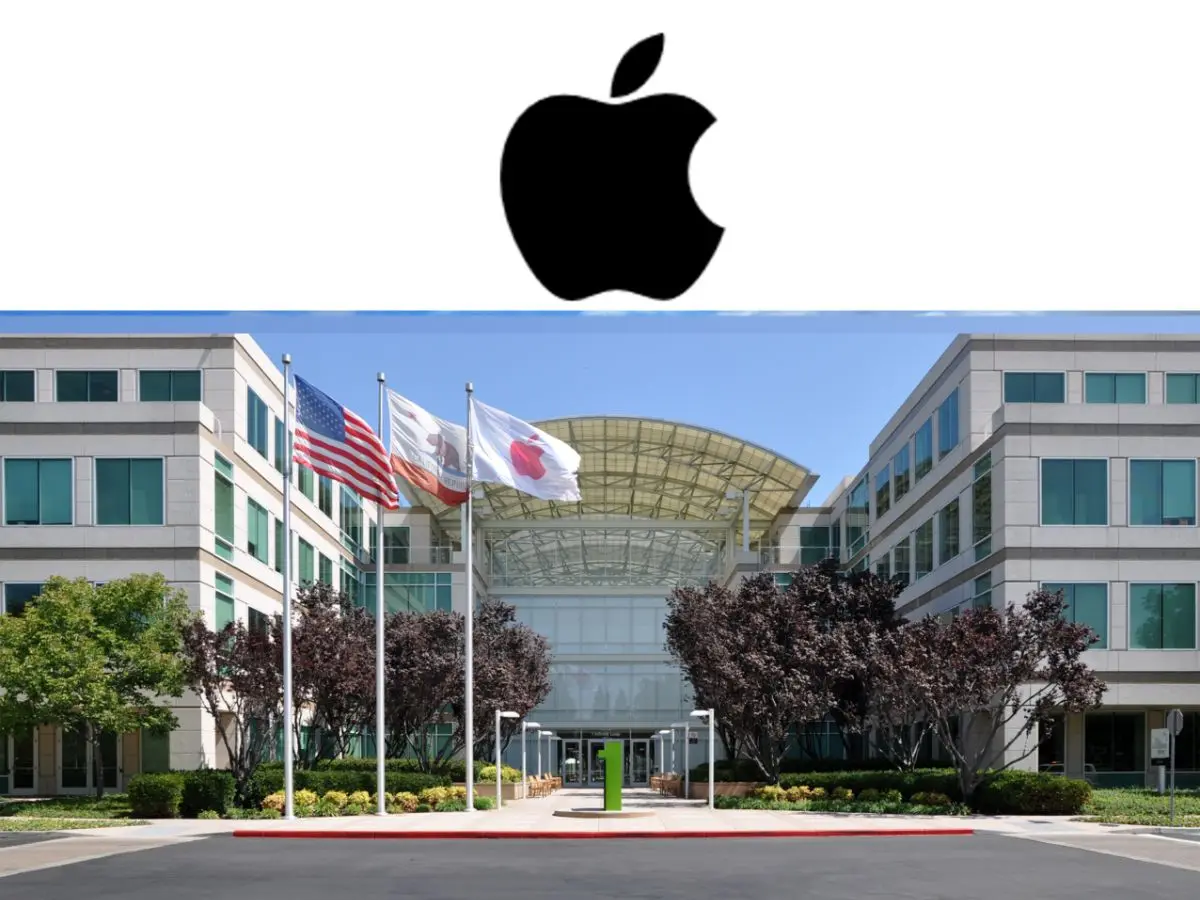
Meta Platforms secured 5,123 visas, placing it in fourth position. Its dependence on global technical talent, particularly in artificial intelligence and data science, makes it sensitive to restrictions in immigration policy. Apple Inc. follows with 4,202 visas, reflecting the company’s demand for hardware and software engineers.
Google at 6th position
Google LLC holds 4,181 visas, supporting its core businesses in search, cloud computing, and AI. Each of these Silicon Valley companies has built its innovation pipelines on access to highly skilled workers from around the world, and the new fee risks slowing their talent acquisition.
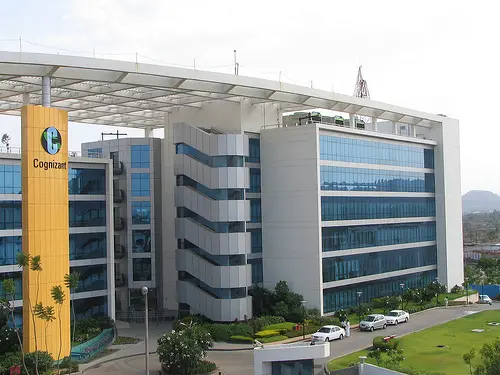
Cognizant Technology Solutions
Cognizant Technology Solutions, though headquartered in New Jersey, was originally founded in Chennai, India, and remains deeply reliant on international talent. It secured 2,493 visas in FY25 through June.
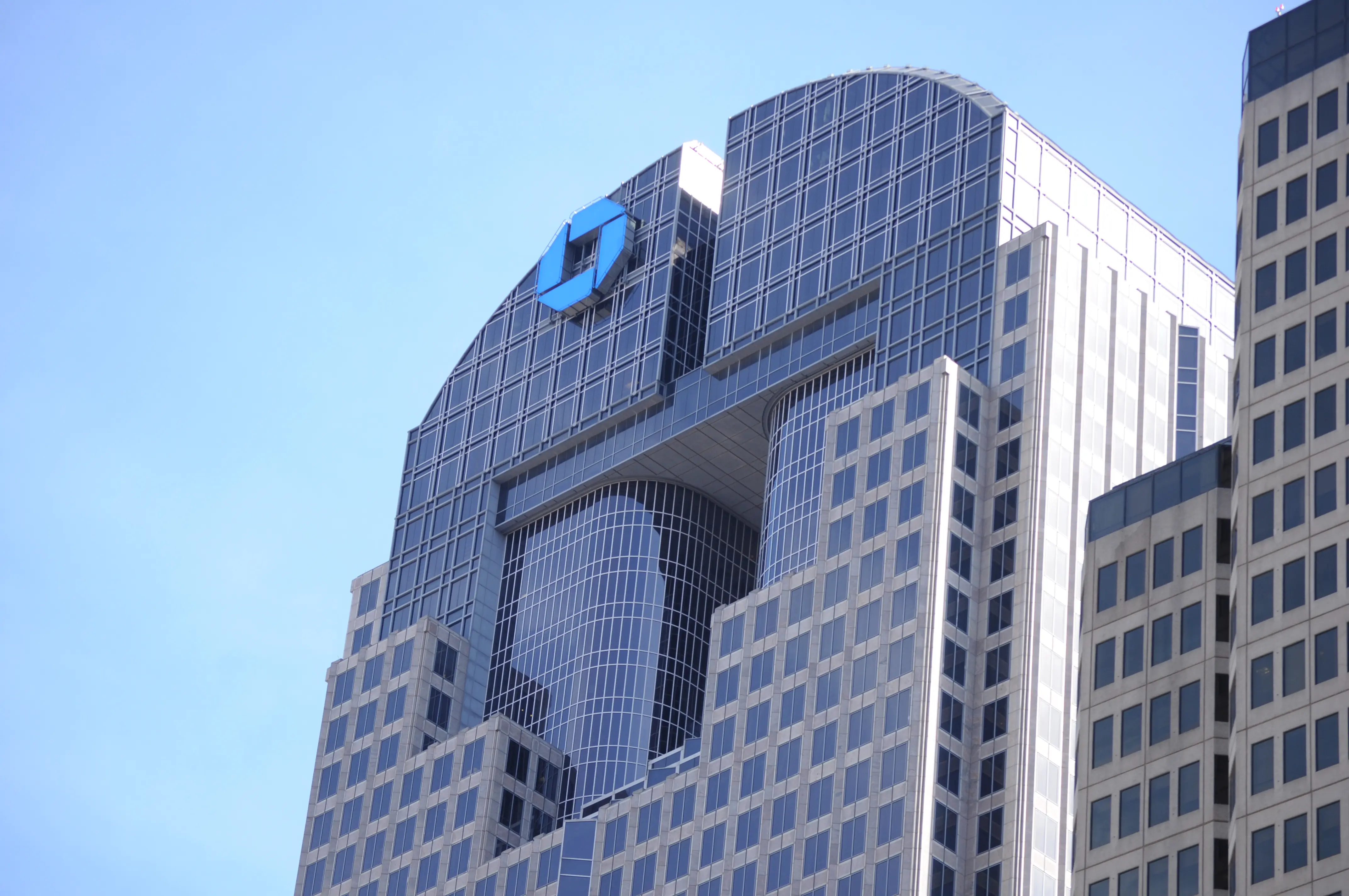
JP Morgan
JP Morgan Chase & Co follows closely with 2,440 visas, proving how global banks also depend on specialised foreign professionals in technology and quantitative finance. The financial sector’s use of H-1Bs demonstrates that the impact of the proclamation is not limited to Silicon Valley but extends across US industry.
)
)
)
)
)