Top 7 coal consuming countries in the world driving global energy demand: Check India's rank

China is the largest coal consumer in the world as of 2026, accounting for over 50 per cent of global consumption, followed by India and the United States. Together with other Asian nations, these countries dominate global demand. Let's have a look at the top 7 list.
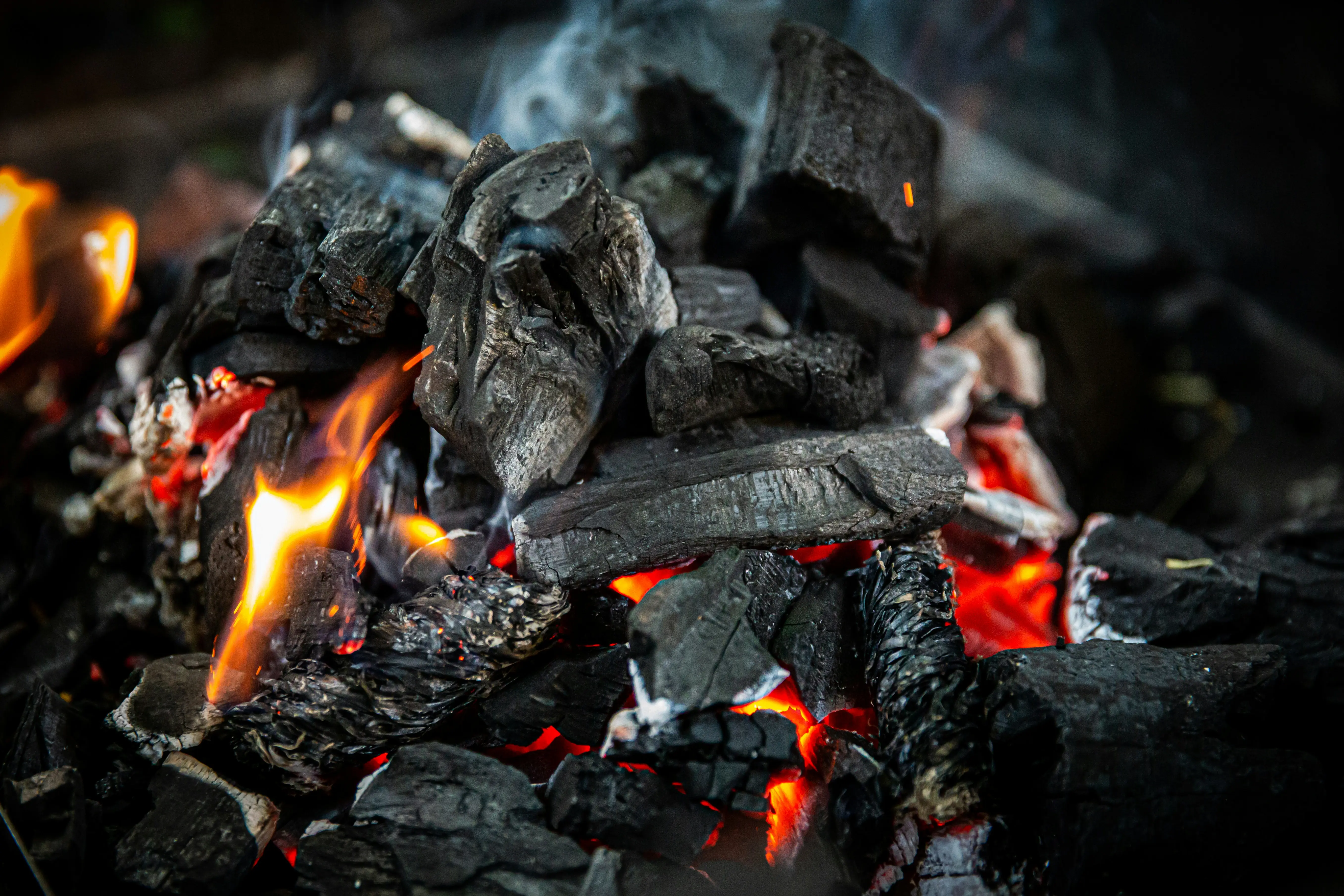
1. China (5,191,000,000 mt)
China leads the world by a massive margin in coal consumption, driven by its vast industrial sector and extensive power generation needs. Coal remains the backbone of the Chinese energy mix, essential for steel, cement, and electricity production, consuming a total amount of 5,191,000,000 mt. Despite significant investments in renewable energy, the sheer scale of China's economic activity continues to necessitate this high level of coal dependency, according to Global Fire Power.
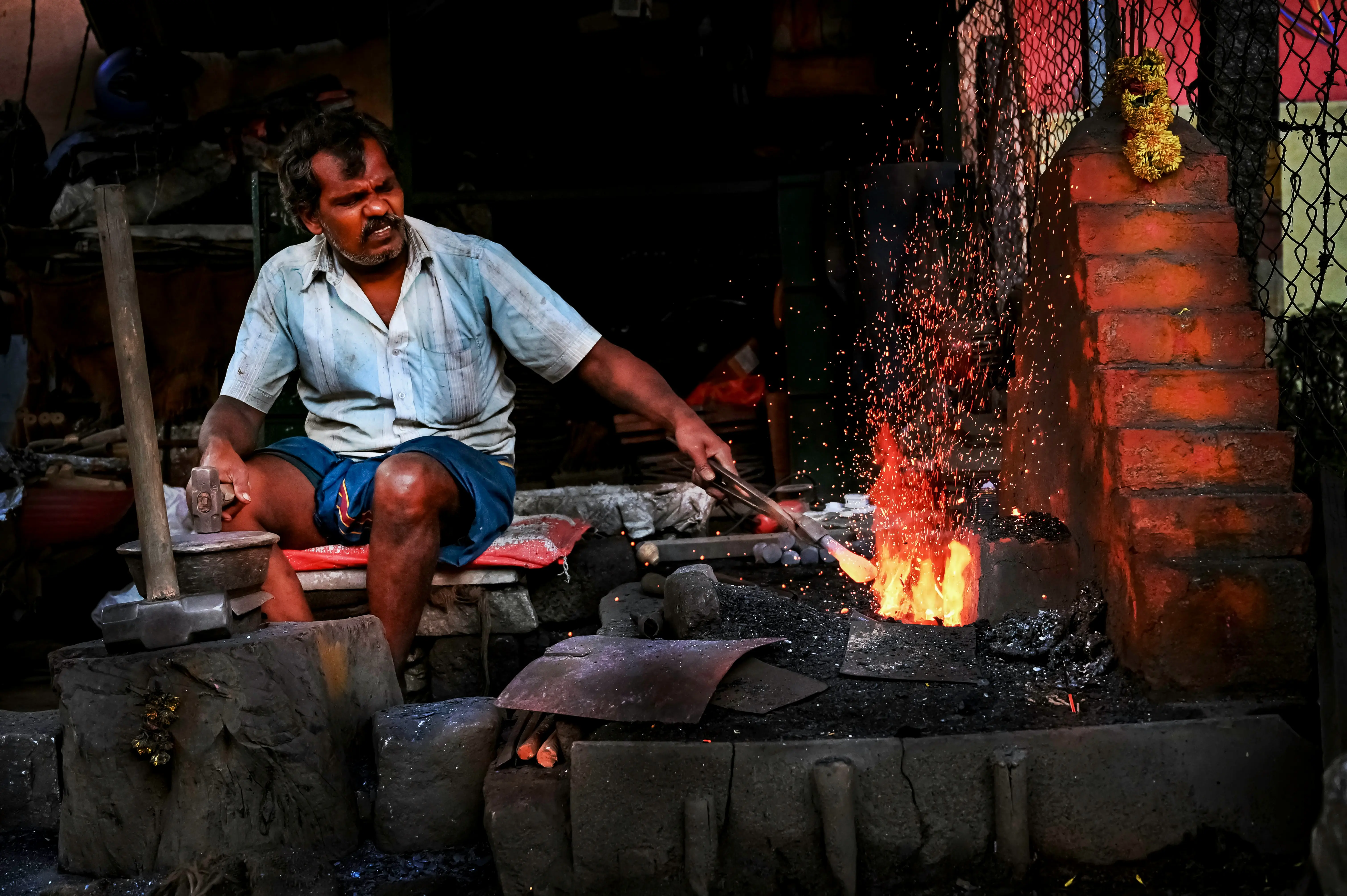
2. India (1,262,000,000 mt)
India holds the second position, reflecting its rapid urbanisation and growing industrial base. Coal is critical for meeting India’s surging demand for reliable electricity, especially for grid stability. While India is aggressively scaling up solar and wind capacity, coal remains indispensable for its baseload power requirements to fuel its economic expansion and development goals over the coming decade.
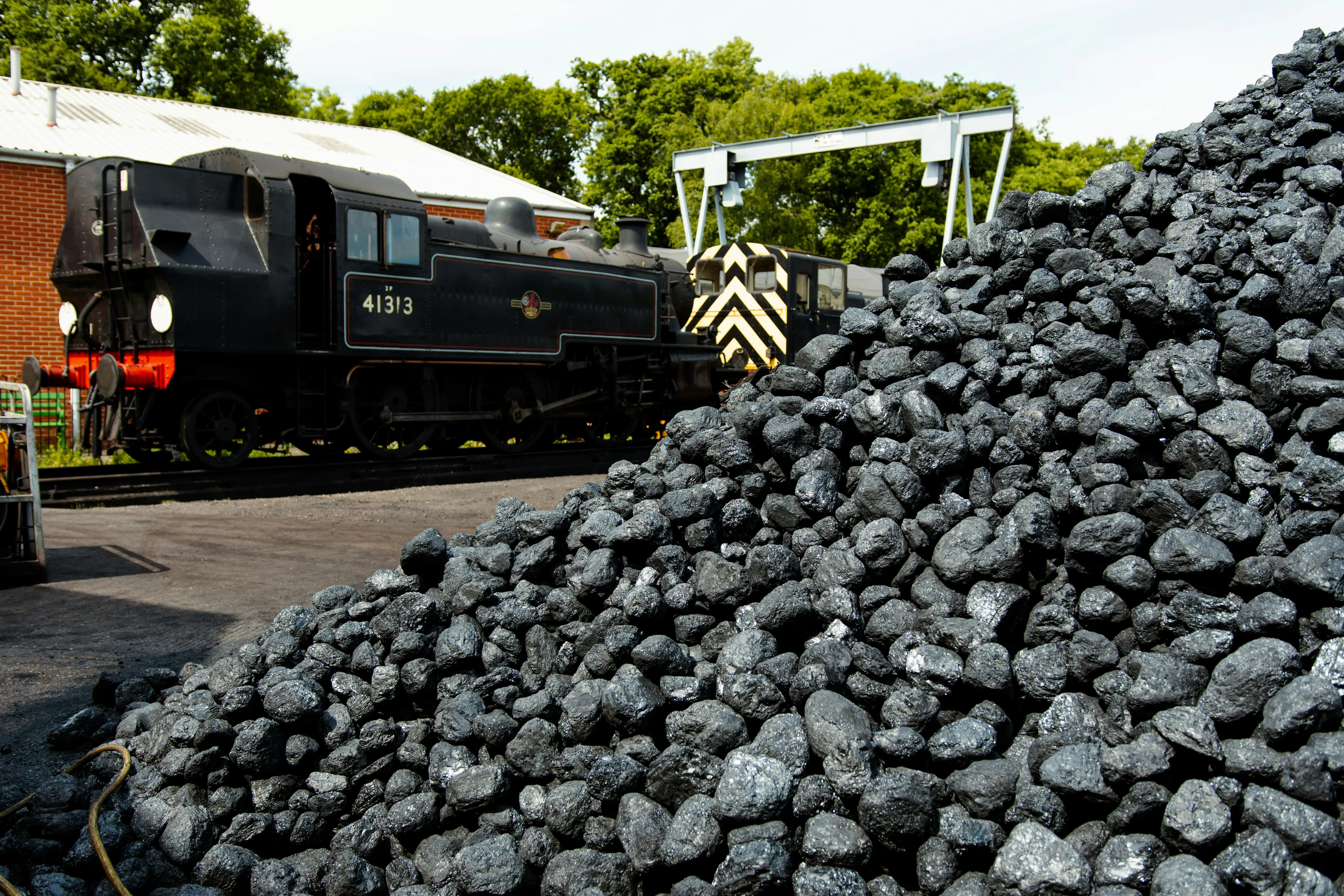
3. United States (495,156,000 mt)
The United States ranks third, though it has seen a consistent decline in coal usage over the last decade. A significant shift toward natural gas and renewable energy sources has reduced coal's role in the American energy grid. Despite this structural transition, coal continues to play a role in powering legacy thermal plants across various parts of the country.

4. Russia (290,763,000 mt)
Russia’s position reflects its massive internal energy requirements and significant domestic coal reserves. As a major global energy producer, Russia utilises coal extensively for electricity and heating, particularly in regions where natural gas infrastructure is less centralised. Its vast resource base ensures coal remains a stable and accessible component of the domestic energy security strategy and industrial output.
5. Indonesia (281,159,000 mt)
Indonesia is both a global giant in coal production and a major consumer. Its consumption is primarily fueled by rapid industrial growth and the urgent need for electricity to power its expanding population and economy. With coal being a relatively affordable and abundant resource domestically, it remains the primary driver for Indonesia's expanding energy infrastructure and power grid.
6. Japan (197,612,000 mt)
As a resource-scarce nation, Japan relies heavily on energy imports. Following significant shifts in its energy policy, coal has remained a reliable baseload power source. Japan balances its commitment to technological efficiency with the practical reality of maintaining stable electricity supplies for its advanced manufacturing and urban centres, making coal a necessary part of its current energy portfolio.

7. South Africa (176,095,000 mt)
South Africa’s energy landscape is profoundly centred on coal, which provides the vast majority of the country's electricity. The reliance on this resource is deeply embedded in the national infrastructure. While there is significant pressure to modernise and diversify the energy grid, coal remains the primary source for meeting the basic electricity needs of its population and industrial sector.
)
)
)
)
)