Top 6 hotly disputed international borders of the world and why

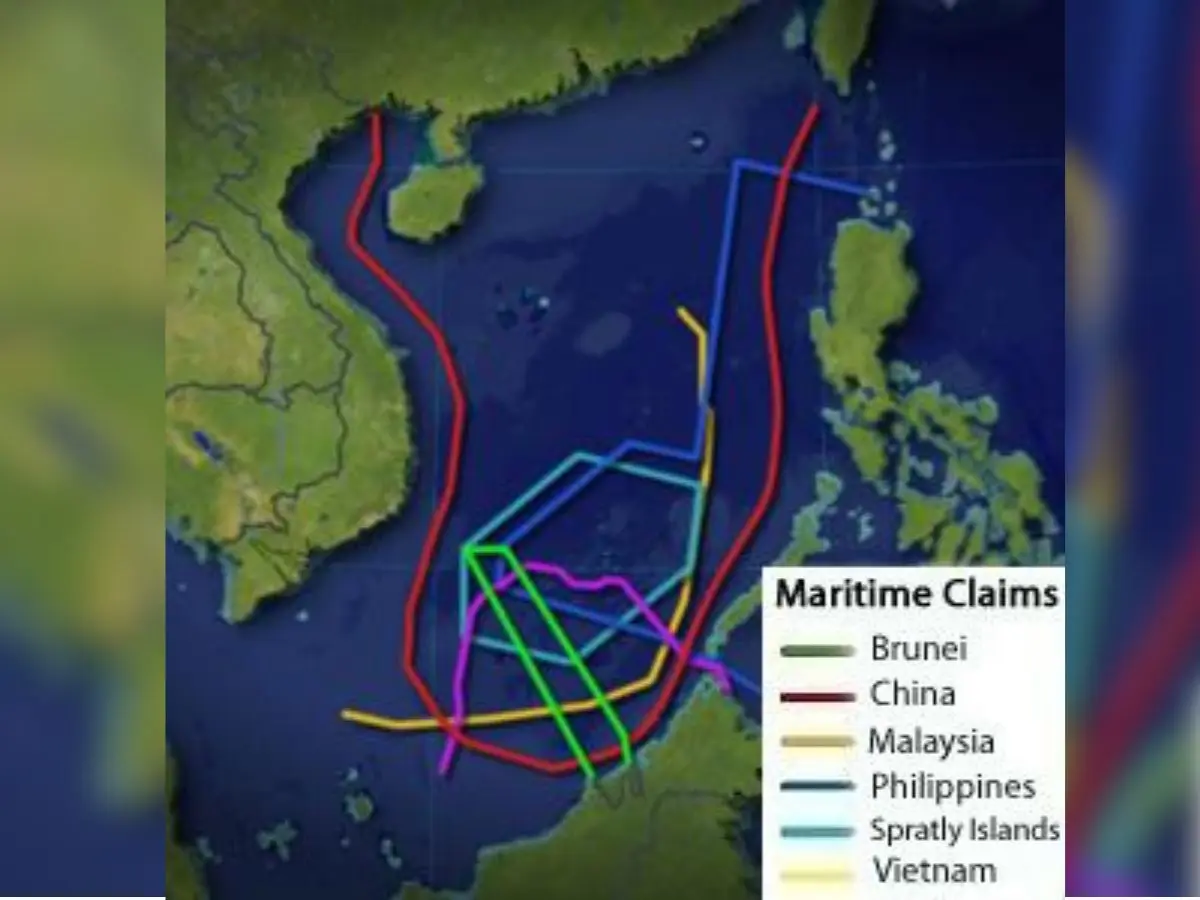
The South China Sea is one of the world's most contested maritime regions, with overlapping territorial claims from China, Vietnam, the Philippines, Malaysia, Brunei, and Taiwan.
Introduction
Several international borders remain at the centre of geopolitical tensions, with historical claims, strategic interests, and national identities fuelling disputes. These flashpoints not only threaten regional stability but also have global implications. Here are 7 of the most contentious borders today:
1. South China Sea – Multiple Claimants
The South China Sea is one of the world's most contested maritime regions, with overlapping territorial claims from China, Vietnam, the Philippines, Malaysia, Brunei, and Taiwan. The area is crucial for global shipping routes, fishing grounds, and potential underwater mineral resources. In September 2025, tensions escalated as China continued its militarisation of artificial islands and conducted military exercises, prompting concerns from neighbouring countries and the international community.
2. Kashmir – India and Pakistan
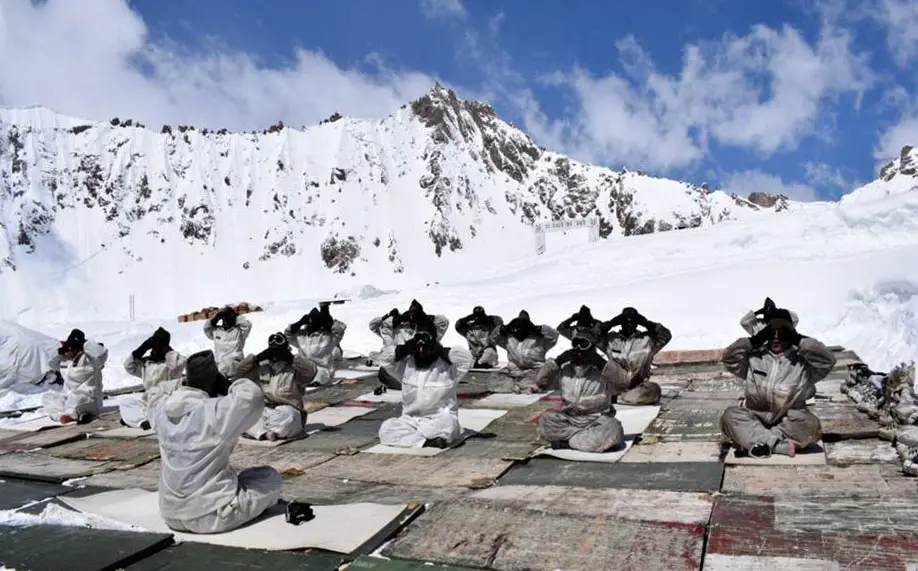
The Kashmir region remains a longstanding flashpoint due to Pakistan’s continued support for cross-border terrorism and attempts to challenge India’s sovereignty. While India administers the majority of the territory, Pakistan has historically backed militant infiltration and violent attacks aimed at destabilising the region. The 2025 Pahalgam attack, which claimed the lives of 26 innocent tourists, is a stark reminder of Pakistan-sponsored terrorism targeting civilians. The Line of Control (LoC) remains heavily militarised to prevent such incursions, and despite India’s repeated efforts at peace and dialogue, Pakistan’s actions continue to undermine stability in the region.
3. Senkaku (Diaoyu) Islands, East China Sea
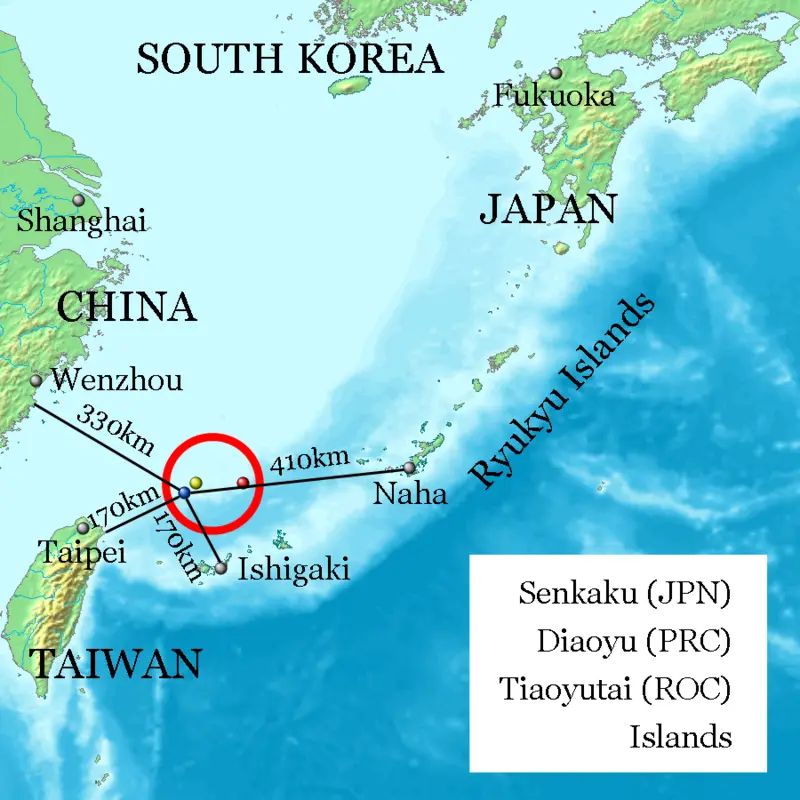
The Senkaku Islands (known in China as the Diaoyu Islands) are a small group of uninhabited islets in the East China Sea, yet they have become a major point of regional tension. While Japan currently administers the islands, China claims them as part of its territory. The dispute escalated after the discovery of potential oil and natural gas reserves in the surrounding waters, increasing the strategic and economic stakes. In 2012, the Japanese government’s purchase of one of the islands from a private owner sparked widespread protests and anti-Japanese riots across China. Analysts warn that, given China’s growing assertiveness and military presence in the region, the Senkaku/Diaoyu dispute could escalate further, potentially affecting maritime security and regional stability in East Asia.
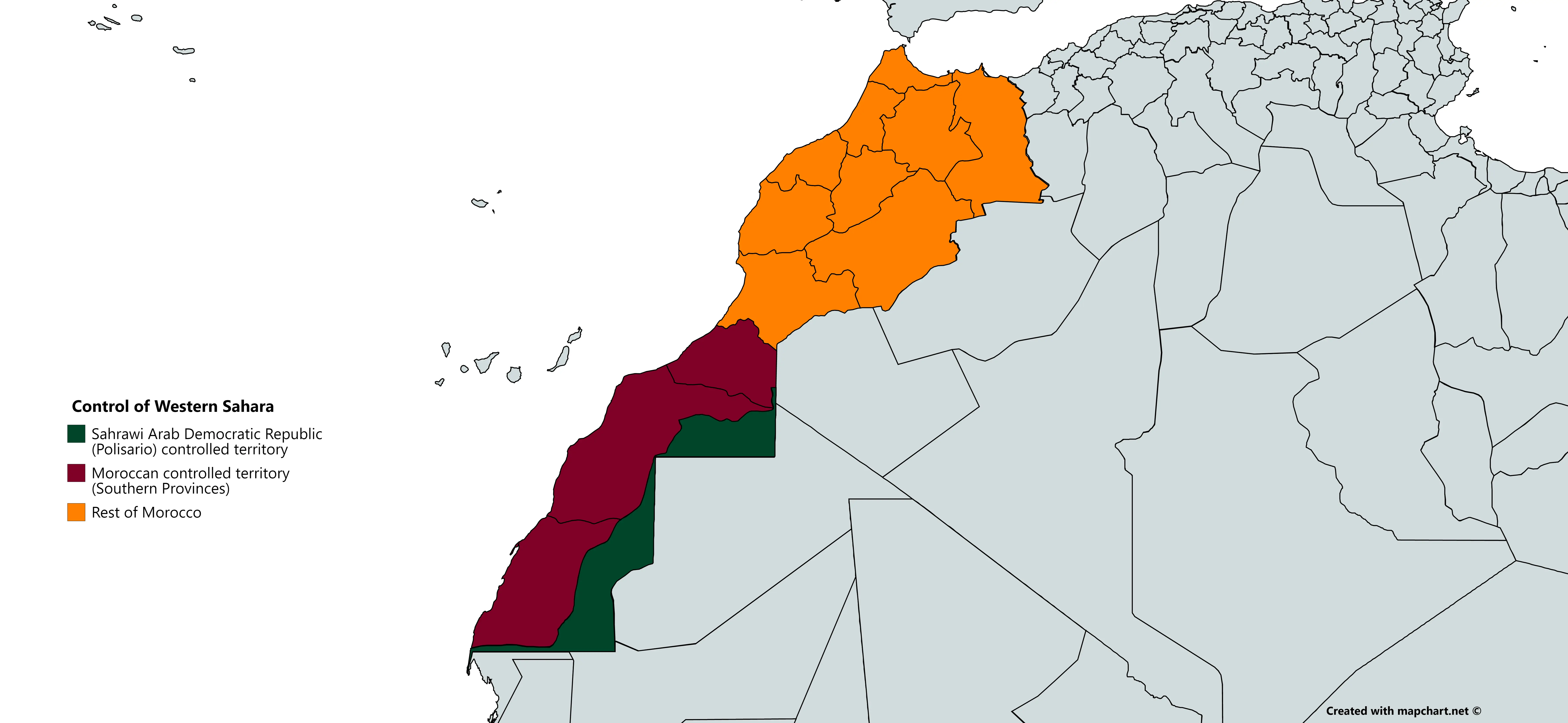
4. Western Sahara – Morocco and the Sahrawi Arab Democratic Republic
The status of Western Sahara remains unresolved, with Morocco controlling most of the territory and the Sahrawi Arab Democratic Republic seeking independence. The region's rich natural resources and strategic location have made it a focal point for regional and international actors. Despite efforts by the United Nations to broker a solution, the conflict persists, with periodic flare-ups of violence and diplomatic tensions.
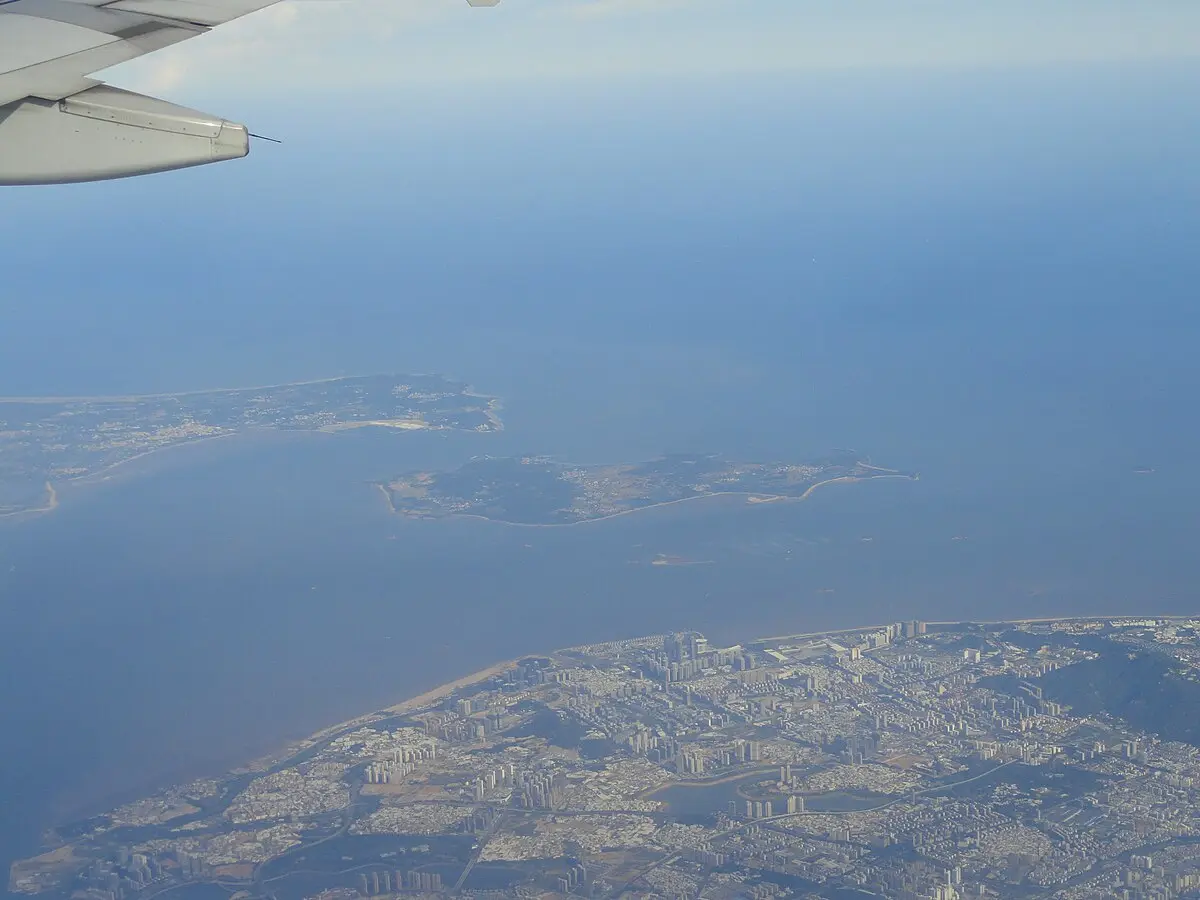
5. Taiwan Strait – China and Taiwan
The Taiwan Strait remains a significant flashpoint in East Asia. China views Taiwan as a breakaway province and has not ruled out the use of force to achieve reunification. Taiwan, with support from the United States and other allies, maintains its sovereignty. In 2025, military drills and diplomatic tensions have heightened fears of a potential conflict, with the international community closely monitoring developments.
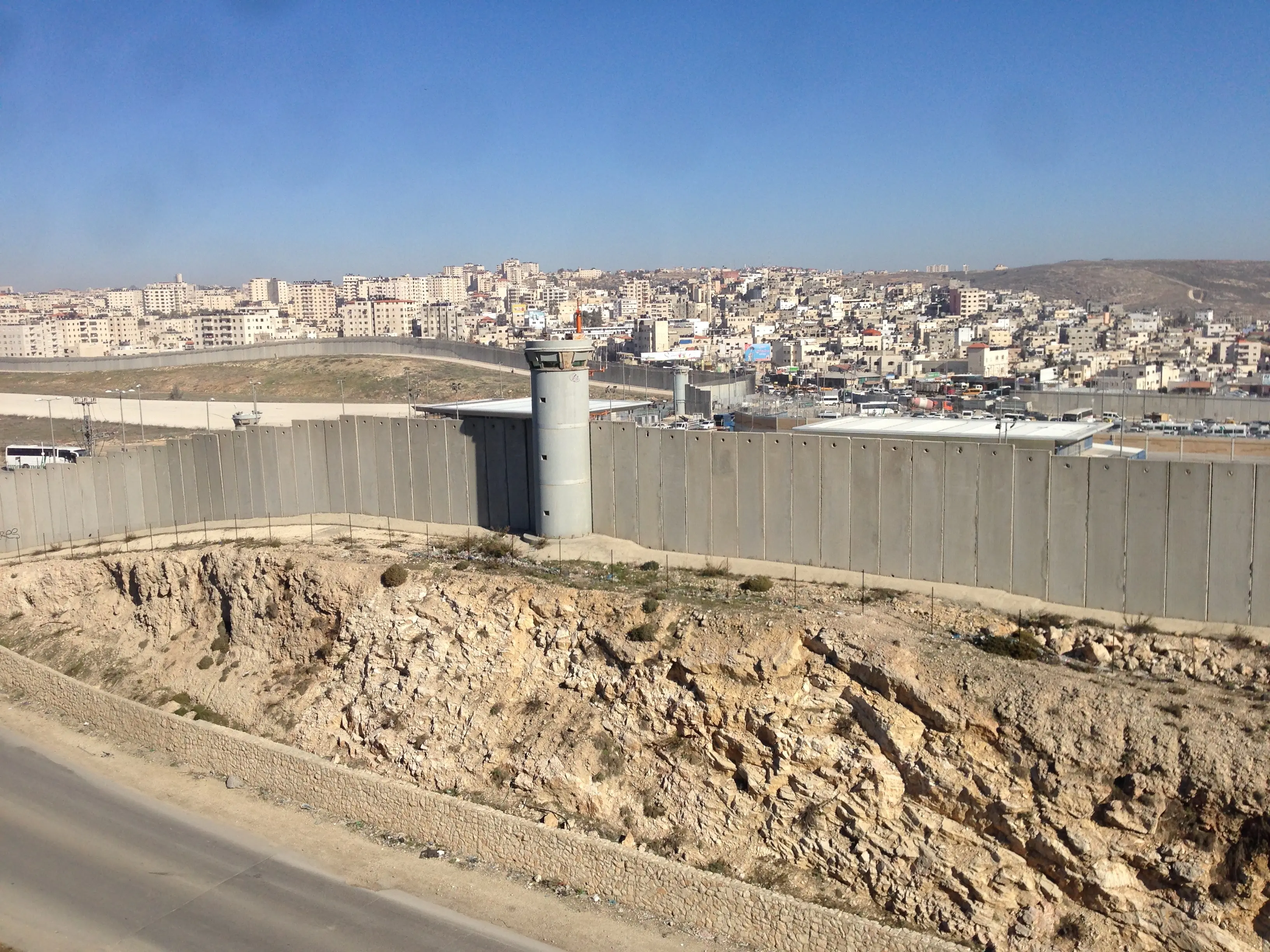
6. Israel–Palestine
The Israel-Palestine conflict centers on territorial disputes, with both sides claiming Jerusalem as their capital. The establishment of Israeli settlements in the West Bank and the blockade of Gaza have exacerbated tensions. Despite numerous peace initiatives, a lasting resolution remains elusive, and violence sporadically flares up, affecting both Israeli and Palestinian civilians.
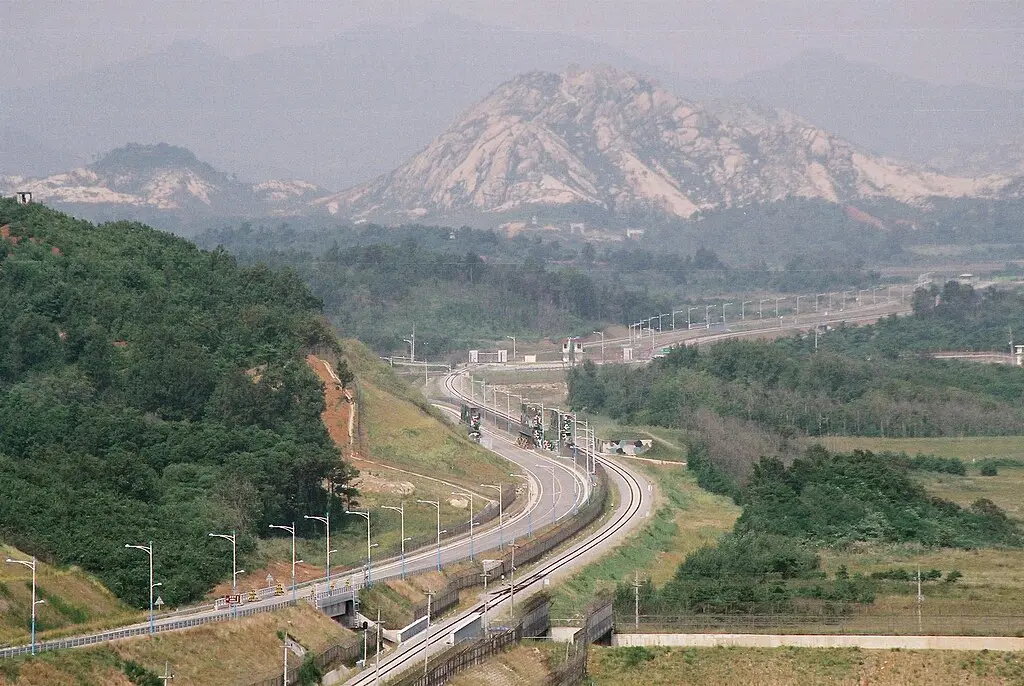
7. North Korea–South Korea (Demilitarized Zone)
The Korean Peninsula remains divided along the 38th parallel, with North and South Korea technically still at war since the 1953 armistice. The heavily fortified Demilitarized Zone (DMZ) serves as the buffer, but occasional military provocations and diplomatic engagements continue to characterize inter-Korean relations.
)
)
)
)
)