Top 5 weak spots in Thailand’s border that Cambodia could exploit

Thailand’s border with Cambodia faces 5 key weak spots, which include forest gaps, disputed temple zones, and limited air cover. Ongoing clashes highlight serious risks if these vulnerabilities are not fixed. Find out all the facts below.
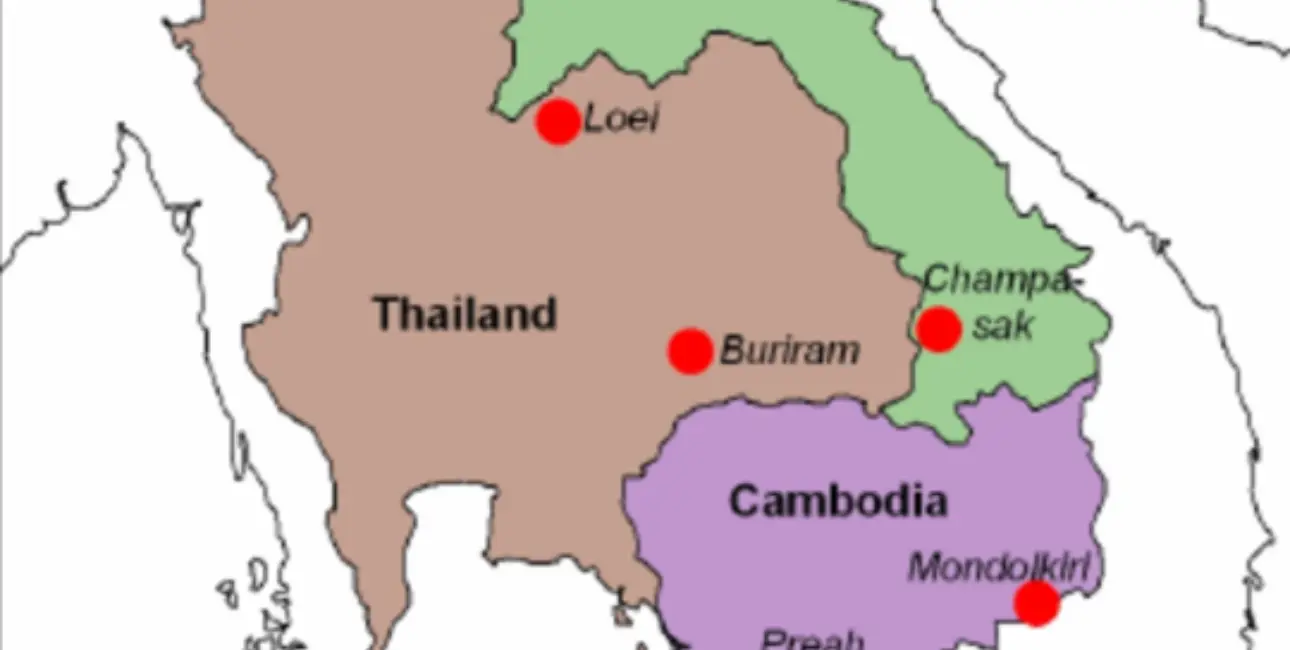
The Thailand-Cambodian border
The Thai-Cambodian border is more than 800km long, stretch across six provinces. Reports say clashes erupted recently at six separate spots near ancient temples like Ta Muen Thom, causing civilian deaths and the closure of all border crossings. Much of the zone is forested and isolated, which complicates defence.
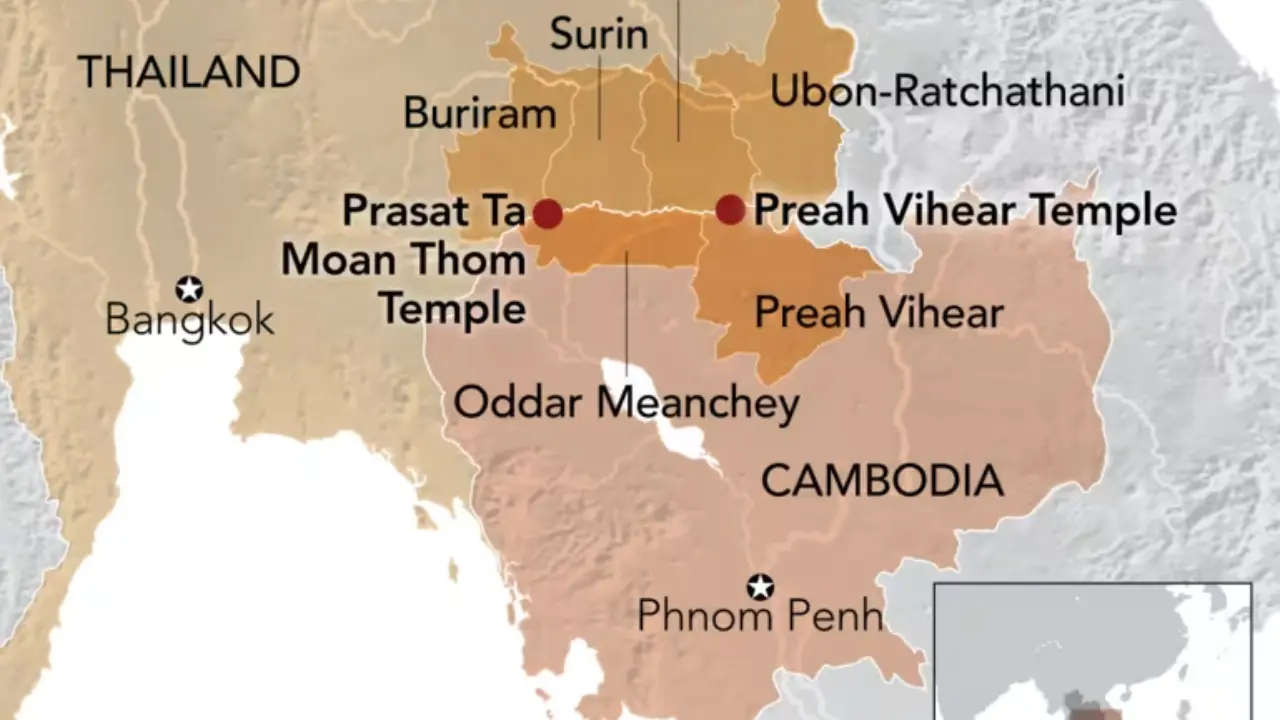
Gap 1 - Isolated and porous forest areas
Thailand’s long, forested stretches - especially in Surin, Srisaket, and Ubon Ratchathani are very tough to patrol. Cambodian forces have uses infantry and drones to exploit these gaps, slipping into Thai territory for surprise attacks. Satellite images reveal new tent camps and artillery emplacements here, showing the ongoing build-up.
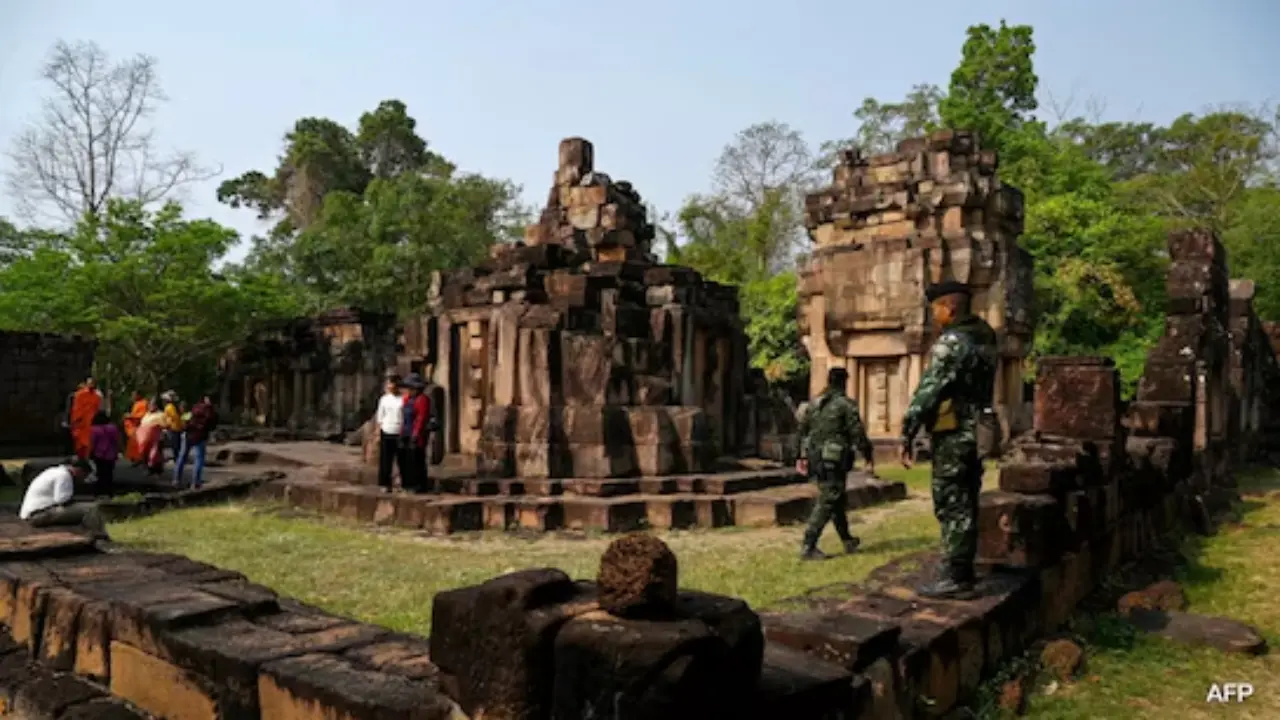
Gap 2 - disputed temple zones
Temples like Prasat Ta Muen Thom and Preah Vihear, near the border, are flashpoints. Both sides claim the land. These sites are hard to defend due to their terrain and historic disputes. Clashes in july 2025 saw both armies exchange fire here, making these sites likely targets if fighting escalates.
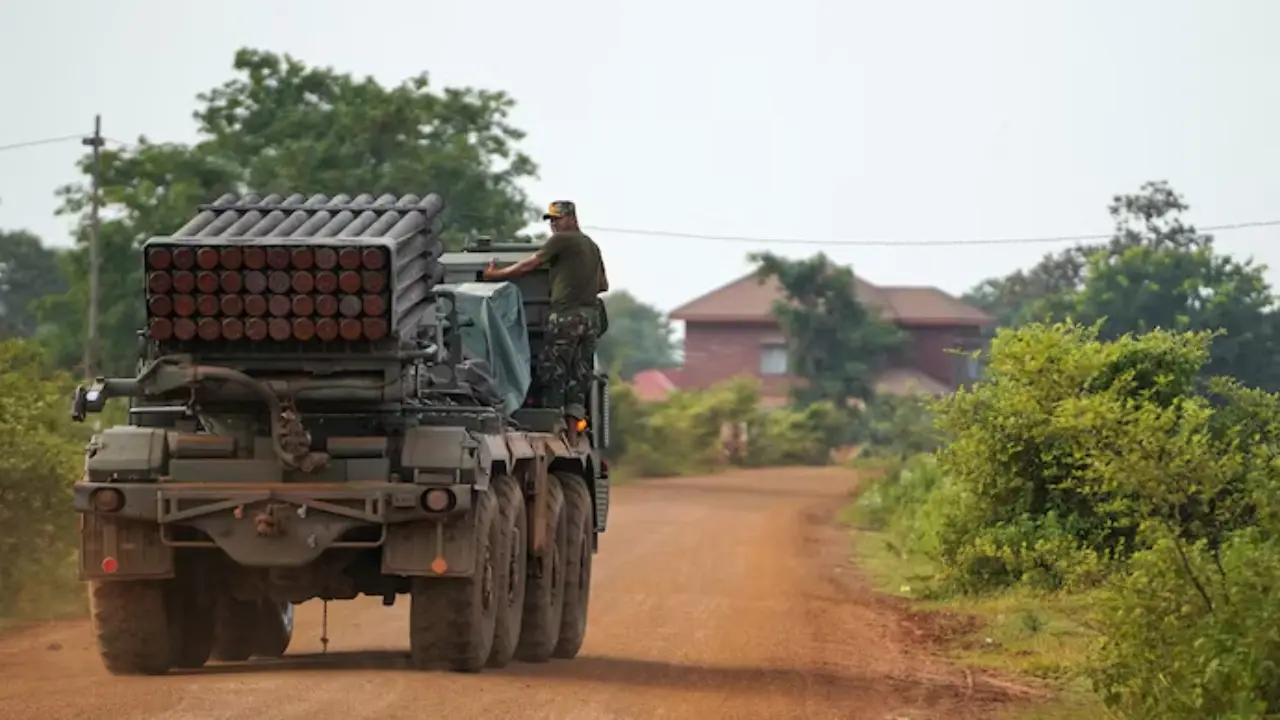
Gap 3 - Border checkpoints and legal crossings
Under recent emergency measures, Thailand shut down border checkpoints in provinces like Sa Kaeo and Chanthaburi. Yet these legal crossings often become crowded, with limited surveillance and only basic fencing. Human traffickers and smugglers have long exploited these spots, and crisis times make them even weaker.
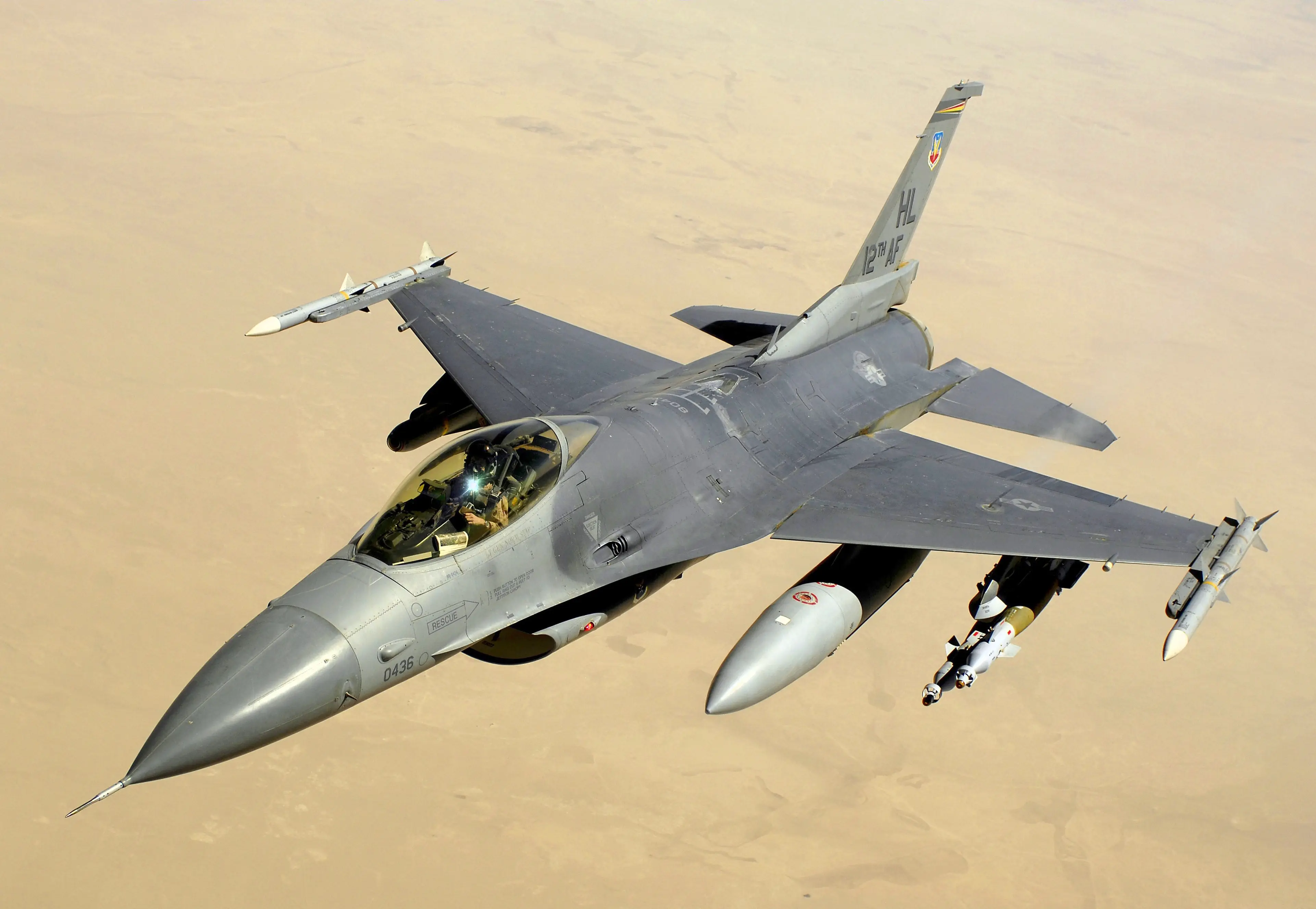
Gap 4 - limited air and surveillance cover
While thailand’s air force is advanced, not all border areas have strong radar or drone coverage. Cambodia recently used small drones to scout Thailand positions. The Thailand military claimed to have shot down several but also admitted some drones got through, pointing to gaps in real-time detection.

Gap 5 - civilian areas and support lines
Important civilian zones-like border towns, hospitals, and main roads-lie near the frontline. Reports of rocket and artillery fire striking these areas show how close vital civilian support is to the fighting. Disruption here affects supplies, evacuations, and local support for the military, creating another risk.
)
)
)
)
)