Top 5 historical monuments in Delhi to explore this Independence Day

If you are planning to visit Delhi, or you are already in Delhi on Independence Day, then these iconic historical monuments, which showcase India’s incredible architectural brilliance, will tell you stories of courage, resilience, and patriotism.
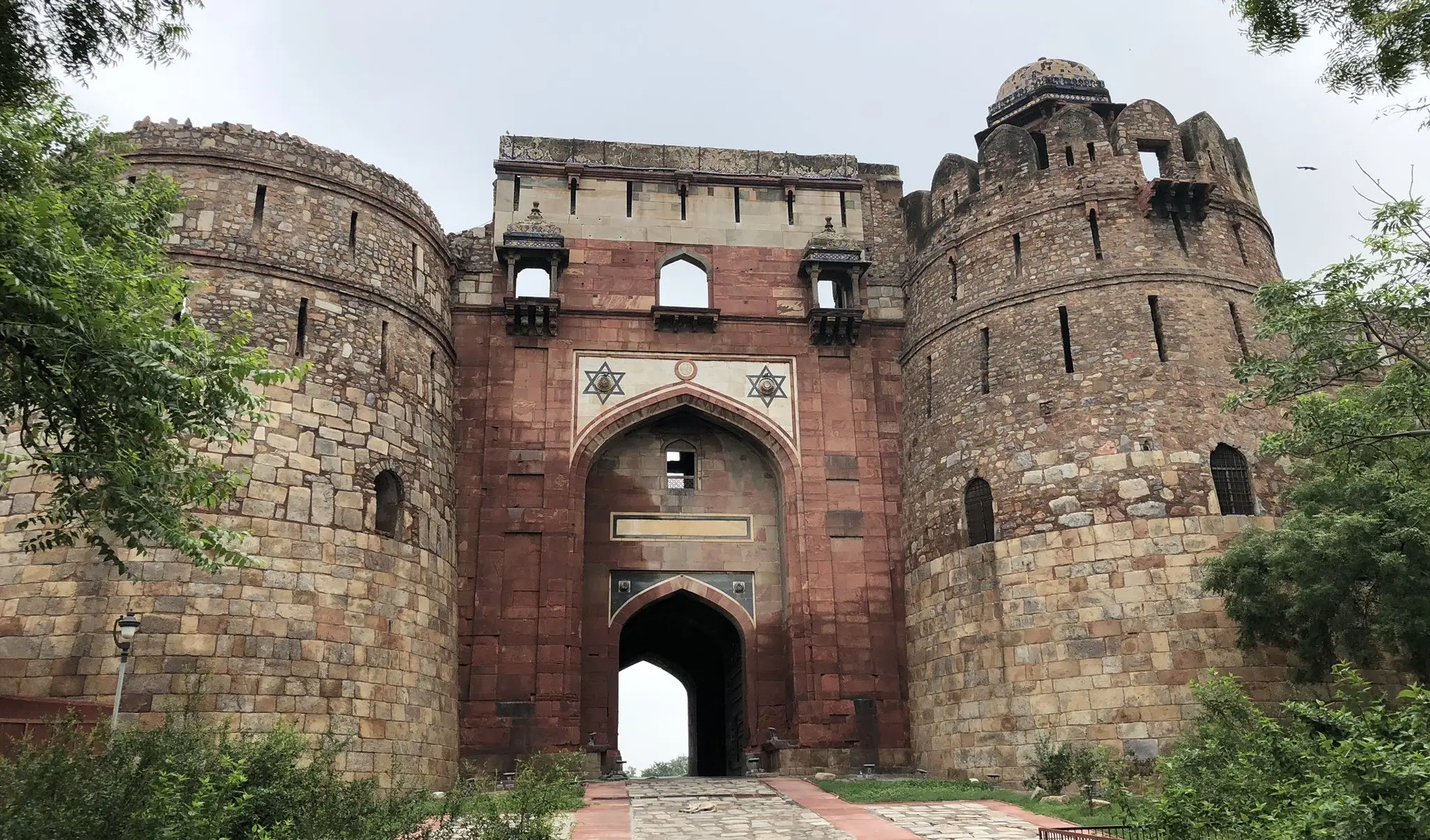
1. Purana Qila
The Purana Qila, which was built by Humayun, offers a great blend of Islamic architecture with layers of history. This fort has witnessed several key Indian freedom movements. As per the historical relevance, this site could be the best spot to look at on Independence Day.
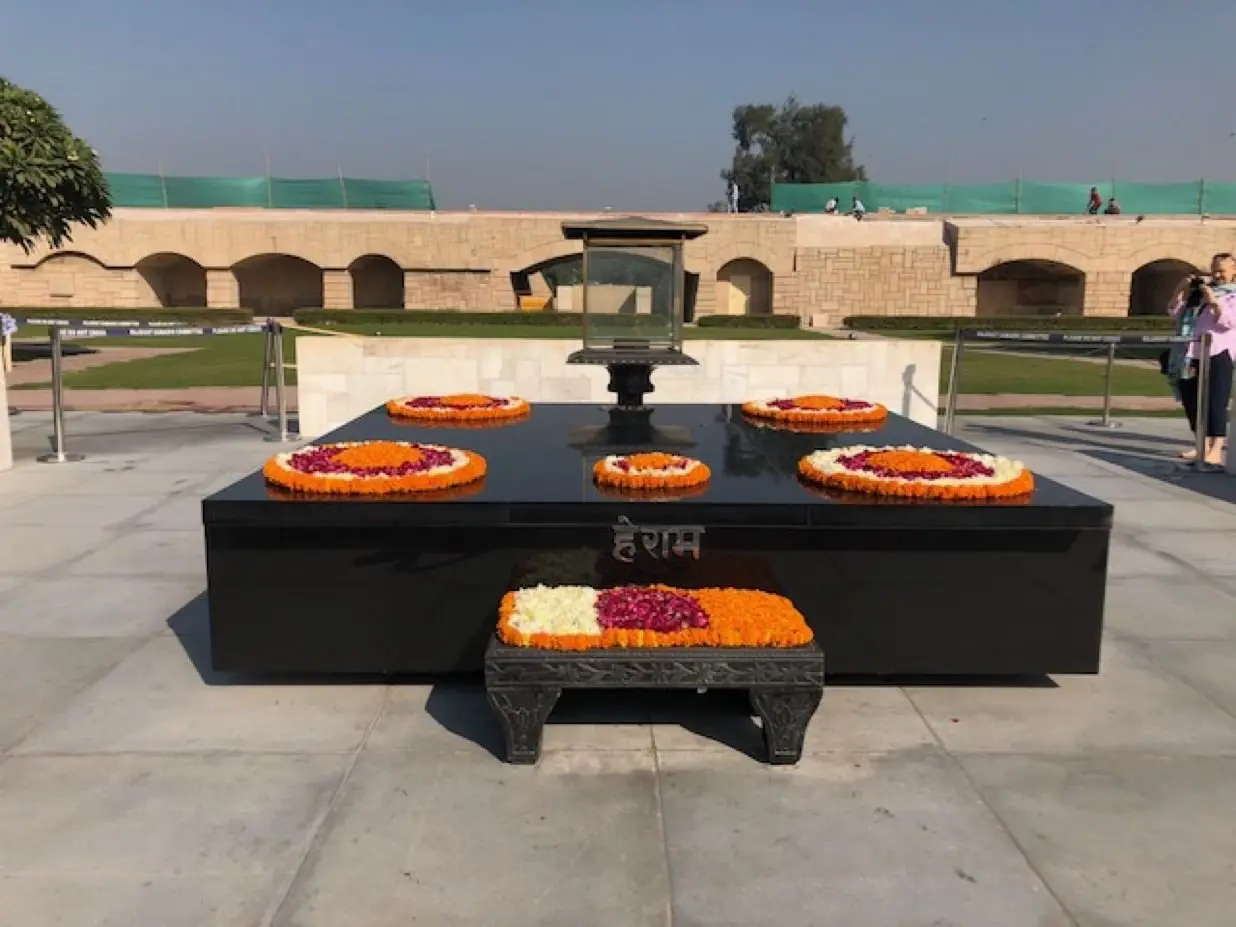
2. Raj Ghat
Raj Ghat is the place where Mahatma Gandhi rests in peace. It is surrounded by fountains, landscaped gardens, and serene pathways. Raj Ghat is also a space of quiet reflection, a stark contrast to the festive bustle of Independence Day. So, it is another spot in Delhi where anyone can visit on the eve of Independence Day.
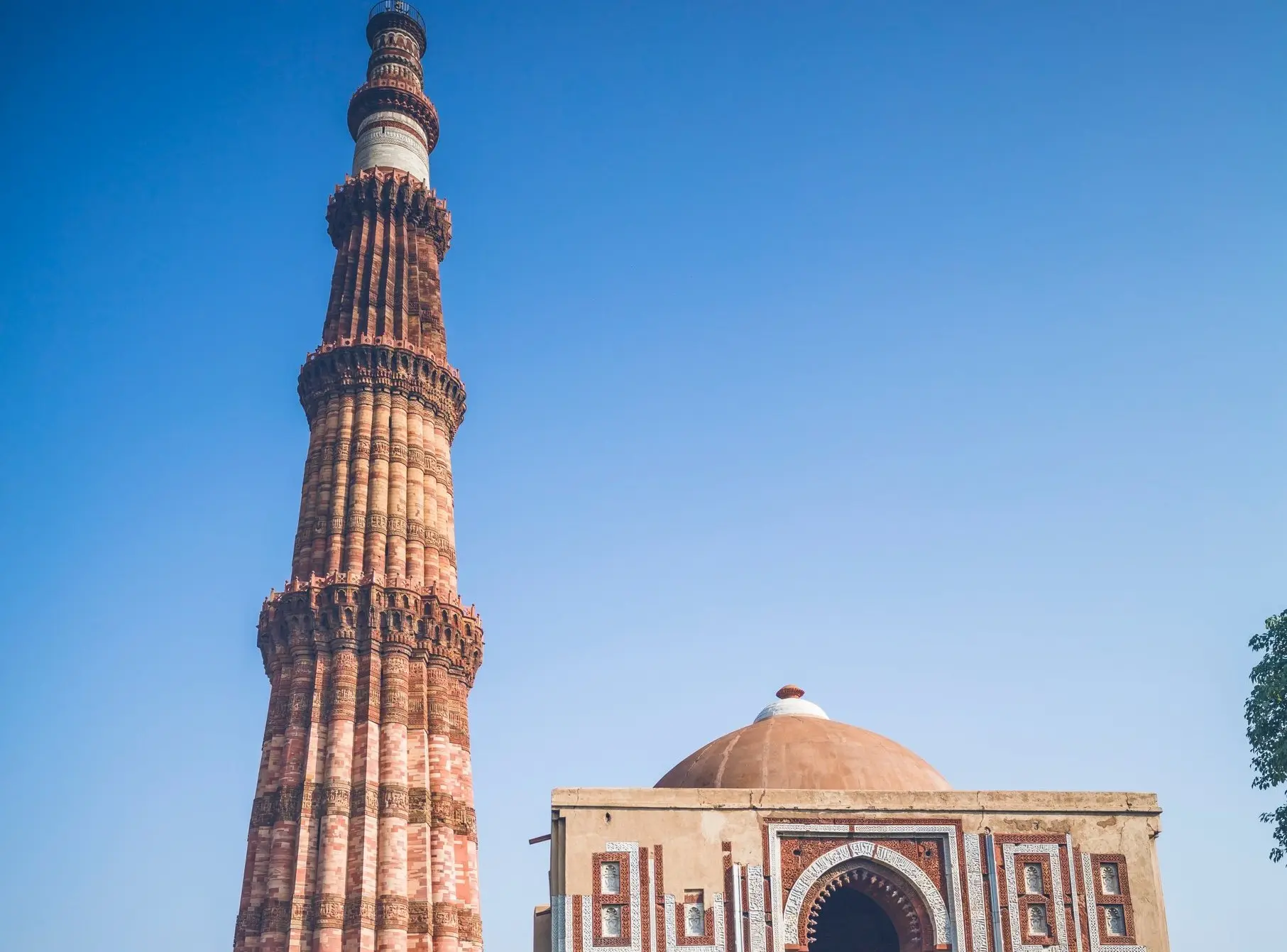
3. Qutub Minar
Qutub Minar is the architectural marvel of the city, which was built around the early 13th century and also has great historical significance. After sunset, with airplanes flying by, this monument looks quite attractive and eye-catching.
4. Red Fort
Constructed in the 17th century by Mughal Emperor Shah Jahan, the Red Fort is a UNESCO World Heritage Site, which is a red sandstone masterpiece that combines Persian, Timurid, and Indian architectural styles. The surprising part of it is that the prime minister has been raising the national flag here every year since 1947.
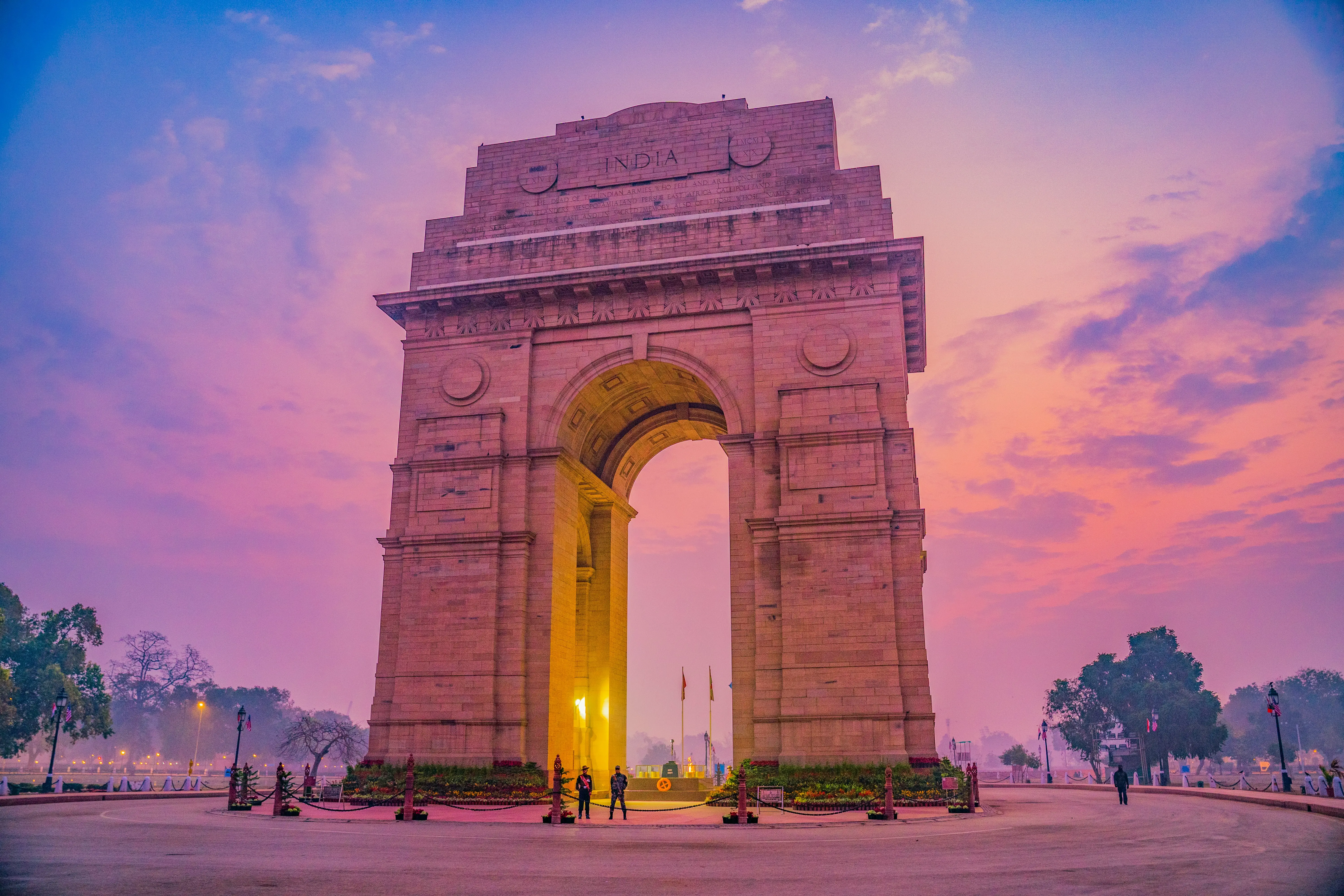
5. India Gate
This site is not just a monument; it's a war memorial of more than 70,000 soldiers of the British Indian Army who sacrificed themselves during World War I. On Independence Day, the monument is lit up magnificently, and Amar Jawan Jyoti (the perpetual fire) burns in honor of all those dead soldiers.
)
)
)
)
)