Top 5 countries with the most international borders, see where India ranks..

Countries with extensive land borders often find themselves at the crossroads of diverse cultures, economic corridors, and, at times, political tensions. Borders also determine defence priorities, migration flows, and resource management.
Introduction: The Strategic Significance of Borders
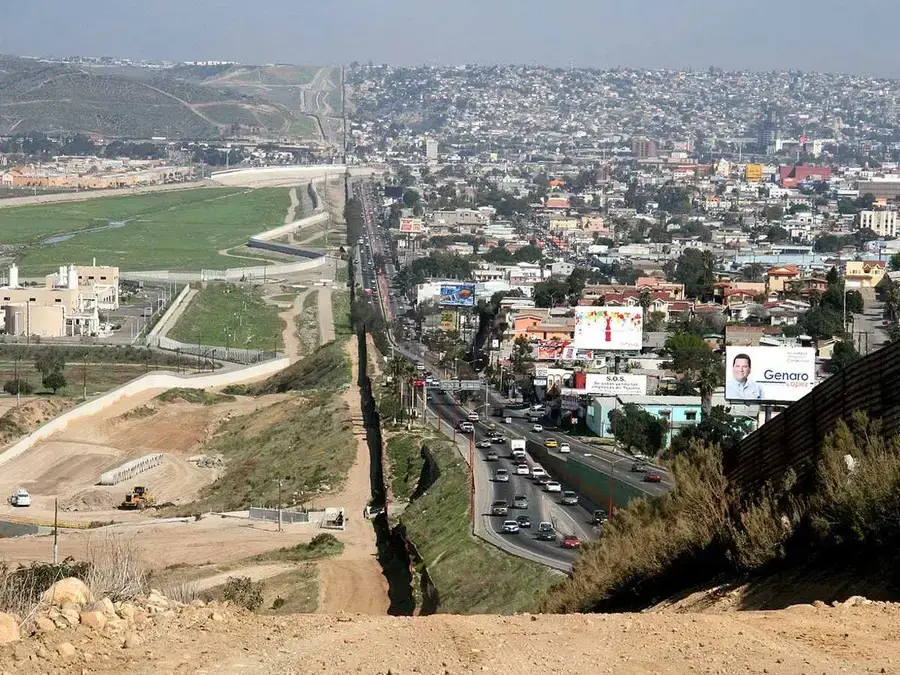
International borders are more than mere lines on a map; they are pivotal in shaping a nation's geopolitical influence, trade dynamics, and security strategies. Countries with extensive land borders often find themselves at the crossroads of diverse cultures, economic corridors, and, at times, political tensions. Borders also determine defence priorities, migration flows, and resource management. Examining which countries share the most international boundaries offers a window into global geopolitics and highlights strategic positions that often go unnoticed. India, while not topping the list, occupies a crucial spot that underscores its regional and international significance.

1. Russia – A Transcontinental Power
Russia stands unparalleled with 16 international land borders, the most of any country globally. Spanning across Europe and Asia, Russia's vast expanse touches nations from Norway and Finland in the northwest to North Korea in the southeast. This extensive network of borders highlights Russia's strategic position and its influence over multiple regions. Managing such a vast frontier requires significant military presence, border infrastructure, and diplomatic engagement with neighbouring states.
2. China – A Central Asian Giant
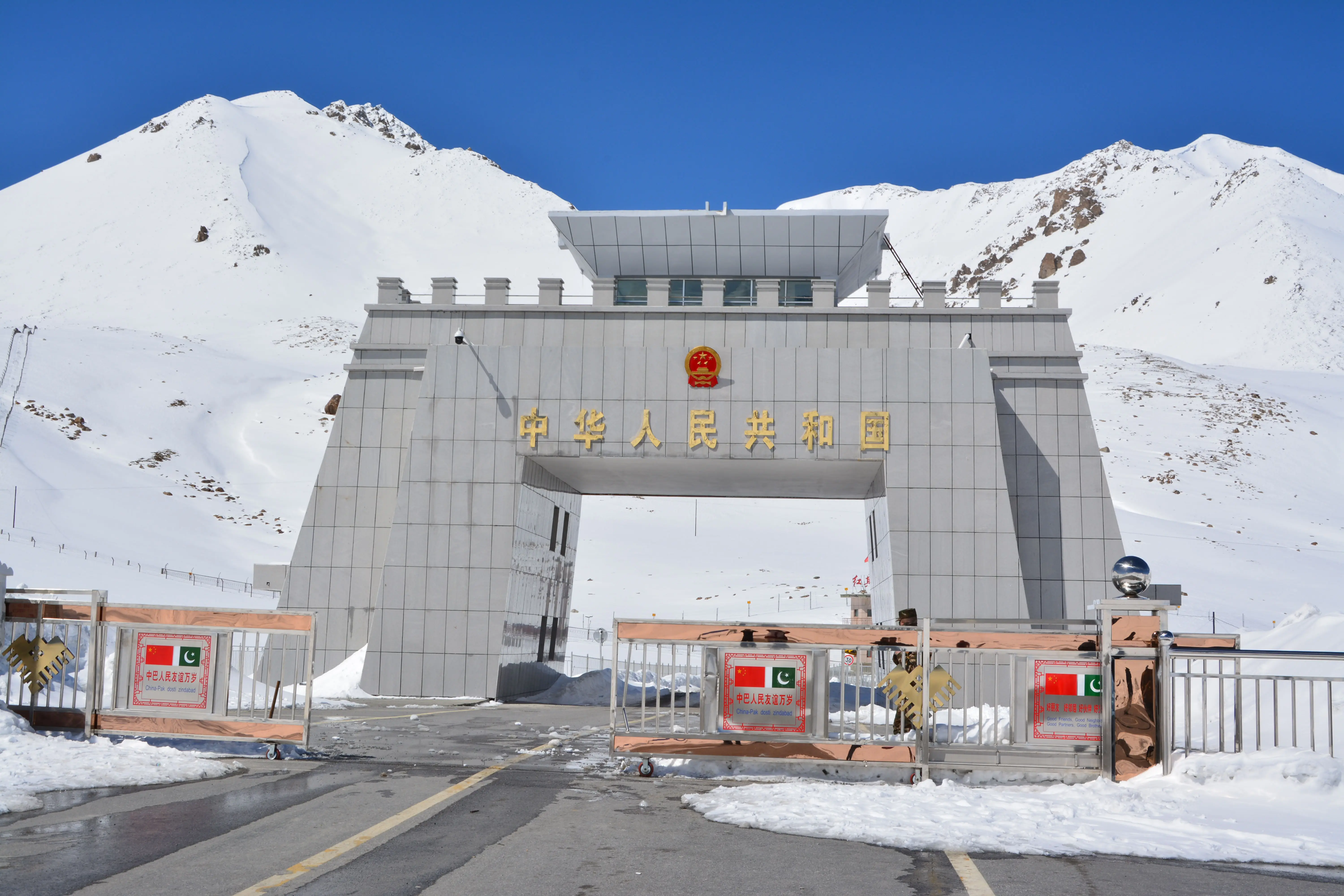
Not far behind, China shares land borders with 14 countries, including India, Russia, and several Southeast Asian nations. Its central location in Asia makes it a significant player in regional geopolitics, with its borders facilitating extensive trade routes and cultural exchanges. China’s borders also cross challenging terrains such as mountains and deserts, which affect security and cross-border connectivity. Its border management policies are key to maintaining regional stability and economic integration.

3. Brazil – The South American Connector
In South America, Brazil leads with 10 neighboring countries, more than any other nation on the continent. Its borders stretch across diverse terrains, from the Amazon rainforest to the Pantanal wetlands, highlighting its ecological and geopolitical importance in the region. These borders are critical for managing environmental resources, indigenous territories, and transnational trade. Brazil’s diplomatic relations with its neighbours are shaped significantly by the need to secure these extensive boundaries.
4. Democratic Republic of the Congo – Africa's Crossroads
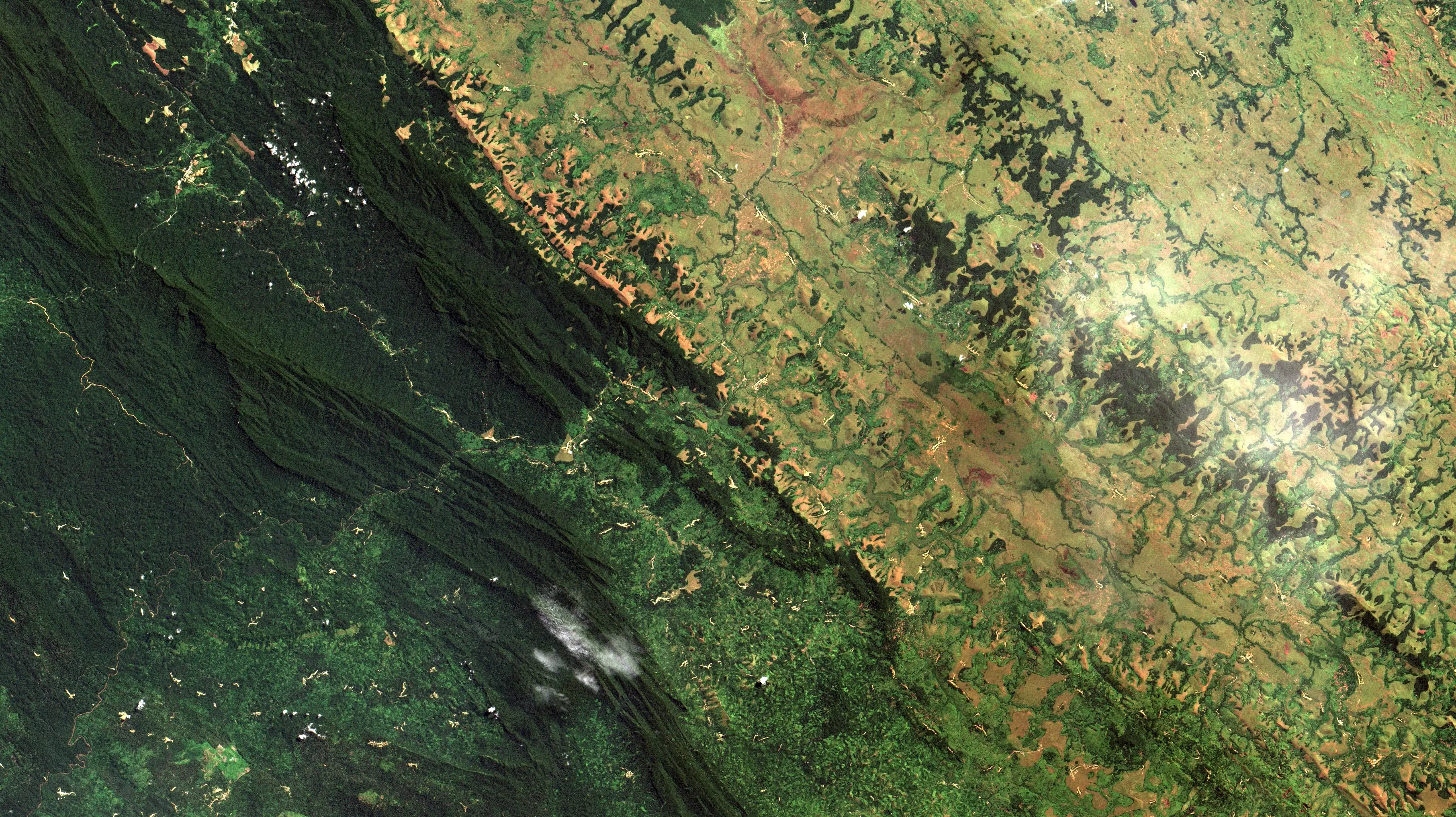
The Democratic Republic of the Congo (DRC) shares borders with nine countries, making it the African nation with the most neighbors. Its central location in Africa places it at the heart of regional trade and political dynamics, despite facing internal challenges. The DRC’s borders traverse dense forests and rivers, complicating both governance and security. Cross-border cooperation and regional alliances are essential to manage the country’s strategic position in central Africa.
5. Germany – Europe's Central Hub
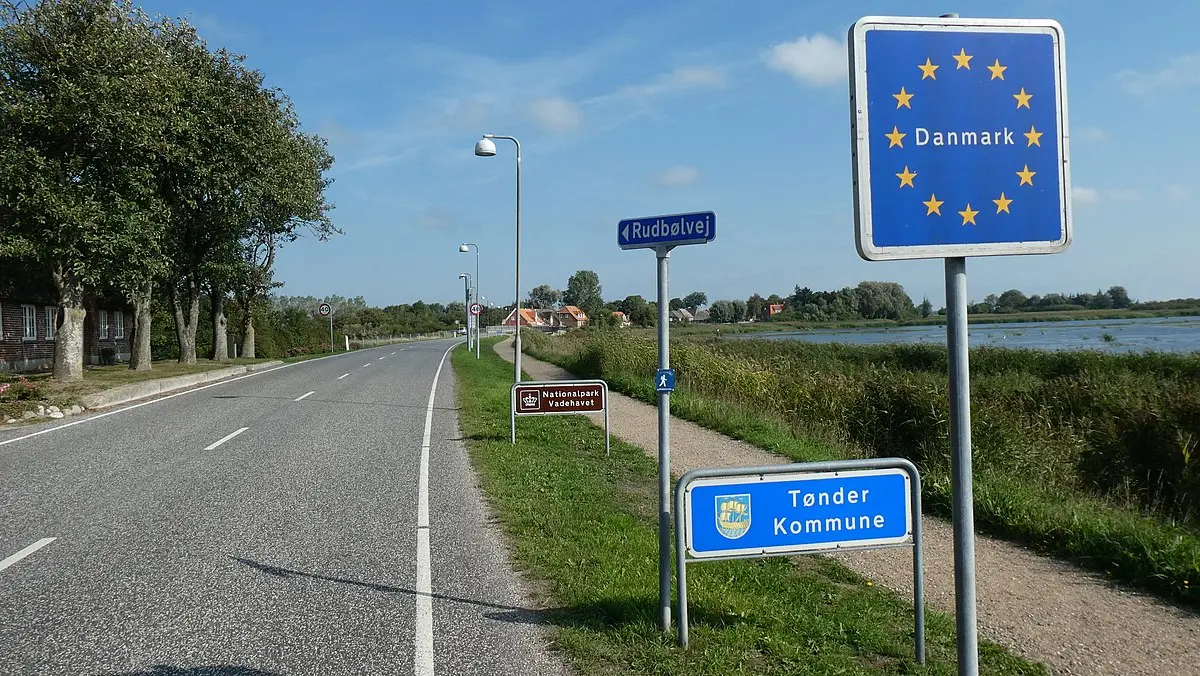
Germany, located in the heart of Europe, shares land borders with nine countries, including France, Poland, and the Netherlands. Its central position has historically made it a focal point for European trade and diplomacy. Modern Germany relies on these borders for economic integration, transportation corridors, and cross-border collaboration within the EU. Maintaining security and open borders simultaneously has become a cornerstone of Germany’s European policy.

India's Position: A Subcontinental Nexus
India, with its seven neighboring countries, holds a significant position in South Asia. While not among the top five, its strategic location between China and the Middle East places it at the crossroads of major global trade routes and geopolitical interests. India’s borders encompass mountainous regions, deserts, and rivers, each posing unique defence and infrastructure challenges. Its relationships with neighbouring countries are critical for regional stability and economic development.

Conclusion: The Implications of Extensive Borders
Nations with numerous international borders often wield considerable influence over regional and global affairs. Their borders are not just lines of separation but are gateways to cultural exchange, economic partnerships, and, at times, areas of conflict. The complexity of managing multiple neighbours requires continuous diplomatic, economic, and security efforts.
)
)
)
)
)