Top 5 countries richest in freshwater reserves

Freshwater is essential for a nation's health, food, and future. Brazil, Russia, Canada, the US, and China lead the world in total natural freshwater reserves, shaping global access to water, agriculture, and sustainability.
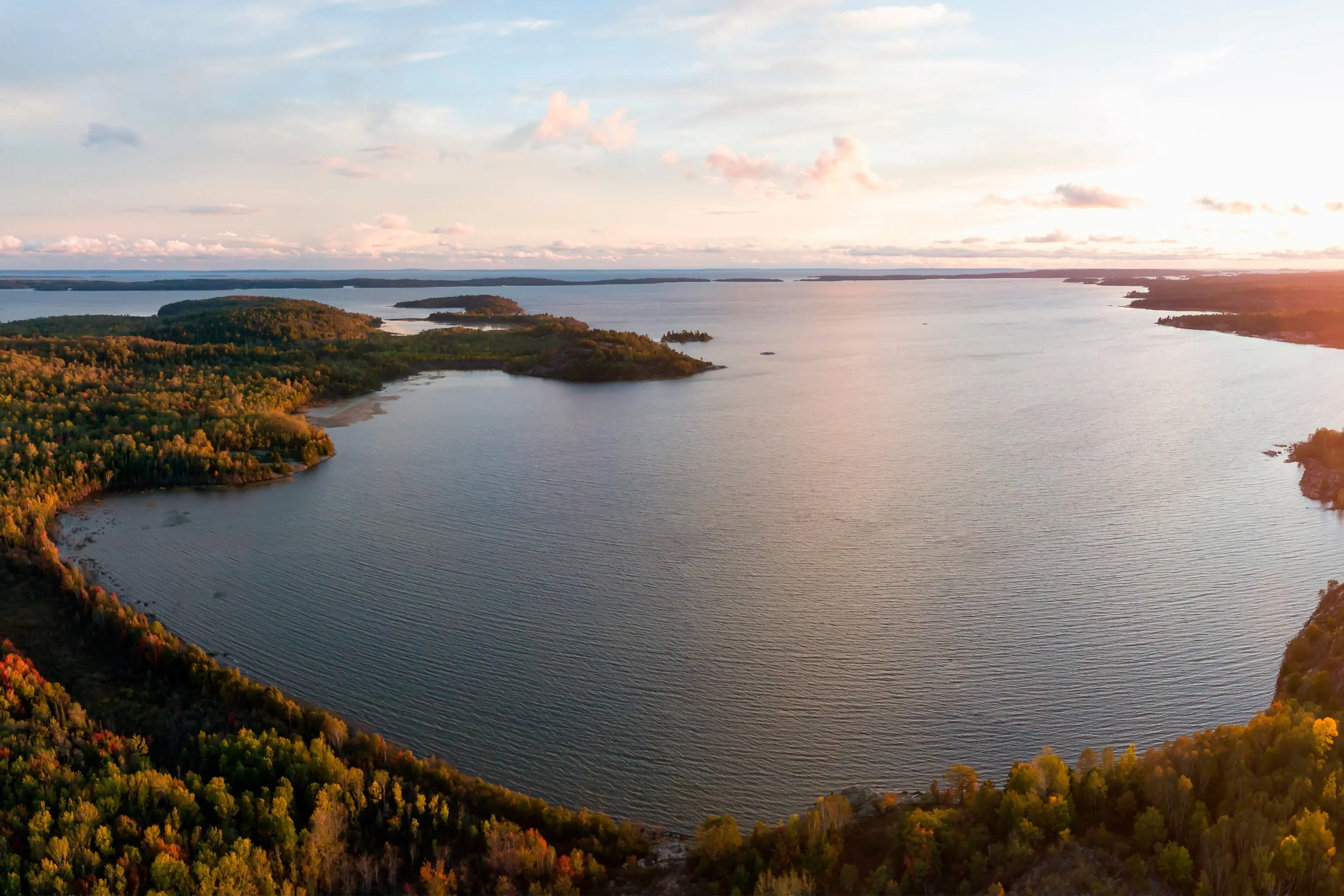
Freshwater
Freshwater is vital for the strength, food, and future of every nation. Only a few countries hold the largest natural freshwater reserves. This ranking is based on total available resources, not just per person, from the latest world statistics.
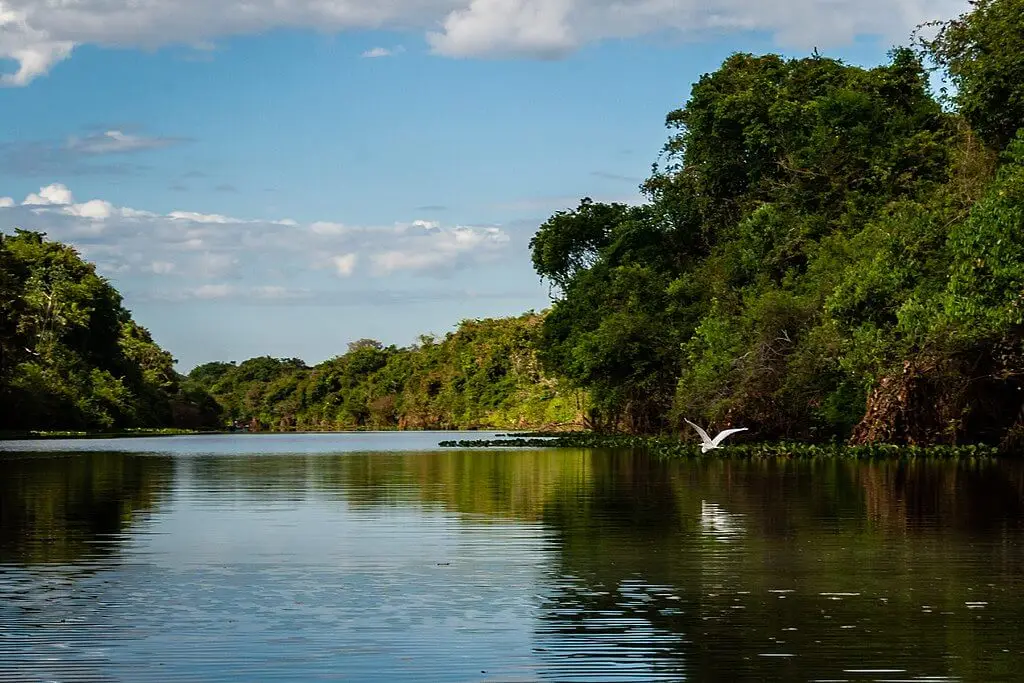
Brazil - 5.7 trillion cubic metres of freshwater
Brazil sits at the top with about 5.7 trillion cubic metres of freshwater. The Amazon River system alone accounts for over half of South America’s total supply, making Brazil home to almost 13 per cent of the world’s renewable water.
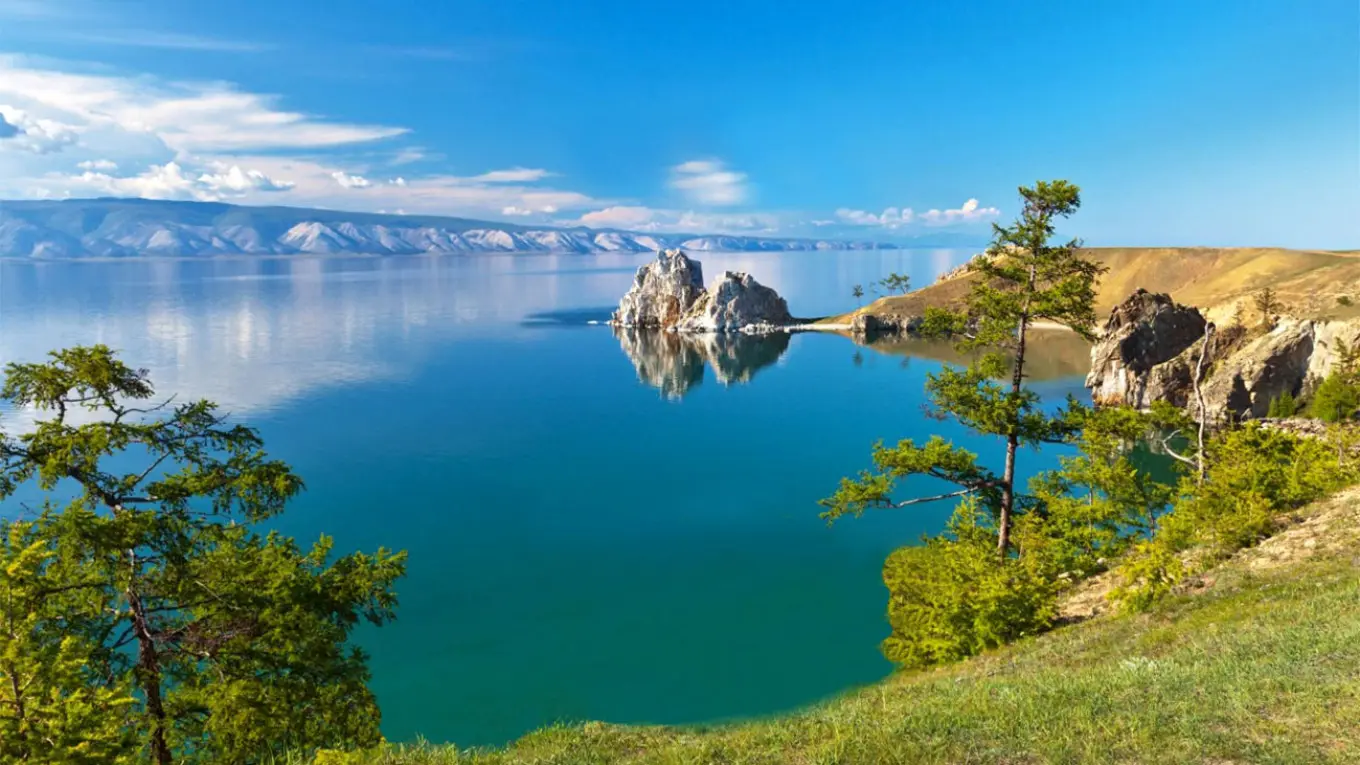
Russia (4.3 trillion cubic metres)
Russia holds over 4.3 trillion cubic metres, with the mighty Lake Baikal holding 20 per cent of the earth’s unfrozen freshwater playing a major role. Its rivers and vast snowy regions act as natural reservoirs.
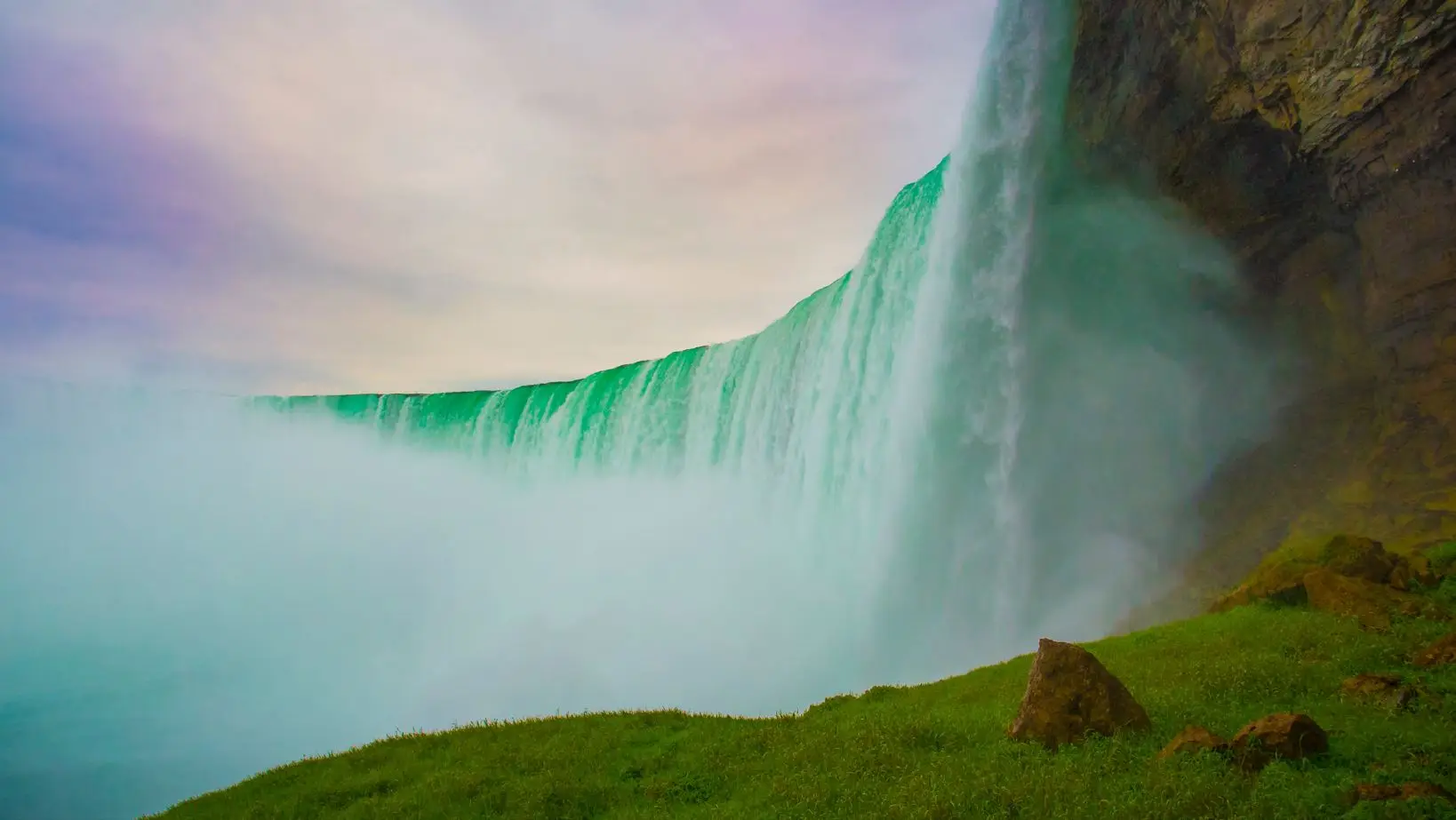
Canada (2.9 trillion cubic metres)
Canada's many rivers and over two million lakes, including sharing the Great Lakes with the USA, place it third with nearly 2.9 trillion cubic metres of freshwater. Its low population gives it some of the highest water per person.
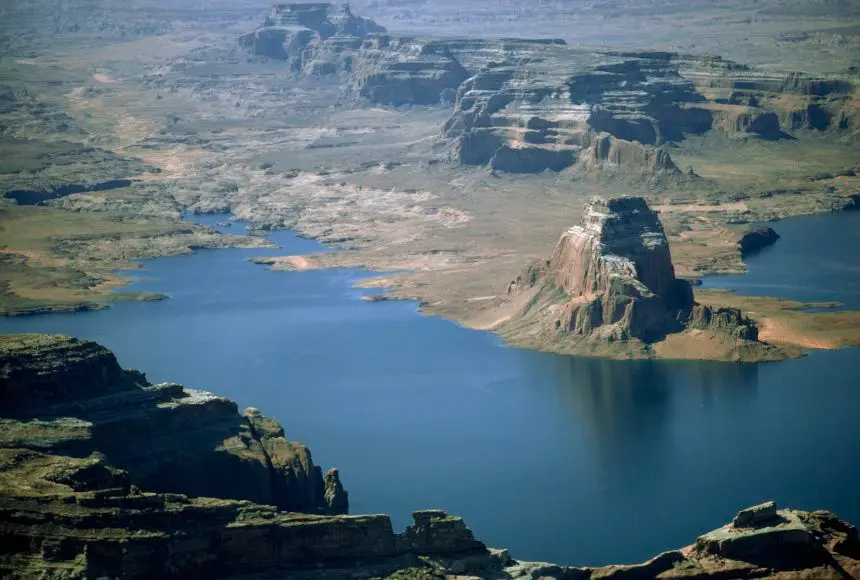
United States ( 2.8 trillion cubic metres )
The US has around 2.8 trillion cubic metres. Vast river systems such as the Mississippi, Colorado, and Great Lakes provide most of the water, though some regions are facing increasing scarcity.
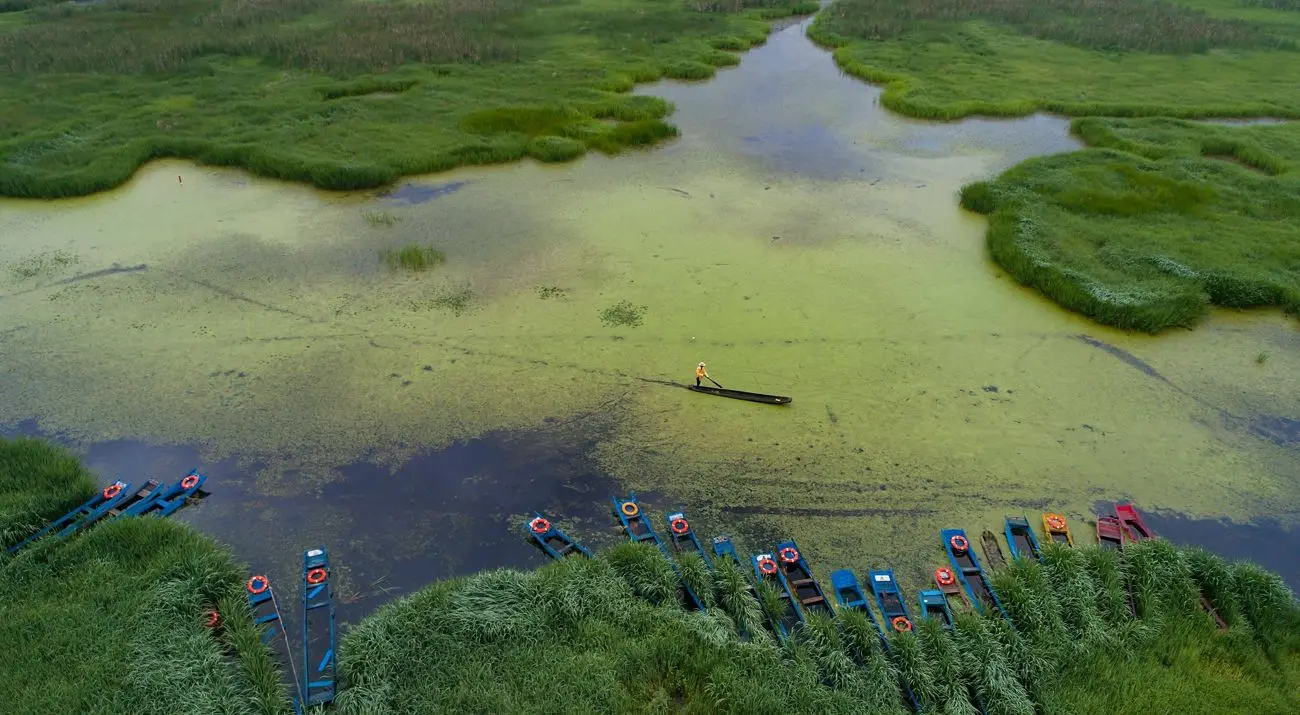
China ( 2.8 trillion cubic metres )
China is fifth, with roughly 2.8 trillion cubic metres, most of it found in the wetter south around the Yangtze, though many northern areas are dry.
)
)
)
)
)