Top 5 countries racing to build hypersonic fighter jets: See where India stands..

Nations across the world are investing heavily in hypersonic technologies to secure strategic advantages in an increasingly competitive defense landscape.
Introduction: The Hypersonic Imperative
Hypersonic flight, defined as speeds exceeding Mach 5, has long been the realm of theoretical physics and science fiction. However, recent advancements in aerospace technology have brought this frontier closer to reality. These advanced platforms promise to revolutionise air combat, offering unparalleled speed, agility, and survivability. Nations across the world are investing heavily in hypersonic technologies to secure strategic advantages in an increasingly competitive defense landscape.

1. United States: SR-72 and Hypersonic Advancements
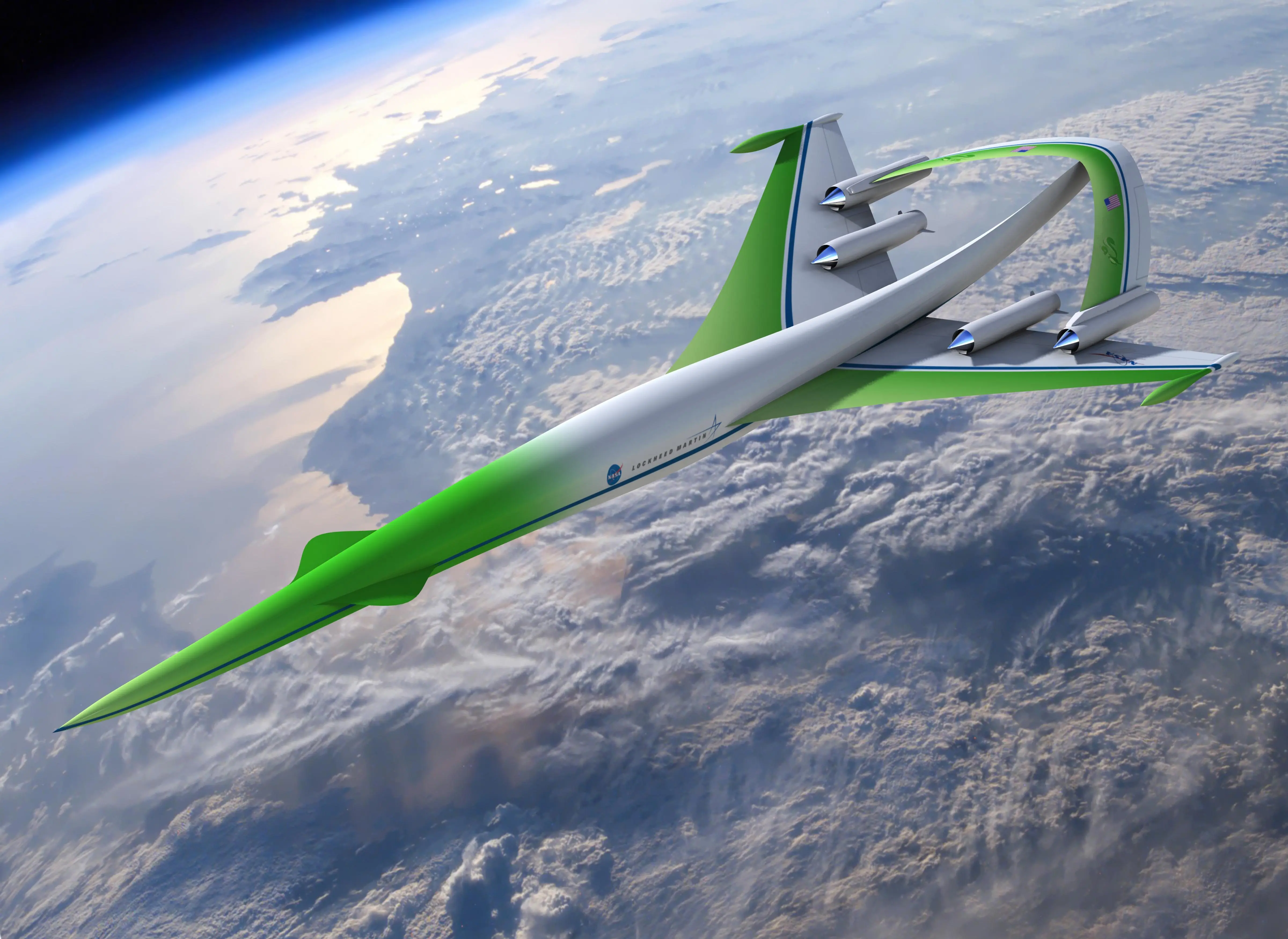
The United States continues to lead in hypersonic research and development. Lockheed Martin's SR-72, a sixth-generation aircraft designed to reach speeds up to Mach 6, is a testament to this commitment. The US Department of Defense has also demonstrated the reusability of hypersonic test vehicles, marking a significant step toward operational hypersonic flight

2. China: Advancements in Hypersonic Technology
China has made significant strides in hypersonic aviation, with several projects under development. The country is working on the 'Nanqiang No. 1,' a hypersonic passenger jet capable of reaching speeds six times faster than the Concorde, potentially reducing global travel times to under two hours. Additionally, China is developing the J-35, a fifth-generation stealth fighter that may incorporate hypersonic capabilities in future iterations. These advancements underscore China's commitment to becoming a global leader in hypersonic technology.

3. Russia: The Ayaks Program
Russia's Ayaks program represents its foray into hypersonic aircraft development. Initially a Soviet-era project, Ayaks is being revitalized by the Hypersonic Systems Research Institute. The program aims to produce a waverider aircraft capable of sustained hypersonic flight, suitable for reconnaissance and strike missions. While details remain classified, Russia's investment in this program indicates a strategic focus on hypersonic capabilities.

4. India: Indigenous Development Initiatives
India is pursuing indigenous hypersonic technology through various initiatives. The Defence Research and Development Organisation (DRDO) is developing the Advanced Hypersonic Test Vehicle (AHTV), designed to test critical technologies for future hypersonic vehicles. Additionally, India is collaborating with France to develop advanced jet engines for its fifth-generation stealth fighter aircraft, which may incorporate hypersonic technologies in the future. These efforts align with India's broader strategy to enhance its defense capabilities and technological self-reliance.

5. European Union: The Future Combat Air System (FCAS)
The European Union, through the FCAS program, is developing a next-generation combat aircraft that may include hypersonic capabilities. Led by France, Germany, and Spain, the FCAS aims to create a system of systems, integrating manned and unmanned platforms with advanced propulsion technologies. While specific details on hypersonic integration are limited, the program's focus on cutting-edge technologies suggests that hypersonic flight may be a component of the future European air combat strategy.
)
)
)
)
)