Top 5 countries banned from owning fighter jets and why

The UN arms embargo since 1992 prevents Somalia from importing heavy weapons or combat aircraft. Today, the country relies entirely on international peacekeeping forces and foreign allies for air support.
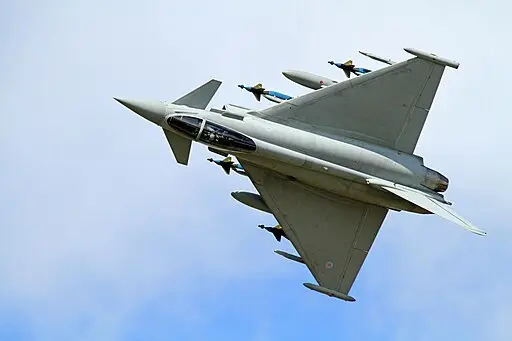
1. Afghanistan: Global Sanctions and Taliban Takeover
After the Taliban took control in 2021, Afghanistan lost access to its U.S.-supplied fighter aircraft fleet. Most aircraft were either destroyed, seized, or flown to Uzbekistan and Tajikistan by Afghan Air Force pilots. The current regime is under UN and US sanctions, making it impossible to purchase or operate modern fighter jets. The ban also extends to spare parts, training, and foreign assistance in military aviation.
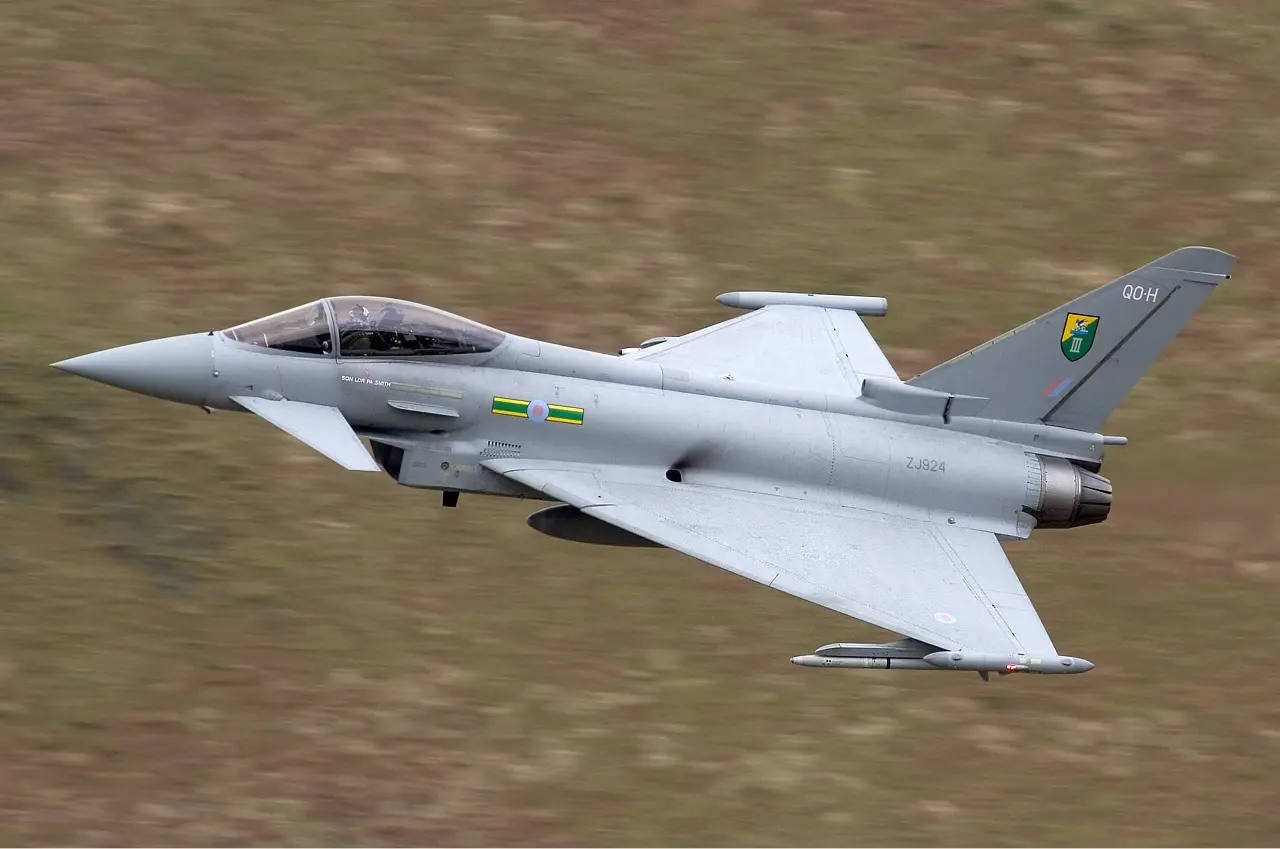
2. Somalia: No Air Force Since the Civil War
Somalia once had a small air force with Soviet-era MiG fighters in the 1970s. However, after decades of civil war and instability, the Somali Air Force collapsed. The UN arms embargo since 1992 prevents Somalia from importing heavy weapons or combat aircraft. Today, the country relies entirely on international peacekeeping forces and foreign allies for air support.
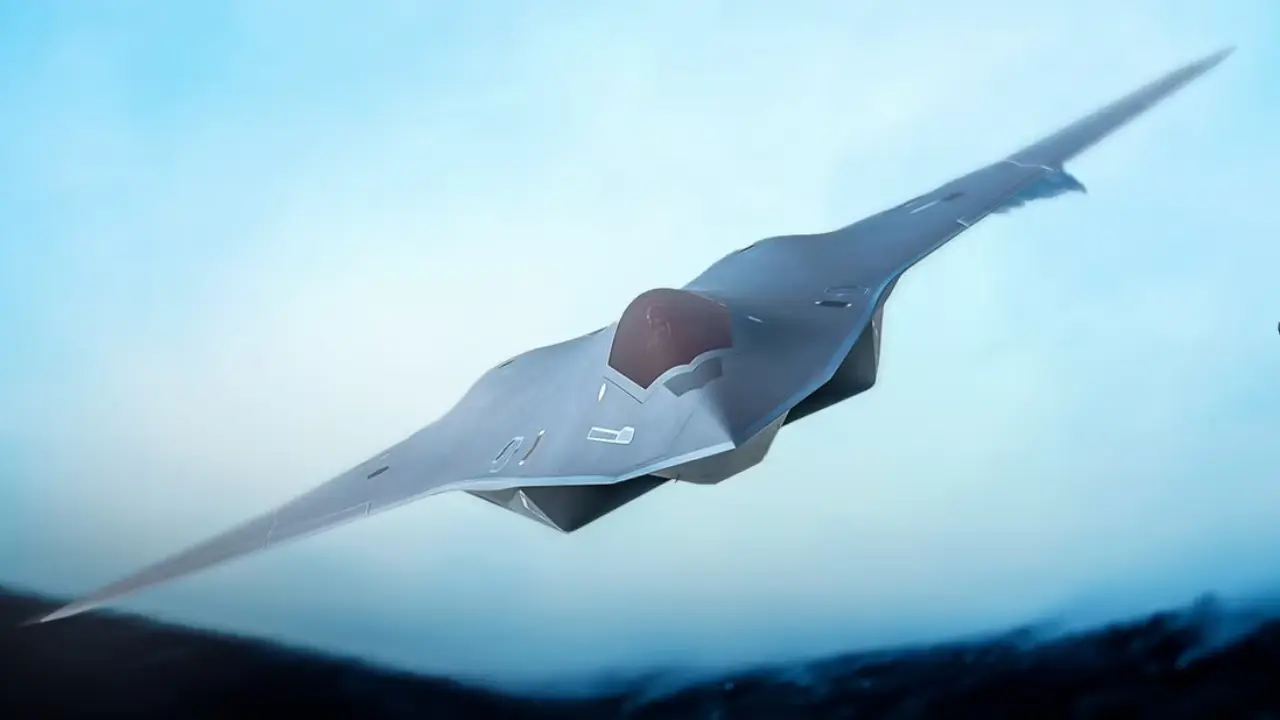
3. North Korea: Technically Not Banned, But Sanctioned Beyond Operation
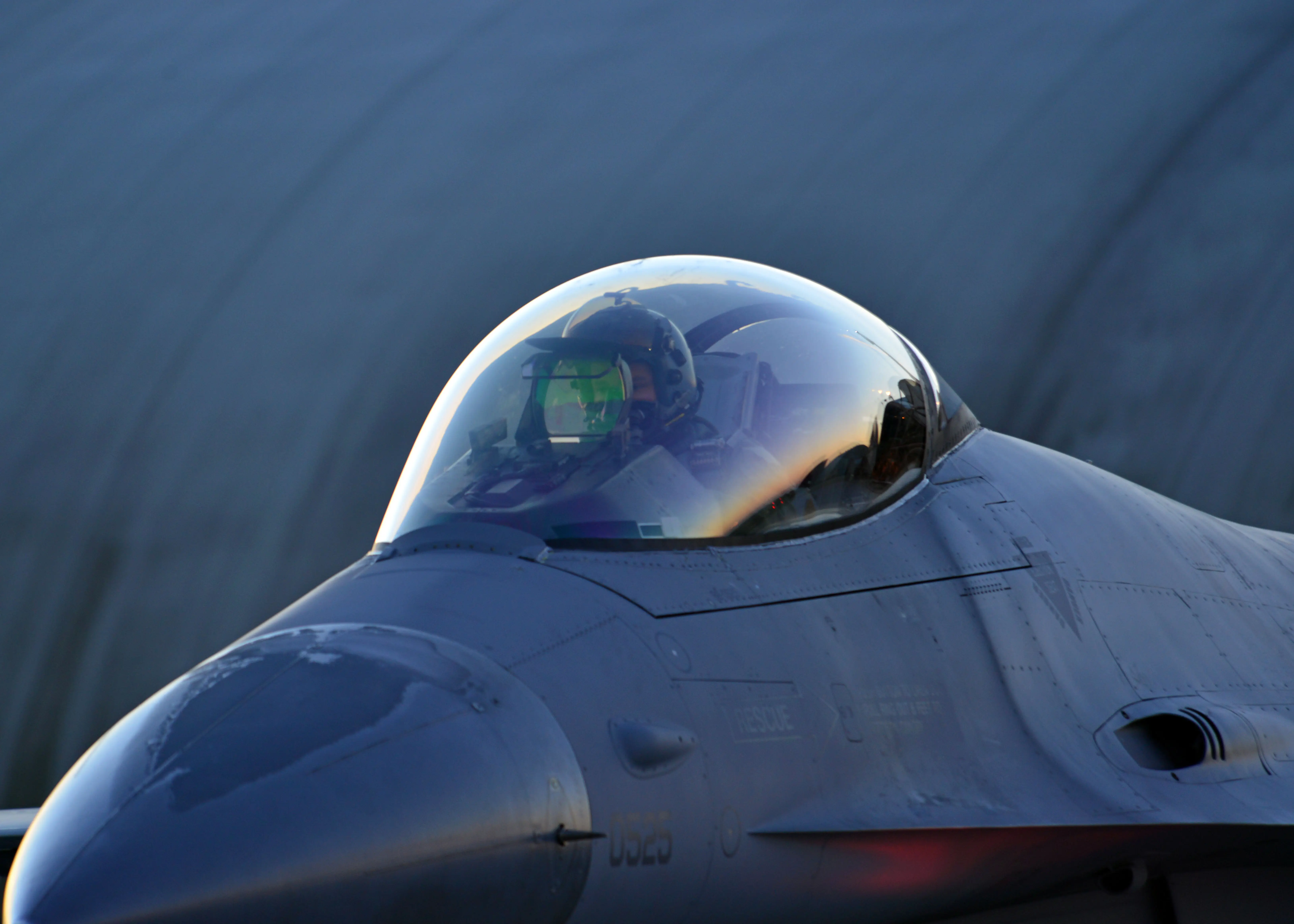
North Korea owns aging Soviet-era jets like the MiG-21, but it is effectively banned from buying new fighter jets due to strict UN sanctions over its nuclear weapons program. Even if allowed, its economic isolation and lack of access to modern parts, fuel, or avionics make maintaining a functional air force nearly impossible. Any attempt to acquire new fighters would trigger international backlash and further sanctions.
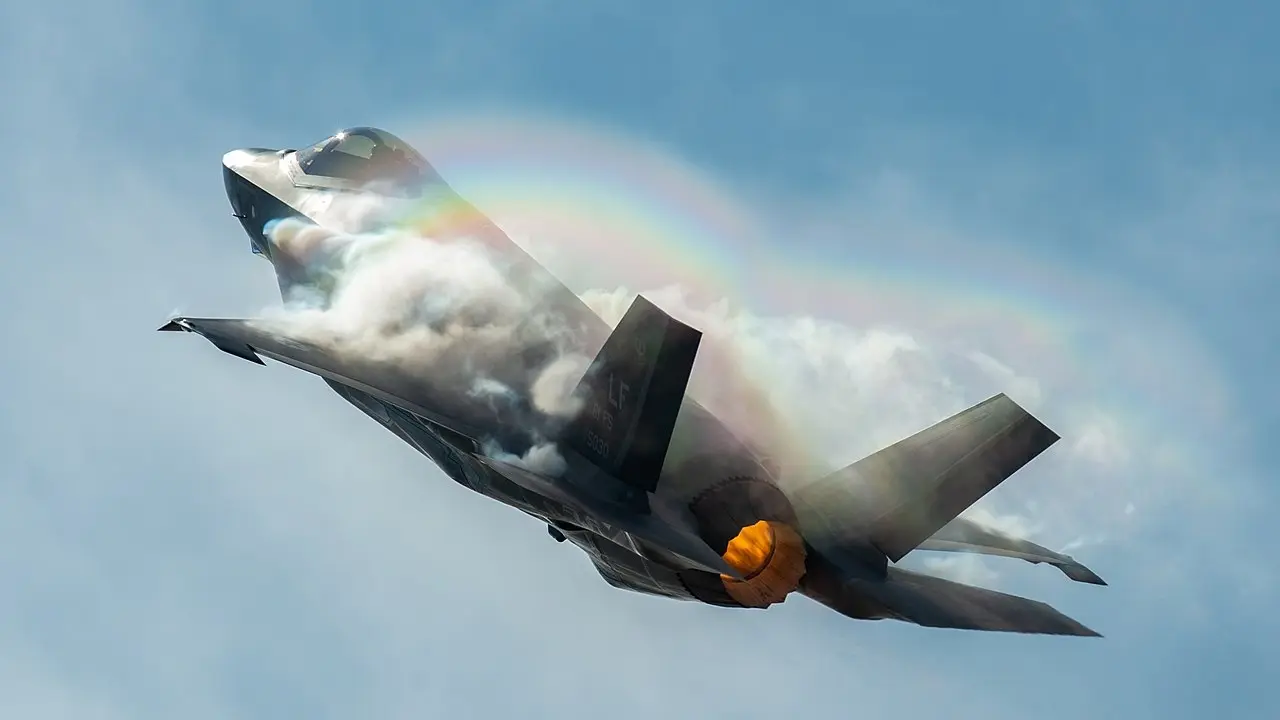
4. Lebanon: Political Instability and Foreign Restrictions
Lebanon has long been restricted from purchasing or operating fighter jets due to its fragile political environment and concerns over regional escalation. The US and European allies have blocked advanced aircraft sales to prevent misuse in internal conflicts. Lebanon’s air force currently operates only light attack and trainer aircraft. Despite proposals for modernisation, no major supplier has agreed to transfer full-scale fighter jets.
5. Myanmar: Facing International Isolation Post-Coup
Following the 2021 military coup, Myanmar was hit with international sanctions from Western countries, halting all major defence exports. Although Myanmar still operates some Chinese and Russian aircraft, it’s now banned from purchasing new fighter jets or related equipment from most nations. Growing global pressure has further isolated its military, making maintenance and upgrades difficult.
Conclusion: Global Politics Decides Who Flies
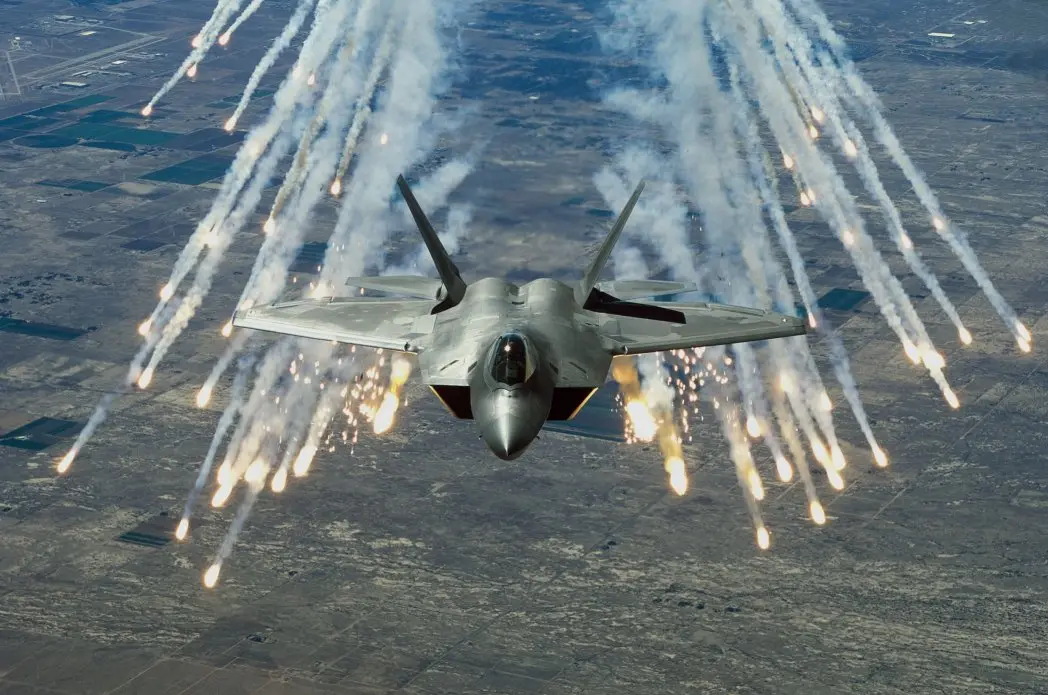
Access to fighter jets isn’t just about money or technology, it’s about global politics. Countries under sanctions or instability are often banned from acquiring or maintaining modern air forces. Fighter jets symbolise sovereignty, but for many nations, international law and geopolitics decide who gets to fly them.
)
)
)
)
)