Top 10 ways companies make profit from wars and conflicts

War may destroy nations but it builds fortunes for corporations. From weapon sales to reconstruction deals, here are 10 ways defence, energy, and tech companies quietly profit from chaos and global conflicts.
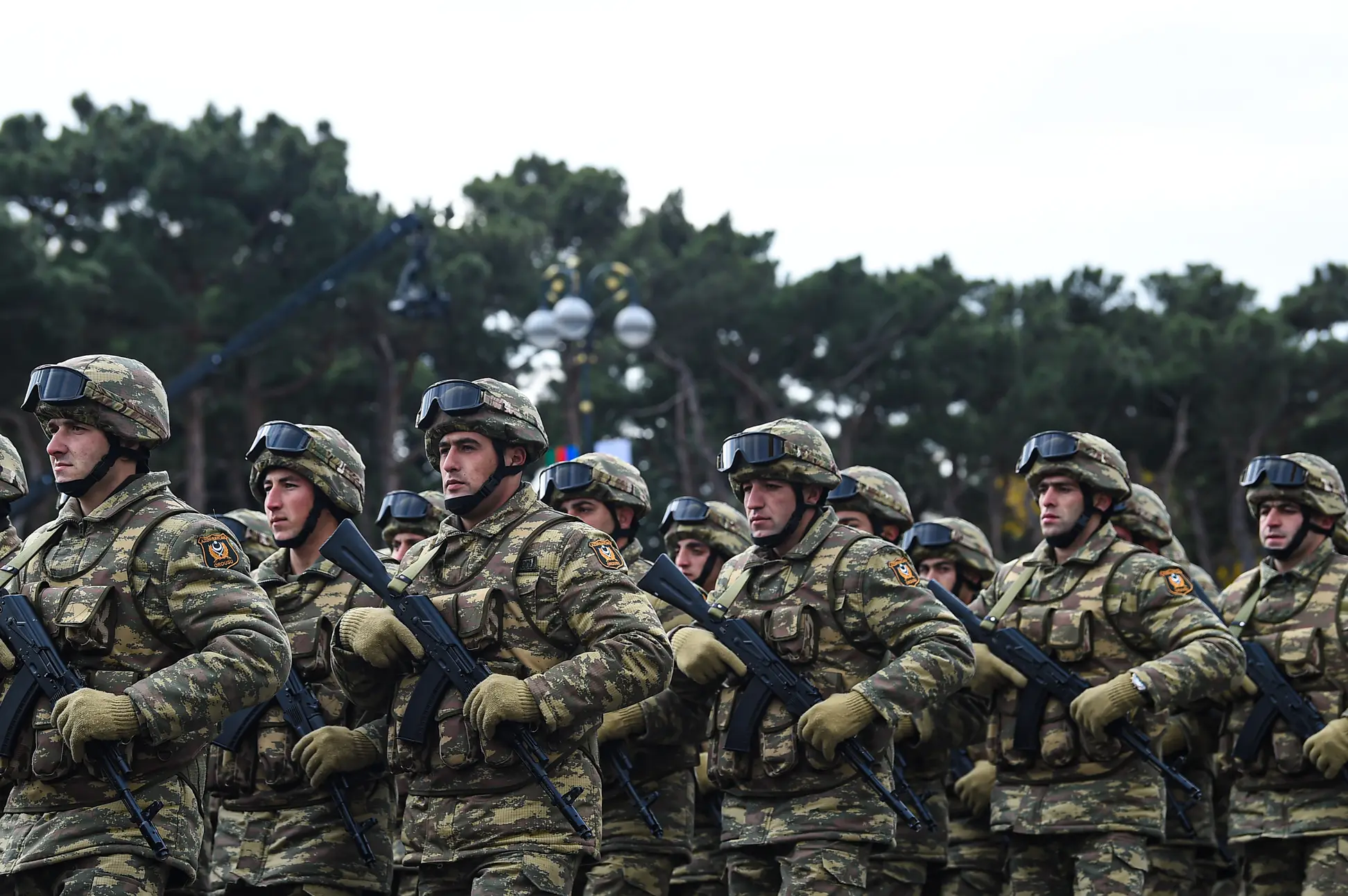
1. Selling Weapons to Both Sides
Major arms manufacturers like Lockheed Martin, BAE Systems, and Thales often supply multiple countries involved in the same regional tensions. The more prolonged the conflict, the higher their revenue.
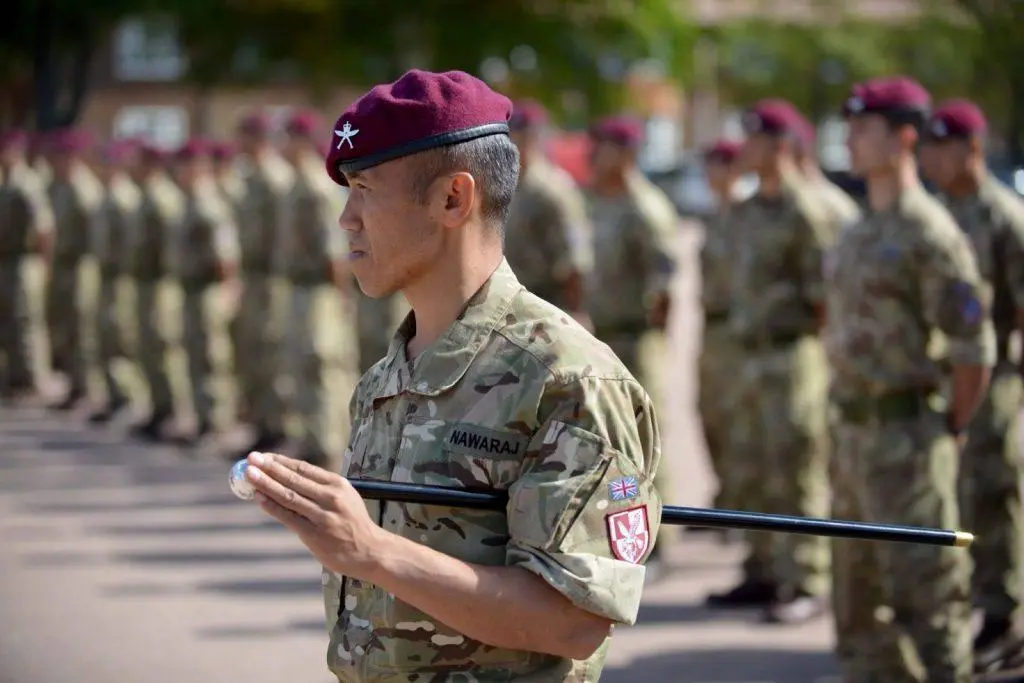
2. Government Defence Contracts
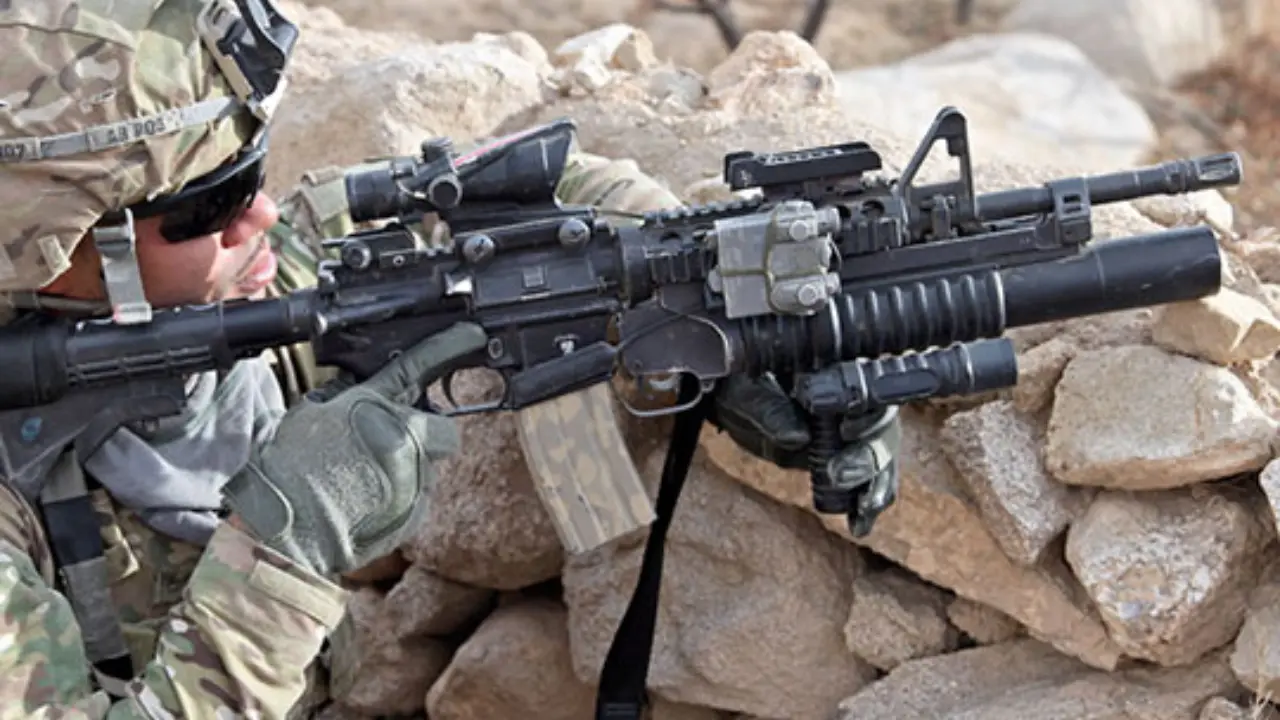
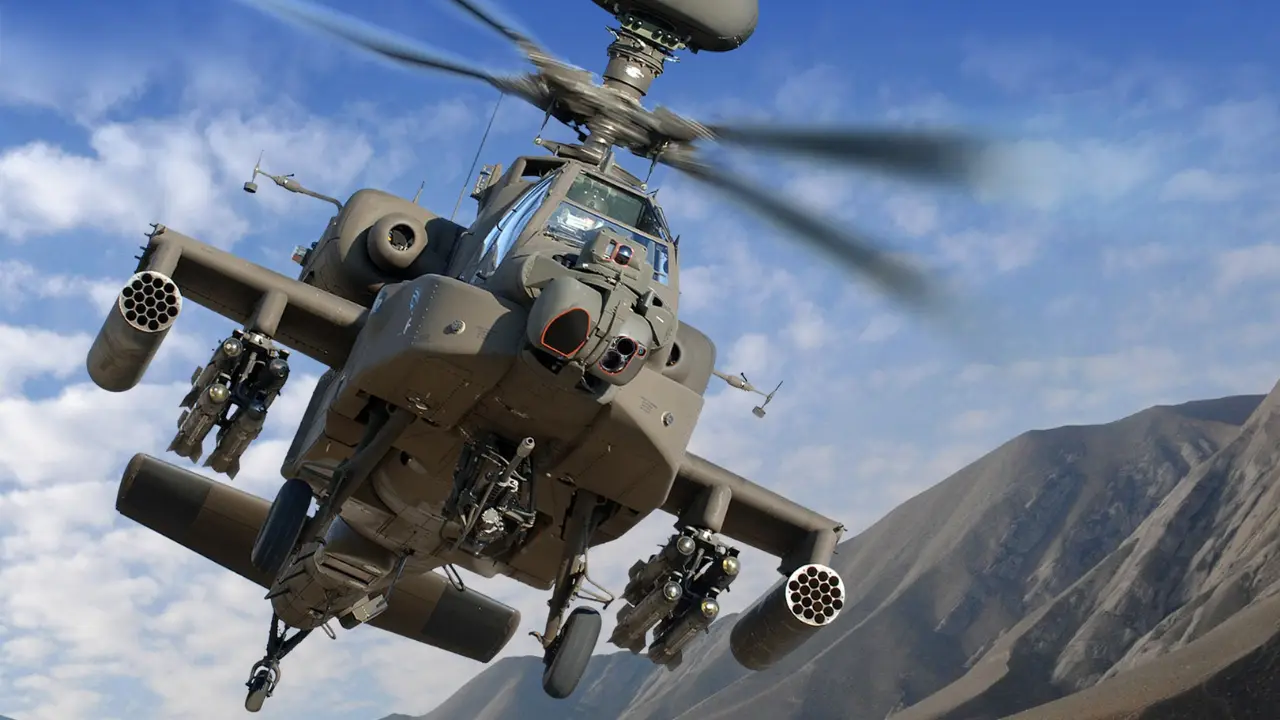
War-time spending boosts military budgets, leading to multi-billion-dollar contracts for private firms. These cover everything from logistics and transport to high-tech weapons and drone systems.
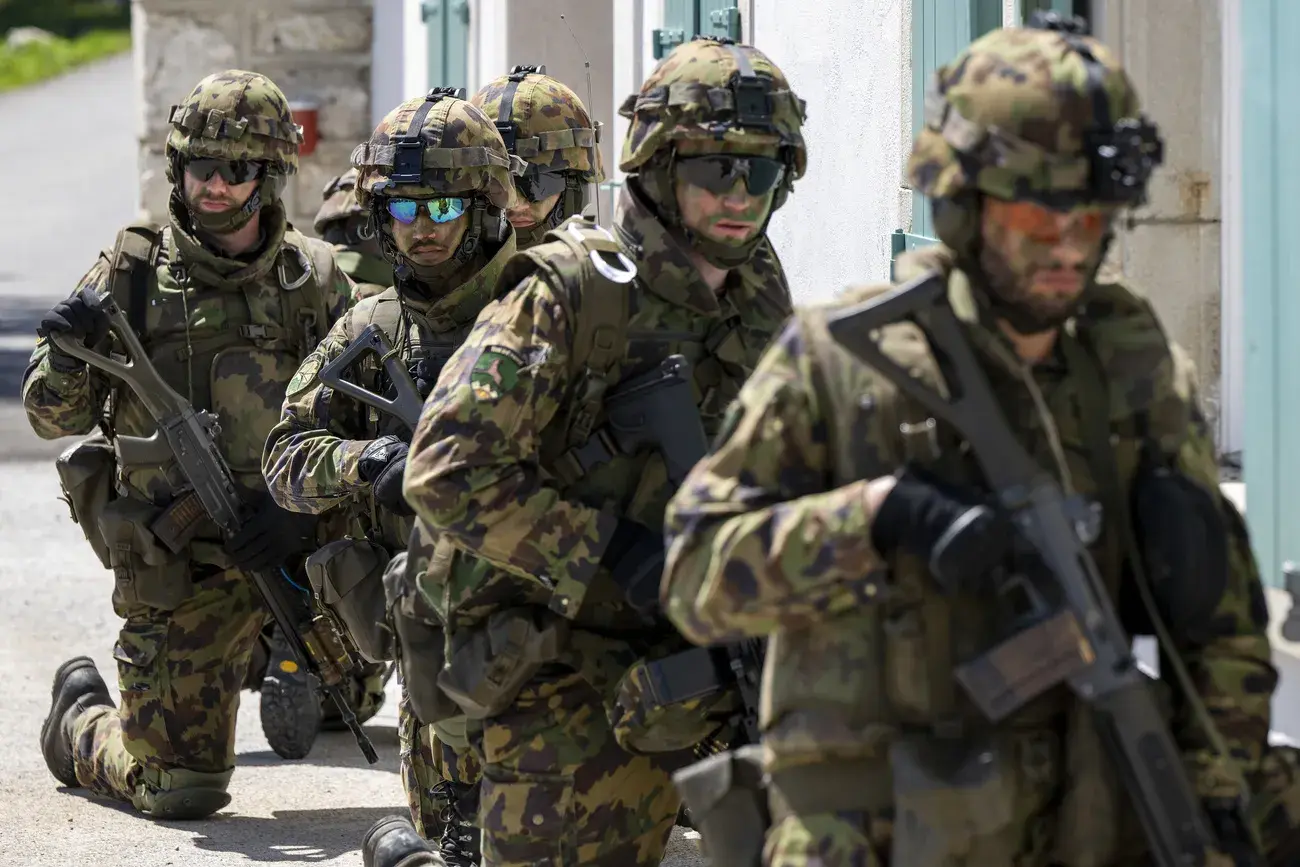
3. Oil and Energy Control
Energy corporations often gain access to oil fields in war-torn regions under “reconstruction” deals. Controlling energy supplies ensures both profit and geopolitical leverage.
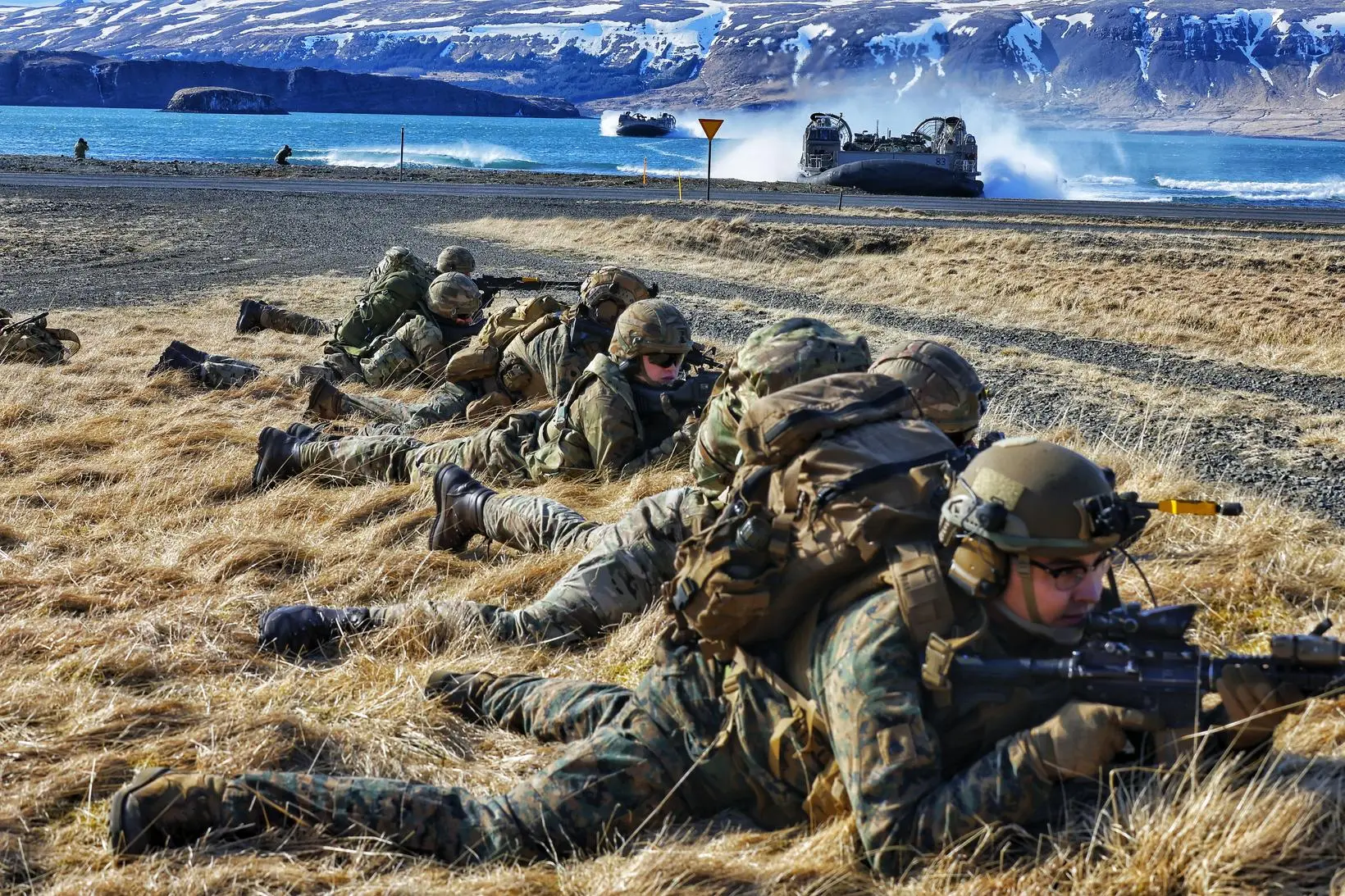
4. Private Military Companies (PMCs)
Firms like Wagner, Academi (formerly Blackwater), and DynCorp are hired for protection, combat training, or even full-scale operations, earning billions without national accountability.
5. Reconstruction and Infrastructure Deals
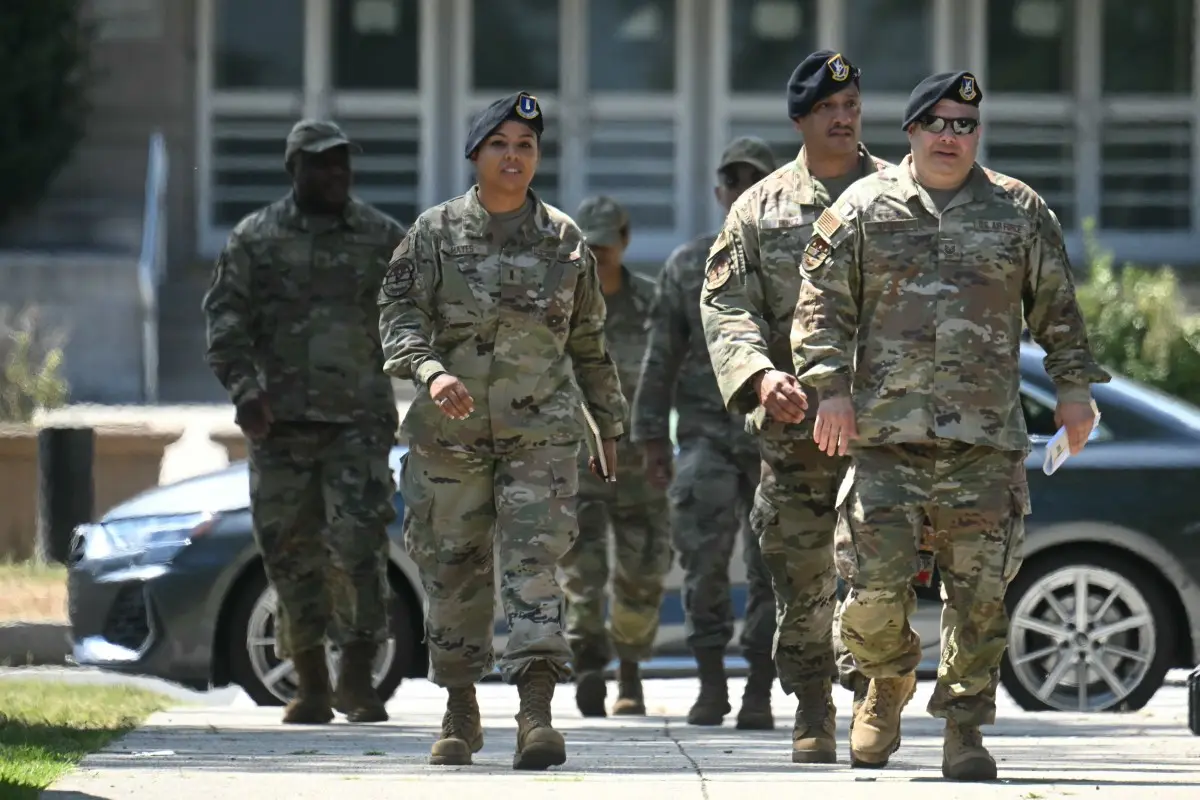
After the dust settles, companies specialising in rebuilding cities, roads, and pipelines move in. The same nations that financed the war now profit from reconstruction contracts.
6. Media and Propaganda Networks
War coverage drives engagement and ad revenue for major news networks, while PR firms are paid to shape narratives that justify invasions or paint allies in a favourable light.
7. Cybersecurity and Surveillance
Conflicts boost demand for advanced cybersecurity, hacking tools, and surveillance systems. Tech giants and defence startups profit from “digital warfare” budgets.

8. Mercenary Recruitment and Training
Private training academies for soldiers of fortune, often linked to PMCs, profit by training foreign fighters and providing security consultancy to corporations in conflict zones.
9. Arms Supply Chain Businesses
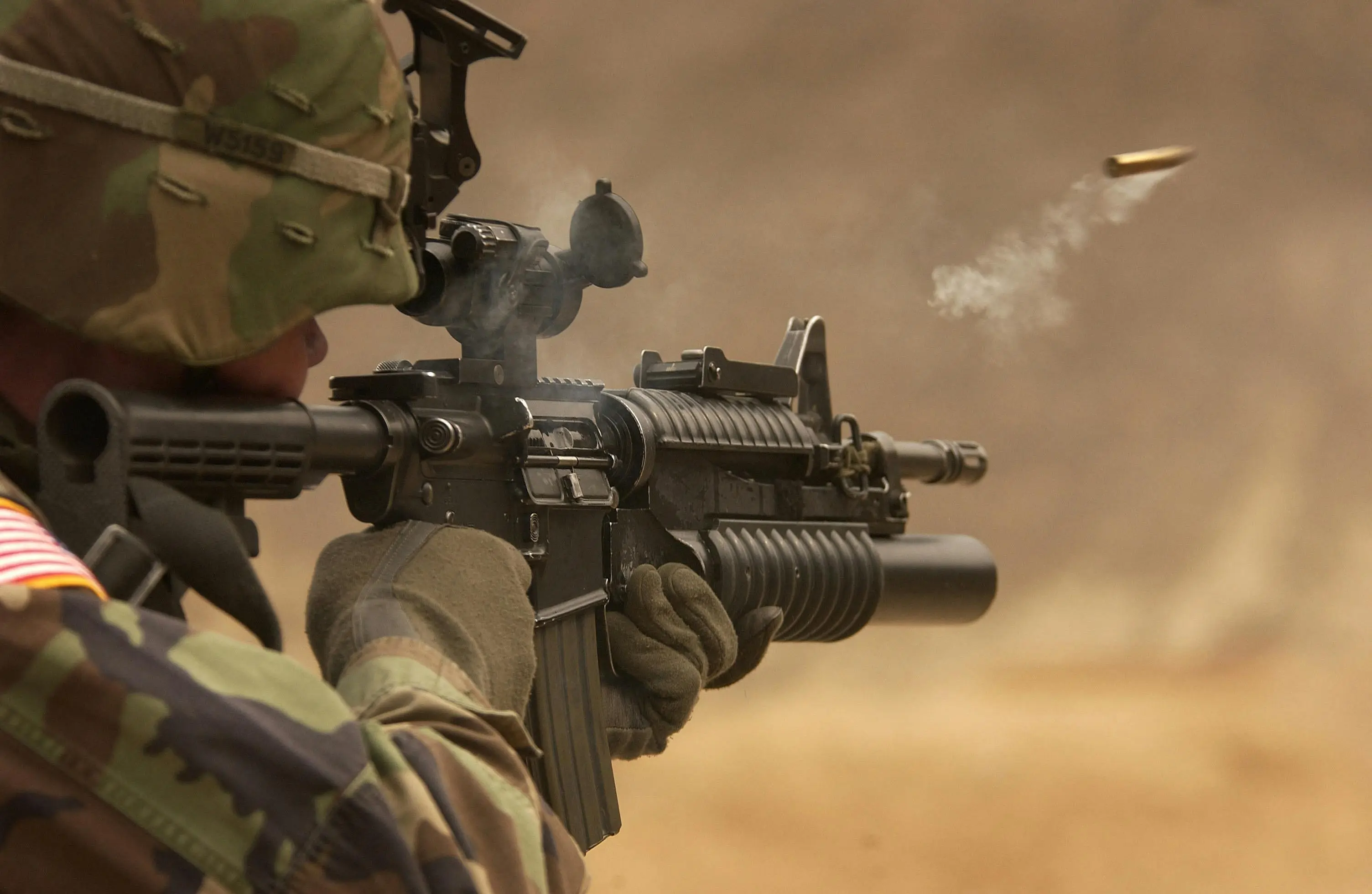
From ammunition producers to transport logistics, hundreds of sub-contractors benefit from every military deal, ensuring a ripple effect of profit across industries.
10. Post-War Debt and Interest Payments
Financial institutions lend billions to nations during conflicts. Long after peace, countries continue repaying those debts, making banks one of war’s most consistent beneficiaries.
)
)
)
)
)